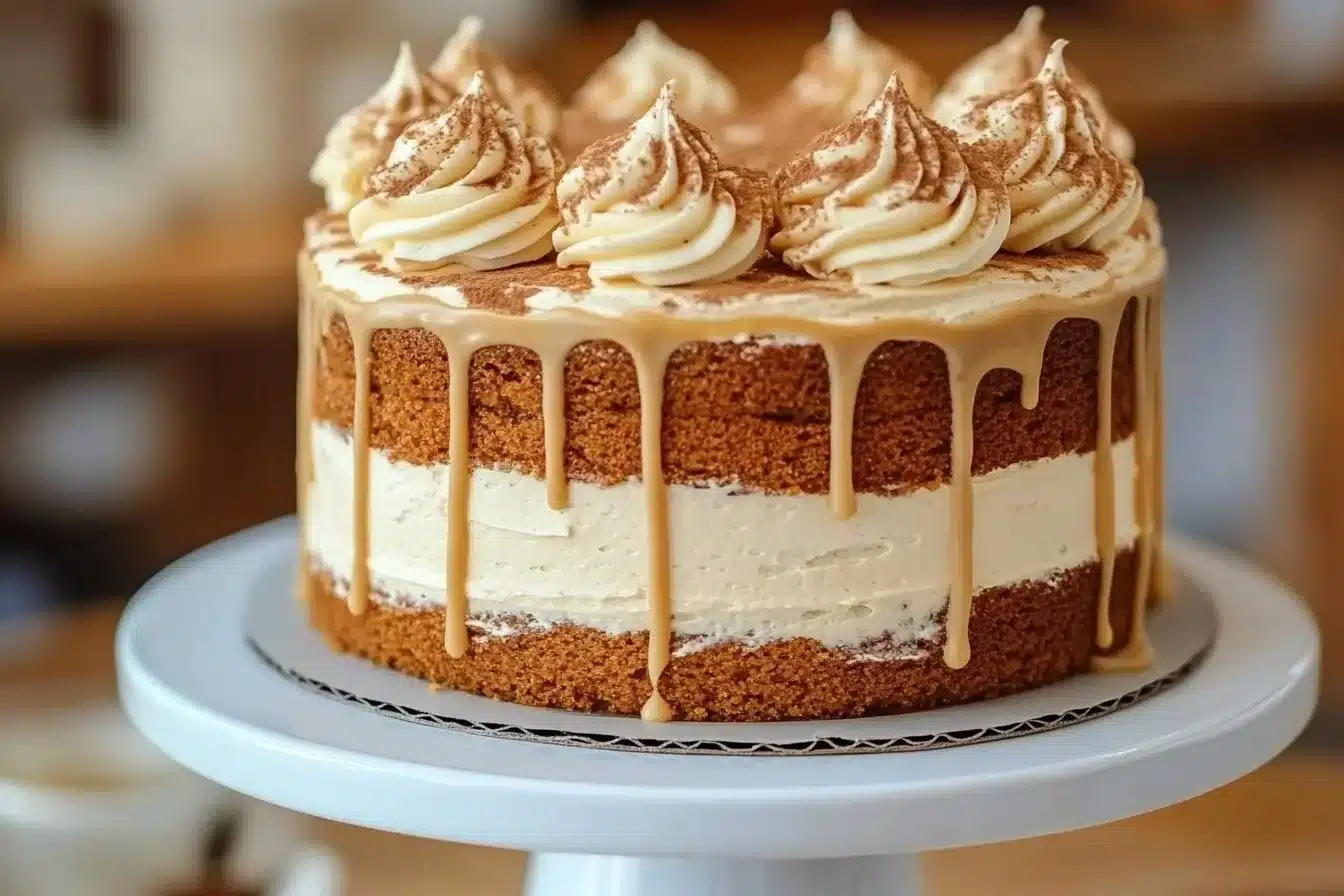
The first time I baked this Biscoff Cookie Butter Cake, the whole house smelled like a warm memory: cinnamon, caramel, and the sweet spice of those little cookies my children love to dunk in milk, and that familiar comfort reminded me of gatherings and quiet weekend mornings when baking felt like a gentle embrace; sometimes I pull out an old recipe for gingerbread cheesecake cookies to chase the same cozy feeling, but this cake has its own quiet magic that keeps everyone coming back for more.
The Story Behind Our Favorite Biscoff Cookie Butter Cake
This cake grew from a small experiment on a rainy Saturday when the kids wanted something special and the pantry held a jar of Biscoff cookie butter that had been waiting for the right day. I remember stirring that jar into batter and thinking the whole kitchen smelled like an old bakery, like the kind of place you find tucked into a neighborhood where everyone knows your name. What started as a treat for dessert quickly turned into a weekend ritual.
Over time this recipe became more than a dessert. It marked birthdays and simple victories like a good report card or the finishing of a big school project. My husband would slice it thin and declare it perfect with a cup of strong coffee, and my children would sneak bites straight from the serving plate. Those small, joyful moments are what make this cake feel like home.
I like to call it a sharing cake because it asks for hands around the table. It is not fussy or showy. It is warm, honest, and forgiving of little mistakes, the kind of recipe that lets you be a confident home baker even on a busy night. I hope as you read through this, you feel invited into my kitchen, and that the scent of Biscoff cookie butter feels as familiar to you as it does to us.
Bringing Biscoff Cookie Butter Cake Together
“Every time I stir this pot, it smells just like Sunday at home.”
Making this cake is a gentle rhythm of stirring, measuring, and listening for small cues: the batter falling in a ribbon off your spoon, the edges turning golden in the oven, or the soft crackle when the top is cooling. The batter has the glossy, rich look of cookie butter folded into warm butter and sugar, and it promises a crumb that is both tender and slightly dense in the best way. When you pour it into pans, you will notice a smell somewhere between caramel and spiced biscuits.
I like to work with calm music or the babble of kids in another room. I keep all my tools close: bowls, spatulas, a digital scale for fuss-free measuring, and a timer I trust. Baking becomes easier when you focus on small actions: cream until light, whisk until lump-free, and rest the batter between steps so flavors settle. With that care, this cake comes out with a flavor that is comforting and honest.
Ingredients You’ll Need
1 cup Biscoff cookie butter
1/2 cup unsalted butter, softened
1 cup granulated sugar
3 large eggs
1 teaspoon vanilla extract
2 cups all-purpose flour
1 teaspoon baking powder
1/2 teaspoon baking soda
1/4 teaspoon salt
1 cup buttermilk
a little extra vanilla if you love a cozy aroma
fresh butter gives this its richness and makes the crumb soft
I keep this list simple on purpose. The buttermilk gives the cake a slight tang that balances the cookie butter’s sweetness, and if you need ideas for working with buttermilk in other treats, I sometimes read through a trusted Martha Stewart buttermilk pancake recipe to remember how it behaves in batter and how it lifts flavors. Each ingredient plays a clear role: the cookie butter brings spice and depth, the butter gives richness, and the flour and leaveners create a tender structure you can slice and share.
Step-by-Step Directions
Preheat your oven to 350°F (175°C). Grease and flour two 9-inch round cake pans.
Let the pans sit with a light dusting of flour so the batter slides out easily when baked, and breathe in that warm, nutty scent as the oven begins to wake.In a large bowl, cream together the Biscoff cookie butter, softened butter, and sugar until light and fluffy.
Stir until glossy and smooth; the mixture will loosen and smell like caramelized spice, which is the moment I always pause to savor.Beat in the eggs one at a time, then stir in the vanilla extract.
Add each egg slowly so the batter holds its texture; you will see it become silkier and slightly more voluminous with each addition.In another bowl, whisk together the flour, baking powder, baking soda, and salt.
Whisk to combine so the leaveners spread evenly and the salt wakes up the flavors in every bite.Gradually add the dry ingredients to the wet mixture, alternating with the buttermilk, starting and ending with the flour mixture. Mix until just combined.
Fold gently so the batter stays tender; stop when you see no streaks of flour and the batter has a smooth, slightly thick fall.Divide the batter evenly between the prepared pans.
Tap the pans gently on the counter to level the tops and to release any trapped air bubbles before baking.Bake in the preheated oven for 25-30 minutes, or until a toothpick inserted into the center comes out clean.
Watch for the edges to turn golden and for the center to spring back lightly when you press with a fingertip.Allow the cakes to cool in the pans for 10 minutes, then turn them out onto wire racks to cool completely.
Wait for the cakes to settle and stop steaming so you do not tear the crumb when you move them to a plate.Once cooled, you can frost with your choice of frosting or serve with a dollop of whipped cream.
A simple buttercream, cream cheese frosting, or even more cookie butter spread makes a delicious finish; breathe in the aroma and enjoy the first warm slice.
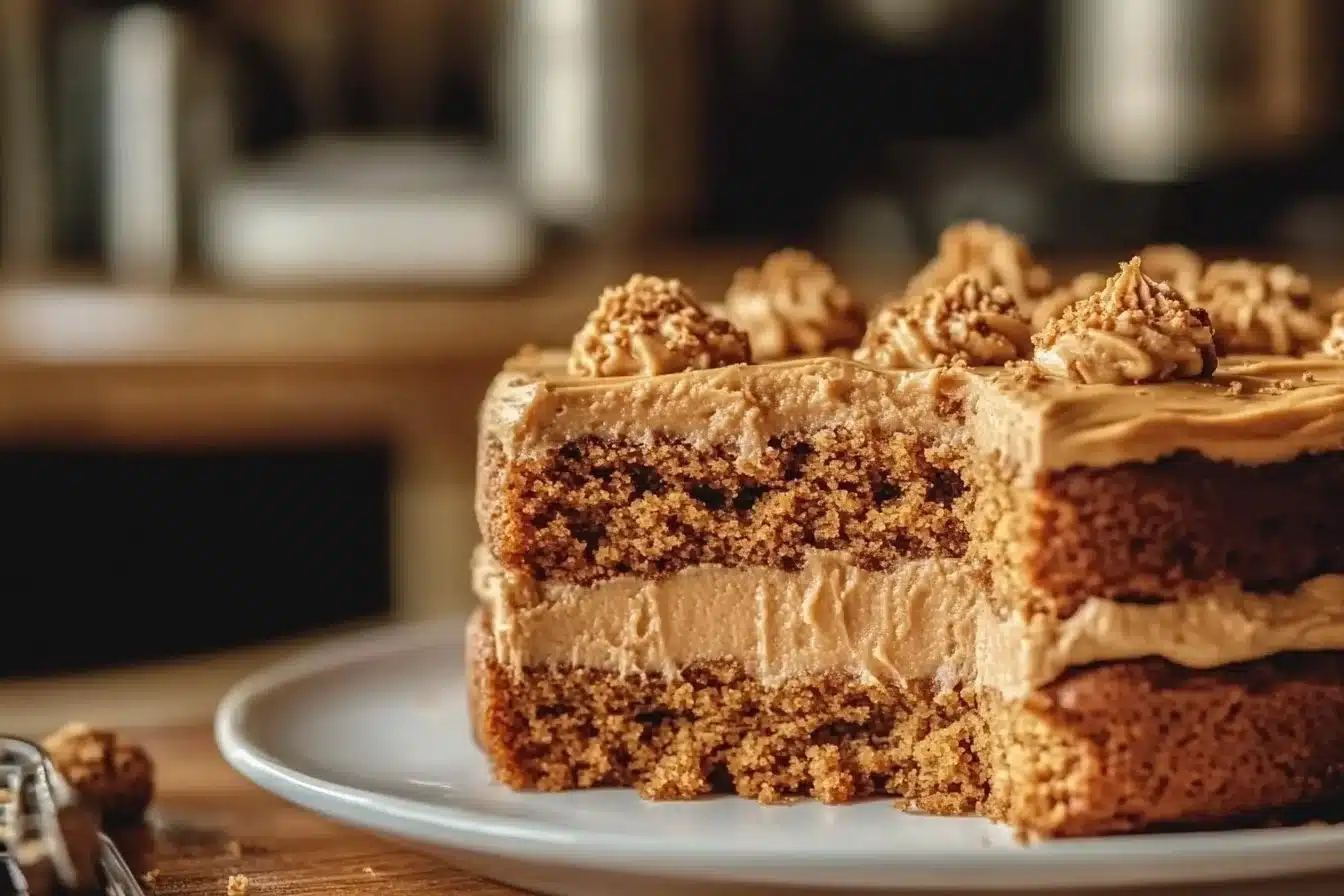
Serving Biscoff Cookie Butter Cake With Family Warmth
When I bring this cake to the table, I like to cut it into generous slices and arrange them on a plain white plate so the color and texture stand out. We often set the table without fuss, with mismatched forks and a pot of strong tea or a simple carafe of milk. My children like a bit of whipped cream and a sprinkle of crushed speculoos cookies on top, which adds a crunchy contrast to the soft cake.
If we are serving a larger meal, this cake pairs beautifully with light, fresh sides that let the dessert shine. A salad with citrus and pomegranate is a good foil, or a small cheese plate gives a grown-up counterpoint to the cake’s sweet spice. For a different kind of meal, I also set aside one night where we mix savory and sweet on the table, and I will sometimes include a strong fish dish like anchovy garlic butter salmon for those who love bold flavors alongside dessert. It sounds surprising at first, but the salty richness of a well-seasoned fish can be a lovely balance to a sweet, spiced cake.
For us the cake is not only dessert. It is also a treat for weekday breakfasts when the kids linger at the table before school. Leftover slices heat gently in a microwave for 10 to 15 seconds and feel almost like a new pastry. When guests come, I set out small plates, a dish of spoons, and conversation, because the cake asks for sharing and stories.
Storing Biscoff Cookie Butter Cake for Tomorrow
To keep the cake fresh, I wrap the layers tightly in plastic wrap once they are completely cool, and then I slide them into an airtight container. At room temperature the cake will keep well for two days, and the flavors become more melded and mellow as it rests, which I think makes slices taste even better the next day. If you need it to last longer, freeze wrapped layers for up to three months and thaw in the fridge overnight.
If the cake has frosting that is perishable, store it in the fridge on the middle shelf where the temperature stays steady. Bring slices to room temperature before serving so the buttery notes bloom again. For a quick reheat, a short turn in a warm oven for five to eight minutes revives texture and makes the top slightly crisp, which is a delight with a soft interior.
When sharing storage tips, I tell friends to label the wrapped cake with a date and a small note about frosting. This helps avoid mystery containers in the freezer and keeps the habit of baking feel like a friendly ritual rather than a chore.
Tips, Variations, and Troubleshooting
Frosting and Filling Ideas
A simple cream cheese frosting makes a lovely companion to the cookie butter flavor, adding tang and soft richness that cuts the sweetness. Beat softened cream cheese with a little butter, powdered sugar, and vanilla until smooth, then spread gently over the cooled cakes. If you prefer something lighter, fold whipped cream with a spoonful of cookie butter for a mousse-like topping that is airy and flavorful.
For a richer finish, use a browned butter buttercream. Brown the butter until it smells nutty and golden, cool it, then whip it with powdered sugar and a splash of vanilla. The caramel notes in browned butter marry well with Biscoff cookie butter and make the cake feel elegant while still staying homey.
Make It Into a Layered Showstopper
If you want to turn this into a more formal layer cake, bake the batter in three smaller pans or use cake strips for even layers. Chill the layers briefly before leveling so crumbs stay tidy when you stack. Brush each layer lightly with a thin sugar syrup or a coffee syrup to add moisture and a hint of depth that makes the cake sing.
Gluten-Free and Other Swaps
To make a gluten-free version, replace the all-purpose flour with a 1:1 gluten-free blend that contains xanthan gum. The texture will be slightly different, but the cookie butter and buttermilk still bring a lovely flavor. For dairy-free, swap the butter for a good plant-based spread and use a dairy-free milk combined with a teaspoon of vinegar for a quick buttermilk substitute.
If the batter feels heavy, check your leaveners. Old baking powder or soda can make a cake dense, so keep those fresh. Also, avoid overmixing once the flour goes in; folding until just combined keeps the crumb tender.
Fixing Common Problems
If the cake top cracks, it often means the oven was too hot or the pans sit too close to the top heating element. Move the rack to the center and lower the temperature by 10 degrees next time. If the cake sinks in the middle, it might have been underbaked or opened too early while still fragile. Bake until the toothpick comes out clean and resist opening the door in the final minutes.
For a cake that is too dry, try adding a tablespoon or two more of buttermilk next time and reduce baking time slightly. Also watch the edges; when they pull away from the pan just a little, it is a good cue that baking is nearly done.
Simple Decorations Kids Can Help With
Let children press crushed cookie pieces onto the frosting or sprinkle a little cinnamon sugar on top. We keep a small bowl of extra cookie butter and a spoon nearby so kids can swirl their own tiny dollops on each slice. These small tasks make them feel proud and keep baking rooted in family joy.
Equipment and Timing
You do not need fancy gear to make this cake. Two 9-inch round pans, a reliable oven, a large mixing bowl, and a sturdy spatula are enough. A stand mixer makes creaming the butter and cookie butter easy, but a hand mixer does the job well too. If you prefer to work by hand, take your time and keep the butter at the right softness so it creams smoothly.
Plan about 20 minutes to prepare the batter and arrange the pans, 25 to 30 minutes for baking, and at least an hour for cooling before frosting. If you choose to make frosting, add another 15 to 30 minutes depending on the recipe. Baking is not a race; the quiet time waiting for the cake to cool is an opportunity to tidy up, set the table, or make a pot of tea.
Using Leftovers and Sneaky Treats
Leftover cake makes a wonderful morning treat. Crumble a slice into a bowl with yogurt and a drizzle of honey for a quick breakfast that feels special. You can also pulse crumbs with a little melted butter to make a quick crust for a no-bake tart, or layer slices with whipped cream and fruit in a trifle dish for a make-ahead dessert.
I like to turn thin slices into toasted mini sandwiches. Spread a little extra cookie butter between slices and gently press in a hot pan for a minute on each side until golden; the outside becomes crisp and the inside melts just enough. This is a favorite for school lunch boxes or for a late-night treat with tea.
If the cake is too sweet for your taste after sitting overnight, a small pinch of sea salt on each slice can balance the flavors. Salt draws out the caramel notes without hiding the cake’s warmth.
Baking With Kids and Little Helpers
Baking this cake is a lovely way to teach kids about measuring and patience. Assign small tasks like counting eggs, stirring until smooth, or lining the pans. I always explain why we do certain steps so they learn the cause and effect of baking: too much stirring makes a dense cake, and warm ingredients blend better.
Create a little station for them with a small bowl, spatula, and an apron. Offer praise for small wins, and keep a towel handy for spills. When a recipe feels kind and manageable, kids gain confidence and the kitchen becomes a place of learning and laughter.
Frequently Asked Questions
What if I only have one pan? Bake the batter in that pan and extend the time by 10 to 15 minutes, checking with a toothpick. Cool the cake fully before slicing it in half to make layers.
Can I make this in a loaf pan? Yes. Reduce bake time a bit and check for doneness early. The cake will be slightly denser but still delicious.
How do I keep my frosting from sliding? Make sure the cake is fully cool and the frosting has enough body. Chill the cake briefly if the kitchen is warm, and apply a thin crumb coat before the final layer.
Final Thoughts
This Biscoff Cookie Butter Cake is my kind of baking: simple ingredients, honest flavor, and lots of room for small family rituals. It feeds more than appetites; it invites conversation and a slow, shared moment that turns ordinary days into memories.
I hope this recipe finds a place on your table and becomes part of your family’s small traditions. When you bake it, take a breath and notice the smell that fills the room. It will remind you that the heart of home cooking often lives in these gentle, repeatable acts performed with care and love.
Print
Biscoff Cookie Butter Cake
- Total Time: 50 minutes
- Yield: 8 servings 1x
- Diet: Vegetarian
Description
A warm, comforting cake infused with Biscoff cookie butter, perfect for sharing with family and friends.
Ingredients
- 1 cup Biscoff cookie butter
- 1/2 cup unsalted butter, softened
- 1 cup granulated sugar
- 3 large eggs
- 1 teaspoon vanilla extract
- 2 cups all-purpose flour
- 1 teaspoon baking powder
- 1/2 teaspoon baking soda
- 1/4 teaspoon salt
- 1 cup buttermilk
- a little extra vanilla if desired
Instructions
- Preheat your oven to 350°F (175°C). Grease and flour two 9-inch round cake pans.
- Cream together the Biscoff cookie butter, softened butter, and sugar until light and fluffy.
- Beat in the eggs one at a time, then stir in the vanilla extract.
- In another bowl, whisk together the flour, baking powder, baking soda, and salt.
- Gradually add the dry ingredients to the wet mixture, alternating with the buttermilk, starting and ending with the flour mixture. Mix until just combined.
- Divide the batter evenly between the prepared pans and tap gently on the counter to level the tops.
- Bake in the preheated oven for 25-30 minutes, or until a toothpick inserted into the center comes out clean.
- Allow the cakes to cool in the pans for 10 minutes, then turn them out onto wire racks to cool completely.
- Frost with your choice of frosting or serve with a dollop of whipped cream.
Notes
This cake can be stored for up to two days at room temperature in an airtight container. For longer storage, freeze wrapped layers for up to three months.
- Prep Time: 20 minutes
- Cook Time: 30 minutes
- Category: Dessert
- Method: Baking
- Cuisine: American
Nutrition
- Serving Size: 1 slice
- Calories: 350
- Sugar: 25g
- Sodium: 300mg
- Fat: 15g
- Saturated Fat: 8g
- Unsaturated Fat: 6g
- Trans Fat: 0g
- Carbohydrates: 45g
- Fiber: 2g
- Protein: 5g
- Cholesterol: 80mg
Keywords: Biscoff, Cookie Butter, Cake, Dessert, Family Recipe, Easy Baking