The smell of warm spices and sweet carrots coming from the oven is a kind of language in our house, one that says slow down and stay a while. I remember the first time I baked this Carrot Cake Loaf for my little ones, the way the kitchen filled with cinnamon and a soft, toasty sweetness that made everyone pause their play and come closer. It feels like a small ritual now, something I turn to on rainy afternoons and sunlit weekends alike, and sometimes I pair it with a stack of pancakes from a favorite banana pancakes recipe when mornings ask for both comfort and celebration.
Why This Carrot Cake Loaf Still Feels Like Home
This loaf has a way of closing the day with a gentle hug. It is not fussy. It asks for simple bowls, honest hands, and a little patience while the oven does its work. The first time I made it I was trying to use up a bounty of carrots from a neighbour, and the kitchen soon smelled like an old memory I could not place. It reminded me of visits to my grandmother, where food was language and each recipe carried a story. That comfort lives in every slice of this Carrot Cake Loaf.
Food in our house is often about rhythm. The rhythm here begins with the scrape of a grater and ends with a soft, cream cheese kiss on top. Children learn through touch and smell. They learn how sticky batter clings to a spoon and how the edges of a loaf tell you when a cake is ready. Over time, this Carrot Cake Loaf became our quiet family tradition. We bring it to picnics and school mornings, to last-minute guests and to afternoons when someone needs a little cheering up.
Baking a loaf like this also teaches a gentle kind of confidence. You do not need a special pan or a perfect day. You need a few good ingredients, a clean counter, and the willingness to make something for someone else. It has become my go-to when I want to show care without fuss. Some of my friends pair it with tea, others like it warmed with a smear of butter. If you enjoy the idea of weeknight comforts that become family stories, this loaf will settle in your kitchen much like it did in ours.
The Story Behind Our Favorite Carrot Cake Loaf
There is a small, stubborn pride in recipes that are handed down and slightly changed with each new cook. My version of Carrot Cake Loaf grew from a long line of cakes we have loved at home, borrowing warmth and a tender crumb from old favorites. I keep other cake recipes in my mind for inspiration, like a rich log I once made at the holidays that taught me how balancing sugar and cream changes everything. If you like experimenting with special holiday bakes, a festive take like a chocolate yule log cake recipe can show you how decoration and texture play together.
There are so many ways to make a cake feel like a gift. For us, the Carrot Cake Loaf became that gift the moment I added unsweetened applesauce to the batter one week and noticed how it made the crumb sing with moisture. That small change made the loaf forgiving, friendly to beginners, and reliable on busy days. Sometimes family recipes become gentle experiments, and what matters is how the kitchen responds. This loaf answers with soft crumbs, sweet-spicy scent, and a glaze that makes everyone smile.
When friends come over they always ask about the story behind my loaves. I tell them it started with a need to turn a simple vegetable into something indulgent. We laugh about the day my son helped grate carrots and ended up wearing more than he dropped into the bowl. Those moments are the real recipe. They are why I reach for this loaf on mornings when the house feels too big or days when someone needs a small celebration.
How to Make Carrot Cake Loaf
“Every time I stir this pot, it smells just like Sunday at home.”
Making this Carrot Cake Loaf is a gentle rhythm. The colours change from bright orange shreds to a golden batter, and the house fills with cinnamon and a nutmeg warmth that slows everything down. I like to set out my grater, a large mixing bowl, and a wooden spoon, and take a breath before I begin. The act of measuring and stirring has always felt like a small, calming ceremony for me.
Start by gathering everything in one place. The sugars, the oil, the applesauce, and the eggs all come together quickly, and the dry ingredients follow like a soft drum. When the flour blends into the wet mix, stir until the batter looks cohesive and glossy, and then fold in the grated carrots. You will notice a change in texture and feel the batter thicken; it is your cue that the loaf is almost ready for the pan.
Baking is the part where patience pays off. The aroma that fills your kitchen as the loaf bakes is part of the reward. Wait for the edges to turn golden and for the center to pass the toothpick test. Once cooled, the cream cheese glaze is simple but transformative. Whip it smooth and let it drizzle. The final result should be a loaf that is tender inside with a slightly firmer crust, and a glaze that brightens each slice.
Ingredients You’ll Need
2 cups grated carrots
1 cup sugar
1/2 cup brown sugar
1/2 cup vegetable oil
1/2 cup unsweetened applesauce
3 large eggs
2 cups all-purpose flour
1 teaspoon baking powder
1 teaspoon baking soda
1 teaspoon ground cinnamon
1/2 teaspoon salt
1/4 teaspoon ground nutmeg
1/4 teaspoon ground ginger
1 cup cream cheese (for glaze)
1/2 cup powdered sugar (for glaze)
1 teaspoon vanilla extract (for glaze)
A little note about ingredients that feels like a friendly whisper. If you love a cozy aroma, a little extra vanilla in the glaze will make it smell like a warm kitchen hug. Freshly grated carrots give the loaf a bright, moist texture, so if you have time to grate them by hand the texture will be more lively. Brown sugar brings a caramel warmth that plays nicely with the spices, and unsweetened applesauce keeps the loaf soft without adding too much sweetness.
If you ever find yourself without one of the candies of the pantry, do not worry. Swap what you must with kindness. A neutral oil works best, but melted butter can deepen the flavor if you prefer its richness. The spices are forgiving. You can soften or sharpen them by a little, adjusting to your taste and to what memories you want the loaf to bring.
Step-by-Step Directions
Preheat your oven to 350°F (175°C) and grease a loaf pan.
Take this moment to line the pan with parchment if you like an easy pull. The oven should be warm and ready so the batter goes in straight away and begins to set.In a large bowl, whisk together the sugars, oil, applesauce, and eggs until smooth.
Whisk until the mixture looks glossy and a little ribbon forms when the whisk lifts, which means the wet ingredients are well combined.Add the grated carrots and mix well.
Fold the carrots in until they are evenly distributed and the batter turns speckled with orange. You will see the batter thicken and smell spice beginning to come through.In another bowl, combine the flour, baking powder, baking soda, cinnamon, salt, nutmeg, and ginger.
Sift or whisk these dry ingredients together so the spices and leaveners blend, giving the loaf a uniform lift and flavour.Gradually add the dry ingredients to the wet ingredients, stirring until just combined.
Stir gently until the batter is cohesive; do not overmix or the loaf can become dense. Look for a smooth batter with visible flecks of carrot.Pour the batter into the prepared loaf pan and smooth the top.
Tap the pan lightly on the counter to settle bubbles and make the surface even. Breathe in the lovely aroma and wipe a stray drip from the edge.Bake for 50-60 minutes or until a toothpick inserted into the center comes out clean.
Wait for the edges to pull away slightly from the pan and the top to turn a gentle golden brown as you check. The kitchen will begin to smell warm and familiar.For the glaze, beat the cream cheese with powdered sugar and vanilla until smooth.
Make sure the cream cheese is soft to avoid lumps; beat until the glaze is silky and has a spoonable consistency that will drizzle and hold.Allow the cake to cool before drizzling the cream cheese glaze on top.
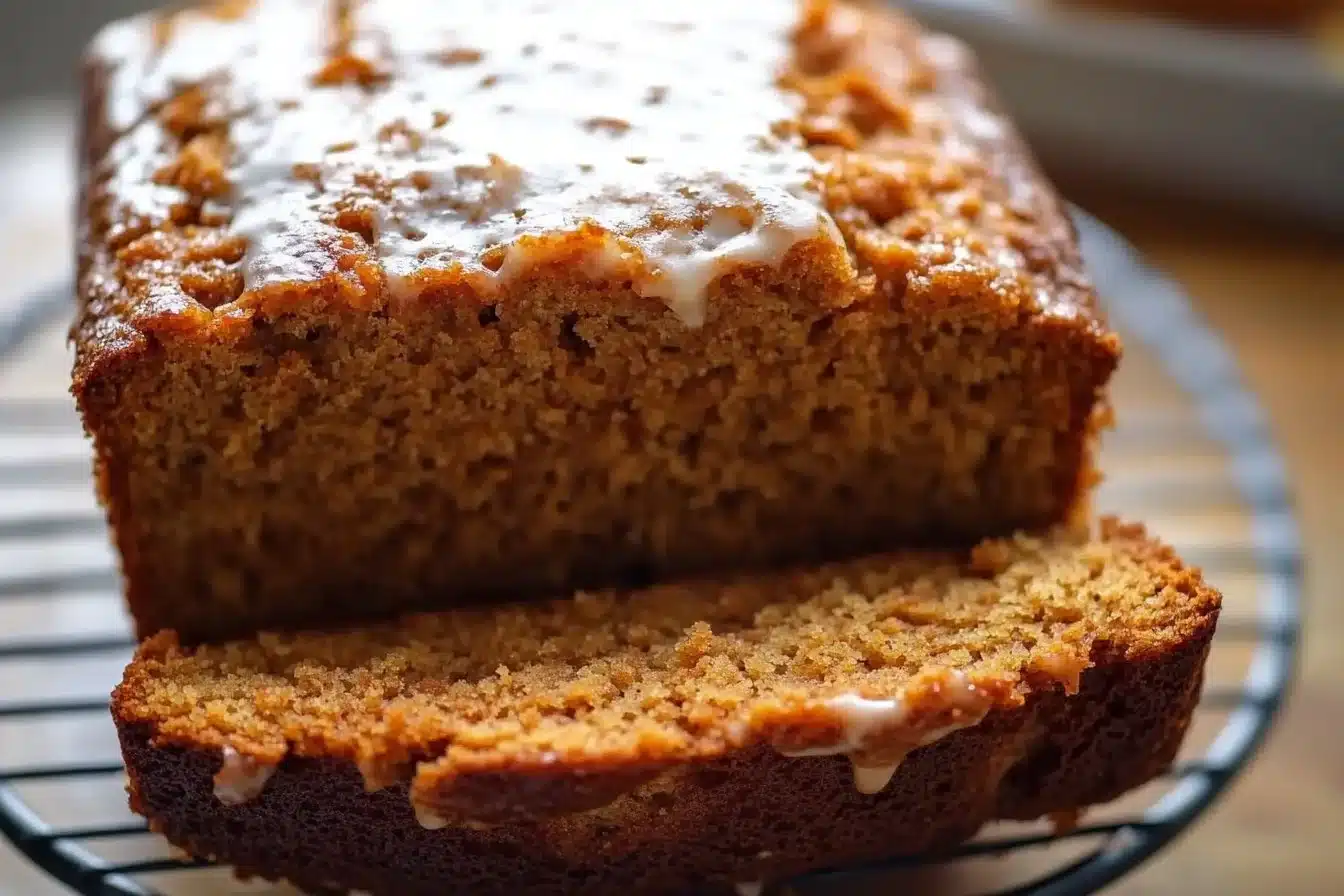
When the loaf is cool enough, spoon the glaze so it cascades in soft ribbons; a thin drizzle will set quickly and a thicker coat will create a tender, sweet top.
Bringing Carrot Cake Loaf Together in the Kitchen
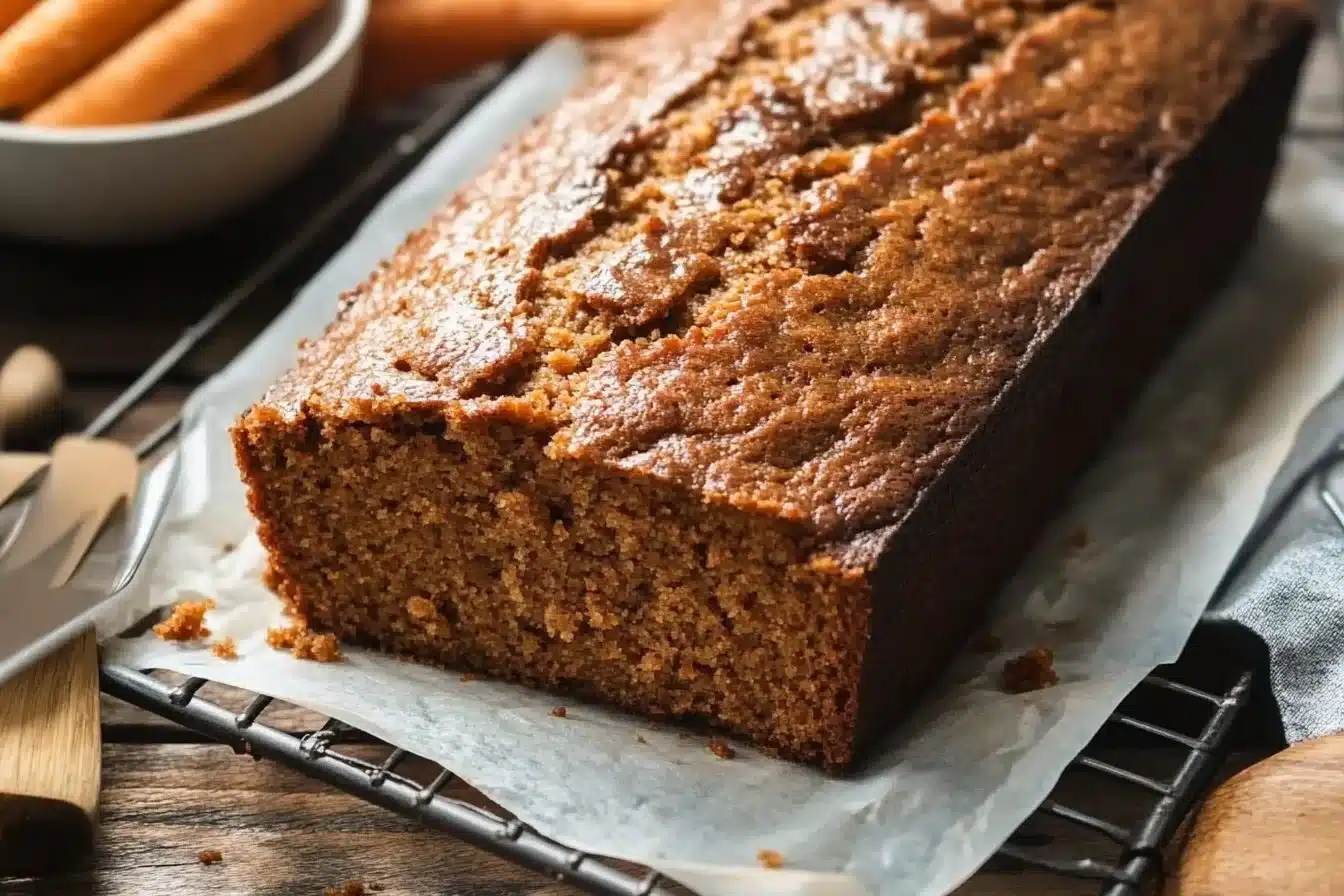
The most satisfying part is the moment when everything clicks. You will notice small signs that tell you the loaf is just right. When you press the top gently with a fingertip it should spring back. When you slice it, the crumbs should be tender and moist, not crumbly or dry. These are the little successes that make the time at the counter worth it.
Texture here is a wonder. The grated carrots give a delicate moistness and little bursts of freshness. The applesauce keeps things tender so even a day later the loaf still feels like it was baked that morning. The spices should be warm but not overpowering, weaving themselves into the caramel notes from the brown sugar. When you bite into a slice, you want to feel soft, bright, and a faint chew from the carrots that says this is a cake with heart.
In my kitchen, making this loaf is a family affair when I can manage it. Someone grates, someone measures, someone washes up. Involving little ones teaches them the feel of ingredients and the rhythm of steps. It creates a shared memory that matters as much as the final taste. I encourage you to invite help when you can; it makes the loaf taste sweeter.
Serving Carrot Cake Loaf With Family Warmth
We slice this loaf thick, and sometimes we toast a slice gently in the oven for a minute to warm the glaze. It is a simple way to make a weekday moment feel like a tiny celebration. I like to place a slice on a small plate, add a spoonful of plain yogurt or a dollop of whipped cream, and watch faces brighten as the first bite brings comfort.
When guests come over, I sometimes pair a slice with other small treats to make a simple spread. Little bowls of fresh fruit, a pot of tea, or a quick jam can balance the loaf’s sweetness. It is also lovely alongside smaller baked goods when you want to offer variety. If you enjoy baking different treats for gatherings, a light, airy simple cupcake recipe makes a pretty companion and lets everyone pick their favourite.
Traditions make meals feel anchored. For us, the Carrot Cake Loaf often appears on Sunday afternoons when someone has time to linger. We cut it into thick slices and pass plates around the table, sometimes sharing a memory along with the cake. These small rituals are why I bake: not for perfection, but for the ease of sharing and the comfort of familiar flavors.
Variations That Keep It Fresh and Kind
There are moments when I want the loaf to feel a little different without changing its heart. Adding a handful of chopped walnuts or toasted pecans gives a gentle crunch. A small cup of raisins or chopped dates folded into the batter brings a chewy, rustic sweetness. For a citrus lift, a little orange zest in the glaze brightens the overall flavor and complements the spice.
If you prefer a lighter glaze, mix the cream cheese with a little Greek yogurt to thin it and add a tang. For a dairy-free option, use a plant-based cream cheese alternative and a touch of maple syrup for sweetness. These changes make the loaf welcoming to different diets while keeping the same kind, homey texture we love.
I often encourage readers to experiment in small ways. Try adding a teaspoon of cardamom for a warm, floral note, or fold in a quarter cup of coconut flakes for a tropical whisper. Each slight change tells a different family story, and that is the beauty of a recipe that belongs in a real kitchen.
Tips from My Kitchen That Make a Big Difference
Keep your carrots freshly grated for the best texture. Pre-shredded carrots are convenient, but hand-grating gives a brighter, moister crumb that transforms the loaf. If you grate a large batch, store some in the fridge wrapped in a towel to use over a couple of days for other baked goods.
Another small tip is to measure your flour correctly. Spoon it into your measuring cup and level it off rather than scooping directly from the bag. Too much flour can make your loaf heavy. Also, allow your eggs to come to room temperature before mixing for a more even batter.
If you want a loaf with a perfect dome, fill the pan no more than two thirds full and give the pan a light tap to release air pockets. Watch the loaf during the last ten minutes of baking. Ovens vary, and a slight change in time can mean the difference between a pale, underbaked center and a evenly baked loaf. Trust your senses: sight, touch, and the warm smell that says it is ready.
How to Save Leftovers and Keep the Flavors Bright
Leftover slices wrapped carefully will stay tender for a few days at room temperature, and longer if covered and refrigerated. I like to keep a slice on the counter for a day or two for quick breakfasts, and then move the rest to the fridge wrapped in wax paper and foil. The spices mellow over time and the loaf becomes almost more comforting the next day.
If you want to freeze slices, wrap each slice individually and stack them in a tight container. When you pull one out, let it thaw on the counter and then warm it for a minute in the oven or microwave for that freshly-baked feel. This loaf also keeps well when made ahead for parties or school lunches, so it is a handy recipe for planning.
Sometimes different kinds of cakes require different storage ideas. For loaves with fruit or firmer glazes, I find a tight container helps maintain moisture. If you enjoy baking other loaf cakes, try to line them up in your freezer and you will have a small library of treats ready for unexpected guests. A fruit-flecked loaf like a tangy feijoa cake freezes nicely and offers a lovely contrast to richer spiced loaves.
Troubleshooting Gentle Problems
If your loaf comes out dry, it is usually a sign of too much flour or too long in the oven. Next time, check the toothpick a little sooner and consider reducing the flour by a tablespoon or two if your measuring tends to be heavy. If the center sinks, that can mean the oven temperature was too high or the batter was overmixed. Learn the signs and adjust gently.
If the glaze is too runny, add more powdered sugar a tablespoon at a time until it reaches the consistency you like. If it is too thick, a splash of milk or cream will loosen it. The glaze is forgiving and a good place to practice small adjustments using your senses and taste.
When spices feel too weak, remember you can freshen the loaf with a pinch more in the batter the next time. Fresh spices are worth keeping on hand. They make a tangible difference in aroma and flavor, and a small jar of good cinnamon can lift the whole loaf.
Bringing It to Gatherings and Small Celebrations
This loaf is a simple, honest thing to bring when you want to show care. It travels well and does not need much fuss at the table. Wrap it in parchment and tie with a piece of string for a sweet gift, or slice it at home and place it on a pretty plate with a sprig of herbs for a small touch of hospitality.
When we share it at potlucks, I like to slice it ahead and arrange it on a tray so anyone can take a piece without a fuss. It feels good to offer food that is both familiar and comforting. If you are hosting a brunch, putting the loaf in a basket beside fruit and jam creates a warm, inviting spread.
For families who enjoy pairing recipes, a small plate of sliced loaf with a light salad or a bowl of stewed fruit is a lovely way to serve. Different cultures have different ways of enjoying sweet breads and loaves, and I always love hearing how readers make this recipe their own.
Final Practical Notes on Baking with Heart
Baking is less about perfection and more about the way the house smells and the people who gather. This Carrot Cake Loaf is a simple vessel for kindness. It is forgiving enough for beginners and interesting enough for cooks who like to tweak details. Use it as a base, and add your own small touches that tell your family story.
If you keep a notebook of recipes, jot down what you changed and how it turned out. Little notes about oven quirks or favourite mix-ins will make each next loaf better. In the end, the best measure of success is a shared slice, a smile, and a memory made in a real kitchen with real people. For more cake ideas and recipes that make home feel like home, explore a collection of cake and dessert ideas that I turn to when I want to try something new.
Print
Carrot Cake Loaf
- Total Time: 75 minutes
- Yield: 10 servings 1x
- Diet: Vegetarian
Description
A comforting and moist carrot cake loaf filled with warm spices, ideal for any occasion.
Ingredients
- 2 cups grated carrots
- 1 cup sugar
- 1/2 cup brown sugar
- 1/2 cup vegetable oil
- 1/2 cup unsweetened applesauce
- 3 large eggs
- 2 cups all-purpose flour
- 1 teaspoon baking powder
- 1 teaspoon baking soda
- 1 teaspoon ground cinnamon
- 1/2 teaspoon salt
- 1/4 teaspoon ground nutmeg
- 1/4 teaspoon ground ginger
- 1 cup cream cheese (for glaze)
- 1/2 cup powdered sugar (for glaze)
- 1 teaspoon vanilla extract (for glaze)
Instructions
- Preheat your oven to 350°F (175°C) and grease a loaf pan.
- In a large bowl, whisk together the sugars, oil, applesauce, and eggs until smooth.
- Add the grated carrots and mix well.
- In another bowl, combine the flour, baking powder, baking soda, cinnamon, salt, nutmeg, and ginger.
- Gradually add the dry ingredients to the wet ingredients, stirring until just combined.
- Pour the batter into the prepared loaf pan and smooth the top.
- Bake for 50-60 minutes or until a toothpick inserted into the center comes out clean.
- For the glaze, beat the cream cheese with powdered sugar and vanilla until smooth.
- Allow the cake to cool before drizzling the cream cheese glaze on top.
Notes
Freshly grated carrots provide the best texture. You can adjust the spices according to your taste. If you are missing an ingredient, consider making substitutions based on what you have available.
- Prep Time: 15 minutes
- Cook Time: 60 minutes
- Category: Dessert
- Method: Baking
- Cuisine: American
Nutrition
- Serving Size: 1 slice
- Calories: 320
- Sugar: 22g
- Sodium: 300mg
- Fat: 15g
- Saturated Fat: 6g
- Unsaturated Fat: 7g
- Trans Fat: 0g
- Carbohydrates: 45g
- Fiber: 2g
- Protein: 4g
- Cholesterol: 35mg
Keywords: carrot cake, loaf cake, baking, dessert, comfort food