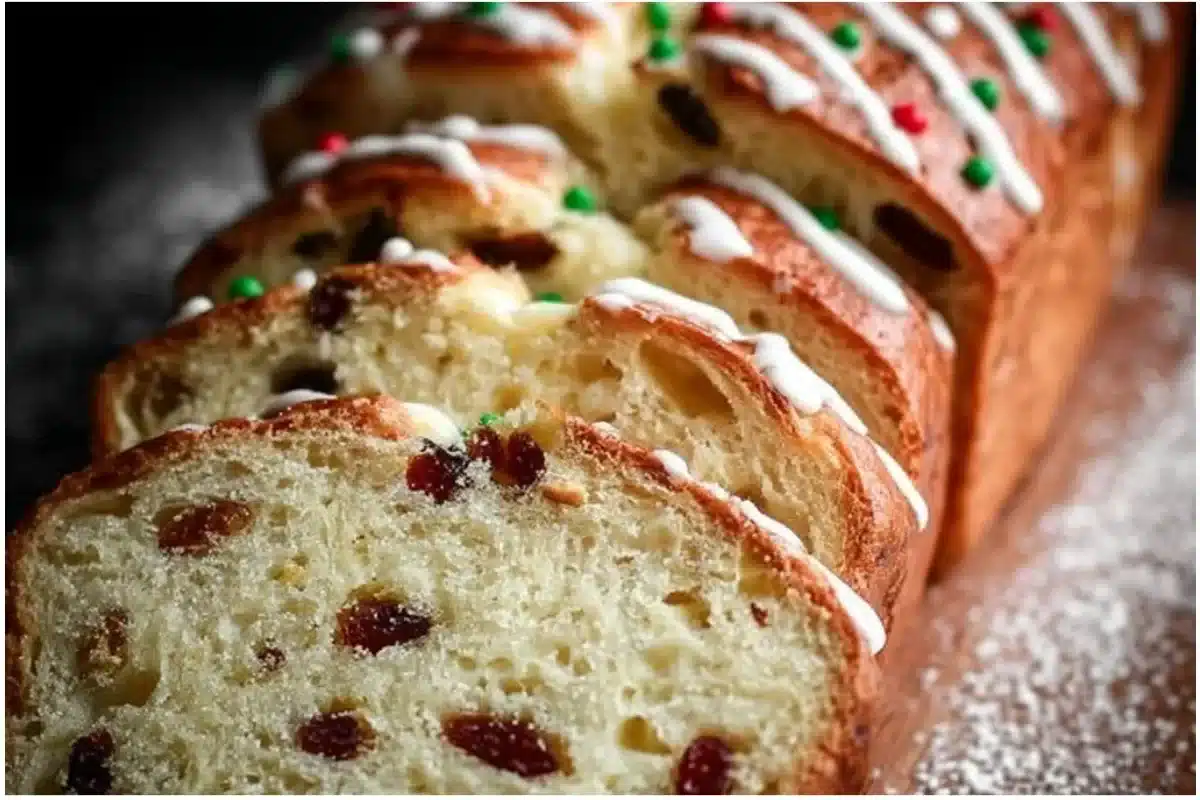
The holiday season brings with it the joys of gathering, sharing, and of course, feasting. Among the many treats that fill our tables during this time, Christmas Bread stands out as a festive classic. Crafted with love, this bread often holds family traditions and stories, making it a centerpiece at holiday feasts. Whether you’re planning a Christmas brunch or looking for the perfect gift from your kitchen, this recipe can elevate your holiday experience.
In this comprehensive guide, we will explore everything from the rich history and cultural significance of Christmas Bread to a detailed recipe that’s easy to master. You’ll discover ingredient breakdowns, cooking methods, variations, and tips for beautifully storing and serving this holiday favorite. So, roll up your sleeves and get ready to bake up some festive cheer!
The Meaning Behind Christmas Bread
Christmas Bread is more than just a delicious baked good; it often symbolizes warmth, community, and the spirit of giving. Various cultures have their unique takes on holiday bread. For instance, traditional German stollen is filled with spices and dried fruits, while Italian Panettone is light and fluffy, loaded with candied fruits. Each recipe carries its rich history and significance, reflecting the customs of its origin.
A Cultural Exploration of Christmas Bread
Christmas Bread varies from region to region.
- Panettone in Italy is renowned for its dome shape and is filled with raisins and candied fruits. This bread is often served with sweet wine.
- In Germany, Stollen is a fruit bread made with nuts, spices, and dried or candied fruit. It’s usually dusted with powdered sugar, resembling a snow-laden landscape, further enhancing its festive appeal.
- The Babka from Eastern Europe features a sweet yeast dough swirled with chocolate or cinnamon, beautifully braided for a stunning presentation.
Knowing these variations not only enriches your baking experience but also allows you to incorporate diverse flavors and traditions into your holiday celebrations.
Ingredient Breakdown: The Science Behind the Bread
Creating the perfect Christmas Bread requires understanding the key ingredients and their roles in bread-making.
- Flour: All-purpose flour is commonly used for its balance of protein and gluten levels, giving the bread its structure. For a denser texture, you can opt for bread flour.
- Yeast: Fresh yeast is best for achieving a fluffy texture, but active dry yeast can also be used. It ferments the dough, creating carbon dioxide that causes the bread to rise.
- Sugar: Adds sweetness and aids in browning. A little sugar can also help activate the yeast, leading to better fermentation.
- Butter: Rich in flavor and moisture, butter contributes to the bread’s tenderness and adds a hint of flavor that elevates the entire dish.
- Milk: Using whole milk adds richness and enhances the creamy texture. Its fats help in producing a soft and moist crumb.
- Eggs: Provide structure, stability, and color. They also add richness and contribute to the bread’s overall flavor.
- Spices and Flavorings: Classic spices include cinnamon, nutmeg, and vanilla. Dried fruits like cranberries, raisins, and apricots add bursts of flavor and visual appeal.
The interaction of these ingredients is crucial in developing the right texture and taste. Experimenting with different types of flour or sugar can yield interesting results, too.
Step-By-Step Method: How to Bake Christmas Bread
Let’s dive into the process of making a delightful Christmas Bread. Here’s a classic recipe that you can customize with your favorite spices and fillings.
Ingredients
- 4 cups all-purpose flour
- 2 tablespoons active dry yeast
- 1/2 cup granulated sugar
- 1 teaspoon salt
- 1 teaspoon ground cinnamon
- 1/2 teaspoon ground nutmeg
- 1/4 cup unsalted butter, melted
- 1 cup whole milk, warmed
- 2 large eggs
- 1 cup mixed dried fruits (raisins, cranberries, apricots)
- 1 teaspoon vanilla extract
- Optional: Glaze (powdered sugar mixed with milk) for added sweetness
Directions
- Prep the Yeast: In a small bowl, combine warm milk, yeast, and a teaspoon of sugar. Allow it to sit for 5–10 minutes until frothy.
- Mix Dry Ingredients: In a large mixing bowl, whisk together flour, sugar, salt, and spices.
- Combine Wet Ingredients: Create a well in the dry ingredients and add the melted butter, eggs, vanilla extract, and the yeast mixture.
- Knead the Dough: Mix until a shaggy dough forms. Transfer the dough to a floured surface and knead for about 8–10 minutes, until it’s smooth and elastic.
- First Rise: Place the dough in a greased bowl, cover it with a damp cloth, and let it rise in a warm place for about 1–2 hours, or until it doubles in size.
- Add Dried Fruits: Once risen, punch down the dough and incorporate the dried fruits evenly throughout.
- Shape the Dough: Shape the dough into a loaf or divide it into smaller portions for individual breads. Place in greased loaf pans or on a baking sheet lined with parchment paper.
- Second Rise: Cover the shaped doughs with a cloth and let them rise again for about 30–45 minutes.
- Preheat the Oven: While the dough rises, preheat your oven to 350°F (175°C).
- Bake: Bake for 30–35 minutes or until golden brown and a toothpick inserted into the center comes out clean.
- Cool and Glaze: Allow the bread to cool slightly before applying a glaze of powdered sugar and milk, if desired.
Pro Tips for Perfecting Your Christmas Bread
- Proper Proofing: Make sure to proof the dough in a warm environment. If your kitchen is cool, the dough may not rise properly. You can create a warm area by placing the dough in an oven turned off, with the light on.
- Texture Check: If your dough is too sticky, add a bit more flour gradually. Conversely, if it’s too dry, a splash of milk or water can help.
- Flavor Variations: Feel free to experiment with different spice blends including cardamom, ginger, or even citrus zest for a bright touch.
- Filling Ideas: Consider adding a cream cheese filling or chocolate chips for a twist on traditional Christmas Bread.
Storage and Reheating Tips
After the festivities, you might have some bread left. Proper storage can help maintain its flavor.
- Room Temperature: Keep the bread wrapped in plastic or stored in an airtight container at room temperature for up to 3 days.
- Refrigeration: You can refrigerate for longer freshness; however, it might dry out, so ensure it is sealed tightly.
- Freezing: For longer storage, slice and freeze pieces of the bread. Wrap them in plastic wrap and store in a zip-top bag. They’ll stay fresh for about 3 months.
- Reheating: To enjoy your Christmas Bread warm, place slices in a toaster or microwave briefly. You can also wrap it in foil and warm it in the oven.
Nutritional Insights
Homemade Christmas Bread can be a more wholesome option compared to store-bought varieties. Here’s a look at its nutritional benefits:
- Whole Grains: Opt for whole wheat flour to increase fiber content, promoting digestive health.
- Low Sugar Alternatives: Use natural sweeteners like honey or maple syrup to reduce sugar intake.
- Fruit Options: Dried fruits provide vitamins and minerals, adding nutritional value while enhancing flavor.
However, as with any festive treat, moderation is key—especially if you’re indulging in the rich flavors often associated with the holidays.
FAQs About Christmas Bread
What makes Christmas Bread different from regular bread?
Christmas Bread often incorporates spices, dried fruits, and sometimes nuts, making it sweeter and richer than everyday loaves.
Can I make Christmas Bread without eggs?
Yes! You can use applesauce, mashed bananas, or flaxseed meal mixed with water as egg replacements to maintain moisture and binding.
How can I add a personal touch to my Christmas Bread?
Consider infusing your bread with family traditions. Add favorite spices, nuts, or a fruit mix that resonates with your personal holiday experiences.
What’s the best way to serve Christmas Bread?
Christmas Bread is delightful on its own or paired with butter, jellies, or cream cheese spread. It can also be served as a sweet treat with coffee or tea.
Conclusion: Bake Your Own Holiday Tradition
Christmas Bread is more than just a recipe; it’s a canvas for your creativity and a way to create lasting memories. With its historical roots and a plethora of variations to explore, baking this festive bread can become a cherished ritual for you and your loved ones.
Now it’s time to roll up your sleeves and make this holiday season one to remember. Prepare to fill your home with the aromas of baking spice and enjoy:
- The laughter of family gathered around the kitchen
- The warmth of shared experiences
- And the delicious taste of freshly baked bread.
As you gather your ingredients, consider saving this article for easy reference throughout the winter months to come, and don’t forget to share your Christmas Bread adventures with friends and family!