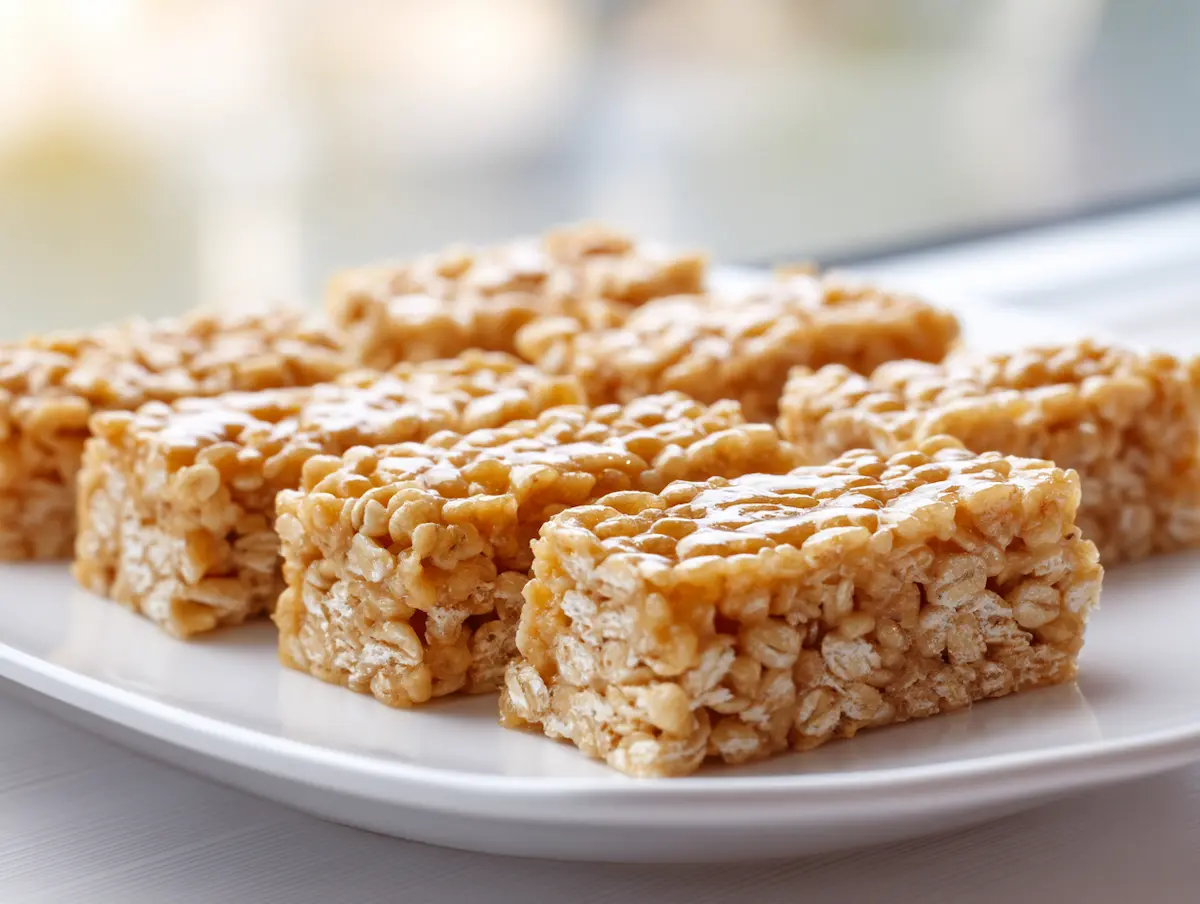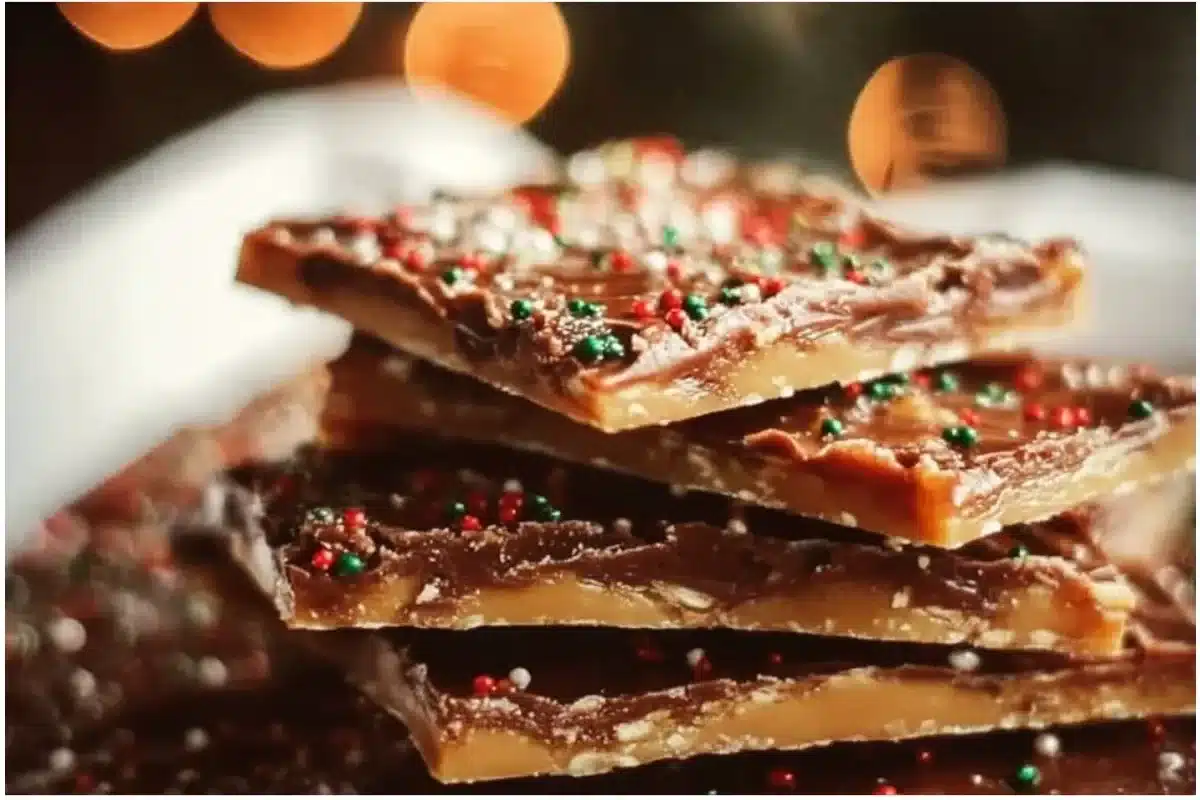
The name sounds cheeky, but this holiday candy is seriously addictive. Christmas Crack — a thin layer of buttery toffee on saltine crackers topped with melted chocolate and festive sprinkles — is one of those recipes people beg you for at potlucks. It’s fast, forgiving, and scales easily, which is why it shows up in cookie exchanges, school fundraisers, and after-dinner platters every December.
If you want a dependable method that consistently produces crisp crackers, shiny chocolate, and clean breakable bars — plus smart troubleshooting, creative variations, and storage best practices — you’re in the right place. For a ready-made quick reference, check out this classic Christmas Crack recipe from our site.
What you’ll learn in this guide
- Exactly what Christmas Crack is and why the technique matters
- Ingredient science so you can tweak like a pro
- A clear, step-by-step recipe card with timing and yield
- Pro tips and common mistakes (and how to fix them)
- 10+ variations and topping swaps for every occasion
- Storage, reheating, and how to keep it crunchy
- Nutrition and portion-control insights
- FAQs to cover the questions your guests will ask
Let’s get to the pan.
What is Christmas Crack (and why it works)
Christmas Crack is a sweet-salty candy made by layering saltine crackers (or similar thin crackers) in a single layer on a baking sheet, pouring a hot caramel-toffee mixture over them so the crackers are coated, then baking briefly to set the toffee and finishing with melted chocolate and toppings.
Why it’s addictive:
- Contrast of textures — crisp cracker, firm but brittle toffee, smooth chocolate
- Saltiness from the cracker cuts the sugar, brightening the flavors
- Visual appeal — glossy chocolate with colorful sprinkles or chopped nuts creates a festive treat
This is a technique-driven candy: get the toffee temperature and baking time right and you’ll get clean, snappable pieces every time. The recipe is quick (about 20–30 minutes active), freezes well, and scales from a small family batch to large cookie exchange trays.
Print
Christmas Crack — Ultimate Saltine Toffee Recipe
- Total Time: 30 minutes
- Yield: 48 pieces 1x
- Diet: Vegetarian
Description
Make perfect Christmas Crack (saltine toffee) with our step-by-step recipe, science-backed tips, variations, and storage advice.
Ingredients
- 40–50 saltine crackers
- 1 cup (2 sticks / 226 g) unsalted butter
- 1 cup granulated sugar
- 2 tbsp light corn syrup (optional)
- 1/2 tsp fine sea salt
- 10–12 oz (280–340 g) semisweet chocolate chips or chopped chocolate
- 1/2 cup chopped pecans (or other nuts), optional
- 2 tbsp crushed candy canes or sprinkles, optional
Instructions
- Preheat oven to 350°F (175°C) and line a quarter-sheet pan with foil or parchment.
- Arrange the saltine crackers in a single layer on the baking sheet.
- In a saucepan, melt the butter, then add the sugar and corn syrup, stirring until dissolved. Bring to a boil until it reaches 285–300°F (135–149°C).
- Pour the hot toffee evenly over the crackers and bake for 5–8 minutes until bubbling.
- Sprinkle chocolate over the hot toffee and let sit for 2–3 minutes to melt. Spread into an even layer.
- While the chocolate is still wet, add toppings as desired.
- Chill to set for 30–60 minutes before cutting into pieces.
Notes
Store in an airtight container for up to 1-2 weeks at room temperature or longer in the fridge. Great for gifting!
- Prep Time: 10 minutes
- Cook Time: 20 minutes
- Category: Dessert
- Method: Baking
- Cuisine: American
Nutrition
- Serving Size: 1 piece
- Calories: 90
- Sugar: 10g
- Sodium: 150mg
- Fat: 7g
- Saturated Fat: 4g
- Unsaturated Fat: 3g
- Trans Fat: 0g
- Carbohydrates: 12g
- Fiber: 0g
- Protein: 1g
- Cholesterol: 30mg
Keywords: Christmas Crack, Saltine Toffee, Holiday Treat, Candy, Dessert
Ingredient breakdown — why each one matters
Understanding ingredients will help you troubleshoot and adapt.
Saltine or soda crackers: These are engineered to be thin, low-moisture, and lightly salted. Their low moisture means they won’t dissolve under the hot syrup immediately, and the salt enhances the caramel. If you use buttery crackers (like Ritz), you’ll get a richer flavor but a slightly different texture and spread.
Granulated sugar: The backbone of the toffee. As sugar melts and caramelizes it creates flavor and structure. For a traditional brittle toffee texture, heat sugar with butter and a small amount of water to dissolve evenly.
Unsalted butter: Adds fat and flavor, controls caramel texture. Use unsalted so you control the salt level; you can add finishing salt later. Real butter yields the cleanest flavor; avoid margarine due to higher water content.
Light corn syrup (optional): Helps prevent sugar recrystallization and keeps the toffee glossy and smooth. It’s not mandatory, but it makes the process more forgiving, especially for less-experienced cooks.
Heavy cream or evaporated milk (in some recipes): Not typically used in this saltine-toffee style — that’s true to crack recipes which rely on a simple butter + sugar caramel — but you’ll see cream in soft caramel variants. For classic Christmas Crack skip heavy cream unless making a fudgier version.
Chocolate (melting chocolate, chips, or couverture): Use semi-sweet or milk chocolate chips for a balanced finish. Chocolate quality matters: real chocolate will set glossy and taste better. If you only have chocolate chips, add a teaspoon of vegetable oil or butter while melting to smooth them out.
Toppings: Nuts (pecans, almonds, pistachios), sea salt flakes, sprinkles, crushed peppermint, toffee bits — they add texture and decorate the finished bars. Apply while chocolate is still wet so they adhere.
Finishing salt (optional): A light dusting of flaky sea salt after the chocolate sets brightens the entire bar.
Ingredient science highlights
- Maillard vs. caramelization: The toffee’s deep flavor comes from sugar caramelization (not Maillard reactions, which happen with proteins). Keep temperatures controlled to prevent burning; aim for a rich amber color without smokiness.
- Sugar crystallization: Undissolved sugar crystals can seed recrystallization, making toffee grainy. Stir until sugar fully dissolves; adding corn syrup reduces risk.
- Chocolate temper and bloom: You don’t have to fully temper chocolate for this candy, but rapid cooling and temperature swings can cause “bloom” (grayish streaks). Melting chocolate gently and allowing it to cool slowly on the crackers reduces bloom.
Equipment and pantry notes (what you need)
- Rimmed baking sheet (quarter-sheet or similar) — lined with heavy-duty foil or parchment. Foil helps you lift the finished sheet to transfer to a cutting board.
- Silicone spatula and/or offset spatula for smoothing chocolate.
- Saucepan with heavy bottom for even heat distribution.
- Candy thermometer (helpful but optional). If you don’t have one, watch color and timing closely.
- Oven or broiler (some shortcuts use broiler to bubble the toffee briefly).
- Sharp knife or bench scraper for cutting bars. Chill properly so you get a clean break.
Step-by-step cooking insights and real kitchen logic
Preparing the pan: Use foil rather than parchment when you plan to lift the finished slab. Heavy-duty foil is less likely to tear and makes cleanup simple. If you use parchment, cut and score carefully before removing.
Crowd control: Arrange crackers edges-to-edges. Overlapping will cause gaps in caramel coverage and inconsistent texture.
Sugar behavior: Sugar dissolves more quickly and predictably if you start with room-temperature butter and moderate heat. High heat will brown the butter too quickly and can cause the mixture to scorch. Once it’s at a boil, lower to a steady simmer to reach target temp.
Boiling vs. oven-only method: Some cooks melt butter and sugar, then pour directly and bake under high heat to bubble the toffee on the crackers. Others cook the sugar to toffee on the stovetop and then pour. Stovetop gives you more control and a more even toffee; oven-only is faster but riskier for uneven spots.
Hot chocolate technique: Do not overheat the chocolate while melting. Letting the hot toffee melt the chips from below yields a smooth finish; spreading with an offset spatula ensures a thin, even chocolate layer.
Cutting clean pieces: Chill thoroughly. A warm slab will smear chocolate and make sticky edges. Use a hot, dry chef’s knife for ultra-clean slices — dip the knife in hot water and dry between cuts.
Common mistakes and how to avoid them
Mistake: Grainy or sandy toffee
- Cause: Sugar crystallization from undissolved sugar or stirring too vigorously after boiling begins.
- Fix: Be sure sugar dissolves fully before it boils. Add a little corn syrup to inhibit crystallization.
Mistake: Burnt toffee or bitter flavor
- Cause: Overcooking sugar or exceeding desired temperature.
- Fix: Watch color closely; remove from heat as soon as it reaches the target temperature or lightly amber color. A candy thermometer prevents guesswork.
Mistake: Soggy crackers
- Cause: Excess moisture or pouring too-thin caramel and not baking to set.
- Fix: Use dry crackers and a sufficiently hot caramel. Bake to bubble the caramel and drive off moisture.
Mistake: Chocolate that blooms or dulls
- Cause: Rapid cooling or moisture contact.
- Fix: Melt chocolate gently and spread evenly; cool at room temperature or in the fridge but avoid condensation when returning to room temp.
Mistake: Chocolate cracking or shattering with caramel stuck
- Cause: Toffee too thick or uneven coverage, chocolate layer too thin.
- Fix: Spread chocolate evenly and press toppings while chocolate is still warm so everything bonds.
Variations and flavor swaps
Christmas Crack is a format more than a fixed recipe — use the technique to generate dozens of permutations.
Nut-forward
- Pecan toffee: Use chopped toasted pecans as the primary topping for a Southern twist. (Great paired with pistachio ganache if you want a nutty layer instead of chocolate.)
Minty
- Peppermint crack: Substitute half the chocolate with white chocolate and top with crushed candy canes. Chill immediately to keep the white chocolate from setting with streaks.
Chocolate options
- Dark chocolate: Use 60–70% dark chocolate for a bitter contrast to the sweet toffee.
- Two-tone: Use semi-sweet as the base and pipe white chocolate in lines for a decorative finish.
Cracker swaps
- Ritz or buttery crackers: Yield richer flavor and a slightly softer texture. Great if you want something more cookie-like.
- Gluten-free crackers: Use thin rice-based crackers (watch moisture; they may absorb the toffee more).
For a cookie-exchange crowd
- Make smaller, bite-sized squares or break into rustic shards and place on a tray mixed with other cookies like Christmas cookies and bars so guests can sample. You can also adapt the format into layered bars — think crumb crust + toffee + chocolate — similar to our Christmas bars.
Salt and spice
- Add 1/4 tsp cinnamon or 1/8 tsp ground ginger to the toffee for a warm holiday note. Finish with a sprinkle of flaky sea salt for balance.
Vegan version
- Use plant-based butter and a vegan chocolate. Be careful: some vegan butter spreads contain more water; choose a high-fat vegan butter for best results. A dash of corn syrup or golden syrup can help.
Low-sugar adaptation
- For lower sugar, reduce the sugar and use a mix of sugar alcohols — but note that texture and snap will differ dramatically. This is a format best enjoyed as an occasional treat.
Storage and reheating
Short-term storage
- Room temperature: Store in an airtight container at room temperature in a cool, dry place for up to 7–10 days. Separate layers with parchment. Keep away from heat to prevent chocolate melting.
- Refrigeration: Storing in the fridge increases the risk of condensation when returning to room temperature, which can make chocolate bloom and weaken the crispness. If you must refrigerate (warm kitchen), allow the pieces to return to room temperature in an airtight container before serving to minimize moisture.
Long-term storage
- Freezing: Christmas Crack freezes well for up to 2 months. Freeze in a single layer on a tray, then transfer to a zip-top bag with parchment between layers. Thaw in the fridge then bring to room temperature before opening the container to avoid condensation directly on the chocolate.
Reheating (rarely needed)
- If chocolate blooms or looks dull after storage, you can re-melt and re-spread a thin top layer: gently melt 4–6 oz chocolate, spread on top, chill briefly. This refreshes appearance but doesn’t change texture beneath.
Portion control and gifting
- Break into small shards to make portion size manageable. Wrap pieces in decorative cellophane and ribbon for gifts; include a note that it’s best eaten within two weeks.
Nutrition insights and portion strategy
Typical Christmas Crack is high in sugar and fat — it’s an indulgent treat. A small 1”x1” piece contains roughly:
- Calories: 90–120 kcal
- Fat: 6–8 g (depending on chocolate and butter)
- Sugar: 8–12 g
Exact values depend on chocolate type, nuts, and cracker choice.
Ways to moderate
- Serve smaller pieces and label them clearly.
- Use dark chocolate (less sugar per ounce) and sprinkle with nuts for satiety.
- Offer alongside fruit or a bowl of plain nuts to give guests options.
Health-conscious swaps
- Use higher-cocoa dark chocolate (70%+) to reduce sugar and add antioxidants.
- Substitute half the granulated sugar with coconut sugar for a deeper flavor; the texture may shift slightly.
- Add fiber-rich toppings like unsweetened toasted coconut or seeds for added nutrition and crunch.
For allergy-friendly gatherings
- Make a dedicated nut-free batch and label it. If you plan to include nuts as a garnish on some bars, put clear signage so people with allergies can avoid cross-contamination.
Pro tips — how to nail Christmas Crack every time
- Use a candy thermometer: It takes the guesswork out and prevents overcooking. Aim for 285–300°F for snap.
- Work quickly when pouring: Once the toffee is ready, pour promptly and spread to edges so crackers get an even coat.
- Keep a bowl of hot water and a towel nearby when cutting: Warm the knife between cuts for smooth slices.
- Don’t skip the chill: Adequate chilling firms the toffee and avoids messy pieces.
- Use real butter and good chocolate: Quality ingredients make a noticeable difference in flavor.
- Make double and freeze half: Homemade crack keeps well, so bake once and freeze for later gift packs or last-minute desserts.
- Use a rimmed pan: Prevents sticky spillover in the oven.
Troubleshooting quick guide
- Toffee is too soft after cooling: Reheat briefly in oven at 350°F for a few minutes, then chill. Or cook the sugar a few degrees higher next time.
- Chocolate won’t set: The toffee was too hot and melted the chocolate into a thin film. Chill briefly to set, or re-melt more chocolate and spread thicker.
- Crack sticking to foil: Use parchment between toffee and foil or use very heavy-duty foil; chilling well makes release easier.
FAQs (schema-ready)
Q: What is Christmas Crack made of?
A: Christmas Crack is made from saltine crackers, a caramel-toffee layer of butter and sugar, melted chocolate, and optional toppings like nuts or crushed candy canes.
Q: Can I use other crackers besides saltines?
A: Yes. Ritz or buttery crackers give a different flavor and texture. Gluten-free thin crackers can work but may absorb more toffee; adjust baking time.
Q: How long does Christmas Crack last?
A: Stored in an airtight container at room temperature, it typically stays crisp for 7–10 days. Freeze for up to 2 months.
Q: Do I need a candy thermometer?
A: No, but it’s helpful. Without one, watch the color and time: once butter/sugar mixture is a rich amber and bubbly, work quickly.
Q: Can I make this dairy-free or vegan?
A: Yes — use plant-based butter and vegan chocolate. Choose a high-fat dairy-free butter substitute for best texture.
Q: Why is my toffee grainy?
A: Graininess comes from sugar crystallization. Ensure sugar fully dissolves before boiling and consider adding corn syrup to stabilize.
Q: How do I get clean cuts?
A: Chill thoroughly and use a hot, dry knife. Wipe the knife between cuts.
A note on presentation and gifting
Presentation elevates a simple treat. Stack shards in small cellophane bags, tie with twine and a sprig of rosemary for an aromatic, rustic look. Use clear boxes with parchment and label the flavor (e.g., “Pecan Peppermint Christmas Crack”). Include allergy info.
Related recipes and ideas
If you’re planning a holiday spread, balance sweet sticky treats like Christmas Crack with savory bites and warm drinks. Consider pairing with:
- Rich, cozy soups like our creamy chicken tortilla soup for a potluck sign-up.
- If you want a holiday bar variation, try the layered formats found in our Christmas bars.
- For cookie trays, combine with classic Christmas cookies for variety and color contrast.
(Note: The above internal links will help your readers explore complementary holiday recipes and planning ideas across WeCookRecipe.)
Conclusion
Christmas Crack is a deceptively simple candy with big returns — a little technique produces an intensely flavorful, crunchy, shareable treat. Whether you stick to the classic saltine-toffee-chocolate formula or experiment with nuts, peppermint, or dark chocolate, the method is fast, scalable, and crowd-pleasing.
For more recipe variations and an alternate walkthrough, see this detailed Christmas Cracker Candy Recipe and a well-tested version, The BEST Christmas Crack Recipe (Saltine Cracker Toffee) – Mom …, which offer additional tips and visual guides to complement what you’ve learned here.
Now grab your baking sheet — treat-making season awaits. If you liked this guide, save it, make a batch, and share the recipe with friends.