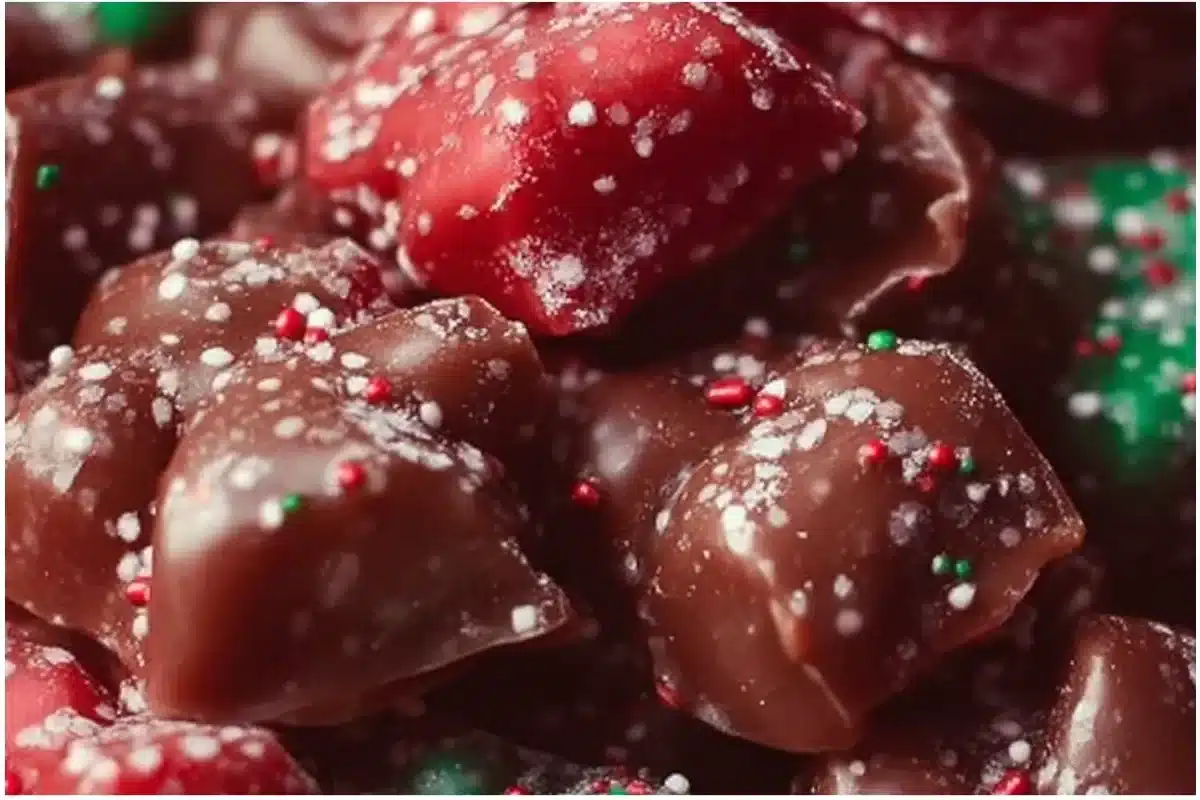
Hands down, one of the best holiday tricks is turning a crockpot into a candy workshop. Christmas Crockpot Candy delivers glossy, melty chocolate, crunchy nuts, and seasonal mix-ins without babysitting a double boiler or standing over a sticky stovetop. Whether you’re stuffing tins for neighbors, assembling a cookie table, or looking for a low-effort edible gift, this method saves time and produces reliably perfect results.
If you love pairing sweet bites with homemade cookies, try my quick spin on holiday pairings like these candy cane cookies — they’re perfect with a tray of crockpot candies.
What is Christmas Crockpot Candy?
“Christmas Crockpot Candy” refers to any small-batch candy you melt and mix in a slow cooker — then portion, set, and finish with toppings. The method is flexible: use milk, dark, or white chocolate chips; add nuts, pretzels, marshmallows, or crushed peppermint; and pour onto parchment or into silicone molds. The slow, gentle heat of a crockpot melts chocolate evenly without scorching, and the contained environment reduces the risk of water contamination that causes chocolate to seize.
Popular examples made this way:
- Peanut clusters (peanuts + chocolate)
- Peppermint bark (white and dark chocolate layers with crushed candy canes)
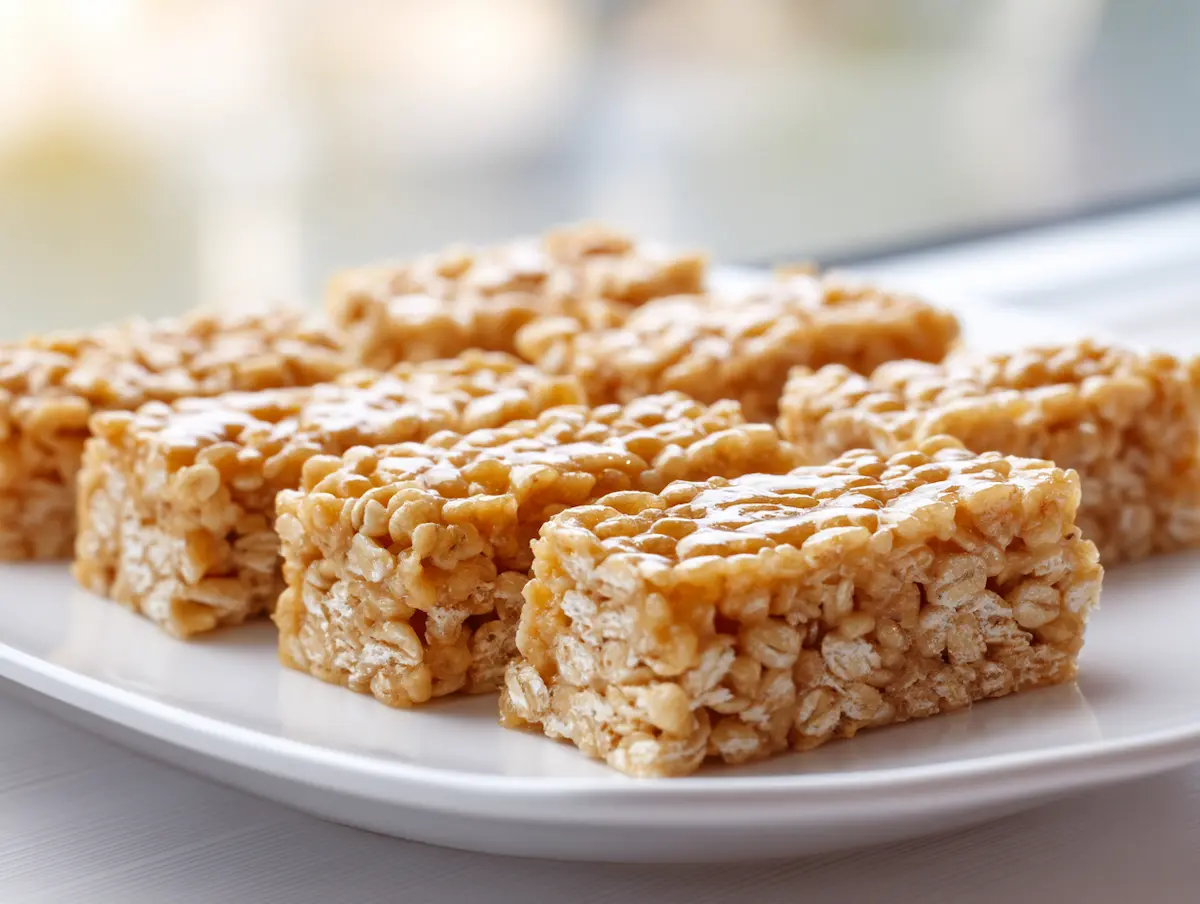
- Oat clusters or granola bites (oats, chocolate, honey)
- Rocky road cups (chocolate, marshmallows, nuts)
This article focuses on a base recipe and several variations so you can tailor your batch to gift, plate, or snack.
Why use a crockpot for candy? The culinary logic
Using the crockpot for candy is about reliable low heat and batch scalability.
- Gentle, steady heat: Crockpots run at low temperatures (usually 170–200°F on LOW), which melt chocolate without burning.
- Reduced moisture risk: Compared to a pot over boiling water, you’re less likely to get stray steam droplets into the chocolate — a main cause of chocolate seizing.
- Hands-off batch cooking: You can melt large amounts at once for holiday packaging without tending a double boiler.
- Consistent results: If you have multiple batches to make for parties or gifts, you can keep the chocolate warm for hours without degrading it if you follow timing and stirring rules.
Scientifically, chocolate is an emulsion of cocoa solids, cocoa butter, sugar, and sometimes milk fats. Excessive heat or water unbalances that emulsion (clumping + grainy texture). The crockpot keeps temperature steady so the cocoa butter remains evenly distributed.
Ingredients and the science behind them
Understanding each ingredient helps you troubleshoot and customize.
- Chocolate (chips, bars, couverture): The main building block. Chips are formulated to hold shape during baking and often contain stabilizers; couverture has higher cocoa butter and will melt silkier. For the creamiest melt choose high-quality chocolate or chop baking bars into uniform pieces to help them melt evenly.
- Nuts (peanuts, almonds, pecans): Provide crunch and structure. Roasting nuts concentrates flavor by driving off moisture and caramelizing surface sugars, which gives a nuttier aroma that contrasts with sweet chocolate.
- Salt (flaky sea salt): Enhances chocolate flavor by suppressing bitterness and amplifying sweetness. Added at the end it offers a flavor pop.
- Candy canes / peppermint: Adds bright, minty contrast and crunchy texture; crushed fine for bark, larger for clusters.
- Marshmallows: Add chew and air pockets, useful in rocky road-style candies.
- Butterscotch chips / peanut butter: Alternative fat and flavor profiles — peanut butter adds smoothness and binds clusters with protein and oil.
- Coconut flakes, dried fruit, pretzel bits: For texture contrast and to absorb some fat (pretzels cut richness).
Ingredient tip: Keep added ingredients at room temperature and dry — cold or moist add-ins can cause chocolate to seize or harden inconsistently.
Recipe card — Christmas Crockpot Candy (Base recipe)
Yields: About 4 dozen small clusters (depending on size)
Prep time: 10 minutes
Cook time: 45–60 minutes (melt + mix)
Set time: 1–2 hours at room temp, or 30–45 minutes in fridge
Difficulty: Easy
Ingredients
- 24 oz (680 g) semisweet or milk chocolate chips, or chopped baking chocolate
- 12 oz (340 g) roasted, unsalted peanuts (or mix of nuts)
- 4 tbsp (60 g) unsalted butter or coconut oil (optional — helps gloss)
- 1 tsp pure vanilla extract (optional)
- 1/2 tsp flaky sea salt (for finishing)
- Optional mix-ins: 1 cup crushed candy cane, 1 cup mini marshmallows, 1/2 cup pretzel bits, 1/2 cup toasted coconut
Equipment
- 4–6 quart slow cooker (crockpot)
- Heatproof spatula
- Parchment-lined baking sheets or silicone molds
- Small bowls for toppings
- Spoon or cookie scoop for portioning
Method
- Prep: Line baking sheets with parchment or silicone mats. Measure and place nuts, crushed candy, and any toppings into bowls. If using whole chocolate bars, chop to uniform 1/4–1/2 inch pieces.
- Warm the crockpot: Place the clean, dry crockpot insert on LOW for 5 minutes to pre-warm. Keep the lid slightly ajar for the first few minutes to avoid condensation dripping into chocolate.
- Melt chocolate: Add chocolate and butter/coconut oil to the crockpot. Stir every 8–10 minutes. The chocolate will soften, then turn glossy and fluid — total melt time will be ~30–45 minutes on LOW, depending on quantity and crockpot.
- Finish the chocolate: Once mostly melted, stir continuously until smooth. Remove the insert from the base to stop heating if your crockpot runs hot; residual heat will finish melting any unsoftened pieces.
- Add mix-ins: Quickly fold in nuts and any dry mix-ins (pretzels, coconut). For layered candy (peppermint bark), spoon half the melted chocolate onto the sheet, spread, and chill slightly before adding the second (white chocolate) layer.
- Portion: Drop by teaspoon or tablespoon onto parchment using a scoop. If making bark, spread thinly and top immediately with crushed candy canes.
- Set: Let candies sit at room temperature until firm, or chill 20–45 minutes for faster set.
- Finish: Sprinkle flaky salt if desired. Store as below.
Notes
- If using white chocolate, melt it separately; white chocolate is more heat-sensitive and benefits from slightly lower temperatures or shorter melt times.
- Avoid stirring too vigorously; air bubbles can create dull appearance.
- If chocolate becomes grainy, add 1–2 tsp neutral oil (vegetable or coconut) and stir until smooth.
Step-by-step technique with real cooking insights
Melt gradually: Even on LOW, large amounts of chocolate can take longer. Chop bars into small pieces to speed this. If your crockpot struggles to maintain low temps (older models can overheat), use the crockpot insert placed over a bed of towels out of the base after initial melting to let residual heat finish.
Stir rhythm: Start with longer intervals (every 8–10 minutes) and switch to continuous stirring as the chocolate begins to liquefy. This ensures even melting and prevents hot spots.
Manage humidity: Cold, humid kitchens can cause sweat on chocolate surfaces and attract moisture. Work in a warm dry room; open windows on very humid days can make things worse.
Using butter or oil: Adding a small amount of fat (1–2 tbsp per 8 oz chocolate) improves sheen and pourability. Use neutral oils or coconut oil for a hint of flavor. Avoid too much oil — it thins chocolate excessively and changes the set.
Layered candies: For peppermint bark or layered treats, pour and chill the first layer until slightly firm (15–20 minutes). This prevents the lower layer from mixing with the top and keeps the final appearance crisp.
Tempering note: This method will not temper chocolate (crystallize cocoa butter into the stable form used in professional confectionery). For candies intended to remain glossy and set well at room temp, use good-quality chocolate and, if conditions are warm, store candies in a cool area. Tempered chocolate gives the best snap and heat resistance, but slow-cooker candies made with couverture or high-cocoa-butter chocolate still perform well for gifting.
Safety note: Never add water to melted chocolate. Even a few drops cause seizing — grainy, thick masses. If seizing occurs, try adding a small amount of warm heavy cream or oil to re-emulsify for ganache-style coatings, but texture will differ.
Tips, pro advice, and mistakes to avoid
Pro tips
- Pre-roast nuts: Roast raw nuts at 350°F for 7–10 minutes, shaking halfway. Cool before adding to chocolate — warm nuts can thin chocolate and make setting uneven.
- Use silicone molds for uniform shapes and a professional look. Fill molds with chocolate mix and gently tap to remove air pockets.
- Keep a thermometer handy: If you must measure, the ideal melt temp for dark chocolate is ~115–120°F; white chocolate should stay under 110°F. Most slow cookers don’t reach these specifically controlled temps, so use visual cues.
- Use a liner: Put a silicone mat or parchment inside the crockpot for easier cleanup when working with very thick batches.
Common mistakes (and how to fix)
- Chocolate seizes (grainy lumps): If you get tiny clumps, stop adding dry ingredients. Try adding 1–2 teaspoons of warm oil or cream and stir to smooth — that may turn it into a pourable ganache-style candy.
- Overcooking/melting too hot: If chocolate scorches, it smells burnt and tastes bitter. Discard and start again with a clean pot — burnt chocolate cannot be rescued.
- Condensation dripping from the lid: Keep the lid slightly ajar for the first 10–15 minutes while preheating or use a towel over the lid edge to catch drips.
- Crowding toppings: Add crunchy toppings immediately after portioning — if you wait, melted chocolate forms a skin and toppings won’t adhere.
Variations and swaps
Switch up flavors by swapping chocolate types, mix-ins, or textures.
Peppermint bark
- Melt half dark chocolate and spread thin. Chill to set slightly. Melt white chocolate separately and pour over, then top with crushed candy cane. For a marbled effect, drizzle and swirl before chilling.
Peanut clusters (classic)
- Use roasted, salted peanuts and semisweet chocolate. Drop by spoonfuls and finish with sea salt. For a richer profile, fold in 2 tablespoons peanut butter.
Nut-free version
- Replace nuts with toasted oats, puffed rice, or pretzel pieces. For kids, use cereal pieces like Chex or Rice Krispies.
Vegan / dairy-free
- Use dairy-free chocolate chips and coconut oil. Toasted coconut and dried fruit make great mix-ins. Be mindful of cross-contamination with nut processing if allergies are a concern.
Spicy chocolate clusters
- Add 1/4–1/2 teaspoon ground cayenne or a pinch of smoked paprika to the melted chocolate for depth.
Salted toffee crunch
- Fold in crushed toffee bits and pretzel pieces, then sprinkle flaky sea salt. The toffee provides an extra crunchy, buttery layer.
Layered bars
- Make a thick slab on a lined sheet pan and cut into bars once firm. For protein-rich bars, incorporate a scoop of chocolate-flavored protein powder into melted chocolate with a binder like nut butter; chill until set.
Sweet-savory goat cheese clusters (gourmet)
- For an adventurous twist, mix bits of soft goat cheese with melted dark chocolate and top with toasted pistachios — serve chilled.
Pairing idea: Offer these candies on a holiday dessert board next to classic cookies. For more cookie ideas, see this collection of Christmas cookies to round out your platter.
Best packaging and gifting ideas
- Mini muffin liners: Drop clusters into festive liners and arrange in tins or clear boxes.
- Waxed paper squares: Stack pieces and wrap in waxed paper tied with twine for a rustic look.
- Mason jars: Layer different candy types and add a decorative label with ingredients and “best by” date.
- Decorative tins: Line tins with parchment and separate layers with parchment if stacking.
Labeling tip: Always list allergens (nuts, dairy, gluten) clearly — homemade gifts should include this for safety.
Storage and reheating
Shelf life depends on ingredients and storage conditions.
Room temperature (cool, dry): 1–2 weeks
Refrigerator: up to 1 month (store in airtight container to avoid moisture and odors)
Freezer: up to 3 months (freeze flat on parchment, then stack in airtight container with parchment between layers)
Thawing: Move from freezer to fridge for several hours, then to room temperature before opening to avoid condensation forming on the chocolate.
Reheating: To re-melt for reshaping, use a slow, controlled approach:
- Return to crockpot on the LOW setting and stir periodically.
- Alternatively, microwave in 20-second bursts at 50% power, stirring between bursts.
- Avoid overheating; if chocolate gets too hot, cool slightly and stir to even texture.
Storage pairing: Placing a silica gel food-safe packet in the tin helps absorb moisture in humid climates (ensure the packet is food-safe and not directly touching candies).
For crunchy shelf-stable candies like toffee clusters or bark, keeping them at room temperature in a sealed tin preserves texture best. If your kitchen is warm, consider refrigeration.
Nutrition insights
Candy is an indulgence — here’s a realistic look at nutrition for typical peanut cluster servings (1 cluster ≈ 20 g):
Approximate per cluster:
- Calories: 110–140 kcal
- Fat: 8–10 g (saturated fat 3–5 g)
- Carbohydrate: 9–12 g (sugars 7–10 g)
- Protein: 2–3 g
Notes:
- Using dark chocolate (70% cacao) reduces sugar per serving and increases antioxidant content relative to milk chocolate.
- Adding nuts increases protein and healthy monounsaturated fats, making the treat more satiating.
- For lower-calorie alternatives, use less chocolate per cluster, increase nuts/oats, or make “chocolate-dipped” versions with fruit or pretzels.
If you need specialized nutrition (keto, vegan, allergen-free), tailor ingredients: sugar-free chocolate for lower carb, coconut butter instead of dairy, or seeds instead of nuts.
Troubleshooting: Common problems & fixes
Problem: Chocolate is grainy or seperated.
Fix: Add 1–2 teaspoons neutral oil or warm heavy cream and stir until smooth. If water caused seizing, convert to a ganache-style candy by adding cream and using as a dip or truffle base.
Problem: Chocolate won’t set (stays soft).
Fix: You may have added too much oil or the environment is too warm. Chill on a tray for faster setting. For long-term stability, store in a cool place and reduce added fats next time.
Problem: Chocolate is dull with white streaks (fat bloom).
Fix: Fat bloom happens when chocolate faces temperature fluctuations; texture is safe to eat. For appearance, gently re-melt and set in a cooler environment. To reduce bloom, store at constant cool temp and avoid frequent temp swings.
Problem: Toppings sinking or not sticking.
Fix: Press toppings into slightly thickened but still tacky chocolate rather than waiting for full set.
Frequently Asked Questions (FAQ) — Schema-ready
Q: Can I make Christmas Crockpot Candy with white chocolate?
A: Yes. Melt white chocolate separately as it’s more heat-sensitive; use the crockpot on LOW and watch closely to prevent overheating.
Q: How long does it take to melt chocolate in a crockpot?
A: Expect 30–45 minutes on LOW for 24 oz of chocolate; larger quantities may take longer. Stir frequently as it softens.
Q: Will candy melt if left out at room temperature?
A: It depends on room temp and chocolate type. Dark chocolate has a higher melting point than milk or white chocolate. In warm climates keep candies refrigerated.
Q: Can I temper chocolate in a crockpot?
A: Tempering requires precise heat control and agitation, which crockpots don’t provide. For tempered chocolate use a stovetop tempering method or a microwave tempering process.
Q: How do I prevent chocolate from seizing?
A: Avoid any contact with water, keep utensils and bowls dry, and melt gently. If seizing occurs, add warm cream or oil to smooth it into a ganache.
Q: Are crockpot candies shelf stable?
A: Many are stable at room temperature for 1–2 weeks in a cool, dry place. Refrigerate for longer storage (up to 1 month).
Serving and pairing ideas
- Dessert board: Mix crockpot candies with small cookies, nuts, and fruit. Pairing cookies with these candies makes a memorable spread — try assembling with complementary flavors like citrus cookies or spiced shortbread.
- Beverage pairings: Dark chocolate candies pair beautifully with hot coffee or mulled wine; peppermint bark works well with hot cocoa or spiced tea.
- Party favors: Portion candies into small cello bags and tie with ribbon as wedding favors or holiday party takeaways.
Looking for complementary holiday baked goods? You can build a full dessert table that includes homemade bars and cookies — see this easy guide to holiday Christmas bars and assorted Christmas cookies to round out your spread.
Conclusion
Christmas Crockpot Candy transforms holiday candy-making into a low-stress, high-reward activity. With a reliable crockpot, good-quality chocolate, and a few pantry add-ins, you can produce beautiful, giftable confections without constant supervision or specialized equipment. Want a quick reference or recipe inspiration from other creators? Check this straightforward tutorial for an Easy Christmas Crockpot Candy – The Chunky Chef, or if you like peanut clusters as a specific hack for quick candies see this Christmas Crock Pot Candy (Peanut Clusters) Recipe for another tested method.
If you try the recipe, save the post, tag a friend, or package a batch and share the joy — crockpot candy is one of those simple pleasures that look far fancier than the work involved. Happy candy-making!
If you want printable recipe cards or an email-friendly version of this recipe, say the word and I’ll format one for you.