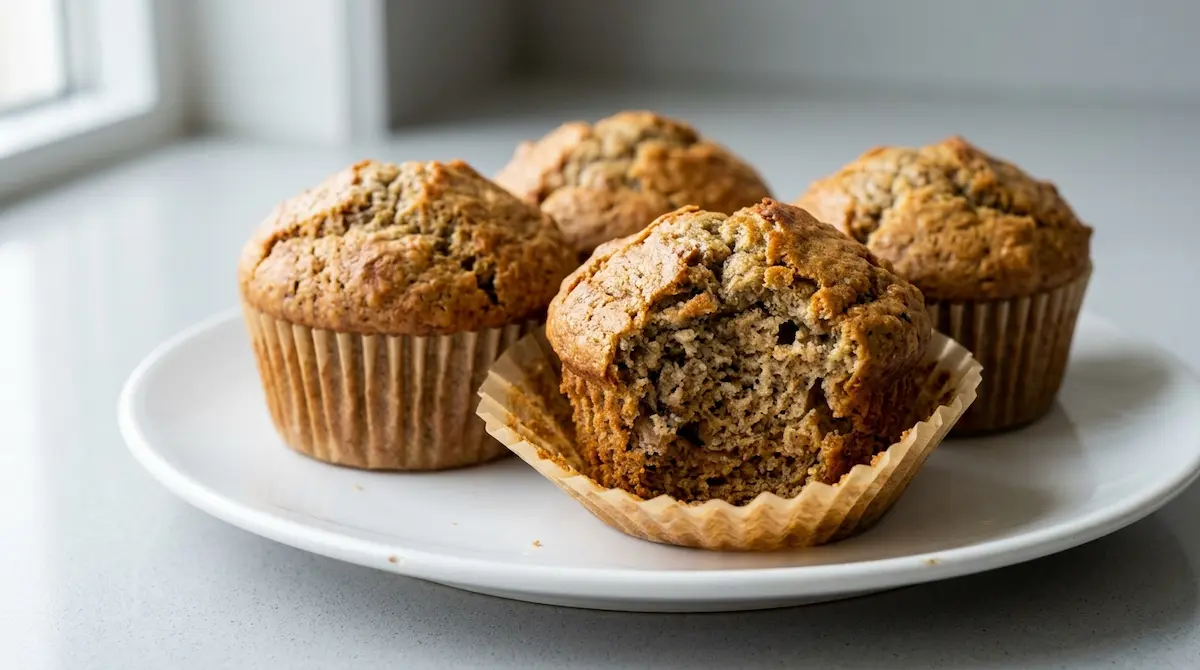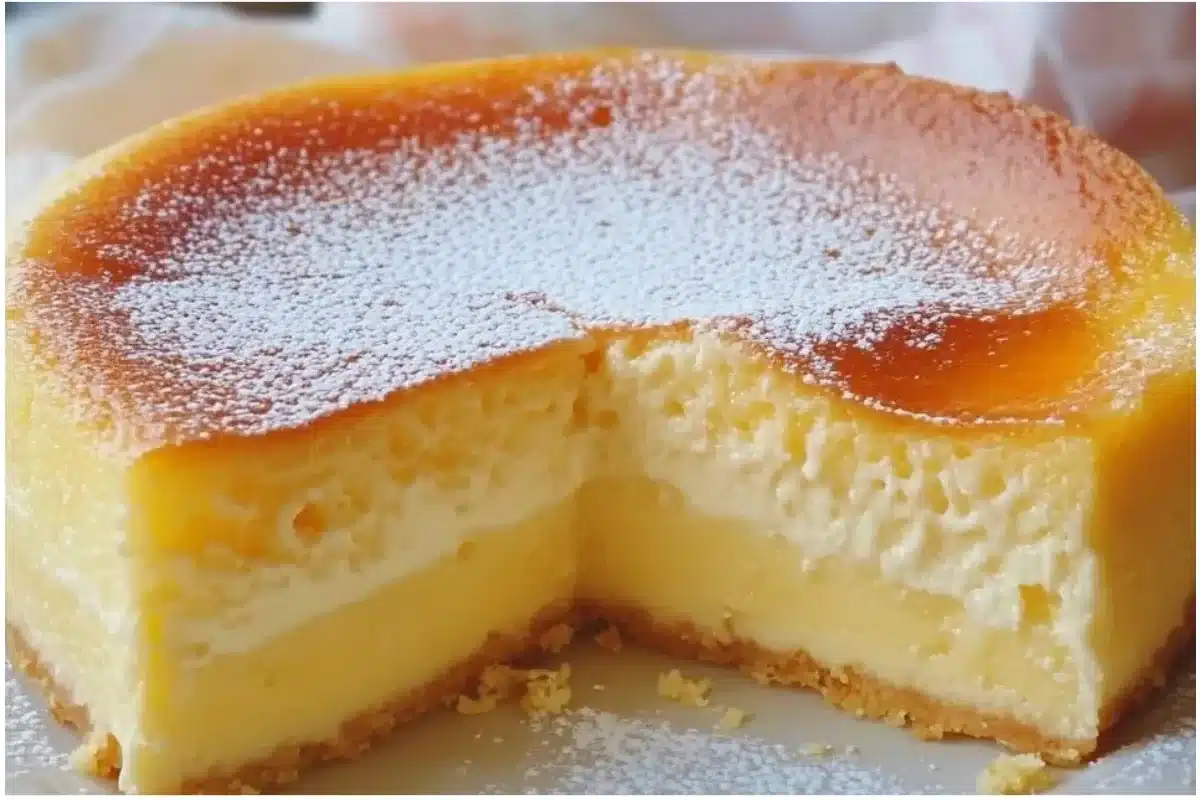
Magic Custard Cake are a fudgy, custardy treat that crackles on the outside and melts into a silky center. The surface browns to a caramelized, crackled top while a whisper of vanilla and warm butter scent fills the kitchen — comforting and a little indulgent. It’s special because it uses simple pantry staples, comes together quickly, and showcases seasonal milk and eggs sustainably when sourced locally. For the official recipe inspiration, check out the original Magic Custard Cake recipe.
Why You’ll Love This Recipe
Make this Magic Custard Cake for holidays, potlucks, cozy weeknights, or when you want an impressive dessert with minimal fuss. It’s perfect for feeding a crowd — simple ingredients scale easily — and the texture contrast (crisp top, custardy inside) feels gourmet without fancy technique. The recipe is versatile: dress it up with fruit for spring or serve plain with coffee for an anytime treat. Because it uses common pantry items and bakes in one pan, it’s a sustainable, low-waste dessert that’s ideal for busy home cooks.
Seasonal Ingredients Spotlight
Right now, choose fresh, pasture-raised eggs and local milk for the creamiest custard — both add depth of color and a richer aroma. If stone fruits are in season, serve slices with sliced peaches or apricots; their bright acidity cuts the cake’s richness and adds vibrant color. In cooler months, citrus zests (or a drizzle of spiced syrup) bring warmth and lift the palate. Using seasonal dairy and eggs reduces food miles and supports local farms, which enhances flavor and sustainability. For a citrus twist, see how a similar recipe brightens with lemon on the Lemon Custard Cake page.
What You’ll Need
- 4 eggs (separated, room temperature) — room temp eggs whip better, giving airier whites and a creamier custard.
- ¾ cup caster sugar — finer sugar dissolves quickly for a silky texture.
- 125 g melted butter — warm, nutty aroma; you can use browned butter for extra depth.
- 1 tsp vanilla extract — adds floral warmth and rounds flavors.
- ¾ cup plain flour (sifted) — gives structure while keeping the center tender.
- 2 cups lukewarm milk — warmth helps the batter emulsify and yields a smooth custard.
- ¼ cup icing sugar (for dusting) — adds a delicate finish and visual contrast.
Substitutions & swaps: Replace milk with a nut milk for dairy-free results (texture will be slightly lighter). Use coconut oil or vegan butter instead of butter for a dairy-free version; try a gluten-free 1:1 flour blend to make it gluten-free (note: final texture may be a touch denser). For less sugar, reduce caster sugar by 1–2 tablespoons — expect a slightly less sweet custard.
How to Make This Recipe
- Preheat & Prepare Pan — Preheat oven to 340°F (170°C) and line an 8-inch square pan. Butter the sides lightly to help release the cake; a lined pan ensures neat slices and even browning.
- Whip the Egg Whites — Whip egg whites to stiff peaks; set aside. Look for glossy peaks that hold shape; if they’re grainy, they’re overwhipped. This gives lift and the light, custardy internal texture.
- Beat Yolks & Sugar — Beat yolks and sugar until pale and fluffy. The mixture should thicken and take on a mousse-like, pale lemon color; this step helps the cake be airy yet rich.
- Add Butter & Vanilla — Mix in melted butter, vanilla, then flour. The batter will smell buttery and warm; add flour gradually to avoid lumps. The texture will be slightly thick before adding milk.
- Incorporate Milk — Slowly add milk until smooth. Pour in a steady stream while stirring so the batter becomes silky and pourable; a few tiny lumps are okay.
- Fold in Whites — Fold in egg whites gently—batter will be thin and slightly lumpy. Use a spatula and fold just until white streaks disappear to keep airiness; overmixing deflates the batter.
- Bake Until Golden — Bake for 35–60 minutes until a golden top forms. The top should be a deep golden brown and have small cracks; a skewer into the center may come out slightly damp but not wet. If top browns too quickly, tent with foil.
- Cool & Finish — Cool completely, dust with icing sugar, slice, and enjoy. Cooling sets the custard; chilling makes slicing cleaner. Makes: 12 slices.
H3: Step Examples
- Prepare the Base — Line and butter an 8-inch square pan; the paper should sit flat so edges bake evenly and the aroma of butter warms the pan.
- Mix the Ingredients — Combine yolks, sugar, butter, vanilla, and flour until smooth; the batter takes on a creamy, pale color and a slightly glossy sheen.
- Shape or Cook — Pour batter into pan and bake until the top is dark golden with fine cracks; the aroma will be toasty and caramel-like.
- Finish or Garnish — Dust with icing sugar and, if desired, scatter fresh fruit or a citrus zest for color and brightness.
- Serve and Enjoy — Slice into 12 pieces and serve at room temperature; each bite contrasts a crisp top with a custardy, almost pudding-like center.
Essential Tools
You’ll need a few simple tools: an 8-inch square baking pan, parchment paper, a hand or stand mixer (for whipping egg whites), mixing bowls, a spatula, and a cooling rack. Optional: an offset spatula for smoothing and a fine sieve for icing sugar. If you use affiliate gear, choose quality mixers and non-stick pans for consistent results — sturdy tools help with even baking and easier cleanup.
Meal Prep & Storage Tips
Make ahead: bake the cake a day ahead and cool completely; flavors meld and texture firms, making slicing neater. Store tightly wrapped or in an airtight container in the fridge for up to 4 days. For longer storage, freeze individual slices wrapped in plastic and foil for up to 1 month; thaw in the fridge overnight. Reheat gently in a low oven (300°F/150°C) for 5–8 minutes to refresh the crisp top. Always cool completely before covering to avoid sogginess and follow safe refrigeration times for custard-based desserts.
Perfect Pairings
This cake pairs beautifully with coffee, black tea, or a late-harvest dessert wine — the bitterness of coffee contrasts the cake’s sweet, creamy interior. Serve with lightly whipped cream or a dollop of crème fraîche and seasonal fruit (peaches, berries, or poached pears) for color and acidity. For a brunch spread, offer alongside toasted nuts and a citrus compote to brighten flavors. For breakfast or brunch pairing ideas, try pancakes with bananas and maple syrup for a playful contrast: banana pancakes recipe.
Nutrition Facts
Estimated per serving (1 of 12 slices):
- Calories: ~180 kcal
- Fat: 8 g
- Carbohydrates: 24 g
- Protein: 3 g
- Fiber: 1 g
- Sugar: 14 g
Avoid These Common Pitfalls
- Overwhipped Whites — If egg whites are grainy or dry, they’ll deflate and the cake will be dense; stop when peaks are glossy and hold shape.
- Batter Overmixing — Folding too vigorously removes air; keep folds gentle to preserve a light crumb.
- Uneven Baking — Oven hotspots can cause uneven rise; rotate the pan halfway through if your oven runs hot.
H3: Examples - Dough Too Dry — Add a splash of milk until pliable. (Helpful when batter seems stiff.)
- Chocolate Coating Breaks — Ensure melted chocolate is smooth and warm. (If glazing variations crack.)
- Unevenly Shaped Balls — Use a cookie scoop. (For portioning any extras or alternate recipes.)
Pro Tips for Best Results
Use room-temperature eggs to achieve maximum volume when whipping whites. Sift flour to avoid lumps and get a tender crumb; a small sieve also helps when dusting with icing sugar for a fine finish. If the top browns too fast, tent with foil to prevent burning while the center finishes. For a glossy top and extra flavor, brush lightly with warm simple syrup after baking. Finally, let the cake cool completely before slicing — chilled slices are neater and the custard sets into that signature texture.
Recipe Variations to Explore
Add citrus: fold 1 tsp of finely grated lemon or orange zest into the batter for a bright, aromatic version. Chocolate variation: whisk 2–3 tbsp cocoa into the dry ingredients for a chocolate-custard twist — dust with cocoa powder instead of icing sugar. Fruit-topped: pour batter into a pan and arrange thinly sliced stone fruit on top before baking for a caramelized fruit finish. Spiced version: add ¼–½ tsp ground cinnamon and a pinch of nutmeg for autumnal warmth. For an adult twist, brush the baked surface with a tablespoon of rum or liqueur.
Dietary Adaptations & Safety Info
Allergens: contains eggs, wheat (gluten), and dairy. For vegan adaptation, try aquafaba (chickpea brine) whipped in place of egg whites and a commercial egg replacer for yolks, plus plant-based butter and milk — texture will be lighter. For gluten-free, use a 1:1 gluten-free flour blend. Ensure eggs are fresh and store leftovers refrigerated; if serving to high-risk individuals, consider pasteurized eggs or fully cook custard until firmer.
Frequently Asked Questions
Q: Can I make this gluten-free?
A: Yes — swap the plain flour for a 1:1 gluten-free flour blend. Texture may be slightly denser; adding a tablespoon of corn starch can help lighten it.
Q: Why did my cake sink in the middle?
A: Sinking usually comes from underbaking or overbeating the batter. Ensure the center is set (slightly springy) and avoid deflating the egg whites when folding.
Q: How do I know when it’s done?
A: The top should be deep golden with fine cracks; a skewer inserted into the center may come out with a few moist crumbs but not raw batter. The cake will firm as it cools.
Q: Can I halve or double the recipe?
A: Yes. Halve for a smaller pan (reduce baking time) or double for a larger pan (increase baking time and check doneness). Maintain proportions for texture.
Q: What’s the best way to reheat slices?
A: Warm briefly in a 300°F (150°C) oven for 5–8 minutes to revive the crisp top without drying the custard. Avoid microwave reheating which can make the texture rubbery.
Q: Can I add fruit to the batter?
A: Yes — thin slices of fruit on top work best. Heavier fruit mixed into batter can sink; toss fruit in a little flour first to help suspend it.
Final Thoughts & Next Steps
Ready to bake? This Magic Custard Cake rewards simple, seasonal ingredients and a little patience for cooling. Share your results, tag us, or leave a comment with your favorite variation — we love seeing your twists. Explore more dessert ideas in our recipe collection.
Print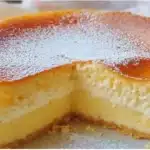
Magic Custard Cake
- Total Time: 60 minutes
- Yield: 12 servings 1x
- Diet: Vegetarian
Description
A fudgy, custardy treat with a crackly top that melts into a silky center, perfect for any occasion.
Ingredients
- 4 eggs (separated, room temperature)
- ¾ cup caster sugar
- 125 g melted butter
- 1 tsp vanilla extract
- ¾ cup plain flour (sifted)
- 2 cups lukewarm milk
- ¼ cup icing sugar (for dusting)
Instructions
- Preheat the oven to 340°F (170°C) and line an 8-inch square pan, lightly buttering the sides.
- Whip egg whites to stiff peaks and set aside.
- Beat egg yolks and sugar until pale and fluffy.
- Add melted butter, vanilla, and flour to the yolk mixture and mix until smooth.
- Gradually incorporate lukewarm milk until the batter is silky.
- Gently fold in the whipped egg whites until no white streaks remain, being careful not to deflate the batter.
- Pour the batter into the prepared pan and bake for 35–60 minutes until a golden top forms with small cracks.
- Cool completely, dust with icing sugar, slice, and enjoy.
Notes
For a dairy-free option, replace milk with nut milk and butter with coconut oil or vegan butter. To make gluten-free, use a 1:1 gluten-free flour blend.
- Prep Time: 15 minutes
- Cook Time: 45 minutes
- Category: Dessert
- Method: Baking
- Cuisine: French
Nutrition
- Serving Size: 1 slice
- Calories: 180
- Sugar: 14g
- Sodium: 50mg
- Fat: 8g
- Saturated Fat: 5g
- Unsaturated Fat: 3g
- Trans Fat: 0g
- Carbohydrates: 24g
- Fiber: 1g
- Protein: 3g
- Cholesterol: 150mg
Keywords: custard cake, dessert, baking, easy recipe