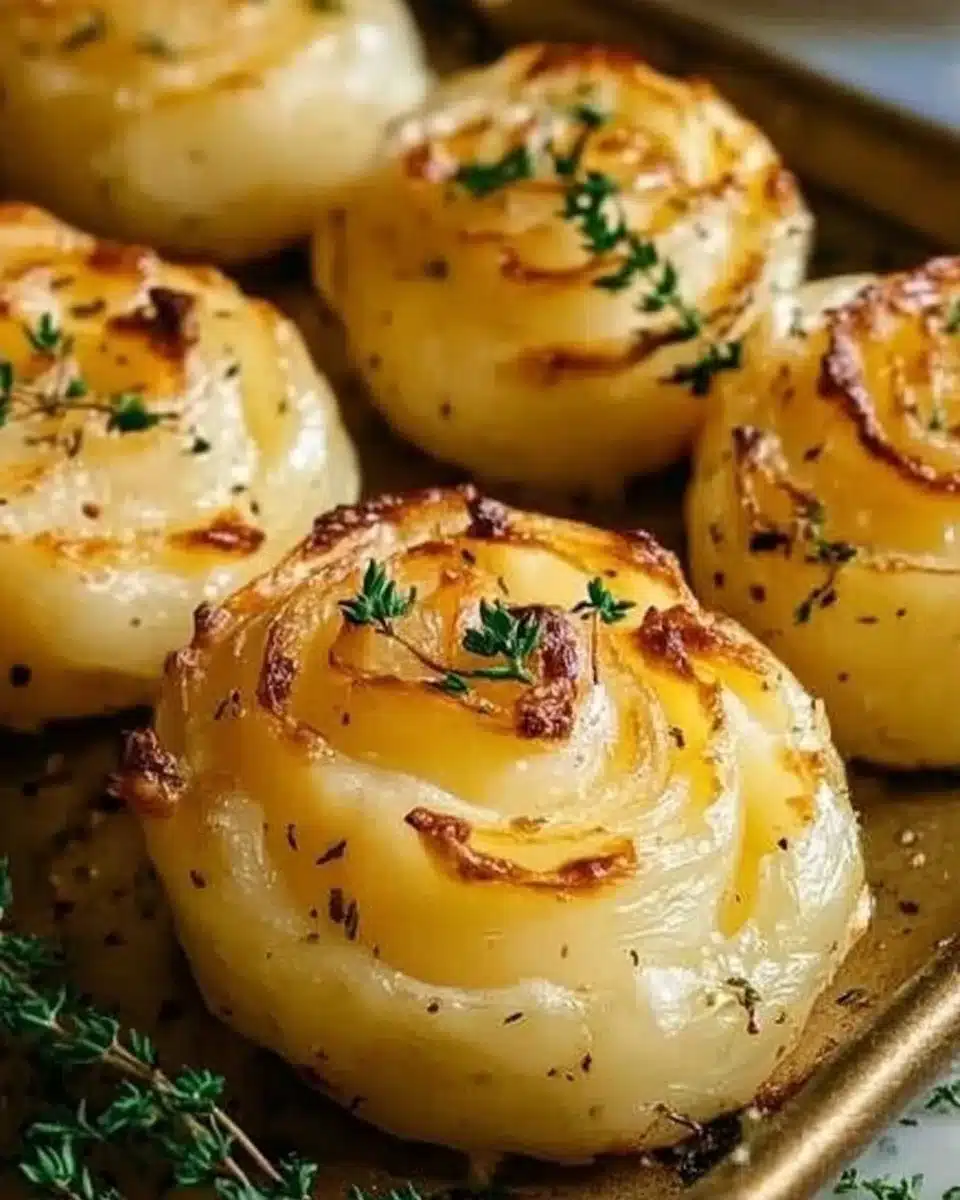
The kitchen fills with a warm, familiar scent as the oven hums and a tray of piped potato rosettes begins to brown at the edges. I remember the first time I made Duchess Potatoes for a small family dinner, the way my children pressed their faces to the oven door to watch the golden tips appear. It felt like a small celebration of slow afternoons and hands-on cooking, like the hush that falls when a house smells of butter and nutmeg. If you like comforting sides and quiet kitchen rituals, this recipe will welcome you in like an old friend, much like my other favorite sides such as cheesy ranch potatoes.
Why Duchess Potatoes Still Feels Like Home
There is something about the shape of these potatoes that makes them feel special without being fussy. I started making Duchess Potatoes on weekends when the house had a calm hum and the kids were drawing at the table. The cooking felt patient and gentle, like sewing small stitches into a blanket. Each rosette came out golden and proud, and my mother would smile and say they looked like little crowns.
This dish is one of those simple luxuries that carries memory in its taste. The butter gives a gentle richness that sits on the tongue, the cream smooths every bite, and the hint of nutmeg brings a sleepy, warm note that reminds me of childhood dinners. When I make them now, I think of the way my dad would tease about taking the "best" rosette and the way we all laughed around the table. Those moments matter more than perfection in technique.
Duchess Potatoes are also a quiet teacher. They ask you to watch, to listen to the steam as you mash, and to pay attention to texture. They fit into holiday feasts and weekday comforts without needing a lot of fuss. You can pair them with a roast, tuck them beside roasted vegetables, or set them out with a simple green salad. They bring a calm, confident note to any plate.
The Story Behind Our Favorite Duchess Potatoes
My recipe found its shape during a winter when I wanted to make something a little elevated but still true to our family table. I remember that first evening when I piped the mixture and my youngest declared them "fancy clouds." We served them next to a simple roast chicken and a salad with sharp vinaigrette. The mix of textures was small but perfect: the crisp edges, the silky inside, and the bright salad cutting through the richness.
Over the years, different versions have landed on our table. Sometimes I fold in a little grated cheese for a nutty finish. Other times I pipe with a rougher tip for a more rustic look. Each change kept the spirit of the dish intact. It taught me that a recipe is a conversation between what you have and what you love, not a list that must be obeyed.
This is why the recipe matters to me. It is a way to make a simple ingredient feel dressed up and cared for. It invites children to watch and learn. It encourages you to savor the small steps that create something full of comfort.
How to Make Duchess Potatoes
“Every time I stir this pot, it smells just like Sunday at home.”
The process moves in a gentle rhythm. First you boil the potatoes until they give easily to a fork, then you let them sit so any steam escapes. From there you mash with butter and cream until the texture is smooth and glossy. When I reach for the piping bag, the kitchen already feels like a small stage where each rosette will have its moment to crisp.
Pay attention to the sound of the potatoes as you mash them. A stiff, drier mash will hold its shape better when piped. A silkier mash will be luxurious inside and may spread slightly as it bakes. Both are lovely depending on what you want. I like a balance: creamy enough to feel indulgent, firm enough to hold a little decorative form.
The oven gives your work the final voice. When the edges brown and the tops kiss golden, the smell brings everyone to the kitchen. Wait a minute, breathe in that aroma, and then carry the tray to the table. The result is a small, bright side that feels like a warm hand at the end of the day.
Ingredients You’ll Need
potatoes (yukon gold or russet are both good; yukon gold gives a creamier feel)
butter (fresh, unsalted if you like to control the salt) — a generous amount makes these sing.
heavy cream (a little added warmth and silk) — try a touch more for silkier texture.
egg yolks (they add structure and a soft shine)
salt (start small, you can always add at the table)
pepper (freshly ground black gives a little bite)
nutmeg (a pinch; it brings gentle warmth to the flavor)
grated cheese (optional; parmesan or gruyere work well, and it creates a lovely crust)
Little notes that feel like a kitchen hug: a little extra vanilla if you love a cozy aroma will change the dish in a different direction, though I keep vanilla out of mine. Fresh butter gives this its richness and makes the mashed mixture glossy. If you prefer a lighter version, use a touch less cream and add more mashed potato to keep shape.
Bringing Duchess Potatoes Together
The work is welcoming and rhythmic. Start with the potatoes soaking up salted water, then boil until a fork slides through easily. Drain and let them sit a few minutes to shed steam before mashing. The mixing is like making a small dough for comfort rather than a technical task.
When you add the egg yolks, work gently so they fold into the warm potatoes without scrambling. The butter should be soft and ready to blend. Stir until glossy and smooth, taste, and adjust salt and pepper. If you want a cheesy top, fold in a few tablespoons or save the cheese to sprinkle over just before baking.
I find piping to be a little ceremony. It is not about perfection; it is about making each shape with care. Use a large star tip if you have it, or a plain round tip if you do not. Press from the center and lift slowly for a little peak. Each rosette carries pride, and every little variation is part of the charm.
Step-by-Step Directions
Preheat the oven to 400°F (200°C).
Preheat with a middle rack ready to catch the heat as the potatoes brown. Give the oven time so the steam can lift and the tips can color. A fully warmed oven gives a better crackle at the edges.Peel and chop the potatoes, then boil them in salted water until tender.
Cut them into even pieces so they cook at the same pace, and start them in cold water for even cooking. Bring the pot to a gentle boil and watch until a fork glides into the largest piece. Drain right away so they stop absorbing water.Drain and let dry before mashing them until smooth.
Spread them in the pot for a minute over low heat to let steam escape and any extra moisture leave. Mash with a ricer or a sturdy masher until there are no lumps and the texture feels even. You are looking for a soft, light body that will hold together when mixed.Add butter, heavy cream, egg yolks, salt, pepper, and nutmeg to the mashed potatoes and mix well.
Add butter in chunks and stir until it melts into the warm potato, giving it a glossy feel. Pour in the cream a little at a time, tasting as you go, and fold in the yolks gently until the mixture is smooth. Season carefully; the nutmeg should whisper, not shout.Transfer the mixture to a piping bag fitted with a decorative tip.
Spoon the warm mixture into the bag and press gently to remove air pockets so the shapes come out even. If you do not have a piping bag, use a resealable plastic bag and snip one corner. Hold the bag steady and find a rhythm as you pipe.Pipe the potatoes onto a baking sheet lined with parchment paper in decorative shapes.
Space them with a little room so the air can crisp around each one and form an edge. Aim for consistent size; they will bake evenly that way. When you lift the tip, pull gently to make a soft peak for a little extra charm.If desired, sprinkle with grated cheese.
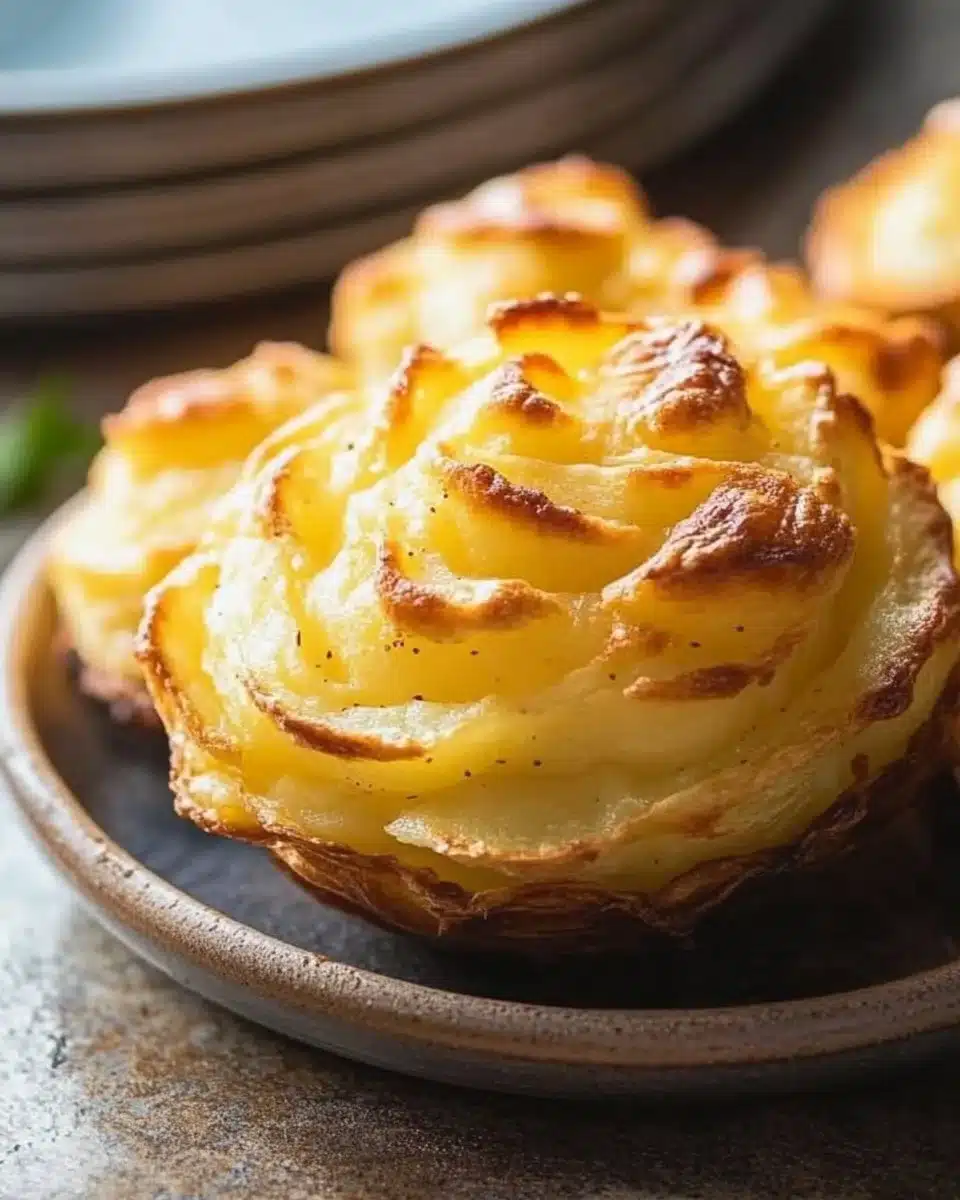
A dusting of parmesan or gruyere will brown into a delicate crust and add a toasted, nutty flavor. You can also brush a tiny bit of melted butter over the tops for extra shine. The cheese will create small golden flecks that smell irresistible.Bake in the preheated oven for about 20-25 minutes until golden and crispy on the edges.
Rotate the tray once about halfway through so every rosette gets even color. Watch the edges and tips; when they become golden the inside will be soft and tender. Wait for the aroma to tell you they are ready, the kind that draws the household together.Serve warm as a side dish for your holiday meals.
Bring them to the table on a warm platter and let people choose their favorites. They look beautiful next to roast meats or a simple vegetable medley. I find that serving them right away keeps the contrast of crisp outside and tender inside at its best.
How We Enjoy Duchess Potatoes at Home
We keep things simple when we bring this dish to the table. If it is a holiday, the potatoes sit beside a roast and a bowl of greens, the steam rising as people pass plates and share stories. For a weeknight, I set a few rosettes beside a pan of sautéed greens and a piece of fish. They make even a modest meal feel like company has come over.
I love the ritual of passing the platter around. Children take turns choosing, and grownups discuss who remembers which rosette was their favorite the year before. It becomes a small game and a comfort. Plating is easy: a ribbon of gravy beside the potatoes, a sprig of herb for color, and a soft stack on a warm plate.
Pairing is about balance. Duchess Potatoes stand up to strong flavors like roasted garlic, thyme, and browned butter. They also find harmony with acidic sides like a citrusy slaw or a bright tomato salad. For a cozy winter table, put them next to a braised short rib or a mustard-crusted pork roast. For a lighter spring meal, pair them with a lemon chicken and steamed asparagus.
Tips for Piping and Presentation
If you want more height, chill the mixture slightly before piping so it holds its shape better. Warmer mixes can spread in the oven while chill will keep the peaks taller. Hold the piping bag at a 90 degree angle as you squeeze and lift for a classic rosette.
For a rustic look, pipe in loose dollops rather than rosettes and use a spoon to shape them. A small brush of melted butter before baking helps them brown evenly and adds shine. Use a thin grating of cheese for tiny crisps, or leave them plain to savor the buttery, nutmeg-scented interior.
When plating, think of contrast. A bright vegetable or a tart sauce gives the potato a fresh partner. Garnish with a few chopped herbs or a light dusting of paprika for color. Little touches make the meal feel thoughtful without adding a lot of work.
Choosing the Best Potatoes
Different potatoes give you different textures. Yukon golds are creamy and hold their flavor well, while russets give a fluffier mash with a slightly drier body that can hold shape very well. If you want a smooth, silky inside, reach for yukon gold. If you want rosettes that stand tall and crisp, choose russet.
Freshness matters. Older, floury potatoes often break down more easily and can take on water, while very new potatoes may be waxier. Pick potatoes that feel firm and free of sprouts. Good potatoes make the whole assembly simpler and more satisfying.
Cheese and Flavor Variations
Grated parmesan or gruyere both give a lovely savory note that toasts in the oven. For a sharper bite, try a small amount of aged cheddar. If you like herbs, fold in finely chopped chives, thyme leaves, or a little rosemary for a fragrant lift. Garlic in the mash is also welcome for those who love a more savory profile.
If you want a lighter version, reduce the butter and cream slightly and mix in a bit more mashed potato for structure. For a richer version, add an extra yolk or a few tablespoons of crème fraîche for tang. Seasons and family taste will guide you.
Serving Duchess Potatoes With Family Warmth
We often make a small habit around the table when we serve Duchess Potatoes. Before the first person reaches for one, we pause and let the kitchen aroma settle. Each person shares a small memory from that week, and we let the food be a gentle bridge from the day into the evening. It makes the meal feel held and connected.
For special meals, I use white plates to let the golden edges stand out. Arrange the rosettes in a circle or in a neat line for a formal look. For casual dinners, a warmed earthenware dish keeps them cozy on the table. Little things like pre-warming the platter or setting a small bowl of butter nearby make serving feel tender.
This dish also lends itself to kid-friendly presentation. Make small rosettes and let the children arrange them in fun patterns. They love picking the ones with the crispest edges and the little browned curls. It becomes part of the dinner rhythm and the memory stays with them.
Keeping It Fresh and Comforting
Storing Duchess Potatoes is simple if you think of them like a gentle friend who needs a cool, dry place to rest. Let them cool to room temperature but do not leave them out for more than two hours. Then place them in an airtight container in the refrigerator and use within two days for the best texture and flavor.
When reheating, preheat the oven to 350 degrees and spread them on a baking sheet so the edges can regain crispness. Heat them until warmed through and the edges turn a little more golden. If you prefer, finish under the broiler for a minute or two, watching closely so they do not burn.
If you plan to freeze, cool completely, place on a tray, and freeze until firm before transferring to a freezer bag. Freeze for up to a month. Reheat from frozen in a 375 degree oven, covered for the first part then uncovered to crisp. Frozen potatoes will soften slightly in texture but hold lovely flavor.
I also like to use leftovers in creative ways. Crispy, chopped duchess potatoes become a wonderful addition to a skillet frittata or a savory bread pudding. They carry the richness into other dishes and become little treasures.
For more ideas on using leftover potatoes in comforting ways, try a recipe for twice baked sweet potatoes for different textures and flavors that pair well with this dish.
Make-Ahead Strategies
If you want to take some of the work out of a busy day, you can prepare the potato mixture the day before and keep it chilled. When you are ready to bake, bring it to room temperature slightly so it pipes smoothly. You can pipe and store the shapes on a tray covered with plastic wrap for a few hours before baking.
Another strategy is to pipe the rosettes and freeze them on a tray until firm. Once frozen, keep them in a sealed container until you need them. Bake from frozen with a slightly longer time and a careful eye until they are warmed through and golden.
Planning in stages helps keep your day calm. Make the mash while the oven is free, or pipe the rosettes during a quiet minute. The dish responds well to gentle timing, and a little forethought keeps the moment of serving bright and easy.
Equipment and Small Tricks
A ricer will give a fine, lump-free texture and is my favorite tool for a silky mash. If you do not have one, a good masher will do the job well. Avoid a food processor for mashing as it can make the potatoes gluey.
For piping, choose a large star tip if you want defined ridges, or a plain round tip for smooth mounds. If using a homemade plastic bag, snip a corner and steady your hand. Chill the piping bag for a short time if the mixture feels too soft.
Use parchment or a silicone mat on your baking sheet to prevent sticking and to protect the edges. A metal sheet with even heat gives the best browning. Rotate the baking sheet halfway through to get even color across the tray.
Troubleshooting Common Questions
If your mixture is too runny, add a little more mashed potato or chill it briefly before piping. If it is too stiff, fold in a touch more cream until you reach a pipeable consistency. Taste as you go and adjust salt and nutmeg accordingly.
If the rosettes spread in the oven, the mash may have been too warm or too loose. Chill the piped shapes for a short time before baking to help them hold height. If they brown unevenly, try rotating the tray and check your oven temperature with an oven thermometer for accuracy.
If you find the potatoes are heavy rather than light, you may have overworked them. Stir gently and stop when the mix reaches a smooth, slightly airy body. Gentle handling keeps the texture near perfect.
A Few Family Notes and Memories
When my mother saw the rosettes for the first time she said they reminded her of a pastry from her childhood. That remark led me to experiment with small touches of cheese and herbs that we now associate with special meals. My father used to pick the edges, leaving the centers for the kids, and we would laugh as he claimed it was a taste test.
Making food that becomes part of a family’s small rituals is what I love most about cooking. It is not the grand gestures but the simple shared moments. The small act of piping and baking brings us together. These potatoes have been part of birthdays, quiet dinners, and busy holiday feasts. Each time they arrive on the table, they seem to ask us to slow down a little and enjoy.
A Short Guide to Pairing
Think of texture and flavor when you pair Duchess Potatoes. A roasted meat with a crisp skin balances the soft center of the potatoes. A tart salad cuts through the richness. Bright steamed vegetables add color and lightness.
For sauces, try a shallow pool of reduction or a light gravy nearby. A dollop of mustard sauce or a sharp chimichurri can also create pleasant contrast. The potatoes are sturdy partners and welcome many flavors.
If you want a full meal idea, pair the potatoes with a garlic and herb roasted chicken and a green salad with lemon dressing for a Sunday dinner that feels both special and comfortable. For a make-ahead weeknight option, serve them with a slow-cooked meat like the flavorful garlic parmesan crockpot chicken and potatoes for a hands-off main that complements the potatoes beautifully.
Final Thoughts Before You Begin
Cooking is more than a list of steps. It is a practice of attention, care, and small acts that bring comfort. Duchess Potatoes are a vessel for those moments. They ask you to be patient while you boil, careful as you mash, and playful when you pipe. Each act adds to a meal that welcomes conversation and quiet.
Treat the recipe as a friend. Make small changes to reflect your pantry and family taste. Share the work, whether it is a child piping shapes or a partner turning the tray in the oven. The dish grows richer when it carries the touch of those you love.
Conclusion
If you want a clear reference for a classic approach while keeping your own little flourishes, I like to compare notes with trusted recipes like Chef John’s Duchess Potatoes Recipe for inspiration and technique.
Print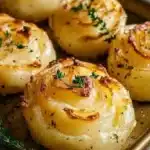
Duchess Potatoes
- Total Time: 50 minutes
- Yield: 6 servings 1x
- Diet: Vegetarian
Description
Comforting Duchess Potatoes are piped into elegant rosettes, baked until golden brown, and serve as a luxurious side dish perfect for holidays and weeknight dinners alike.
Ingredients
- 2 lbs Yukon Gold or Russet potatoes
- 1/2 cup unsalted butter, softened
- 1/2 cup heavy cream
- 3 egg yolks
- 1/2 tsp salt (to taste)
- 1/4 tsp freshly ground black pepper
- 1/4 tsp nutmeg
- 1/2 cup grated cheese (optional; Parmesan or Gruyere)
Instructions
- Preheat the oven to 400°F (200°C).
- Peel and chop the potatoes, then boil them in salted water until tender.
- Drain and let dry, then mash until smooth.
- Add butter, heavy cream, egg yolks, salt, pepper, and nutmeg, mixing well.
- Transfer the mixture to a piping bag fitted with a decorative tip.
- Pipe the potatoes onto a baking sheet lined with parchment paper.
- If desired, sprinkle with grated cheese.
- Bake in the preheated oven for 20-25 minutes until golden and crispy on the edges.
- Serve warm as a side dish.
Notes
For a lighter version, reduce cream and butter slightly, using more mashed potato for structure. Experiment with cheese and herbs for variations.
- Prep Time: 20 minutes
- Cook Time: 30 minutes
- Category: Side Dish
- Method: Baking
- Cuisine: French
Nutrition
- Serving Size: 1 serving
- Calories: 250
- Sugar: 2g
- Sodium: 350mg
- Fat: 10g
- Saturated Fat: 6g
- Unsaturated Fat: 4g
- Trans Fat: 0g
- Carbohydrates: 35g
- Fiber: 3g
- Protein: 5g
- Cholesterol: 80mg
Keywords: Duchess Potatoes, mashed potatoes, side dish, holiday recipes, comfort food