I still remember the first time the warm scent of egg custard wrapped around our kitchen and settled into the day like a soft shawl. My children were small and fidgety, but they grew quiet at that moment when the oven softened the house, and I would lift the dish and let everyone breathe in the sweet, lightly caramelized air. That hush, the smile that followed, and the small ritual of passing spoons around the table made egg custard feel like a promise kept between us, a simple comfort that turned an ordinary afternoon into something treasured. In that kitchen, every spoonful tasted of memory and home.
Why Egg Custard Still Feels Like Home
Egg custard carries more than flavor. It carries a quiet history in our family, the kind that doesn’t need fanfare. I learned to make it from my mother, who taught me to watch the custard as much as the clock. She would say, "Listen to it, and it will tell you when it is ready," and I would lean in, following the small noises and the tiny steam that rose off the surface.
When I serve this custard, I think of Sunday afternoons and soft linens on the table. I think of the way my father would take a small bite, close his eyes, and nod as if remembering a faraway place. Food does that for us. It connects us to people and moments, along with the textures and smells that make those memories real again.
Sometimes I make a larger dish for company and sometimes I spoon a single ramekin for a quiet evening. No matter the size, the feeling is the same: it nurtures. It proves that simple ingredients, handled with care, can give us something rich and honest. This recipe has become a way I tell my family I love them.
I often pair this dessert with toast or a warm, eggy breakfast for a weekend spread. If you like quick morning comfort, you might also enjoy my notes on simple egg and cheese toast that brightens our mornings.
The Story Behind Our Favorite Egg Custard
There is a story about the first time I burned the top of a custard when I was learning. I had been distracted by a crying toddler and the timer slipped by. The edges hardened a bit, and I felt embarrassed. My mother laughed softly, wiped the rim with a damp cloth, and said the custard was still fine. We ate it anyway, and my child licked the spoon and declared it perfect. That memory taught me more than a recipe. It taught me that food is forgiving and that small mistakes lead to warm, unpolished memories.
Over the years I have adjusted the tininess of measures and the depth of flavors to suit our table. I added a whisper more vanilla for winter, and sometimes a pinch of nutmeg when the air is cool. Those little changes made the custard ours without taking away its nature. I want this recipe to feel like a friend in your kitchen, something you can make with an open heart and a cup of milk. It should never feel like a test.
This dish has threaded through birthdays and ordinary Tuesdays. We bring it to gatherings and tuck it onto the table for guests who need a soft, steady flavor. It is one of those simple recipes that keeps conversation gentle and hands busy. When someone asks for a familiar comfort, this is often the dish I reach for.
Bringing Egg Custard Together
“Every time I stir this pot, it smells just like Sunday at home.”
Making egg custard is less about strict rules and more about listening. The rhythm of whisking, the silky slide of milk into eggs, and the quiet patience while it bakes create a small ceremony. You will notice the color change from pale to golden as the oven warms the surface. The custard will tremble ever so slightly in the center when it is almost done, and that is the moment to trust your senses and let it finish with a gentle stillness.
I like to set the custard cups in a warm water bath so the heat wraps them slowly. That bath keeps edges tender and prevents cracking. While it cooks, the kitchen fills with a scent that is both sweet and lightly toasted. It feels like slow time, a pause from the rush. When the top takes on a faint blush and the center feels set but soft, you will know it is ready.
Care in these moments makes a difference. Stir with a wooden spoon if you like the old way, or use a whisk for a glossy blend. Use full-fat milk if you want silkier texture, or go half and half for a richer mouthfeel. The choices are small, but they shape the way this custard comforts you at the table.
Ingredients You’ll Need
2 cups milk
4 eggs
1/2 cup sugar
1 teaspoon vanilla extract
1/4 teaspoon salt
A little extra vanilla if you love a cozy aroma. Fresh butter on the table makes slices feel richer. I sometimes add a light dusting of ground nutmeg or cinnamon on top for a warming note.
If you are gathering for a holiday table, this custard sits well next to pies and tarts. We often pair it with berry pies or something bright, like the flavors I enjoy in a cranberry custard pie on a festive afternoon. Those contrasts—smooth custard with tart fruit—make the table sing.
When I buy milk, I reach for whole milk when possible. It yields a creamier mouthfeel and a more comforting finish. For eggs, fresh ones make a noticeable difference in texture. The difference shows in the way the custard sets and the clean, warm taste on your tongue. Salt is small but important. It rounds the sweetness and lifts the flavors so the vanilla can shine.
Step-by-Step Directions
Preheat the oven to 350°F (175°C).
Set the rack in the middle so heat surrounds the custard evenly. Let the oven come to temperature and listen for that steady hum before you put the dish inside.In a mixing bowl, whisk together the eggs, sugar, and salt.
Whisk until the sugar begins to dissolve and the eggs look a touch frothy on top. You want a glossy, smooth mixture that promises gentle texture when baked.Gradually add the milk while continuing to whisk until well combined.
Pour slowly so the eggs warm without scrambling, and stir until the mixture is seamless and soft. You should feel the mix become more fluid and notice a warm dairy scent climbing from the bowl.Stir in the vanilla extract.
Fold it in with a few gentle stirs so the aroma spreads evenly. Take a moment to breathe in that vanilla warmth and let it remind you of home.Pour the mixture into custard cups or a baking dish.
Fill each cup neatly and wipe any drips from the rims so they bake clean. The smooth, pale surface will glisten and promise a tender finish.Place the cups or dish in a larger baking pan and fill the pan with hot water halfway up the sides of the custard cups.
The water will cradle the custard and give it a soft, even heat that keeps the edges from overcooking. Watch the steam rise and feel the gentle hush as the oven does its quiet work.Bake for 30-40 minutes or until set.
Wait for the edges to firm and the center to hold a slight wobble when nudged. The top may take a hint of color, and the aroma will spread across the kitchen like a warm invitation.Let cool slightly before serving.
Allow the custard to rest so it settles into a silky texture, and breathe in the faint caramel notes from the top. Serve warm or chilled, and watch the smiles begin.
How to Tell When It’s Just Right
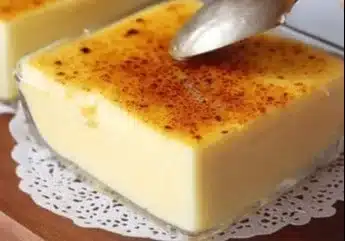
A perfect custard is tender and smooth, with no curdled bits and no large bubbles. When you nudge a ramekin, the center should wobble gently, like a slow heartbeat. The edges will be set and maybe carry a faint golden color, while the center keeps a soft look that melts into the spoon.
If you see tiny bubbles or a cracked top, the oven may have been too hot or the water bath ran dry. Do not be discouraged. You can often still save the flavor and use the custard as a base for trifle or a warm bowl topped with fruit. Cooking is forgiving when we stay calm and curious.
I find that timing can vary by a few minutes depending on the depth of the cups and your oven personality. Keep notes and tune the time for next time. That tiny bit of attention helps you make the custard your own.
Serving Egg Custard With Family Warmth
We serve egg custard in small cups that invite conversation. A spoon passes from hand to hand, and everyone takes a moment to savor the first taste. I like to set it with a small spoon and a napkin folded in a familiar way. Simple touches make the moment feel cared for.
At brunch, I place a few ramekins on a tray alongside toast and fruit, and the table hums with casual chatter. For evening dessert, I add a sprinkle of nutmeg or a thin ribbon of lemon zest to brighten the flavor. Children tend to love the plain, silky texture, while adults often enjoy a dusting of cinnamon for warmth.
If you like a contrast in textures, try a crisp cookie on the side or a spoonful of jam. A small dollop of whipped cream can make it feel celebratory without hiding the custard’s gentle nature. And when friends come by unannounced, this quick dessert brings a quiet kind of joy to the table.
When the house is chilly, a warm ramekin held between two hands feels like a small gift. In summer, I chill the custard and serve it with fresh berries for a light, sweet finish. We sometimes pair it with coffee cake for brunch, and the two together feel like a small festival; I often reach for ideas from a favorite eggnog coffee cake recipe when planning a special morning.
Small Traditions That Make It Special
We give each family member a special spoon for custard nights. The spoons are mismatched but loved, each holding stories of past meals. My children grew up with those spoons in their hands, learning that small rituals turn food into memory. This little habit invites us to slow down and celebrate the ordinary.
On rainy days, I light a candle and set the custard out with soft music. The meal becomes a kind of gentle ceremony, where the food comforts and conversation flows. My mother would say that food should feed the stomach and the soul, and this custard does both.
I like to write the date on the back of an old index card and tuck it in the recipe box whenever we try a new variation. Years from now, when I pull out the box, those cards will read like a map of the family’s tastes and seasons. It’s a small practice that keeps the recipe living within our home.
Tips for Confident Custard Making
Work at a relaxed pace. Rushing leads to uneven heat and a nervy texture. Use room-temperature eggs if you can; they mix more smoothly with milk and help the custard set evenly. If your oven runs hot, consider lowering the temperature by 10 degrees and adding a few extra minutes.
A clean rim matters. Wipe spills before baking so the edges do not burn and stick. Fill the water bath with hot tap water to avoid shock from cold water, and check the water level halfway through to keep a gentle steam around the cups.
If you want a silkier finish, strain the custard through a fine sieve before pouring it into cups. This step removes any bits of cooked egg and ensures a glassy surface. It may feel like an extra move, but it pays off with a smooth, delicate mouthfeel that will make your family take slow, satisfied bites.
I sometimes use a shallow baking dish for larger groups, and I adjust the bake time until the center holds. When serving a large crowd, you might find that having an extra tray ready gives you flexibility to swap in warm cups as they come out.
When you serve leftovers, the custard often feels calmer and more settled. Flavors blend and deepen, making the next day almost as lovely as the first.
Making It Your Own: Little Changes That Matter
Everyone’s kitchen has its own voice, and that voice deserves to be heard in this recipe. Add a strip of lemon peel to the milk as it warms and remove it before mixing for a bright lift. Stir a teaspoon of orange blossom water into the custard for a floral note that is light and surprising.
If you want a richer custard, substitute part of the milk with cream. If you prefer a lighter version, try half milk and half almond milk for a subtle nutty tone. A sprinkle of ground cardamom gives the custard an exotic warmth that makes it feel festive.
When I experiment, I write down what I did so I can repeat what worked or tweak what did not. Small experiments lead to family favorites. You might discover a version that becomes your signature.
Sometimes I set a thin layer of caramel on the bottom of the ramekins before pouring the custard, and the result becomes a soft, sweet surprise when plated. That slight crunch complements the custard’s silk and brings an extra smile.
I also like to serve custard with simple preserves or roasted fruit to add a tangy counterpoint. For an easy pairing, heat seasonally ripe fruit with a spoon of sugar until it softens, and spoon it over the custard just before serving.
If you love savory twists, try a lightly salted crust or a crisped prosciutto crumble alongside a tiny cup served as a luxurious starter. It is unexpected, but food is more fun when we mix worlds.
When Things Don’t Go Exactly as Planned
If the custard comes out with a few small curdled bits, do not panic. Strain it and reheat gently over a water bath on the stove, stirring until smooth, and then chill. It can recover. If the top cracks or browns a little too much, cover the dish with foil and let the center finish without further coloring.
If the center never seems to set, you may need a few more minutes in the oven, or your cups could be deeper than the recipe assumes. Pull one out, test, and note the time for next time. Oven times are guides, not rules.
Remember that food remembers your care, not your perfection. Even if a dish is imperfect, it feeds and comforts. That is often what matters most at our table.
I sometimes turn imperfect custard into a creamy base for pancakes or blend it into a smooth sauce for a cake. It becomes a whisper of the original, and the house still tastes like home.
Storing Egg Custard for Tomorrow
Allow the custard to cool to room temperature before covering it with plastic wrap or a tight lid. Store it in the refrigerator for up to three days. The flavor will deepen and the texture will become denser in a comforting way.
To reheat, warm gently in a bain-marie or place the ramekin in a shallow oven at low temperature until just warm. Avoid the microwave when possible, as quick heating can create pockets of overcooked egg. If you do use the microwave, heat in short bursts and check often.
If you plan to freeze, note that the custard will change texture when thawed. I prefer to keep it chilled and fresh, but you can freeze it in an airtight container for up to a month and thaw slowly in the fridge. Then, stir gently before serving and add a touch of fresh vanilla to brighten the flavors.
When I share custard with friends, I tell them to keep it simple: cool, cover, and refrigerate. A small note about reheating helps them enjoy it as if it had just come from my kitchen. For holiday potlucks, I sometimes make the custard the day before; it tastes mellow and confident the next day, as if it had been resting in family conversation.
If you want to preserve custard for longer, consider turning it into a frozen custard treat with a bit of sugar and churn time, or use it as a base in another dessert that freezes well. The tastes will shift, but they remain familiar and warm.
I once packed custard carefully for a picnic, and the cool cups felt like a secret treasure when we opened them at the park. Even travel cannot dull the comfort of a spoonful shared in the open air.
Extra Notes on Pairings and Presentation
Think small when presenting custard. A thin curl of lemon zest or a dusting of cinnamon makes a big visual impact. Place each cup on a small saucer with a tiny spoon and a folded napkin for a neat, homey look. Use mismatched cups for a lived-in feeling that suggests history and comfort.
For guests, add a small side plate with toast points or crisp biscotti for texture. A drizzle of honey over the top brightens the sweetness without overpowering the custard. Fresh berries or a spoonful of stewed fruit bring freshness and balance.
If you serve custard at a party, label the cups with small tags describing flavors or toppings. People appreciate the thought, and it becomes part of the conversation. The simple act of caring about presentation keeps the meal feeling special.
When a child asked for sprinkles once, we laughed and let them add a tiny constellation. It tasted just as warm and familiar, and it became a story we would tell again and again.
Cooking with Children: A Tender Learning Moment
Making custard with little hands is like teaching a gentle skill. Children learn to pour slowly, measure carefully, and listen for the oven’s signs. I let them whisk under my watchful eye and give them small tasks like wiping rims or setting timers. Their pride in a job shared is unmatched.
We talk about the smells and textures. I ask them what the custard reminds them of and we collect answers on the fridge. Those moments create their own traditions and teach that food connects us. The best recipes are the ones that become part of family lore.
When they are old enough, I hand them the spoon and ask them to be the first to taste. Their reactions are honest and delightful. Their joy becomes my favorite garnish.
Cooking together builds confidence and a love of real food. That is the sort of teaching I value most. If you want to include a light soup or simple main before dessert, I sometimes prepare a bowl inspired by the gentle flavors in chicken noodle soup with egg noodles for a soft, homey meal.
A Note on Ingredients and Choosing the Best
Always use the best ingredients you can find for something so simple. Fresh eggs make a smooth custard, and whole milk or a mix with cream gives a more indulgent mouthfeel. Vanilla extract quality shows up strongly, so choose true vanilla when possible.
If you are watching sugar, reduce it slightly and taste the mix before baking; a custard with less sugar can still be delightful with fresh fruit on top. Salt is the secret partner to sweetness, and even a small pinch helps lift the flavors.
When I shop for milk, I remember my mother’s advice: choose what tastes right to your family. Sometimes that means organic, sometimes full fat, and sometimes just what the local grocer has. The point is to use food that fits your life and brings you comfort.
A small jar of vanilla makes me feel indulgent without fuss. I keep a few staples on hand so I can make this dessert whenever the mood calls.
When to Bring This Dessert to the Table
Egg custard fits many moments. Bring it to a friend who needs a quiet lift. Make it for a holiday as a tender, understated option among richer desserts. Offer it on a weeknight as a simple reward for small achievements or as a way to slow down after a busy day.
For gatherings, it is an easy dessert to scale. Ramekins are forgiving and allow everyone a personal portion. For intimate meals, a single dish shared signals closeness and warmth. It is the kind of dessert that keeps conversation warm and plates tidy.
If you have a brunch planned, custard brings calm and sweetness without stealing the spotlight. For late-night comforts, a small bowl with a spoon becomes a quiet ritual.
I often think of custard as a hug on a plate. It is quiet, steady, and there for you when you need it.
Conclusion
If you want another clear, tested version of egg custard to compare notes or to follow a trusted method, I often cross-check with a reliable guide like Egg Custard Recipe for extra reassurance and small variations.
Print
Classic Egg Custard
- Total Time: 45 minutes
- Yield: 4 servings 1x
- Diet: Vegetarian
Description
A comforting egg custard recipe that evokes warm memories and family traditions.
Ingredients
- 2 cups milk
- 4 eggs
- 1/2 cup sugar
- 1 teaspoon vanilla extract
- 1/4 teaspoon salt
- A little extra vanilla (optional)
- Ground nutmeg or cinnamon (for topping, optional)
Instructions
- Preheat the oven to 350°F (175°C) and set the rack in the middle.
- In a mixing bowl, whisk together the eggs, sugar, and salt until frothy.
- Gradually add the milk while whisking, until well combined.
- Stir in the vanilla extract and mix gently.
- Pour the mixture into custard cups or a baking dish, filling them neatly.
- Place the cups in a larger baking pan and fill the pan with hot water halfway up the sides of the custard cups.
- Bake for 30-40 minutes or until set, with a slight wobble in the center.
- Let cool slightly before serving. Serve warm or chilled.
Notes
For a richer flavor, consider using full-fat milk or cream. Use fresh ingredients for the best results.
- Prep Time: 15 minutes
- Cook Time: 30 minutes
- Category: Dessert
- Method: Baking
- Cuisine: American
Nutrition
- Serving Size: 1 serving
- Calories: 250
- Sugar: 18g
- Sodium: 150mg
- Fat: 9g
- Saturated Fat: 5g
- Unsaturated Fat: 3g
- Trans Fat: 0g
- Carbohydrates: 30g
- Fiber: 0g
- Protein: 8g
- Cholesterol: 210mg
Keywords: custard, dessert, comforting, family recipe, egg custard