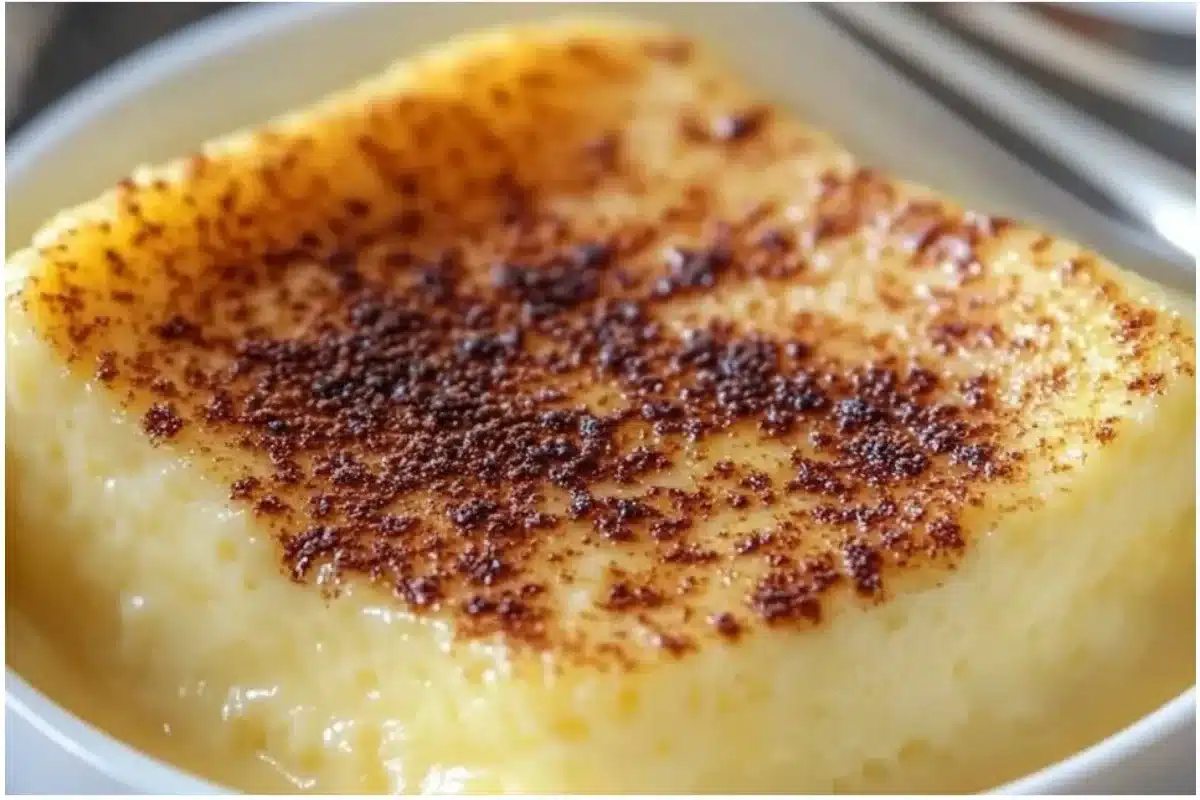
Fail-Proof Egg Custard are a silky, gently browned custard that smells of warm vanilla and nutmeg the moment it comes from the oven. This simple dessert — rich, creamy, and lightly jiggle-y — is perfect for cozy weeknights, holiday dinners, or a quick sweet to lift the mood. With just a few pantry staples and minimal hands-on time, it’s sustainable, budget-friendly, and a seasonal favorite when dairy and eggs are plentiful. For an extra custard-inspired treat, try this Cranberry Custard Pie.
Why You’ll Love This Recipe
This Fail-Proof Egg Custard is the kind of dessert you turn to when you want something comforting and elegant without fuss. Make it for family dinners, potlucks, or holiday spreads — it travels well and pleases both kids and adults. The convenience is unbeatable: simple whisking, a gentle bake in a water bath, and you’re rewarded with a smooth, velvet texture and a warm vanilla aroma. Versatile, it can be served warm for immediate comfort or chilled for a refreshing finish, and it pairs beautifully with fresh fruit or a crisp cookie.
Seasonal Ingredients Spotlight
When eggs and milk are at their freshest — late winter into spring in many regions — this custard really shines. Look for farm-fresh eggs with deep golden yolks and local whole milk for a creamier mouthfeel and richer color. Fresh nutmeg adds a bright, aromatic lift; when grated over the top it releases warm, peppery notes that contrast the custard’s sweetness. If you can source organic or pasture-raised eggs and milk, the dish becomes more sustainable and flavorful. Using seasonal berries as a topper will add pops of color, tartness, and a juicy texture to every spoonful.
What You’ll Need
- 4 large eggs — room temperature; yolks give richness and a golden hue. (Substitute: 3 large eggs + 1 egg yolk for extra silkiness.)
- 1/3 cup granulated sugar — balances creamy milk; use coconut sugar for a deeper caramel note.
- 1 teaspoon pure vanilla extract — floral, sweet aroma; or scrape a vanilla bean for an extra luxe flavor.
- 1/8 teaspoon salt — enhances all flavors.
- 2 cups milk (2% or whole) — whole milk yields a creamier, more indulgent texture; use 2% for a lighter custard.
- 1/8 teaspoon ground nutmeg (for topping) — freshly grated nutmeg smells brighter and more complex.
Substitutions & texture notes: For dairy-free, swap milk for full-fat canned coconut milk for a tropical, slightly denser custard. For a lower-sugar option, reduce sugar to 1/4 cup and add a splash of maple syrup for depth. If you prefer ultra-silky custard, strain the custard base through a fine-mesh sieve before pouring into the baking dish. If making smaller portions, reduce baking time accordingly.
For a savory breakfast twist or to serve alongside simple toasts, consider pairing with Egg Cheese Toast.
How to Make This Recipe
- Preheat & Prep — Preheat the oven to 350°F (175°C) and lightly grease an 8×8-inch baking dish. Greasing creates a gentle release and a bit of toasty color at the edges.
- Whisk the Base — In a large bowl, whisk the eggs, sugar, vanilla, and salt until smooth and light. You’ll notice the mixture become pale and slightly frothy, indicating the sugar is dissolving.
- Warm the Milk — In a small saucepan, warm the milk over medium heat until it reaches about 180°F — just before simmering. Warm milk helps the custard set evenly and releases that cozy, milky aroma.
- Temper the Eggs — Slowly pour the hot milk into the egg mixture in a thin stream while whisking constantly to temper the eggs. This prevents scrambling and keeps the texture silky.
- Finish the Custard Base — Continue whisking for another minute until the custard base is smooth and creamy. It should look unified and glossy with no visible bits of cooked egg.
- Pour & Top — Pour the mixture into the prepared baking dish and sprinkle nutmeg evenly over the top. The nutmeg will toast slightly in the oven and perfume the surface.
- Prepare the Water Bath — Place the baking dish inside a larger roasting pan and add about 1 inch of hot water to create a water bath. The steam and gentle heat ensure even cooking and prevent curdling.
- Bake — Bake for 45–50 minutes, or until a knife inserted in the center comes out clean and the custard still jiggles slightly. The center should have a faint wobble; it will firm as it cools.
- Cool Carefully — Remove from the oven and carefully take the dish out of the water bath. Let cool before serving. Cooling prevents the surface from cracking and helps flavors settle.
- Serve — Serve warm for a cozy treat or chill in the fridge for a refreshing dessert. Warm custard feels pillow-soft; chilled brings a firmer, sliceable texture.
Step Examples
- Prepare the Base — Tip eggs to room temperature and measure sugar. Whisk until the mix is smooth; you’ll see a pale, ribbon-like trail when you lift the whisk.
- Mix the Ingredients — Combine eggs, sugar, vanilla, and salt; the batter should be glossy and pourable, not lumpy.
- Shape or Cook — Pour into the greased dish, top with nutmeg, and use a water bath to bake gently until just set with a slight jiggle.
- Finish or Garnish — Grate fresh nutmeg or add a handful of berries for color and acidity.
- Serve and Enjoy — Spoon warm custard into bowls for immediate comfort or slice chilled squares for an elegant presentation.
Essential Tools
- Medium mixing bowl and whisk (or hand mixer) — a whisk gives control; a mixer speeds things up.
- Small saucepan — for gently warming milk to temper eggs.
- 8×8-inch baking dish — fits in a roasting pan for the water bath.
- Large roasting pan — to hold hot water for even cooking.
- Fine grater for nutmeg and a knife for testing doneness.
Optional: kitchen thermometer to check milk temperature; a fine-mesh sieve for an ultra-smooth texture. If you use affiliate tools or local cookware, choose ovenproof dishes rated for water-bath baking.
Meal Prep & Storage Tips
Custard keeps well and is forgiving to prep ahead. Cool completely, cover tightly with plastic wrap or an airtight container, and refrigerate for up to 3–4 days. For easy entertaining, bake the custard the day before and chill; flavors meld and the texture firms to a pleasant, sliceable consistency. To freeze, portion into airtight containers and freeze for up to one month — thaw overnight in the refrigerator. When reheating, warm gently in a low oven or microwave short bursts to avoid curdling. If planning a cozy meal, pair with make-ahead mains like a big pot of Chicken Noodle Soup to save time and serve a comforting spread.
Perfect Pairings
Egg custard’s creamy sweetness pairs beautifully with bright, acidic fruits — think macerated berries, sliced pears, or a tart compote to cut the richness. For texture contrast, serve with a crisp cookie, shortbread, or toasted nuts for crunch. Coffee, black tea, or a floral dessert wine like Moscato complement the vanilla and nutmeg notes; for brunch, a lightly spiced chai or a citrusy sparkling water lifts the palate. Visually, serve custard in shallow bowls with a dusting of nutmeg and a few colorful berries or a sprig of mint for a restaurant-worthy presentation.
Nutrition Facts
Estimated per serving:
- Calories: ~180 kcal
- Fat: 8 g
- Carbohydrates: 24 g
- Protein: 3 g
- Fiber: 1 g
- Sugar: 14 g
Avoid These Common Pitfalls
Avoid common mistakes that lead to grainy or curdled custard. Don’t rush tempering: adding hot milk too quickly will scramble the eggs. Use a water bath to regulate oven heat and prevent the edges from overcooking while the center sets. Overbaking yields a rubbery texture; aim for a slight jiggle. If your custard has bubbles or uneven surface, tap the dish gently before baking to release air. For flavor balance, don’t skip the pinch of salt — it brightens the vanilla.
Examples
- Dough Too Dry — Add a splash of milk until pliable. (For batters, a little extra liquid smooths texture.)
- Chocolate Coating Breaks — Ensure melted chocolate is smooth and warm.
- Unevenly Shaped Balls — Use a cookie scoop for uniform portions.
Pro Tips for Best Results
Use room-temperature eggs so they incorporate smoothly and reduce the risk of shocking the cold milk. Freshly grate whole nutmeg over the top for a brighter, more complex aroma than pre-ground spices. If you want an extra-silky surface, strain the custard base through a fine-mesh sieve before pouring. Watch the oven toward the end of baking — timing can vary by oven and dish depth. For quick service, make smaller servings in ramekins; they bake faster and present beautifully.
Recipe Variations to Explore
- Citrus Vanilla Custard: Add 1 teaspoon finely grated orange zest to the custard base for a bright, citrusy note.
- Maple Coconut Custard: Replace sugar with 1/4 cup maple syrup and swap milk for full-fat coconut milk for a rich, autumnal flavor.
- Spiced Autumn Custard: Stir in 1/4 teaspoon ground cinnamon and a pinch of cloves for a cozy seasonal twist.
- Chocolate Swirl: Melt 2 tablespoons dark chocolate and gently swirl into the base before baking for ribbons of chocolate.
- Mini Ramekins with Fruit: Pour into individual ramekins and top with sliced stone fruit or berries for single-serve elegance.
Dietary Adaptations & Safety Info
Allergens: this recipe contains eggs and dairy. For vegan adaptation, use a silken tofu base blended with plant milk, a thickener like cornstarch, and a sweetener, though texture will differ. Dairy-free option: full-fat canned coconut milk yields a rich, custardy texture. Always use pasteurized eggs or cook to a safe temperature if serving to pregnant people or immunocompromised guests. Cool and refrigerate within two hours to avoid bacterial growth.
Frequently Asked Questions
Q: Can I make this custard without a water bath?
A: You can bake without a water bath, but it increases the risk of uneven cooking and a rubbery texture. The water bath moderates oven heat for a creamy result.
Q: How do I know when the custard is done?
A: The center should still jiggle slightly; a knife inserted near the center should come out mostly clean. The custard will continue to set as it cools.
Q: Can I use evaporated milk or cream instead of milk?
A: Yes. Evaporated milk will deepen flavor; heavy cream makes it richer but increases calories. You may need to reduce total fat by balancing with lower-fat milk if desired.
Q: Why did my custard curdle or become grainy?
A: Curdling occurs when eggs overcook. Ensure you temper the eggs carefully, bake gently in a water bath, and avoid overbaking. Straining the custard before baking can also help.
Q: Can I add flavors like coffee or liqueur?
A: Absolutely. Fold in a teaspoon of instant espresso or a tablespoon of liqueur (e.g., Grand Marnier) after tempering for a sophisticated twist. Be mindful of liquid additions — small amounts are best.
Q: How long does it keep in the fridge?
A: Stored in an airtight container, it stays fresh for 3–4 days. For best texture, consume within this window.
Q: Can I double the recipe?
A: Yes — use a larger baking dish and extend baking time; check doneness with the knife test. Ensure the water bath still surrounds the baking dish adequately.
Final Thoughts & Next Steps
This Fail-Proof Egg Custard is a small-ingredient wonder that rewards patience with a silky, aromatic dessert. Try it warm with berries or chilled as an elegant finish to any meal. If you make it, leave a comment, share a photo, or tag your creation — I’d love to see your custard moments. For more cozy desserts and recipes, explore our dessert category.
Print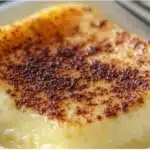
Fail-Proof Egg Custard
- Total Time: 65 minutes
- Yield: 4 servings 1x
- Diet: Vegetarian
Description
A creamy and silky egg custard dessert with warm vanilla and nutmeg flavors, perfect for cozy gatherings or holiday dinners.
Ingredients
- 4 large eggs
- 1/3 cup granulated sugar
- 1 teaspoon pure vanilla extract
- 1/8 teaspoon salt
- 2 cups milk (2% or whole)
- 1/8 teaspoon ground nutmeg (for topping)
Instructions
- Preheat the oven to 350°F (175°C) and lightly grease an 8×8-inch baking dish.
- In a large bowl, whisk the eggs, sugar, vanilla, and salt until smooth and light.
- In a small saucepan, warm the milk over medium heat until it reaches about 180°F.
- Slowly pour the hot milk into the egg mixture in a thin stream while whisking constantly.
- Continue whisking for another minute until the custard base is smooth and creamy.
- Pour the mixture into the prepared baking dish and sprinkle nutmeg evenly over the top.
- Place the baking dish inside a larger roasting pan and add about 1 inch of hot water to create a water bath.
- Bake for 45–50 minutes, or until a knife inserted in the center comes out clean and the custard jiggles slightly.
- Remove from the oven and let cool before serving.
- Serve warm or chilled, topped with fresh fruit or cookies.
Notes
For an extra-silky texture, strain the custard before baking and use room-temperature eggs for better incorporation.
- Prep Time: 15 minutes
- Cook Time: 50 minutes
- Category: Dessert
- Method: Baking
- Cuisine: American
Nutrition
- Serving Size: 1 serving
- Calories: 180
- Sugar: 14g
- Sodium: 150mg
- Fat: 8g
- Saturated Fat: 5g
- Unsaturated Fat: 3g
- Trans Fat: 0g
- Carbohydrates: 24g
- Fiber: 1g
- Protein: 3g
- Cholesterol: 186mg
Keywords: custard, dessert, egg custard, creamy dessert, holiday dessert