I still remember the first time the warm, sweet steam from a just-baked custard curled up into my face and made me close my eyes for a beat, as if the kitchen had reached back in time and handed me a memory. The soft, eggy aroma mixed with a hint of vanilla made the whole house hush for a minute, and my children tiptoed in, drawn by the scent in the same way they always come home for the small comforts. That slow, gentle wobble when I nudged the dish told me everything was right, and that simple wobble became our quiet family applause. If you love small rituals that make a house feel like home, you will find this Fail-Proof Egg Custard to be one of those recipes that arrives with both comfort and calm. For a cozy breakfast that pairs nicely with toasted bread like my little favorite, try the texture contrast with egg cheese toast sometime soon.
Why Fail-Proof Egg Custard Feels Like Home
There is a reason custard finds its way to so many family tables. It is gentle, honest food that remembers how to be simple and still feel special. For me, making this Fail-Proof Egg Custard is less about showing off and more about showing up. I make it on slow Sundays and on nights when someone needs a soft, sweet hug on a plate.
The recipe came from a small, well-loved card that I keep tucked beside my baking tin. I scribbled notes on the edge over the years, adding little reminders like "watch the temp" and "vanilla makes it sing." Each note is like a whisper from a previous Sunday, a soft voice that says do this the same way next time. That quiet continuity is what turns a recipe into a tradition.
My kids have their own ways of helping. One watches the milk as I warm it, announcing when steam begins to rise. The other sprinkles the nutmeg with a flourish, proud of the tiny freckled top that crowns the custard. Those small tasks make them feel part of the ritual, and later they will retell the story as if they were the ones who made it perfect. Food makes stories easier to recall.
This custard is forgiving. It welcomes imperfect measures and messy hands. It teaches patience with a gentle nudge, asking you to stir slowly and breathe in the warm vanilla. If you love the quiet work of baking, this dessert will reward you. If you are new to custards, this is the kind that holds your hand and smiles.
The Story Behind Our Favorite Fail-Proof Egg Custard
The first time I served this Fail-Proof Egg Custard to a crowd, I was nervous. It was a small family gathering after a long week, and I wanted something that tasted like comfort without fuss. I remember pulling it from the oven and hearing a little gasp across the table when the lid came off and the sweet scent spilled out.
After that night the dish became a simple promise. Whenever someone was sick, I took it over in a small, heatproof dish. When a friend had a baby, it appeared on her counter, and she told me later that the soft, mild sweetness had helped settle her new, tired days into something softer. Those stories stitched this custard into the map of our family life.
I like how this recipe walks the line between everyday and special. It can sit at the center of a weeknight meal, or it can be arranged on a pretty plate for guests. I have watched it live at brunch, on rainy afternoons, and at late dinners that began with laughter and ended in quiet conversation. It does so much of the emotional work without needing a fuss.
If you ever want something that feels like slow comfort and fast success, this custard fits both bills. It is the kind of recipe that invites conversation, because while it cooks you can set the table, sit down with a cold cup of tea, and talk about the small things that matter. It teaches patience and reward in the same breath.
How to Make Fail-Proof Egg Custard
“Every time I stir this pot, it smells just like Sunday at home.”
Making this custard is a small rhythm. You whisk, you warm, you watch, and then you wait. The movement of the whisk, the steam rising from the milk, the way the mixture thickens just a hair are all gentle cues that tell you you are doing it right.
Start by choosing good ingredients. Fresh eggs will give you a cleaner flavor and a smooth texture. If you use whole milk, the custard will feel fuller and silkier. Using 2 percent milk keeps it lighter but still tender. Vanilla makes the custard sing, so if you have a vanilla bean or good pure extract, treat it kindly.
When you warm the milk, do not let it boil. You want heat and steam, not drama. The moment you see tiny bubbles at the edge and a fine veil of steam, you are there. That is when you temper the eggs by slowly adding a bit of the hot milk while whisking. That gentle stream keeps the eggs from scrambling and gives you a glossy, unified custard base.
The water bath is important. It creates a tender, even bake and softens the edges. The water acts like a patient helper, carrying heat gently so the custard cooks evenly. A knife inserted in the center should come out mostly clean, and the custard should still jiggle slightly in the middle. That wiggle means a custard that will set as it cools into the perfect creamy texture.
If you want to play with flavor, try folding in a teaspoon of orange zest or a splash of almond extract the next time you make it. I also sometimes serve it with a spoonful of warmed fruit compote or a dusting of cinnamon instead of nutmeg. The base is generous and kind, and small choices make it feel personal.
Ingredients You’ll Need
4 large eggs
1/3 cup granulated sugar
1 teaspoon pure vanilla extract
1/8 teaspoon salt
2 cups milk (2% or whole)
1/8 teaspoon ground nutmeg (for topping)
a little extra vanilla if you love a cozy aroma
fresh butter gives this its richness if you want to butter the dish lightly before pouring
a pinch of cinnamon can be swapped for nutmeg for a warmer top note
Gathering these things is part of the pleasure. I like to line them up on the counter, eggs in their carton, milk in a measuring cup, and the vanilla bottle within reach. Seeing them together feels like setting out old friends before the kitchen conversation begins. If you have a small tin of nutmeg, grate it fresh for a brighter perfume. If not, pre-ground nutmeg will still do a fine job.
If you want to make the custard richer, swap the 2 percent milk for whole milk. If you only have half-and-half, use it sparingly because the texture will be denser but still lovely. A small note about eggs: very fresh eggs blend into the custard more consistently, and the custard will hold its shape better. That said, if your eggs are a few days old they will still work well.
I like to warm the baking dish slightly before pouring, just a little, so the custard meets a gentle surface. A room-warm dish helps avoid a thermal shock that might otherwise produce tiny cracks. Those small acts of care are part technique and part kindness to the food.
Step-by-Step Directions
Preheat the oven to 350°F (175°C) and lightly grease an 8×8-inch baking dish.
- Place the oven rack in the center, then set the dish on the counter and brush it with a thin layer of butter or oil.
- The light sheen helps the custard release and gives the top a tiny edge of comfort as it browns.
In a large bowl, whisk the eggs, sugar, vanilla, and salt until smooth and light.
- Whisk with a steady hand until the mixture looks homogenous and slightly pale, with tiny ribbons where the whisk lifts.
- Feel the rhythm of the whisk and allow a moment to inhale the first soft notes of vanilla.
In a small saucepan, warm the milk over medium heat until it reaches about 180°F — just before simmering.
- Watch for steam and tiny bubbles forming at the edge, and listen to the milk’s faint whisper as it heats.
- Remove from heat at the right moment; too cool and the eggs will not temper properly, too hot and the eggs may scramble.
Slowly pour the hot milk into the egg mixture in a thin stream while whisking constantly to temper the eggs.
- Pour steadily, whisking in small circles so the eggs accept the heat without cooking into bits.
- Keep going until about half the milk is in, then continue more confidently until the mix is smooth.
Continue whisking for another minute until the custard base is smooth and creamy.
- At this point the mixture will look glossy and thin, like cream warmed on a gentle afternoon.
- Stop whisking when it feels even, with no streaks of egg or clumps to be seen.
Pour the mixture into the prepared baking dish and sprinkle nutmeg evenly over the top.
- Pour slowly so the surface stays calm, then dust the top with nutmeg as if tucking it into bed.
- The nutmeg will toast lightly in the oven and scent the custard as it bakes.
Place the baking dish inside a larger roasting pan and add about 1 inch of hot water to create a water bath.
- Carefully pour hot water into the larger pan, watching not to splash into the custard. The steam will help it cook tender.
- The water should reach roughly halfway up the sides of the baking dish so the custard bakes evenly.
Bake for 45–50 minutes, or until a knife inserted in the center comes out clean and the custard still jiggles slightly.
- Check at the lower end of the time range. You want the edges to set and the center to have a very gentle wobble.
- Breathe in the toasty vanilla scent and watch for the top to drink a little color without cracking.
Remove from the oven and carefully take the dish out of the water bath. Let cool before serving.
- Lift the baking dish out with oven mitts, set it on a rack, and allow it to rest until it falls to room temperature.
- Cooling helps the custard finish setting, and the texture will become satin-silky as it quiets.
Serve warm for a cozy treat or chill in the fridge for a refreshing dessert.
- If you serve warm, spoon it into shallow bowls and watch the steam rise like a little celebration.
- If chilled, cover and refrigerate for at least a few hours; the flavors will settle and the custard will feel more like a delicate pudding.
Bringing Fail-Proof Egg Custard Together
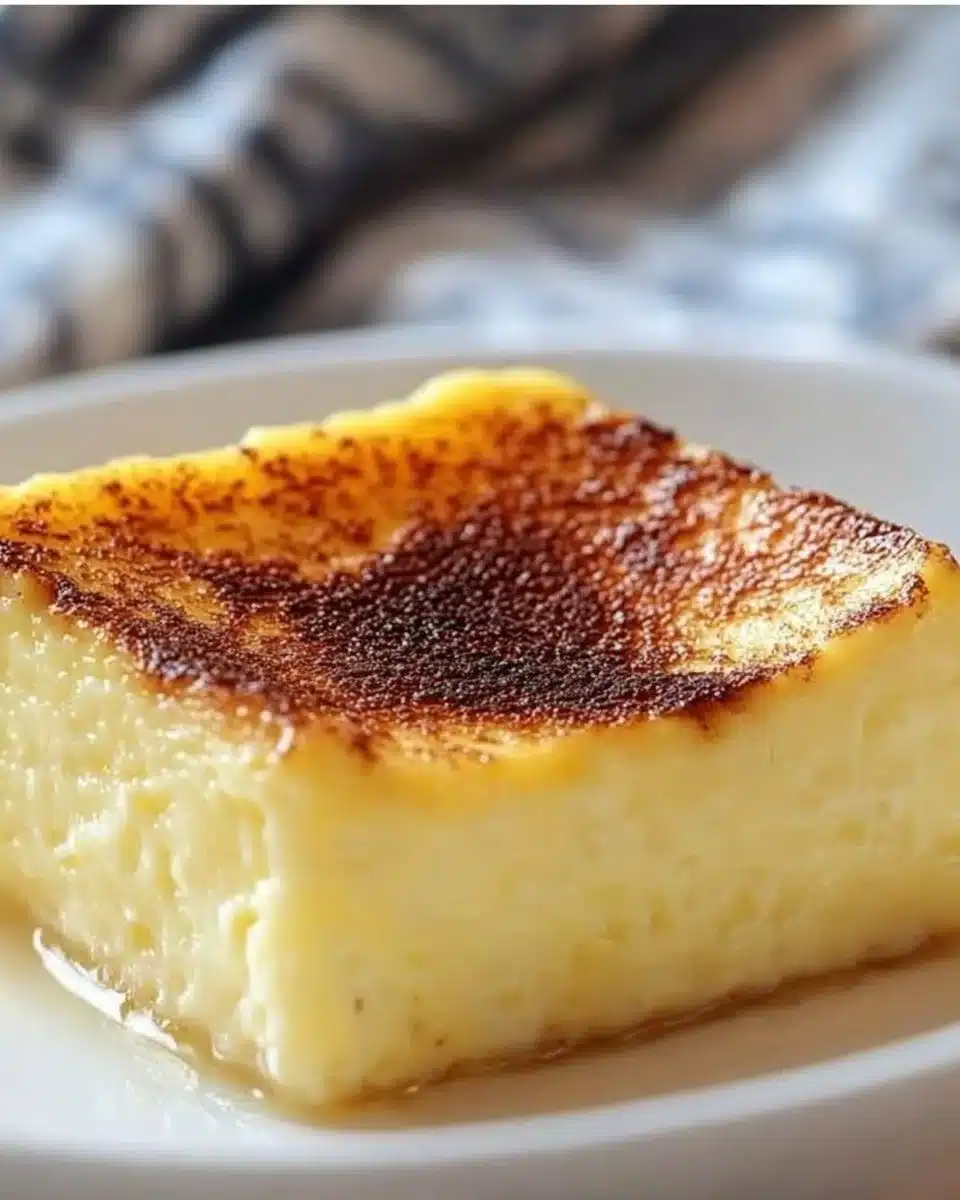
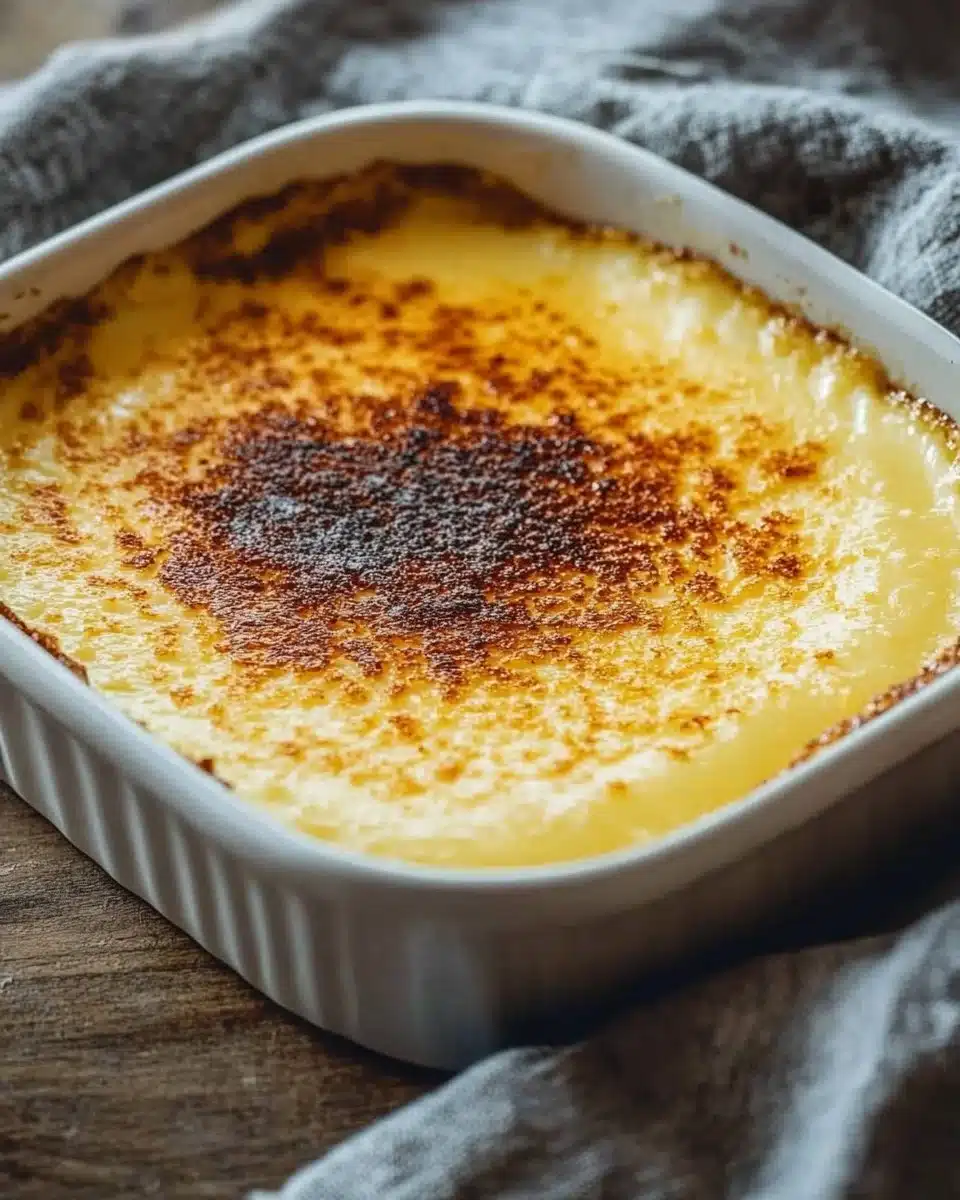
When the custard comes out perfectly, it feels like a small miracle. The top will be lightly freckled with nutmeg, the center tender and slightly jiggly. Put a spoon through it and you will see the soft, creamy texture that makes every bite glide across the tongue.
I like to let the back of my spoon gather a little custard and hold it up so the light catches the surface. It shines like a small, edible memory. If you taste the custard and it feels a hair too eggy, a sprinkle of sugar or a thin ribbon of warmed jam on top will balance it, bringing in brightness without hiding the gentle egg flavor.
This custard is a blank, generous canvas. A small spoon of warmed berries on top warms the custard’s soul. A scatter of toasted almonds adds a nice contrast in texture. If you want something simple, a dusting of powdered sugar and a cup of tea will do the job and feel like an invitation to linger.
Many of my friends ask about making this for a crowd. You can double it in a 9 by 13-inch dish, but watch the baking time. Larger pans can take longer and may need a little more water in the bath. The same patience applies: check the center for a tender jiggle rather than relying on the clock.
A small, cherished trick I use is to let the custard sit at room temperature for 10 to 20 minutes after removing it from the oven, then chill it if I want a firm set. That pause gives the flavors a little time to meet and become more harmonious. If you want the custard colder faster, place it in the refrigerator uncovered for the first hour; that helps the surface dry slightly and the flavor to focus.
Serving Fail-Proof Egg Custard With Family Warmth
I serve this custard at the table in the dish it was baked in, because there is a gentle comfort in sharing from the same pan. We set small plates around the table, each with a spoon, and everyone takes a moment of quiet before the first forkful. Those few seconds feel like a small promise to be present.
For a brunch outing, I like to pair the custard with lightly toasted bread and a small pot of coffee. The warmth of the custard and the crispness of the toast play well together. If you want to make a small ritual of it, pass a bowl of fresh fruit and let each person choose a topping; the choices bring chatter and smiles.
If you prefer to plate individual servings, spoon the custard into little ramekins and top each with freshly grated nutmeg and a berry. Elegant yet homey, the ramekin presentation feels like a small ceremony that makes the sitter feel cared for. For a casual crowd, cut it into squares and serve them with a dollop of whipped cream or a spoon of jam.
I like to add little traditions around this custard. On Sundays we always set a little note at the end of the table where each person writes one thing they are grateful for that week. The custard feels like the quiet reward for that small pause. Those tiny rituals make the dessert feel like a punctuation mark at the end of a week.
If you are feeding someone who is recuperating or needs simple comfort, serve it warm and gentle, with a soft blanket and a cup of mild tea. The custard is both food and kindness, easy to eat and easy to love. While it is sweet, it is never heavy, and that makes it perfect for those tender moments at home.
In the same place where I keep this recipe, I also tuck other small comforts, like a cranberry custard pie that my neighbor taught me last winter. If you enjoy the custard family, you might like to see the notes I made when I tried a cousin recipe at home: cranberry custard pie. It walks a similar path and has its own little voice at the table.
Storing Fail-Proof Egg Custard for Tomorrow
When you have leftovers, you will be surprised how often they vanish in the next day or two. Custard stores well and will change in a kind, slow way as the flavors sit together. The texture will firm slightly, and the vanilla will feel deeper and more relaxed.
Cover the baking dish with plastic wrap or transfer the custard into an airtight container and keep it in the refrigerator for up to three days. If you plan to keep it longer, cut it into portions and freeze them in shallow containers, though freezing will change the texture and can make it a bit grainy when thawed.
To reheat a single portion, warm it gently in a small saucepan over low heat, stirring constantly, or pop it in the microwave in short bursts, stirring between each one. Warmth brings the creaminess back. If you reheat the whole dish, do so in a low oven, wrapped, until it is just warm in the center.
Leftover custard is also lovely as a base for other things. I have stirred cooled custard into a bowl of fruit for a quick parfait, and once I folded in a little whipped cream to make a trifle layer that made a simple dessert feel like a celebration. The gentle sweetness plays well with tart fruit and crisp cookies.
When I give this custard to friends, I always include a small note about reheating and a casual invitation to come by for a cup of tea. Caring for food is a form of caring for people, and writing a tiny instruction shows someone you thought of their comfort. For a neighbor, I might place a spoonful of jam on top to brighten the next-day flavor.
If you want to see how a warm, liquid comfort like this fits into hearty home meals, try making it on the same day you simmer a pot of chicken noodle soup. The pairing of warm soup and a soft, sweet finish can make an ordinary day feel complete. If that idea appeals, here is a recipe that pairs nicely with cozy nights at home: chicken noodle soup with egg noodles.
Troubleshooting, Tips, and Little Tricks
If your custard curdles or looks grainy, it usually means the eggs cooked too quickly. That can happen if the milk was too hot when added or if the oven ran too high. To fix it, try whisking more gently and lowering the oven temperature next time.
If the top cracks, it is often because the custard baked too long or the oven was too hot. Check early for that tender wiggle in the center rather than relying solely on time. A gentler bake is often kinder to custards.
If the custard tastes flat, a pinch more salt can wake the flavors. The salt does not make it taste salty; it simply helps the vanilla and sugar sing. A quick stir of lemon zest or a small spoon of jam can add brightness if needed.
If you want a silkier custard, strain the custard base through a fine mesh sieve before pouring it into the baking dish. This removes any little bits of cooked egg or foam that might have formed while whisking. It is a small step, but it gives you an extra smooth result that feels professional and loving at once.
Use a candy thermometer if you like exact numbers, but do not let it intimidate you. The feel of the milk at the right moment, the sound of the whisk, and the slight wobble in the finished custard are all kitchen languages you will learn by doing.
Be patient with the water bath setup. The hot water slows the oven’s direct heat and helps the custard cook slowly and evenly. It may seem like extra work, but it is the gentle secret to that tender texture that makes everyone smile.
Little Variations I Love
Sometimes I add a small swirl of caramel at the bottom of the dish before pouring the custard in. When the custard sets, the caramel melts into little rivers that taste like a warm hug. It is subtle and sweet, and it makes the top a little more dramatic.
A teaspoon of instant espresso dissolved in the milk makes a grown-up version that pairs nicely with chocolate shavings on top. It is still soft and comforting, but with a whisper of sturdier flavor for a special moment.
If you want to make flavored custard jars for a gift, place the custard into small, heatproof jars, top with plastic wrap once cool, and tie with a ribbon. Add a small handwritten note with reheating tips and a suggestion for serving with fresh berries. People love the homemade touch.
For a lighter touch, fold in a small amount of whipped cream after the custard has cooled to room temperature. The texture becomes cloud-soft, and the sweetness feels airy. That is a lovely option for warm days when a lighter dessert is more welcome.
Conclusion
This Fail-Proof Egg Custard is more than a dessert. It is a quiet way to gather, to soothe, and to celebrate small moments with those we love. Whether you make it for a slow Sunday or a midnight craving, it asks only for a little patience and returns a gentle, lasting warmth. For another take on this classic that inspired some of my notes, you can read the original recipe I used as a guide at Fail-Proof Egg Custard on 12 Tomatoes.
Print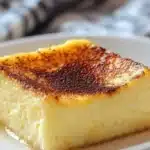
Fail-Proof Egg Custard
- Total Time: 65 minutes
- Yield: 4 servings 1x
- Diet: Vegetarian
Description
A comforting and gentle dessert that brings warmth and nostalgia to the table.
Ingredients
- 4 large eggs
- 1/3 cup granulated sugar
- 1 teaspoon pure vanilla extract
- 1/8 teaspoon salt
- 2 cups milk (2% or whole)
- 1/8 teaspoon ground nutmeg (for topping)
- A little extra vanilla if you love a cozy aroma
- Fresh butter for greasing the dish
- A pinch of cinnamon (optional)
Instructions
- Preheat the oven to 350°F (175°C) and lightly grease an 8×8-inch baking dish.
- In a large bowl, whisk the eggs, sugar, vanilla, and salt until smooth and light.
- In a small saucepan, warm the milk over medium heat until it reaches about 180°F — just before simmering.
- Slowly pour the hot milk into the egg mixture in a thin stream while whisking constantly to temper the eggs.
- Continue whisking for another minute until the custard base is smooth and creamy.
- Pour the mixture into the prepared baking dish and sprinkle nutmeg evenly over the top.
- Place the baking dish inside a larger roasting pan and add about 1 inch of hot water to create a water bath.
- Bake for 45–50 minutes, or until a knife inserted in the center comes out clean and the custard still jiggles slightly.
- Remove from the oven and carefully take the dish out of the water bath. Let cool before serving.
- Serve warm or chill in the fridge for a refreshing dessert.
Notes
This custard is forgiving and welcomes imperfect measures. Don’t rush the process and enjoy the warm aroma as it bakes.
- Prep Time: 15 minutes
- Cook Time: 50 minutes
- Category: Dessert
- Method: Baking
- Cuisine: American
Nutrition
- Serving Size: 1 serving
- Calories: 250
- Sugar: 10g
- Sodium: 150mg
- Fat: 10g
- Saturated Fat: 5g
- Unsaturated Fat: 4g
- Trans Fat: 0g
- Carbohydrates: 30g
- Fiber: 0g
- Protein: 7g
- Cholesterol: 210mg
Keywords: custard, dessert, cozy, family recipe, egg custard, baking, fail-proof