French Butter Cake Recipe
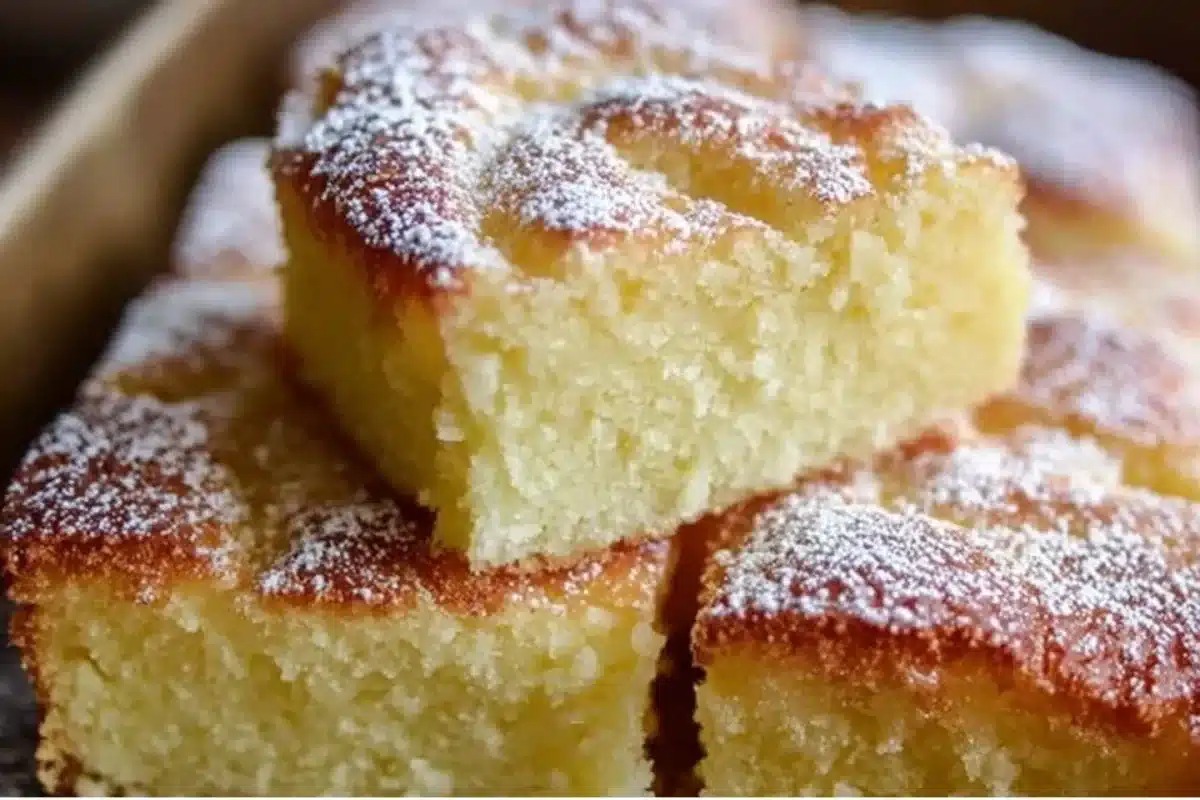
French Butter Cake is a delightful treat that’s rich, buttery, and surprisingly easy to make. This cake is perfect for all occasions, from casual family gatherings to elegant celebrations.
What is French Butter Cake? Origins & Cultural Significance
The French Butter Cake, known locally as “Gâteau au Beurre,” is a beloved classic that represents the heart of French baking traditions. This delightful butter cake recipe has been passed down through generations, originating from the rustic kitchens of rural France where butter was considered “liquid gold” in dessert-making. The French Butter Cake’s rich history is intertwined with the evolution of French culinary arts, where simplicity and quality ingredients became the cornerstone of authentic French desserts.
What makes this French dessert cake truly special is its cultural significance in French society. For centuries, the French Butter Cake has been a staple at family gatherings, local bakeries, and elegant afternoon tea services. This simple yet sophisticated butter cake recipe showcases the French philosophy: fewer, high-quality ingredients create superior flavor and texture. The perfect balance of butter, eggs, sugar, and flour demonstrates why French baking techniques have influenced confectionery worldwide.
Today, the French Butter Cake remains a testament to timeless baking excellence. Whether served at casual family dinners or formal celebrations, this versatile butter cake recipe continues to capture hearts with its tender crumb and pure, buttery flavor. Its enduring popularity across continents proves that a well-executed French Butter Cake transcends cultural boundaries, making it one of the most sought-after classic cake recipes for both home bakers and professional pastry chefs worldwide.
Why Make This Recipe
This French Butter Cake is not just delicious; it’s also versatile. You can serve it at birthday parties, tea times, or even simple afternoon snacks. Its moist texture and buttery flavor make it a crowd-pleaser, sure to impress your guests. Additionally, it’s easy to customize, allowing for various toppings or side dishes, like fresh berries or whipped cream.
Beyond its delicious taste, baking a French Butter Cake from scratch offers numerous practical benefits. This homemade butter cake recipe is significantly more cost-effective than purchasing from bakeries, and it fills your home with an irresistible aroma. The French Butter Cake is also perfect for beginners learning classical baking techniques, as its straightforward method builds essential skills. Whether you’re hosting a dinner party, celebrating a special occasion, or simply wanting to impress loved ones with homemade baked goods, this versatile French dessert cake recipe delivers consistent, professional results every time.
How to Make French Butter Cake
Ingredients
- 1 cup unsalted butter, softened
- 1 cup granulated sugar
- 4 large eggs
- 1 teaspoon vanilla extract
- 2 cups all-purpose flour
- 1 teaspoon baking powder
- 1/2 teaspoon salt
- 1/2 cup milk
Understanding Key Ingredients for French Butter Cake Success
Each ingredient in a French Butter Cake plays a crucial role in creating the perfect texture and flavor profile. Understanding their functions will help you achieve professional-quality results:
• Butter: The star ingredient that provides richness and flavor. Using high-quality unsalted butter at room temperature is essential for optimal creaming, which incorporates air into the batter and creates a light, tender crumb. Room temperature butter blends smoothly with sugar, creating the ideal foundation.
• Sugar: Granulated sugar not only sweetens but also aerates the batter when creamed with butter. This mechanical action creates tiny air pockets that result in the cake’s signature light texture. The sugar crystals dissolve into the batter, creating a smooth and uniform mixture.
• Eggs: Large eggs act as binders and emulsifiers, helping to combine fat and water-based ingredients seamlessly. Eggs add structure, moisture, and contribute to the cake’s rise. Room temperature eggs blend more thoroughly into the batter.
• Vanilla Extract: This aromatic ingredient enhances the buttery flavor without overpowering it, adding depth and complexity to the final cake.
• All-Purpose Flour: Provides structure and crumb. The protein in flour develops when mixed, creating the cake’s framework. Don’t overmix once flour is added.
• Baking Powder: The leavening agent that helps the cake rise, creating that tender, fluffy texture French Butter Cakes are known for.
• Salt: A small amount of salt enhances all flavors and balances sweetness, making the cake taste more sophisticated.
• Milk: Adds moisture and helps achieve the perfect consistency, ensuring the batter spreads evenly in the pan.
Directions
- Preheat your oven to 350°F (175°C) and grease and flour a cake pan.
- In a large bowl, cream the softened butter and sugar together until the mixture is light and fluffy.
- Add the eggs one at a time, beating well after each addition. Then stir in the vanilla extract.
- In a separate bowl, whisk together the flour, baking powder, and salt. Gradually add this mixture to the butter mixture, alternating with milk, starting and ending with the flour mixture. Mix until just combined.
- Pour the cake batter into the prepared pan, smoothing the top with a spatula.
- Bake for 30-35 minutes, or until a toothpick inserted into the center comes out clean.
- Allow the cake to cool in the pan for about 10 minutes, then transfer it to a wire rack to cool completely.
- Serve dusted with powdered sugar or alongside fresh berries for an added touch of freshness.
Pro Baker Tips: For optimal results, ensure all ingredients, especially butter and eggs, are at room temperature before starting. This allows them to blend smoothly, creating a uniform batter that bakes evenly. Avoid opening the oven door during baking, as temperature fluctuations can cause the cake to collapse. The toothpick test is your best friend: a few moist crumbs indicate perfect doneness, but if it’s completely clean, the cake may be slightly overbaked.
How to Serve French Butter Cake
This cake is incredibly versatile for serving! You can enjoy it plain, or you might want to dress it up with a light dusting of powdered sugar, warm chocolate sauce, or fresh strawberries. Pair it with a cup of tea or coffee for a charming afternoon treat.
How to Store French Butter Cake
To keep your French Butter Cake fresh, store it in an airtight container at room temperature for up to three days. For longer storage, wrap it in plastic wrap and refrigerate it for up to a week, or freeze it for up to three months. Just make sure to let it cool completely before wrapping.
Tips to Make French Butter Cake
- Make sure your butter is softened at room temperature for optimal creaming.
- Try adding a hint of lemon zest to enhance the flavor, or for a chocolate twist, fold in mini chocolate chips.
- Always check your cake with a toothpick to prevent over-baking.
Variations
For an almond-flavored version, replace the vanilla extract with almond extract. You can also add chopped nuts or dried fruits into the batter for added texture and flavor.
Chocolate Lovers’ Version: Add 1/4 cup Dutch-process cocoa powder to the dry ingredients for a rich, decadent chocolate French Butter Cake. Reduce all-purpose flour to 1.75 cups to maintain optimal texture. This variation pairs beautifully with dark chocolate ganache or raspberry jam.
Lemon Zest Elegance: Incorporate 2 tablespoons of fresh lemon zest into the butter-sugar creaming stage, and replace vanilla extract with 1 teaspoon of lemon extract. This bright variation creates a sophisticated, citrusy cake that’s perfect for brunch or afternoon tea service.
Gluten-Free Delight: For those with gluten sensitivity, replace the all-purpose flour with a high-quality gluten-free flour blend (like Bob’s Red Mill 1-to-1). Use an extra 1/4 teaspoon of xanthan gum if your flour blend doesn’t contain it, and increase the liquid to 3/4 cup milk. This adaptation maintains the tender crumb and buttery flavor of the original French Butter Cake.
Serving Suggestions & Perfect Pairings
The French Butter Cake’s versatility extends beyond simple powdered sugar dusting. For an elegant brunch presentation, serve slices on fine china with fresh raspberries, blackberries, or strawberries arranged artfully alongside. A drizzle of quality balsamic reduction adds sophistication, while whipped cream or crème fraîche provides creamy contrast to the cake’s tender crumb.
Beverage pairings significantly enhance the tasting experience. Pair your French Butter Cake with a delicate Darjeeling tea for afternoon service, or enjoy with strong espresso for morning occasions. Wine lovers appreciate the cake’s compatibility with Moscato d’Asti, a lightly sparkling dessert wine that complements the buttery richness. For casual gatherings, cold milk or hot chocolate provides classic, comforting accompaniment.
Special occasion serving ideas: Create an elegant dessert board combining French Butter Cake slices with artisanal cheeses, candied nuts, and dried apricots. For holiday entertaining, serve warm slices with vanilla ice cream and a touch of caramel sauce. This French Butter Cake transforms simple ingredients into restaurant-quality desserts suitable for any dining occasion.
Nutrition Information
Per Serving (1 slice, approximately 1/10 of cake): Calories: 245 | Total Fat: 12g | Saturated Fat: 7g | Cholesterol: 85mg | Sodium: 110mg | Total Carbohydrates: 32g | Dietary Fiber: 0g | Sugars: 18g | Protein: 3g
Note: Nutrition facts are calculated based on the basic recipe without variations. The French Butter Cake provides moderate portions of essential nutrients from eggs and butter, making it an occasional treat rather than an everyday food. This traditional French dessert recipe emphasizes quality ingredients over quantity, embodying the French approach to mindful eating.
French Butter Cake vs. Other Popular Cakes
Comparing French Butter Cake to similar European cakes helps understand its unique position:
**French Butter Cake vs. Pound Cake:** While both rely heavily on butter, French Butter Cake achieves a lighter crumb through careful creaming and leavening. Pound Cake is denser and more uniform throughout, whereas French Butter Cake offers delicate, tender layers that melt in your mouth.
**French Butter Cake vs. Madeira Cake:** Madeira Cake includes citrus zest and is traditionally lighter in butter content. French Butter Cake prioritizes butter flavor above all, creating a richer, more indulgent experience. Madeira Cake suits everyday consumption, while French Butter Cake feels more celebratory.
**French Butter Cake vs. Victoria Sponge:** Victoria Sponge relies on self-rising flour and emphasizes equal proportions of fat, sugar, eggs, and flour. French Butter Cake uses a slightly different ratio and all-purpose flour with baking powder, resulting in distinct crumb structures. Victoria Sponge is lighter and airier, perfect for filling with jam and cream, whereas French Butter Cake shines as a standalone dessert.
**French Butter Cake vs. Almond Cake:** Traditional almond cakes contain ground almonds as the primary ingredient, creating a more dense, moist crumb. French Butter Cake remains lighter and butter-focused, though both celebrate quality ingredients and simple preparation methods honoring French culinary traditions.
FAQs
Q: Can I use salted butter instead of unsalted butter for French Butter Cake?
A: Yes, you can use salted butter, but consider reducing the salt in the recipe to avoid overpowering the flavor.
Q: How long will French Butter Cake last?
A: The cake will stay fresh at room temperature for up to three days or can be refrigerated for up to a week.
Q: Can I freeze the cake?
A: Absolutely! Wrap it tightly in plastic wrap and store it in the freezer for up to three months.
Q: What’s the best way to prevent a dry French Butter Cake?
A: Overbaking is the primary culprit for dry cake. Use the toothpick test starting at 30 minutes of baking time. Additionally, ensure proper ingredient ratios and don’t skip the milk component, which contributes essential moisture. Storing the finished cake in an airtight container helps maintain moisture for days.
Q: Can I make this cake without a stand mixer?
A: Absolutely! While a stand mixer streamlines the creaming process, a hand mixer or even vigorous manual whisking with a wooden spoon works well. The key is patience—cream the butter and sugar together for 3-5 minutes until noticeably lighter and fluffier. This manual aeration creates the necessary structure for your French Butter Cake’s tender crumb.
Q: Is this French Butter Cake recipe suitable for making cupcakes?
A: Yes! Divide the batter into prepared muffin tins and reduce baking time to 18-22 minutes. The result is elegant French Butter Cake cupcakes perfect for individual serving and creative decorating options.
Conclusion: Mastering French Butter Cake
The French Butter Cake represents the pinnacle of simple, elegant baking. With its rich buttery flavor, tender crumb, and timeless appeal, this classic dessert deserves a permanent place in your recipe collection. Whether you’re a seasoned baker or just beginning your culinary journey, this French Butter Cake recipe proves that exceptional desserts don’t require complicated techniques—just quality ingredients, proper timing, and a touch of French culinary wisdom.
Have you baked a French Butter Cake before? Share your experiences, favorite variations, or tips in the comments below! Your feedback helps our baking community grow, and your French Butter Cake success stories inspire others to try this magnificent recipe. Don’t forget to rate this recipe and share it with fellow baking enthusiasts on your favorite social media platforms!
External Resources & Authoritative References
For authoritative information on French baking techniques and butter cakes, consult these expert resources:
- King Arthur Baking Company –
- Comprehensive baking resources and expert guides
2. Serious Eats –
For more dessert inspirations, check out our Chocolate Lava Cake recipe. Enjoy your baking adventure!
French Butter Cake
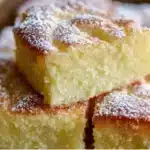
French Butter Cake is a delightful treat that’s rich, buttery, and surprisingly easy to make, perfect for any occasion.
Main Ingredients
- 1 cup unsalted butter, softened (Make sure it is at room temperature for optimal creaming.)
- 1 cup granulated sugar
- 4 large eggs (Add one at a time.)
- 1 teaspoon vanilla extract (Can be replaced with almond extract for variation.)
- 2 cups all-purpose flour (Gradually added.)
- 1 teaspoon baking powder
- 1/2 teaspoon salt (Reduce if using salted butter.)
- 1/2 cup milk (To help with mixing.)
Preparation
- Preheat your oven to 350°F (175°C) and grease and flour a cake pan.
- In a large bowl, cream the softened butter and sugar together until light and fluffy.
- Add the eggs one at a time, beating well after each addition. Stir in the vanilla extract.
- In a separate bowl, whisk together the flour, baking powder, and salt.
- Gradually add the flour mixture to the butter mixture, alternating with milk, starting and ending with the flour mixture. Mix until just combined.
- Pour the cake batter into the prepared pan, smoothing the top with a spatula.
Baking
- Bake for 30-35 minutes, or until a toothpick inserted into the center comes out clean.
Cooling
- Allow the cake to cool in the pan for about 10 minutes, then transfer it to a wire rack to cool completely.
Serving
- Serve dusted with powdered sugar or alongside fresh berries.
For longer storage, wrap it in plastic wrap and refrigerate for up to a week, or freeze it for up to three months. Adding lemon zest or mini chocolate chips can enhance flavor.