
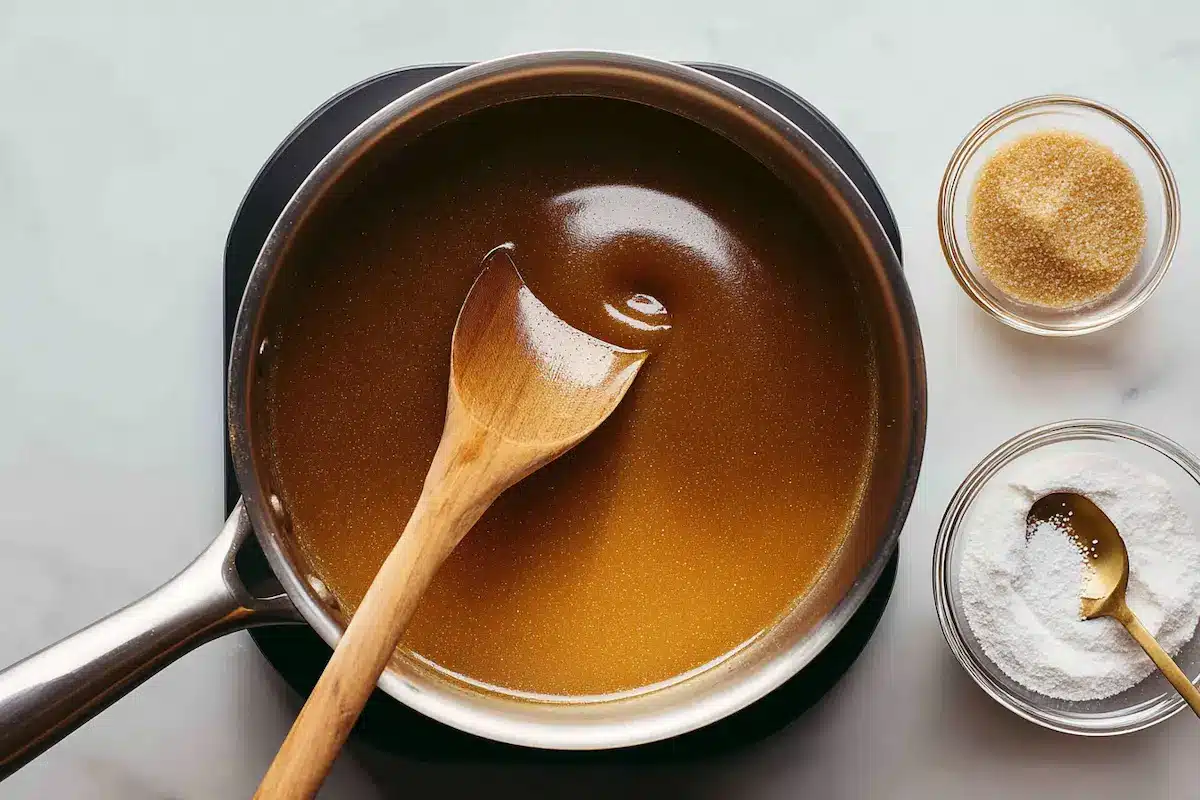
In the world of cooking, achieving the perfect consistency in sauces can often feel like a daunting task. A watery sauce can mean the difference between a delightful dish and a disappointing meal. Whether you’re preparing a rich gravy, a luxurious marinara, or a creamy alfredo, there’ll come a time when your sauce just doesn’t have the texture it should. But fear not! There’s a clever solution that many chefs and home cooks swear by the gelatin trick. In this article, we will dive deep into how to use the gelatin trick to fix watery sauces, ensuring every dish you create has a velvety, pleasing consistency.
Understanding the Gelatin Trick
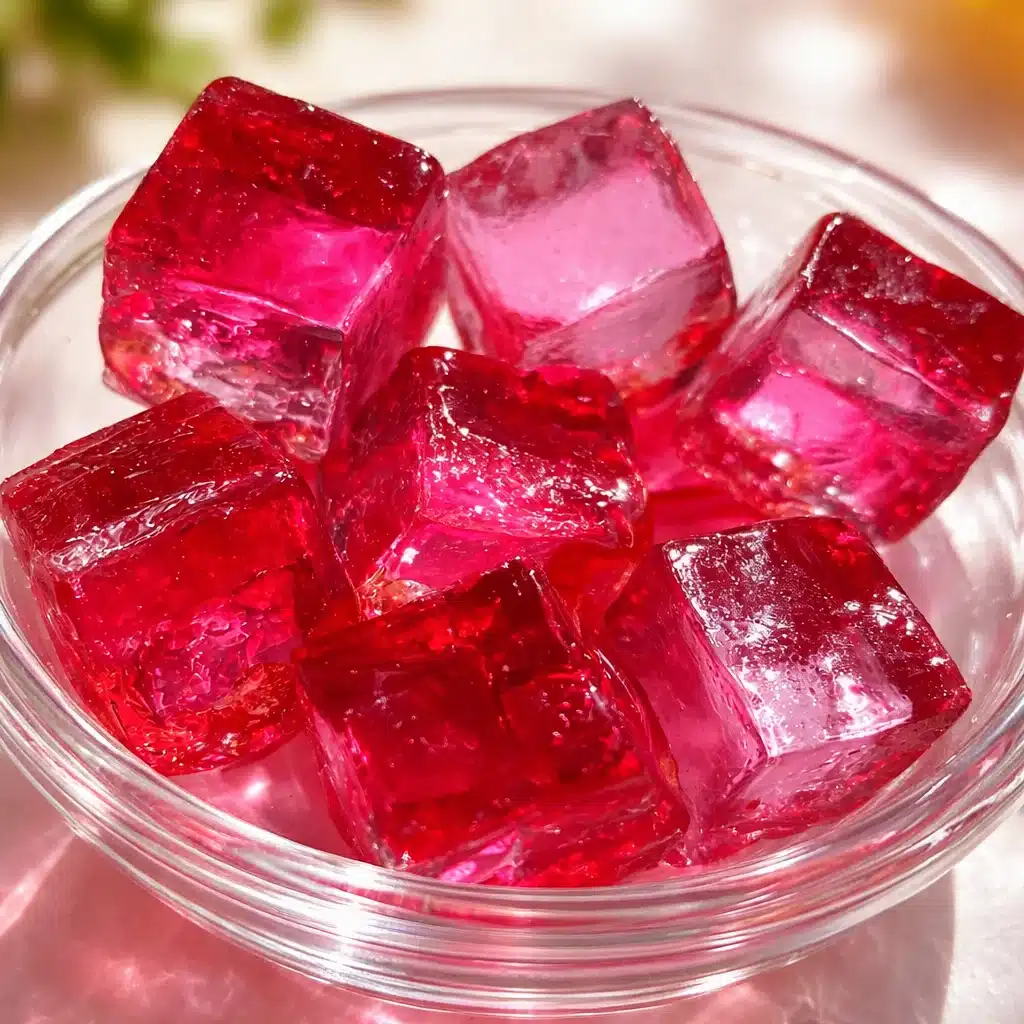
Gelatin is a flavorless, odorless ingredient derived from collagen, a protein found in animal connective tissues. It acts as a thickening agent and provides that satisfying, silky-smooth texture in sauces, desserts, and even gummy candies. Using the gelatin trick in your sauces not only fixes those unexpected watery accidents but also enriches their flavors by enhancing mouthfeel.
Why Choose Gelatin?
When it comes to sauces, achieving an ideal thickness is crucial. While there are numerous thickeners available cornstarch, flour, or even vegetable purees gelatin stands out for several reasons.
- Texture: Gelatin provides a velvety texture that is sophisticated yet comforting.
- Stability: It holds up well even when combined with acidic ingredients, unlike cornstarch, which can sometimes break down in high acidity.
- No Flavor Alteration: Since gelatin is neutral in taste, it won’t interfere with the overall flavor profile of your dish.
- Health Benefits: Gelatin is a source of protein, and its collagen content can be beneficial for joint health and skin rejuvenation.
The Science of Gelatin in Cooking
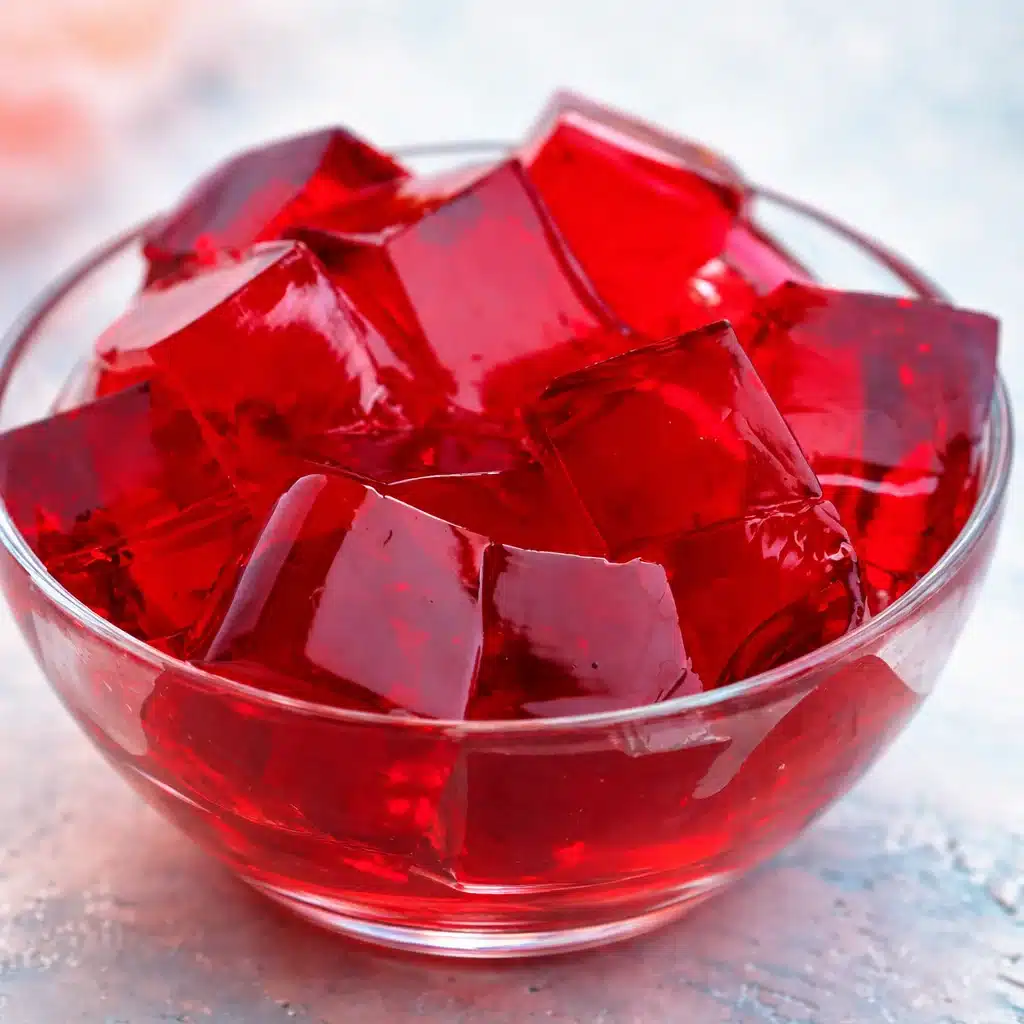
Before diving headfirst into recipes, it’s essential to understand how gelatin works in a culinary context. When heated, gelatin granules swell and dissolve, creating a network that traps water molecules. This network forms a jelly-like structure as it cools, significantly thickening sauces without creating a starchy flavor.
Types of Gelatin
- Powdered Gelatin: This is the most common form found in grocery stores. It is easy to use and dissolves quickly.
- Sheet Gelatin: Also known as leaf gelatin, this form requires soaking in cold water and offers a more consistent result. It’s popular in professional kitchens.
How to Prepare Gelatin for Sauces
Preparing gelatin is straightforward:
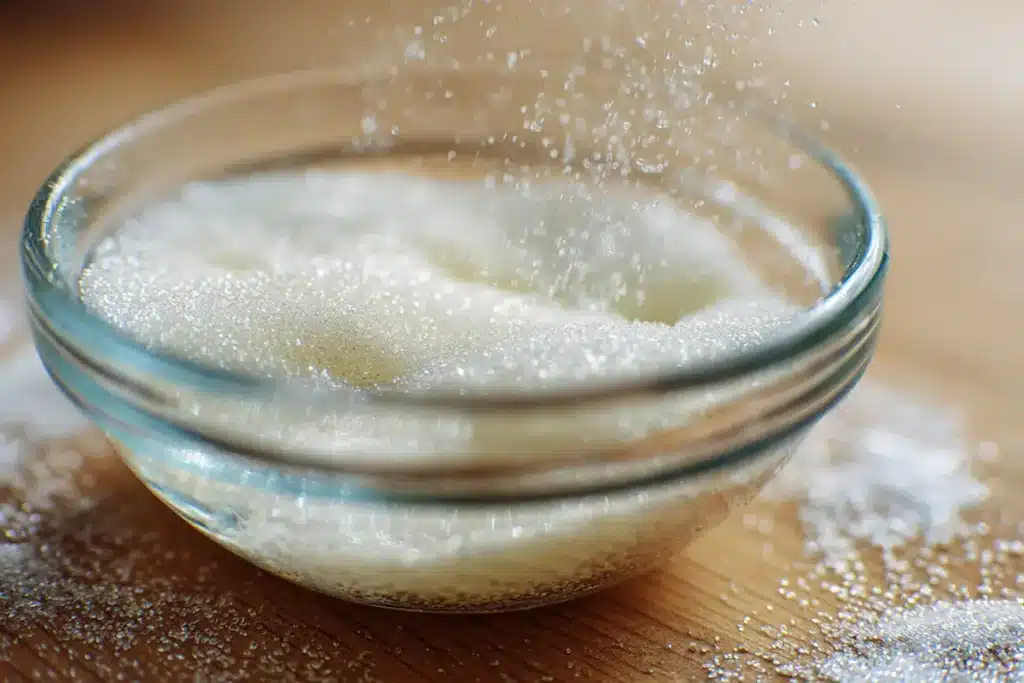
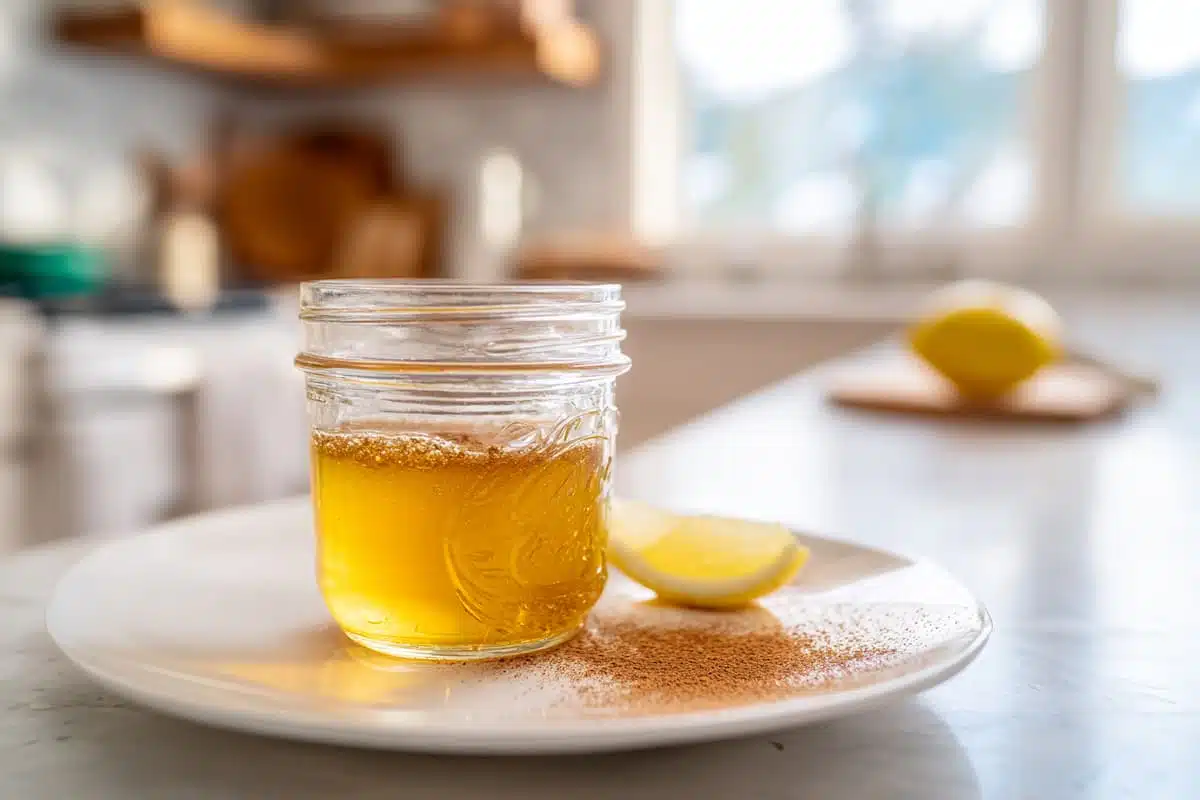
- Blooming: Sprinkle powdered gelatin over cold water (about 1 tablespoon of gelatin to 2 tablespoons of water) and let it sit for 5–10 minutes until it swells and absorbs the water. For sheet gelatin, soak in cold water until pliable.
- Dissolving: Once bloomed, gently heat the gelatin mixture (do not boil) until completely dissolved, ensuring it incorporates smoothly into your sauce.
Now that we’ve mastered the art of gelatin preparation, let’s explore how to incorporate this magical ingredient into various sauces.
Steps to Use the Gelatin Trick in Your Sauces
Step 1: Identify the Need
Before adding gelatin, make sure you’re addressing the right problem. Is the sauce overly watery due to excessive liquid, lack of emulsification, or insufficient reduction? Understanding the cause will help you rectify the texture more efficiently.
Step 2: Prepare Your Sauce
Start cooking your sauce as per your recipe. Whether you’re making a classic béchamel or a rich beef gravy, ensure to follow the primary steps until you reach the thinner, watery stage.
Step 3: Evaluate the Thickness
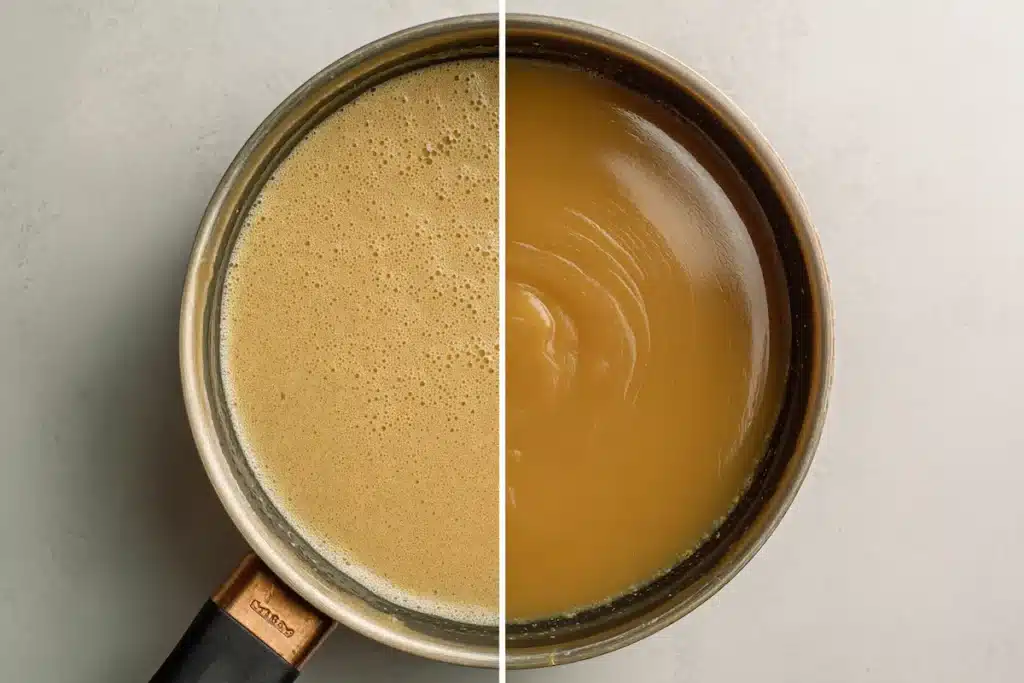
Once your sauce reaches a description of “watery,” it’s time to assess how much gelatin you will need. For every cup of sauce, typically 1 teaspoon of powdered gelatin will suffice.
Step 4: Bloom and Dissolve the Gelatin
Follow the blooming process mentioned earlier for your gelatin. Once bloomed, add it directly to your simmering sauce. Stir continuously to ensure it breaks down completely and merges well with the sauce without any lumps.
Step 5: Simmer and Serve
Let the sauce simmer for a few additional minutes to allow the gelatin to fully activate and create that silky consistency you desire. Once thickened, remove from the heat and serve!
Tips and Pro Advice for Perfecting Your Sauces
- Avoid Boiling the Gelatin: High temperatures can weaken gelatin’s thickening capabilities, making it ineffective. Always ensure it’s added to a sauce that has been removed from direct heat.
- Stir Continuously: This prevents clumping and ensures even distribution in the sauce.
- Enhance Flavor with Seasonings: While gelatin is neutral, it readily absorbs flavors from your sauce, so consider seasoning adjustments to enhance overall taste.
- Test Different Liquids: If you find a particular liquid dense, try balancing it by adding lower density liquids first before gelatin.
Common Mistakes to Avoid
- Adding Gelatin Too Late: Waiting until the sauce is completely finished can lead to uneven thickening.
- Not Blooming Properly: Always allow gelatin to bloom in a cold liquid, as adding it directly to hot liquids won’t yield optimal results.
- Too Much Gelatin: Over-thickening can result in a gel-like sauce, which usually isn’t desirable for savory dishes.
Variations and Ingredient Swaps
- Plant-Based Substitutes: If you’re looking for a vegetarian option, consider using agar-agar or gelling agents derived from algae. While not identical, these alternatives can provide similar thickening properties.
- Flavor Additions: To elevate your sauce, consider adding herbs or spices during the cooking process, which will further enhance flavor in conjunction with the gelatin.
Storing and Reheating Your Sauces
Proper storage is critical to maintaining the sauce’s quality. Store in an airtight container in the fridge for up to one week. If chilled, you may notice the sauce thickening further. Reheat gently either on the stove or in the microwave, incorporating a splash of water or broth to restore desired consistency.
Nutrition Insights
Incorporating gelatin into your sauces not only adds texture but also benefits nutrition. Rich in protein, collagen can support joint health, skin elasticity, and gut health. However, watch portions if your recipe contains high-fat content or sodium-laden ingredients.
FAQ Section
Q: Can I use gelatin in all types of sauces?
A: While most sauces benefit from gelatin, aim for liquid-based sauces as a thicker base; gelled or emulsified sauces may not require it.
Q: Can I use pre-made sauces with gelatin?
A: Yes, just be sure to check the ingredients and add gelatin accordingly, as some sauces may already be thickened.
Q: Is there any flavor loss when using gelatin?
A: No, gelatin is flavorless. However, it’ll absorb and enhance the existing flavors in your sauce.
Q: Can I freeze a gelatin-thickened sauce?
A: Yes, but the texture may change once thawed. Best to use fresh or chilled sauce for optimal results.
Further Reading
For more about gelatin’s benefits, uses in food, and scientific insights, see these official resources:
If you want to explore gelatin for health and weight management, try these guides:
In Conclusion
Cooking is as much about perfection as it is about learning from mishaps. The gelatin trick can transform a watery sauce into a luxurious condiment that elevates your meals. Experiment with this technique, and don’t hesitate to innovate beyond traditional recipes. Save this article, share with fellow cooks, and most importantly, enjoy the process. Happy cooking!








1 thought on “How to Use the Gelatin Trick to Fix Watery Sauces”