
title: Gingerbread Truffles – Easy No-Bake White Chocolate Christmas Treats
meta: Gingerbread Truffles – Easy No-Bake White Chocolate Christmas Treats. Simple no-bake holiday truffles flavored with ginger, cinnamon, molasses, and coated in white chocolate. Make festive gifts, party bites, or easy cookie-free dessert platters.
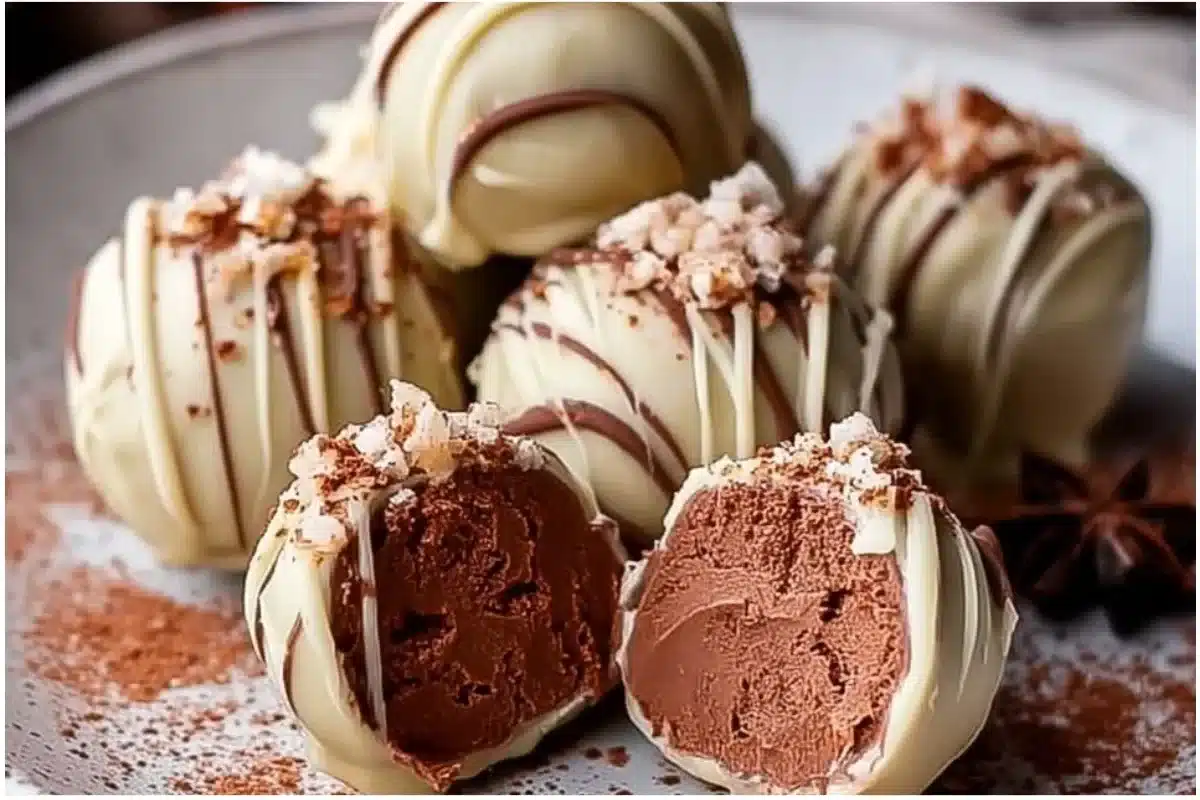
image_prompt: Close-up of round gingerbread truffles coated in glossy white chocolate, sprinkled with crushed gingersnap crumbs and edible gold dust, on a rustic wooden board with a cinnamon stick and star anise; shallow depth of field, warm holiday lighting.
Gingerbread Truffles – Easy No-Bake White Chocolate Christmas Treats
If you want a quick, elegant holiday sweet that tastes like the holidays but requires no baking, Gingerbread Truffles – Easy No-Bake White Chocolate Christmas Treats are your answer. These rich, bite-sized morsels combine gingersnap crumbs, warm spices, molasses, and a smooth white chocolate shell for a festive dessert you can finish in under an hour. They solve common holiday pain points: limited oven time, last-minute gifting needs, and tired cookie collections. This guide gives you precise technique, ingredient science, troubleshooting tips, and creative variations so your truffles come out glossy, flavorful, and perfectly textured every time.
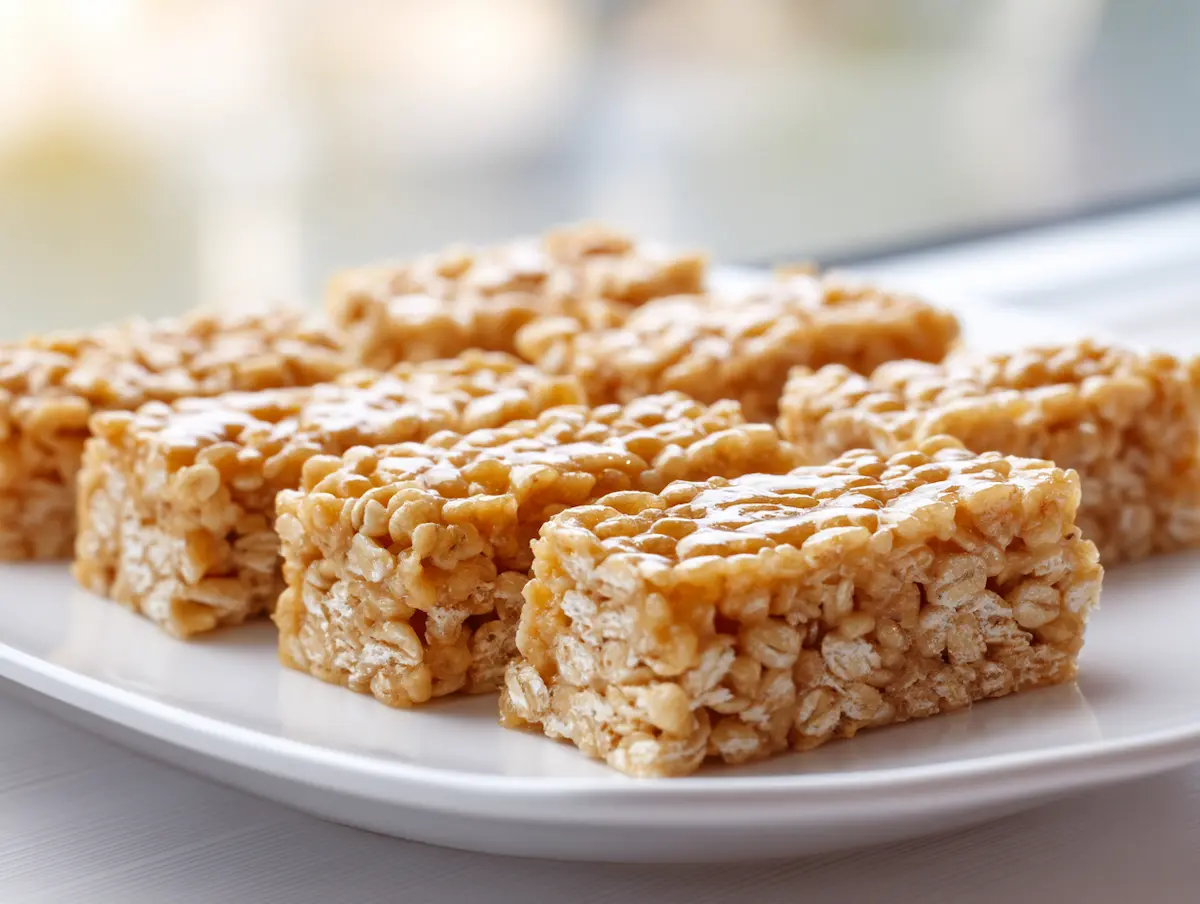
For more no-bake holiday snack ideas and party-friendly sweets, check out these easy Christmas Rice Crispy Treats for fun platter additions.
Why make gingerbread truffles? The case for no-bake holiday sweets
When hosts are juggling roasts, pies, and the oven schedule, no-bake treats keep the dessert table full without adding oven time. Gingerbread truffles bring concentrated holiday flavor — ginger, cinnamon, cloves, and molasses — in a small, elegant package that’s easy to transport, gift, or display. They freeze and store well, making them ideal for staggered entertaining or care packages. And because truffles rely on binding and chilling rather than gluten structure, they’re forgiving for beginners.
Key advantages:
- No active baking required — frees up oven and reduces hot kitchen stress.
- Fast assembly — most of the time is passive chilling.
- Scalable — make a dozen or a hundred with simple multipliers.
- Customizable — coatings and mix-ins adapt to dietary needs or pantry limits.
The short version: recipe at a glance
- Yield: about 24 truffles (1-inch)
- Prep time: 20 minutes
- Chill time: 30–60 minutes
- Total time: 50–80 minutes
Core components: gingersnap or graham cracker crumbs, cream cheese (or sweetened condensed milk for dairy-free/alternative), molasses, warm ground spices, and white chocolate for coating.
Below you’ll find a full chef-tested recipe card, followed by ingredient science and step-by-step technique.
Recipe card: Gingerbread Truffles – Easy No-Bake White Chocolate Christmas Treats
Recipe Title: Gingerbread Truffles – Easy No-Bake White Chocolate Christmas Treats
Yield: ~24 truffles (1-inch)
Prep time: 20 minutes
Chill time: 30–60 minutes
Total time: 50–80 minutes
Difficulty: Easy
Ingredients:
- 2 cups gingersnap crumbs (about 10–12 cookies) OR graham crackers + 1 tsp ground ginger
- 6 oz (170 g) cream cheese, softened to room temperature (see swaps)
- 3 tbsp dark molasses (or blackstrap for deeper flavor; see swaps)
- 2 tbsp unsalted butter, softened
- 1/4 tsp kosher salt
- 1 tsp ground ginger
- 1/2 tsp ground cinnamon
- 1/8 tsp ground cloves
- 8 oz white chocolate (compound or couverture), chopped (for coating)
- 1 tbsp neutral oil (sunflower, canola) or cocoa butter (optional, for glossy finish)
Garnishes (optional): - Crushed gingersnaps
- Ground cinnamon
- Edible gold dust, sprinkles, or a drizzle of dark chocolate
Instructions:
- Make crumbs: Pulse gingersnaps in a food processor until fine (or place in a heavy zip-top bag and crush with a rolling pin).
- Combine base: In a mixing bowl, beat softened cream cheese, butter, molasses, and salt until smooth. Stir in ground spices.
- Fold in crumbs: Add crumbs cup by cup until the mixture is firm but malleable. It should hold shape when rolled; if too wet, add more crumbs; if too dry, add 1 tsp molasses or cream.
- Chill: Form into 1-inch balls using a melon baller or small cookie scoop. Place on a parchment-lined tray and chill 30–60 minutes until firm.
- Melt coating: Melt white chocolate in a heatproof bowl over simmering water (double boiler) or in short bursts in the microwave (20–30 sec intervals), stirring until smooth. Stir in 1 tbsp neutral oil for shine.
- Coat truffles: Using a fork, dip each chilled truffle into the melted white chocolate, let excess drip, and return to parchment. Immediately sprinkle garnish if desired.
- Set and store: Chill 10–15 minutes to set. Keep layered between parchment in an airtight container in the fridge up to 2 weeks, or freeze up to 3 months.
Notes:
- For dairy-free: substitute cream cheese with 1/2 cup well-drained full-fat coconut cream or a vegan cream cheese; coat with vegan white chocolate or a dark chocolate alternative.
- To intensify ginger: add 1/4 tsp freshly grated ginger or a pinch of ground cardamom.
- For glossy white chocolate coating, use a compound white chocolate or temper real couverture for professional shine.
Nutrition (estimate per truffle): ~120–150 kcal, 7–9g fat, 12–14g carbs. See nutrition insights below.
Ingredient breakdown: why each part matters (science & benefits)
Understanding the role of each ingredient helps you troubleshoot and adapt the recipe.
Gingersnap crumbs: Provide structure, concentrated flavor, and the "gingerbread" identity. Crumbs absorb moisture and create a cookie-like mouthfeel. Use crunchy gingersnaps for best texture; if using softer ginger biscuits, reduce binding liquid slightly.
Cream cheese: Adds fat, tang, and a creamy mouthfeel that binds crumbs into a truffle paste. Its water and fat content affects firmness. Room-temperature cream cheese mixes smoothly; cold cream cheese will clump.
Molasses: Dark, robust molasses provides the classic gingerbread depth and chewiness. Molasses adds moisture, so start with the listed amount and adjust. Blackstrap molasses is more bitter and less sweet; use for more intense flavor in small quantities.
Butter: Introduces richness and helps firm the center when chilled. In dairy-free versions, coconut oil or vegan butter can replace it, but coconut lends a subtle flavor.
Spices (ginger, cinnamon, cloves): Essential for the characteristic gingerbread profile. Ground spices are convenient, but toasting whole spices and grinding them provides brighter flavor if you want to step up the profile.
Salt: Balances sweetness and enhances spice perception.
White chocolate: Coats truffles, creating a smooth, sweet shell. White chocolate varies: couverture (real cocoa butter) yields the best texture and sheen when tempered; compound white chocolate (vegetable fats) is more forgiving, melts easily, and sets nicely without tempering. Add a bit of neutral oil to improve flow if using high-quality couverture that sets firm.
Neutral oil (optional): Improves coating flow and adds shine. Use sparingly to avoid overly soft shells.
Why these proportions? The crumb-to-fat ratio determines firmness: too much liquid and truffles won’t hold; too many crumbs and they’ll be dry. Aim for a scoopable paste that can be rolled without crumbling.
Equipment and prep notes
Tools that make the job easier:
- Food processor or a rolling pin and bag for crumbs.
- Stand mixer or hand mixer for smooth cream cheese mixture.
- Small cookie scoop or melon baller for uniform truffles.
- Baking sheet with parchment or silicone mat.
- Heatproof bowl for melting chocolate; double boiler or microwave-safe bowl.
- Fork or dipping tool: a truffle fork or two forks work well.
- Instant-read thermometer (if tempering chocolate) — optional.
Prep tips:
- Soften cream cheese and butter to room temperature for smooth mixing.
- Line trays with parchment in advance to speed the coating process.
- Chill sheets between batches to keep truffles firm if your kitchen is warm.
Step-by-step method with chef insights
Below is the detailed method with real-world cooking logic and adjustments you’ll appreciate at the stove.
Make unified crumbs
- Pulse gingersnaps to a fine, sandy consistency. Texture matters: very fine crumbs create denser truffles; a touch coarser crumbs gives a slightly rustic bite. If you want a smoother center, sift the crumbs and use only the fine portion.
Cream the binders
- In a bowl, beat the softened cream cheese and butter until homogenous and smooth. If you’re mixing by hand, make sure to remove any lumps. Add molasses gradually and taste: molasses flavor can vary by brand. Aim for a pronounced but not overpowering molasses note.
Spice integration
- Add the spices to the wet mix rather than directly into crumbs; spices disperse more evenly in the fat matrix. If using whole spices, toast briefly in a dry skillet until aromatic, then grind and add for brighter flavor.
Combine crumbs and wet mix
- Add crumbs incrementally. Stop when the mixture holds together when pressed between your fingers. Overloading with crumbs makes dry truffles; underloading makes them gooey. If you’re between textures, refrigerate 10 minutes — chilling firms the mixture and makes rolling easier.
Forming
- Use a 1-inch scoop for uniformity. Pack gently — overworking with palms warms the mix and softens the exterior. If working in a warm kitchen, chill the formed balls 30–60 minutes; cold centers are easier to coat. For a decorative touch, roll half of them in additional crushed gingersnaps before coating.
Melting and coating white chocolate
- If using compound white chocolate, microwave in 20–30 second bursts, stirring between, until smooth. For couverture, use a double boiler (bowl over simmering water) to avoid burning. If tempering for high-gloss sheen and snap, temper to the correct seed temperatures (melt to 45–50°C/113–122°F, cool to 27–28°C/80–82°F, then rewarm to 29–30°C/84–86°F) — this is optional but gives professional results.
- Stir in 1 tbsp neutral oil to create a satin finish and improve flow.
Dipping technique
- Work quickly with chilled truffles. Drop one into warm chocolate using a fork; tap the fork against the bowl rim to release excess coating. Use a second fork to help slide the truffle onto the parchment. If your chocolate firms quickly, keep it warm (over very low heat or in the microwave for brief bursts). If chocolate becomes too thin, a short reheat or adding a small knob of butter or oil can restore consistency (but too much oil will prevent setting).
Decorating and setting
- While the coating is still wet, add crushed gingersnap crumbs, a dusting of cinnamon, or edible glitter. For a contrasting look, drizzle melted dark chocolate over the white for stripes. Allow truffles to set fully in the fridge for 10–20 minutes.
Chef’s note: If white chocolate shows "bloom" (white streaks) after setting, it’s usually due to cocoa butter separation or temperature changes; it’s cosmetic only and doesn’t affect flavor. Proper tempering prevents bloom and gives a glossy shell.
Common mistakes and how to avoid them
Too soft centers: Often caused by warm ingredients or insufficient crumbs. Chill the filling before rolling and work quickly. If the mixture is too wet, fold in additional crumbs or a tablespoon of powdered sugar to absorb moisture.
Cracked shells: Dipping overly warm truffles can result in thin shells that crack. Chill centers thoroughly and let your coating chocolate cool slightly if it’s too hot.
Grainy or separated coating: Overheating chocolate breaks the emulsion. Heat gently and stop heating as soon as the last pieces melt; stir to finish. If using high-quality white chocolate, temper it for best texture.
Sticky or glossy failure: Adding too much oil to white chocolate stops it from setting properly. Use minimal oil (no more than 1 tbsp per 8 oz chocolate).
Flavor imbalance: Too much molasses or spices can dominate. Taste the wet mixture before adding crumbs and adjust spices in small increments.
Variations and ingredient swaps
One of the strengths of truffles is how easily they adapt. Below are tested variations to suit different diets, flavors, and presentation styles.
Chocolate-dipped gingerbread truffles: Replace white chocolate with dark or milk chocolate for a classic contrast.
Vegan/Dairy-free: Use vegan cream cheese or thickened coconut cream (well-drained) and vegan butter. Coat with vegan white chocolate or tempered dark chocolate.
Boozy truffles: Add 1–2 tbsp of rum, bourbon, or spiced rum in place of some molasses for adult-only batches. Reduce added liquid elsewhere.
Nutty crunch: Fold in 1/3 cup finely chopped toasted pecans or walnuts for texture and a nutty backdrop.
Orange-ginger: Add 1 tsp finely grated orange zest and 1/2 tsp orange extract for a citrus lift that brightens the molasses.
Pistachio-geddon: Roll finished truffles in finely chopped pistachios for color and a savory crunch that pairs well with white chocolate. For more nutty inspiration, see our guide on pistachio ganache (internal link for related recipe ideas).
Cookie crust: For a more cookie-like interior, swap half the gingersnaps for graham crackers or digestive biscuits. Looking for a playful twist for cookies and bars? Try our Gingerbread Rice Krispie Treats for an alternate gingerbread-inspired bar.
Spiced-sugar coating: Mix caster sugar with 1/4 tsp cinnamon and a pinch of nutmeg; roll truffles in the mixture before coating for a textured sugar crust.
Mini truffles: Make smaller (3/4-inch) truffles for elegant petits fours. Adjust coating work to prevent excessive warm-up.
Pairings and serving suggestions
Gingerbread truffles are sweet and spice-forward, so serve them with drinks and bites that balance their richness.
Beverages: Black coffee or cold brew cuts sweetness; chai tea amplifies the spice notes; for cocktails, try a hot toddy or spiced rum cider.
Cheese board: Serve as a sweet counterpoint on a holiday cheese board with aged cheddar or blue cheese — the saltiness creates fantastic contrast.
Party platters: Mix truffles with other bite-size holiday sweets for balance. For an international holiday menu, pair with light bites from our 30 Easy Japanese Recipes to provide savory contrast and variety.
Presentation tips:
- Use mini cupcake liners or festive paper cups.
- Group truffles on elevated platters or tiered stands for visual interest.
- Label flavors if you make multiple variations (e.g., Boozy, Orange, Nut).
Storage, freezing, and serving timeline
Proper storage keeps truffles fresh and prevents textural issues.
Refrigeration: Store in a single layer or separated by parchment in an airtight container in the fridge for up to 2 weeks. Avoid stacking directly as the coatings may stick.
Freezing: Freeze on a tray until solid, then transfer to a sealed container or freezer bag with parchment layers. Freeze up to 3 months. To thaw, move to the fridge for several hours or overnight to reduce condensation on the surface.
Room-temperature serving: Remove truffles from the fridge 15–30 minutes before serving so flavors soften and aroma opens. Avoid leaving them out more than 2 hours at room temperature, especially in warm rooms, to prevent coating softening.
Storage tip: If your cookies are soft or your environment is humid, line the bottom of the container with a paper towel to absorb excess moisture.
Nutrition insights
Gingerbread truffles are indulgent; a single bite-sized truffle is calorie-dense due to cream cheese, butter, and white chocolate. Here’s a rough breakdown per standard 1-inch truffle (estimate):
- Calories: 120–150 kcal
- Fat: 7–10 g (with saturated fat from butter and chocolate)
- Carbohydrates: 12–15 g (sugars from molasses and chocolate)
- Protein: 1–2 g
- Fiber: <1 g
Nutrition considerations:
- To reduce calories slightly, make truffles smaller (0.75-inch) or substitute part of the cream cheese with full-fat Greek yogurt strained to a thick consistency (note: texture and shelf life will change).
- For lower-sugar coating, opt for dark chocolate (70%+) instead of white chocolate — it reduces added sugars and brings antioxidant polyphenols.
- For lactose-intolerance or vegan diets, dairy-free cream cheese and chocolate are viable, but check labels for sugar and fat adjustments.
If you’re tracking macros or creating a dessert menu for varied dietary needs, offering a small portion size (one or two truffles per serving) satisfies craving while maintaining portion control.
Troubleshooting quick guide
- Filling too sticky after mixing: Add more crushed gingersnaps 1 tbsp at a time until the mixture firms.
- Coating separates or is grainy: Overheated white chocolate — cool and re-melt gently, or replace with compound chocolate for stability.
- Truffles melting at room temp: Keep chilled and serve quickly; consider using tempered chocolate which sets firmer.
- Coating not adhering: Ensure centers are chilled and dry. If wet, pat with paper towel and chill until surface is dry.
Frequently Asked Questions (FAQ) — Schema-ready
Q: Can I make gingerbread truffles ahead of time?
A: Yes. Truffles keep in the fridge for up to 2 weeks and freeze for up to 3 months. Freeze on a tray first, then transfer to airtight containers with parchment layers.
Q: Can I use store-bought gingersnap crumbs?
A: Absolutely. Store-bought cookie crumbs are fine. If using softer cookies, add a bit more crumbs for structure.
Q: What’s the best white chocolate for coating?
A: Compound white chocolate is easiest (sets without tempering). For best flavor and shine, use couverture white chocolate and temper it, or add a small amount of neutral oil to improve flow.
Q: Are gingerbread truffles gluten-free?
A: Not by default — gingersnaps contain wheat. For gluten-free truffles, use certified gluten-free gingersnap cookies or substitute with gluten-free graham crackers.
Q: How do I get a glossy finish on the coating?
A: Proper tempering of real chocolate yields the glossiest finish. Alternatively, use compound chocolate and a small amount of neutral oil to achieve a satin shine.
Q: Can I skip the chocolate coating?
A: Yes — roll truffles in powdered sugar, cocoa powder, or crushed nuts for different textures without coating.
Q: How do I make them vegan?
A: Use vegan cream cheese or thickened coconut cream, vegan butter, and vegan chocolate. Adjust for moisture content as plant-based alternatives vary in water content.
Gift and party packaging ideas
- Mason jars: stack truffles in small jars lined with parchment; tie with ribbon and label.
- Boxed sets: layer truffles between parchment in a small gift box with festive tissue.
- Cookie swap contributions: place truffles in mini cupcake liners and arrange in a decorative tin for swaps — they keep well and travel nicely.
- Edible place cards: top a small cookie plate with one truffle per guest as an edible name card.
Label allergens clearly when gifting (contains: dairy, gluten, nuts if included) and include storage instructions.
Image ideas and prompts
- Hero shot: Close-up of glossy white-coated gingerbread truffles on a wooden board, with crushed gingersnap crumbs and a cinnamon stick — warm holiday lighting.
- Process photo: A bowl of gingersnap crumbs next to a whipped cream cheese-molasses mixture showing the texture before combining.
- Step shot: Truffles being dipped in melted white chocolate, with a fork holding a dripping truffle and a tray below.
- Gift presentation: A small open gift box lined with parchment, filled with truffles and tied with baker’s twine.
- Cross-section: A truffle cut in half showing moist, gingerbread-hued interior.
Alt text for primary image: “Gingerbread truffles coated in white chocolate, sprinkled with crushed gingersnap crumbs and cinnamon.”
Final notes and serving encouragement
Gingerbread Truffles – Easy No-Bake White Chocolate Christmas Treats bring joy with minimal fuss. They’re a smart option for busy hosts, thoughtful homemade gifts, and anyone who wants holiday flavors without another tray in the oven. With a few pantry staples and these chef-tested techniques, your truffles will be glossy, balanced, and ready to impress.
Conclusion
If you enjoyed this no-bake approach, you might find other versions of these treats and helpful technique photos useful — see this No Bake Gingerbread Truffles guide for an alternative take: No Bake Gingerbread Truffles – Athlete Lunchbox. For another beautifully photographed recipe with slightly different ratios and coating ideas, check out Easy Gingerbread Truffles – If You Give a Blonde a Kitchen.
Now go make a batch — roll, coat, and keep a few hidden for yourself. If you loved this recipe, save it, share it, and try one of the variations for your next gathering.
Print
Gingerbread Truffles – Easy No-Bake White Chocolate Christmas Treats
- Total Time: 50 minutes
- Yield: 24 truffles 1x
- Diet: Vegetarian
Description
Simple no-bake holiday truffles flavored with ginger, cinnamon, molasses, and coated in white chocolate. Perfect for gifts or party platters.
Ingredients
- 2 cups gingersnap crumbs (about 10–12 cookies) or graham crackers + 1 tsp ground ginger
- 6 oz cream cheese, softened
- 3 tbsp dark molasses
- 2 tbsp unsalted butter, softened
- 1/4 tsp kosher salt
- 1 tsp ground ginger
- 1/2 tsp ground cinnamon
- 1/8 tsp ground cloves
- 8 oz white chocolate, chopped (for coating)
- 1 tbsp neutral oil (for glossy finish)
- Optional garnishes: crushed gingersnaps, ground cinnamon, edible gold dust
Instructions
- Pulse gingersnaps in a food processor until fine or crush in a bag.
- In a bowl, beat cream cheese, butter, molasses, and salt until smooth. Stir in spices.
- Fold in crumbs until mixture is firm but malleable.
- Form into 1-inch balls and chill for 30–60 minutes until firm.
- Melt white chocolate in a bowl over simmering water or microwave.
- Dip each truffle into melted chocolate, let excess drip, then return to parchment. Sprinkle garnishes immediately.
- Chill to set for 10–15 minutes and store in an airtight container.
Notes
For dairy-free, substitute cream cheese with coconut cream or vegan cream cheese and use vegan chocolate. For intense ginger flavor, add fresh grated ginger.
- Prep Time: 20 minutes
- Cook Time: 0 minutes
- Category: Dessert
- Method: No-Bake
- Cuisine: American
Nutrition
- Serving Size: 1 truffle
- Calories: 135
- Sugar: 9g
- Sodium: 120mg
- Fat: 9g
- Saturated Fat: 4g
- Unsaturated Fat: 5g
- Trans Fat: 0g
- Carbohydrates: 12g
- Fiber: 0g
- Protein: 2g
- Cholesterol: 20mg
Keywords: gingerbread, truffles, no-bake, Christmas treats, holiday sweets




5 thoughts on “Gingerbread Truffles – Easy No-Bake White Chocolate Christmas Treats”