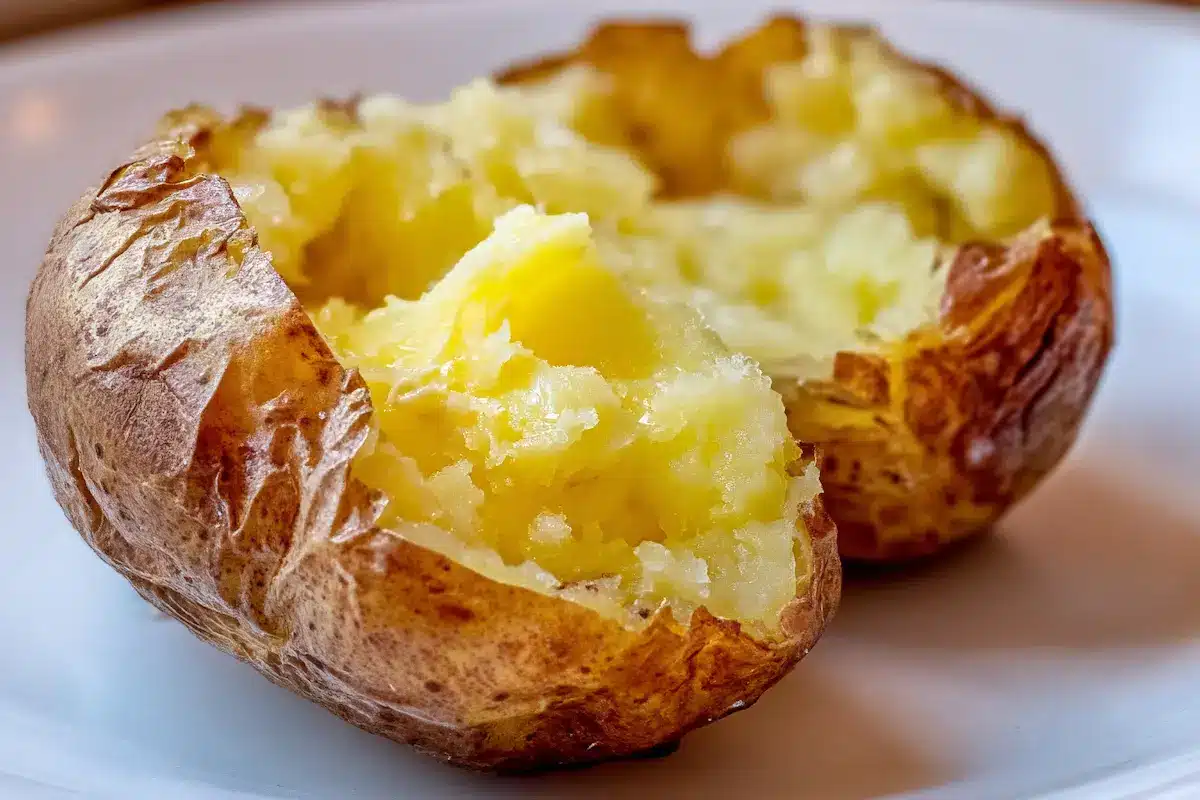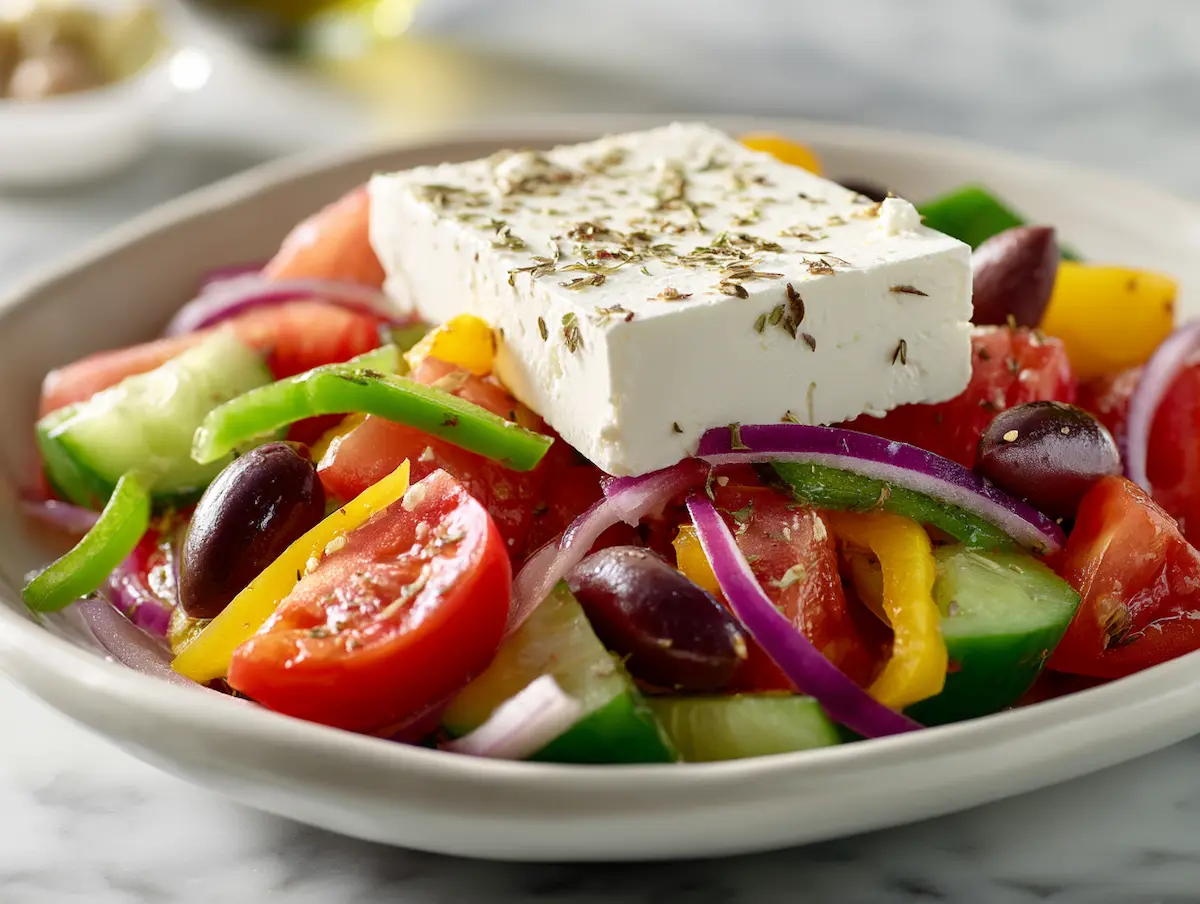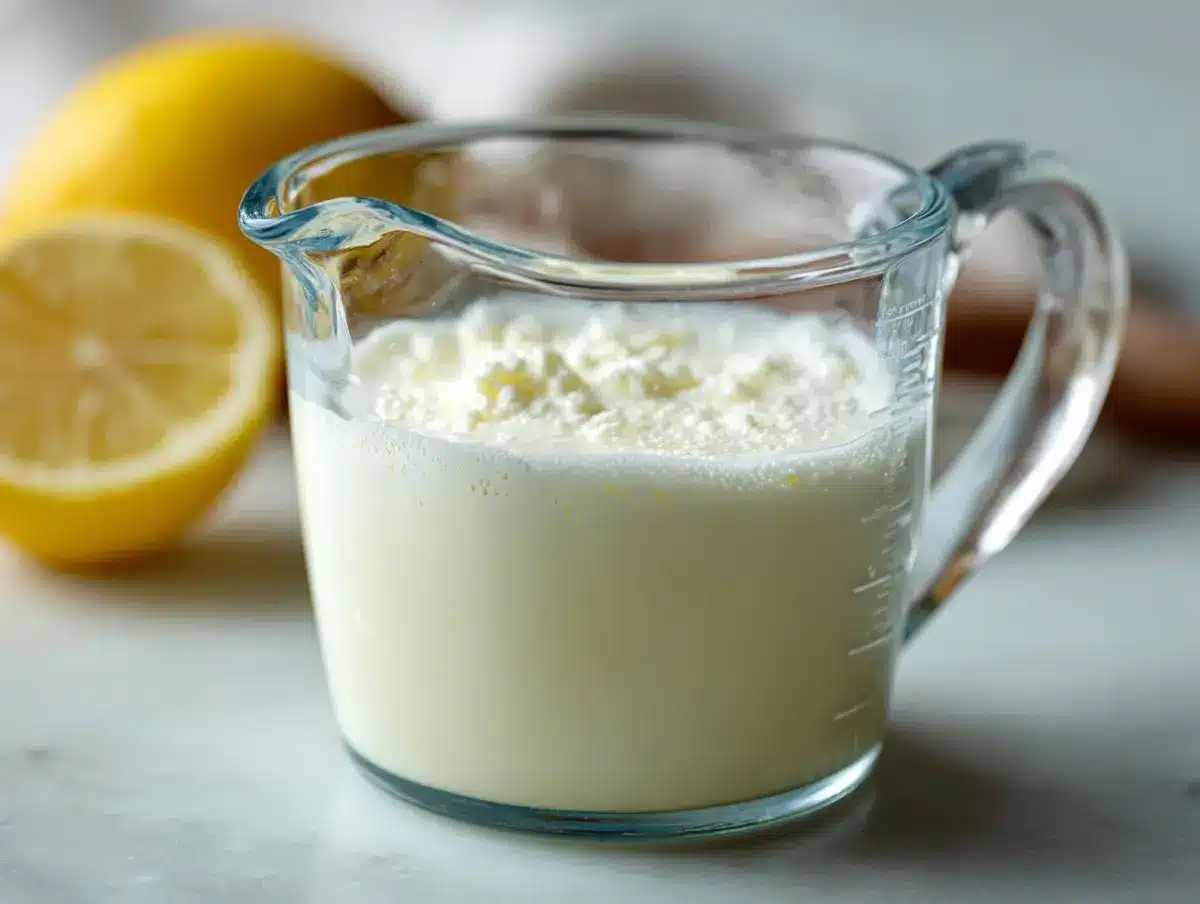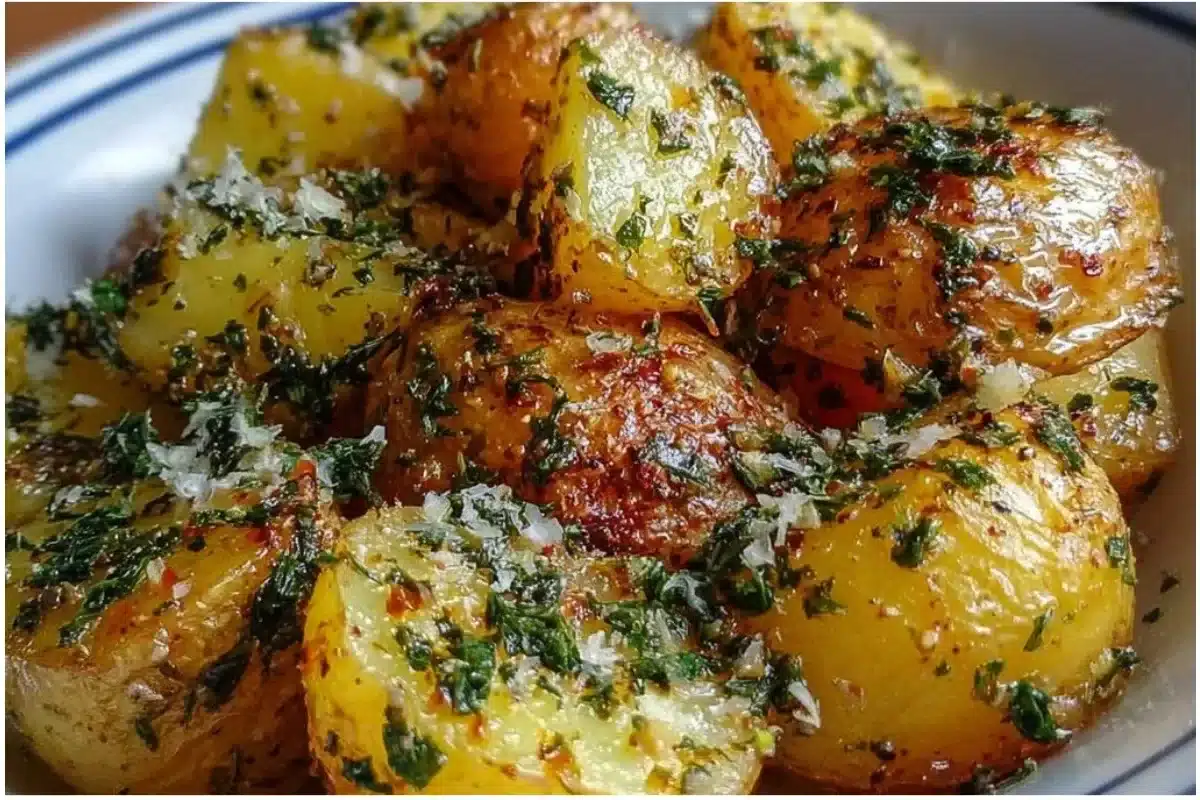
There’s a reason Greek-Style Lemon Potatoes show up on every Sunday-table and taverna menu across Greece: they’re simple, soulful, and shockingly versatile. If you’ve ever ended up with soggy roast potatoes or overly lemony mush, this guide fixes that. You’ll learn the logic behind every step, how to coax crisp, caramelized edges while keeping interiors creamy, and smart swaps for diet or season. Plus, there’s a complete recipe card, pro tips, and pairing ideas to turn these potatoes into the side dish your dinner remembers.
If you’re pairing a main, consider the bright, herb-forward flavors of Asado Chicken with Lemon Zucchini—they play beautifully with lemon and oregano and make a full Mediterranean meal.
Why this guide matters: it doesn’t just tell you to “roast until done.” You’ll get the how and the why — so the next time you want Greek-Style Lemon Potatoes that aren’t an afterthought, you’ll have the technique and confidence to deliver.
What makes Greek-Style Lemon Potatoes different?
Greek-Style Lemon Potatoes are not just roasted potatoes with lemon. The classic technique uses a braise-roast hybrid: wedges are par-cooked (often simmered) in an acidic, aromatic citrus-herb broth, then finished at high heat to concentrate flavor and caramelize edges. The result is potatoes that soak up lemon and oregano but retain a melting interior and golden, slightly crisp exterior. Key features:
- Acid-infused tenderness: Lemon and a little vinegar break down pectin at the surface, allowing flavors to penetrate without turning potato mush.
- Browning without frying: Roasting after braising concentrates sugars and creates Maillard aromas.
- Sauce that clings: The reduced lemon-olive oil pan sauce adheres to wedges, delivering flavor in every bite.
This guide focuses on technique, ingredient science, and small chef moves that create big differences in texture and flavor.
Print
Greek-Style Lemon Potatoes
- Total Time: 75 minutes
- Yield: 4–6 servings 1x
- Diet: Vegetarian
Description
Learn how to make perfect Greek-Style Lemon Potatoes with crisp edges and tender centers, infused with bright lemon-oregano flavors.
Ingredients
- 2.5 lb (1.1 kg) Yukon Gold or red potatoes, scrubbed and cut into 1–1.5 inch wedges
- 1/3 cup (80 ml) extra-virgin olive oil (plus 1–2 tbsp for finishing)
- 1/2 cup (120 ml) chicken or vegetable stock (use low-sodium)
- 1/3 cup (80 ml) fresh lemon juice (2–3 lemons)
- Zest of 1 lemon
- 4 cloves garlic, smashed or thinly sliced
- 2 tsp dried oregano (or 2 tbsp chopped fresh oregano)
- 1 tsp sea salt (adjust to taste)
- 1/2 tsp freshly cracked black pepper
- 1 bay leaf (optional)
- 1 tbsp white wine or extra stock (optional, for deglazing)
- Fresh parsley or fresh oregano, chopped, for garnish
- Lemon slices for garnish (optional)
Instructions
- Preheat ovn to 425°F (220°C). Cut potatoes into wedges.
- In a large pan, combine lemon juice, stock, olive oil, garlic, oregano, bay leaf, salt, and pepper. Bring to a simmer.
- Add potato wedges in a single layer and simmer for 12–18 minutes until slightly tender.
- Transfer wedges and some liquid to a baking dish, pour remaining liquid over the wedges.
- Spread in a single layer and roast for 20–35 minutes, turning once until golden-brown and caramelized.
- For extra crispness, broil for 2–4 minutes. Garnish with fresh herbs and a drizzle of olive oil before serving.
Notes
These potatoes pair well with grilled meats, lamb, or fish. They can be made ahead of time and reheated for serving.
- Prep Time: 15 minutes
- Cook Time: 60 minutes
- Category: Side Dish
- Method: Baking
- Cuisine: Greek
Nutrition
- Serving Size: 1 serving
- Calories: 290
- Sugar: 1g
- Sodium: 300mg
- Fat: 12g
- Saturated Fat: 1.5g
- Unsaturated Fat: 10g
- Trans Fat: 0g
- Carbohydrates: 45g
- Fiber: 4g
- Protein: 5g
- Cholesterol: 0mg
Keywords: Greek potatoes, lemon potatoes, roasted potatoes, Mediterranean side dish
The ingredient breakdown — purpose, science, and benefits
Understanding ingredients prevents guesswork. Here’s why each component is included and what it does.
Potatoes (Yukon Gold, Maris Piper, or red potatoes)
- Why: Waxy-to-all-purpose potatoes hold shape while softening. Yukon Gold is ideal for its buttery texture and moderate starch; Russets (high-starch) can fall apart.
- Science: Starch gelatinizes with heat and water; waxy varieties maintain cell structure, avoiding collapse.
- Benefit: Creamy interior, intact wedges, better sauce cling.
Lemons (juice + zest)
- Why: Provide acidity and aromatic oils.
- Science: Acid helps weaken pectin bonds near the surface, which lets flavor penetrate. Zest contains concentrated volatile oils for bright lemon aroma without extra sourness.
- Benefit: Balanced lemon flavor — bright without being puckering.
Olive oil (extra virgin for finishing; pure/light for roasting if high heat)
- Why: Promotes browning and carries aromatics.
- Science: Fats facilitate Maillard reactions and coat surfaces so flavors adhere.
- Benefit: Glossy, aromatic potatoes with rich mouthfeel.
Garlic
- Why: Depth and savory balance.
- Science: Roasted garlic mellows and sweetens; raw garlic in the braising liquid will mellow and lend umami as it infuses.
- Benefit: Rounds out lemon and herb notes.
Oregano (dried or fresh)
- Why: Signature Mediterranean flavor.
- Science: Dried oregano is more concentrated; fresh adds green notes late in the process.
- Benefit: Classic Greek aromatic profile.
Chicken or vegetable stock (or water)
- Why: Adds savory depth and enough liquid for the initial simmer.
- Science: Stock provides gelatin and amino acids (umami) that enhance flavor; using water alone leads to a lighter-tasting result.
- Benefit: More complex pan sauce and better overall savoriness.
Salt and black pepper
- Why: Essential seasoning.
- Science: Salt seasons internally during cooking and helps draw moisture to the surface for better browning.
- Benefit: Proper balance and contrast.
Optional: White wine, bay leaf, thyme, rosemary, lemon slices
- Why: Layered aromatics and acid complexity.
- Science: Alcohol carries aromatics and accelerates flavor extraction; bay/thyme add savory undertones.
- Benefit: Subtle depth and a more restaurant-style finish.
Equipment and prep basics
- Baking dish or rimmed sheet pan with sides (for even roasting and catching sauces)
- Large sauté pan or Dutch oven (if you’re braising on the stove)
- Sharp chef’s knife and cutting board
- Zester or microplane
- Measuring tools and kitchen thermometer (optional)
- Tongs or spatula
A heavier pan (cast iron or ceramic) helps caramelize and hold heat for the roast finish. If you don’t have a Dutch oven, a deep skillet and oven-safe baking dish work fine.
Step-by-step method with chef insights
Preheat and prep
- Preheat oven to 425°F (220°C). Allow the oven to fully reach temperature before roasting to ensure quick caramelization.
- Cut potatoes into even wedges (1–1.5 inches). Uniform size ensures even cooking.
Tip: Leave skin on for texture and nutrients. If potatoes are large, cut wedges thicker at the stem to keep proportion.
Par-cook (braise) — the flavor infusion step
- In a large pan or Dutch oven, combine lemon juice, stock, olive oil, garlic, dried oregano, bay leaf (if using), salt, and pepper. Bring the mixture to a gentle simmer — not a rolling boil.
Why simmer and not boil? A vigorous boil can jostle wedges and break them down, plus it will foam and concentrate too rapidly, leading to uneven absorption.
- Add potato wedges in a single layer if possible. Reduce heat to a low simmer and partially cover. Simmer 12–18 minutes depending on wedge size. Turn once after about 8–10 minutes.
Chef insight: You’re aiming for a toothpick to insert with slight resistance — the center should be softening but not collapse. This is par-cooking; it allows the lemon to work into the top layers without turning the interior into mashed potatoes.
Drain vs. keep liquid?
- Many home cooks drain and then roast, but leaving some braising liquid in the dish encourages sauce-building. For most ovens, transfer the wedges and as much of the liquid as will fit comfortably (leave excess behind) into a wide, shallow baking dish or rimmed sheet pan.
Finish roasting — caramelize and concentrate
- Spread wedges in a single layer. Pour remaining liquid and olive oil over the wedges, then slide into the preheated oven.
- Roast 20–35 minutes, turning once halfway through. The goal is golden-brown edges and a reduced, glossy sauce.
Pro tip: For maximum edge crispness, switch to broil for the last 2–4 minutes, but watch closely to avoid burning the garlic or oregano.
Mid-cook flavor check and adjust
- Taste a small wedge for salt and lemon balance. If it needs brightness, add a squeeze of lemon or a sprinkle of flaky sea salt after roasting. If it tastes dull, finish with a spoonful of the reserved braising liquid reduced on the stovetop until syrupy and spoon over the potatoes.
Finishing touches
- Remove from oven. Scatter chopped fresh parsley or oregano and a final drizzle of extra-virgin olive oil. Serve immediately.
Serving suggestion: These potatoes are ideal with grilled meats, lamb, fish, or a vegetable roast. For a non-alcoholic, zesty pairing, try a chilled lemonade variation such as Brazilian Lemonade Mocktail — the creamy lime notes bridge beautifully to the oregano and lemon.
Cooking insights: why each decision matters
- Sizing and shape: Wedges offer more surface area than cubes; they brown faster. Thick wedges retain a creamy center better than thin slices, preventing dryness.
- Salt timing: Salting the braising liquid seasons the potato core as it cooks. Don’t overdo it at the start—potatoes concentrate flavor as liquid reduces.
- Oil choice: Use an oil with a moderately high smoke point for the roast stage. Finish with a drizzle of extra-virgin olive oil for aroma and mouthfeel.
- Acid balance: Too much acid during par-cooking can prevent browning and give a flabby texture. The method uses acid balanced with fat and stock and finishes with high heat to re-engage browning.
- Herbs: Dried oregano can be toasted in the braising liquid for deeper flavor. Add fresh herbs at the end for green brightness.
Common mistakes and how to avoid them
Mistake: Potatoes fall apart during braising.
- Fix: Reduce simmer time, use waxy/all-purpose potatoes, avoid overcutting wedges, and keep a gentle simmer.
Mistake: No browned edges — pale and soggy.
- Fix: Spread wedges in a single layer and roast at high heat. If liquid is excessive, remove some before roasting. Finish with broil if needed.
Mistake: Overly lemony or bitter.
- Fix: Use both juice and zest to layer lemon flavor; add juice to the braise and zest at the end. Don’t use too much pith (white part) when zesting.
Mistake: Garlic burns and becomes bitter.
- Fix: Smash garlic for braising (milder), or slice and add halfway through the roast; remove whole cloves before broil if they’re browning too fast.
Variations and swaps
- Vegan/vegetarian: Use vegetable stock and finish with extra chopped fresh herbs. For richness, stir a tablespoon of tahini or a splash of plant cream into the reduced pan sauce before serving.
- Greek-Style Lemon Potatoes with rosemary and thyme: Swap half the oregano for rosemary or thyme for a different aromatic profile. Rosemary is stronger — use sparingly.
- Lemon & feta finish: Crumble feta over potatoes after roasting for a salty, tangy finish that nods to Greek cuisine.
- Spicy kick: Add 1/4–1/2 tsp red pepper flakes to the braise for heat.
- Oven-to-grill hybrid: After braising, finish wedges on a hot grill to add smoky char.
Pairing ideas: These potatoes are flexible. Try them alongside roasted chicken, grilled fish, or lamb. If you want a colorful, floral drink pairing, consider the visually stunning Butterfly Pea Lemonade — its subtle citrus and color shifts make for a memorable table presentation.
How to scale this recipe and cook for a crowd
- Multiply potatoes by weight and use an appropriately sized baking tray or multiple trays. Keep a close eye on roast time since denser pans may take longer.
- Use multiple ovens or rotate trays during roasting. Avoid overcrowding — work in batches for best caramelization.
- Par-cook in large stock pots and transfer to multiple trays for roasting, leaving some braising liquid with each tray.
Storage and reheating
Storing
- Refrigerate: Cool to room temperature, then store in an airtight container up to 4 days.
- Freeze: Not ideal because texture changes; freeze only if necessary. Blanch quickly and freeze flat on a sheet before transferring to a bag; use within 2 months.
Reheating (best practices)
- Reheat in a 375°F (190°C) oven for 10–15 minutes to re-crisp edges. Add a small splash of stock or olive oil if the sauce has dried.
- For single servings, reheat in a skillet with a teaspoon of olive oil over medium-high heat, turning to re-crisp.
- Microwave: Acceptable for speed, but expect softer edges. Use microwave only if time demands and finish briefly under the broiler for texture.
Meal prep tip: Par-cook the wedges and refrigerate in braising liquid; roast the day of serving for near-fresh texture.
Nutrition insights
Potatoes are a nutrient-dense carbohydrate source when prepared simply. Here’s what to expect:
- Carbohydrates and energy: Potatoes provide complex carbohydrates and resistant starch when cooled (may improve gut health).
- Vitamins and minerals: Good source of vitamin C, potassium, and B6, especially when skins are kept on.
- Fats: Olive oil contributes heart-healthy monounsaturated fats.
- Calories: Largely determined by the amount of oil; reducing oil or using a spray can lower calories.
- Sodium: Watch stock and added salt. Use low-sodium stock if reducing salt is a priority.
Health-forward modifications:
- Reduce oil by 25–30% and finish with a high-quality extra-virgin olive oil for flavor.
- Add lemon zest and fresh herbs to increase perceived flavor without extra salt.
- Serve with a leafy salad or grilled vegetables for a balanced plate.
Make-ahead and timing strategy for dinner parties
Two-day plan:
- Day 1: Par-cook potatoes, cool in braising liquid, refrigerate.
- Day 2: Preheat oven, transfer wedges and liquid to trays, roast and finish before guests arrive.
Day-of strategy:
- Prep potatoes and braise about 1.5–2 hours before serving, then keep warm at low oven heat. Re-crisp under broiler close to service.
Timing tip: Cook proteins that share flavor profiles (like the lemony chicken linked earlier) concurrently and use oven racks to stagger roasting times. Use the reduction from the potato pan to baste meats if flavor matches.
Frequently Asked Questions (FAQ) — schema-ready style
Q: What type of potato is best for Greek-Style Lemon Potatoes?
A: Yukon Gold, red potatoes, or other waxy/all-purpose varieties are best. They hold shape while becoming tender; Russets can disintegrate if overcooked.
Q: Can I make Greek-Style Lemon Potatoes without chicken stock?
A: Yes — use vegetable stock or water. Using stock adds umami and depth; if using water, consider adding a splash of soy sauce or miso dissolved in the braising liquid to boost savoriness.
Q: Why par-cook the potatoes instead of roasting them from raw?
A: Par-cooking allows lemon and aromatics to penetrate the surface and soften the interior without over-browning the exterior. Roasting from raw risks dry centers or uneven seasoning.
Q: How do I prevent the potatoes from becoming mushy?
A: Avoid over-simmering during par-cook, use waxy/all-purpose potatoes, and roast at high heat to lock exterior structure.
Q: Can I prepare these ahead and reheat?
A: Yes. Par-cook and refrigerate in braising liquid; roast before serving. Reheat in a hot oven to restore crispness.
Q: Are these gluten-free and vegetarian?
A: The basic recipe is gluten-free. To make vegetarian/vegan, use vegetable stock instead of chicken stock.
Q: How can I intensify the lemon flavor without making them sour?
A: Use both juice and zest: juice in the braise for acidity and zest at the end for aroma. A gentle finishing drizzle of lemon olive oil also boosts citrus notes.
Q: Can I use canned lemon juice or bottled lemon?
A: Fresh lemon juice is preferred for brightness and aroma; bottled juice lacks the volatile oils found in fresh citrus. If using bottled, increase zest to compensate.
Pairings and menu ideas
Greek-Style Lemon Potatoes complement many mains:
- Roast or grilled chicken (try the bright profile with Asado Chicken with Lemon Zucchini for a citrus-focused menu).
- Lamb chops or roast leg of lamb — classic Mediterranean pairing.
- Pan-seared fish or baked salmon — the acidity cuts through richness.
- Vegetarian mains: stuffed peppers, lemony baked halloumi, or chickpea stews.
For drinks, contrast or complement:
- Complement with a bright, creamy non-alcoholic beverage like Brazilian Lemonade Mocktail (its lime-forward creaminess pairs well).
- Or, serve a visually striking Butterfly Pea Lemonade for color and subtle citrus contrast — the blue-to-purple hue makes for a memorable presentation (see variations above).
Pro chef tips — small moves that make a big difference
- Dry the wedges after par-cooking: Pat them lightly if they’re soaking. Less surface water = better browning.
- Use a wide pan: More surface area = more caramelization.
- Layer flavors: Toast dried oregano in the oil briefly before adding the liquid to make it nutty and aromatic.
- Reserve some braising liquid: Reduce it down on the stovetop to spoon over finished potatoes for an intensified glaze.
- Finish with citrus zest at the last minute: It carries volatile lemon oils and reads as fresh flavor.
- Add a flambé or deglaze note: A tablespoon of white wine reduces complexity; add at the transfer-to-tray step.
Final plating and presentation
- Serve in the roasting dish for rustic appeal, or arrange wedges on a warming platter and spoon the reduced glaze across them.
- Garnish with chopped fresh herbs, lemon zest, and lemon slices for color.
- Sprinkle flaky sea salt just before serving for a pleasurable crunch and flavor lift.
Conclusion
Greek-Style Lemon Potatoes are the kind of side dish everyone asks for seconds of: simple ingredients, clear technique, and a lot of reward. This guide gives you the how and the why — from potato choice and braising logic to roasting technique and final glaze secrets — so your next batch will be golden, tangy, and deeply satisfying. Try the par-cook then roast method, keep an eye on the acid balance, and finish with fresh herbs and a drizzle of olive oil. Save this recipe card, share it with friends, and make Greek-Style Lemon Potatoes a regular on your table.
If you make them, I’d love to hear which variation you tried and what you paired them with — post a photo, tag us, or drop a comment.