I peel a potato, and the kitchen fills with a bright, clean scent that reminds me of my mother stirring a lemony pan at the end of a long, sunlit afternoon. The steam carries memories of laughter and the clink of dishes, and for a moment the world slows while the potatoes roast and the house becomes a home. If you like the way citrus wakes a simple meal, you might also enjoy a cooling treat after dinner with my favorite Brazilian lemonade mocktail that my family sips when the oven door opens.
Why Greek-Style Lemon Potatoes Still Feels Like Home
When I first learned to make these potatoes, I was trying to stitch together small comforts for my own little family. The recipe came to me in pieces from cousins and neighbors, each one adding a squeeze of lemon or a pinch of oregano like a remembered gesture. Over time, those small changes blended into a single, reassuring rhythm that now lives in our kitchen whenever we want something warm and bright.
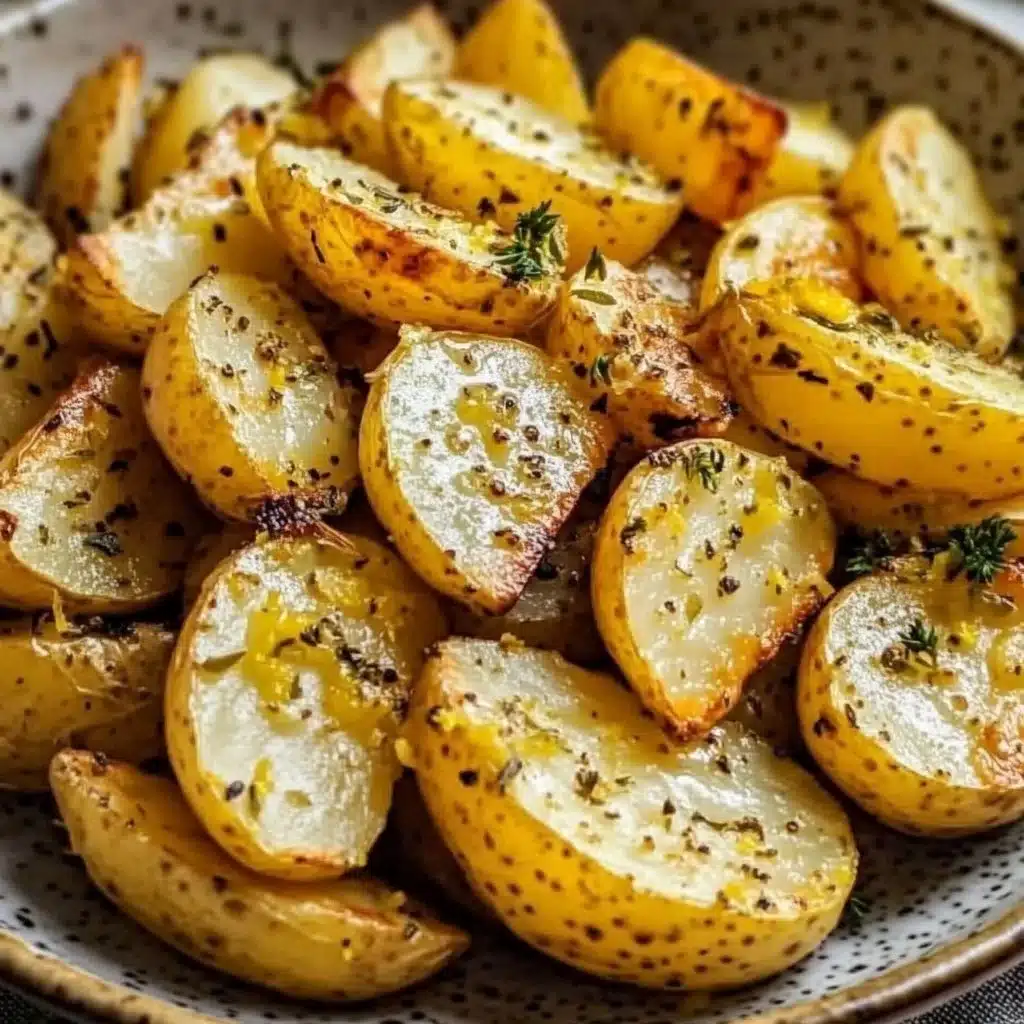
This dish feels like a hug with a tangy edge. The potatoes soak up lemon, olive oil, and garlic, and then the oven does the rest, turning glossy edges into golden, caramelized whispers. I love to slice a potato and watch steam curl up, to test the tender inside with a fork and smile at how a few humble ingredients can sing together.
What matters most to me is that this recipe brings people to the table. It is easy enough for a weeknight and cozy enough for holidays. It pairs with grilled fish, roasted chicken, or a bowl of greens, and it asks for conversation rather than fuss. That is the heart of home cooking in my kitchen.
The Story Behind Our Favorite Greek-Style Lemon Potatoes
My husband remembers these potatoes from his grandmother’s table in the old country. He would tell me about the way her hands moved, about peeling and cutting as she hummed. When I first tried to replicate them, I learned to trust scent more than strict measurements, and I slowly built a version that fit our life and our oven.
Every family makes small changes. My sister likes to add more garlic, my neighbor insists on extra oregano, and my children prefer their pieces a bit smaller so the edges crunch faster. Those differences are not mistakes but invitations to make this dish your own, and that is why Greek-Style Lemon Potatoes always feels like family around here.
There is comfort in repetition and in small rituals. Wiping a wooden spoon between stirs, tasting the marinade and deciding it needs another squeeze of lemon, pulling the tray out when corners reach a deep gold. These actions stitch the week together and remind us that feeding ourselves is an act of care.
Bringing Greek-Style Lemon Potatoes Together
“Every time I stir this pot, it smells just like Sunday at home.”
The kitchen hums when these potatoes roast. Olive oil crackles in the pan at first, then softens into a tender cloak that holds flavor and heat. Lemon brightens the scene, making the air feel clean and lively, and garlic builds the savory backbone that keeps everyone coming back.
I like to let the potatoes sit in their lemony bath for a little while before the oven, to let the flavors sink in. That waiting feels generous and relaxed. While they rest, I set the table, light a candle when the light is low, and think about who will eat with me.
When the potatoes go in the oven, they change slowly. The edges darken, sugars bloom, and the smell shifts from citrus to toasted, earthy comfort. It is a quiet transformation that feels like magic in a plain kitchen.
Ingredients You’ll Need
all 4 large potatoes, peeled and quartered
1/4 cup olive oil
1/4 cup fresh lemon juice
2 cloves garlic, minced
1 tsp dried oregano
a little extra vanilla if you love a cozy aroma
fresh butter gives this its richness
These lines are more than a shopping list. They are small promises. The potatoes carry the dish, the olive oil brings silk, the lemon wakes the palate, the garlic sings, and oregano ties it to its Greek roots. I include a couple of warm suggestions to give you room to make this your own. A touch of butter makes the finished bites feel indulgent, and if you adore cozy smells, a hint of vanilla in a nearby dessert can knit the meal together.
Choose potatoes that feel heavy for their size. Waxy varieties hold shape nicely, while floury ones will fluff inside more. Either works here, but the texture will be different. The lemon juice should be fresh whenever possible. Bottled juice will do in a pinch, but fresh juice lifts the whole dish.
Use good olive oil because it is not just a carrier for flavors, it is a flavor itself. A grassy, fruity oil sings with the lemon and garlic. If you have fresh oregano, by all means use it. It will make the dish smell like a summer terrace. If you do not, dried oregano does a fine and faithful job.
Step-by-Step Directions
Preheat the oven to 425°F (220°C). Prepare a sturdy baking sheet or shallow roasting pan and give it a quick wipe. I like to line mine with foil or parchment for easier cleanup, but it is not necessary.
In a large bowl, toss the quartered potatoes with olive oil, lemon juice, minced garlic, and oregano until evenly coated. Stir until glossy and each piece has a shiny lemon-scented sheen. Breathe in the aroma and taste a tiny dab of the marinade to check seasoning with a careful fingertip.
Spread the potatoes on a baking sheet in a single layer. Do not crowd them because they roast best when they have space. Arrange them so the cut sides face down when you can, because those sides will caramelize and create deeper flavor.
Roast in the oven for about 40-45 minutes, or until golden and tender, turning halfway through. Watch for the edges to turn golden and the bottoms to build a light crust. When you turn them, take a moment to scrape the pan a little and gather the caramel that has formed.
Serve warm as a side dish. Taste one and adjust with a pinch of salt or a squeeze of fresh lemon if needed. Garnish with a sprinkle of oregano or a few parsley leaves and pass the tray around the table.

Each of these steps is simple, but the small actions matter. Tossing until glossy means the oil clings and the lemon flavors every bite. Spreading in a single layer gives each piece a fighting chance to brown. Turning halfway ensures even color and that irresistible mix of soft interior and crisp edge.
If you want deeper flavor, you can marinate the potatoes in the lemon and oil for 30 minutes or two hours. I sometimes do this when I have a quiet morning and a busy evening. The slow soak pulls the lemon into the potato and makes the center gently flavored, not just the surface.
Test for doneness by piercing with a fork. The potato should offer little resistance and then give without falling apart. If it holds firm, roast a bit longer. If it turns to crumbs, you waited too long or used a very floury variety. I love the way a perfect piece yields with a slight resistance and then melts with a clean, lemony finish.
How to Make Greek-Style Lemon Potatoes Better Every Time
Cooking is a practice of small improvements. Over many years I found a few habits that make these potatoes sing. They are humble tricks, but they change the result in ways that feel like a secret shared over coffee.
First, cut potatoes to a consistent size. This helps them roast evenly and finish at the same time. Second, be generous with the lemon and taste as you go. The right balance is personal, and your family may prefer brighter or softer citrus notes.
Third, use heat to your advantage. A hot oven helps edges crisp fast without drying the center. If you find your potatoes are browning too slowly, raise the temperature a little or move the tray closer to the top. If they brown too fast, lower the heat and give them more time.
Lastly, finish with texture. A handful of chopped parsley, a few capers, or a scattering of toasted pine nuts brings brightness and contrast. These small touches make the dish feel cared for without adding complexity.
Serving Greek-Style Lemon Potatoes With Family Warmth
We eat these potatoes straight from the sheet pan more often than not. There is something honest about passing the pan around the table, letting everyone take the piece that calls to them. The family decides who gets the corner pieces and who takes the roastiest bits, and that small negotiation feels like tradition.
Plating can be casual or tidy. For a weeknight, I pile the potatoes on a wide platter and tuck lemon wedges for squeezing. For guests, I arrange them carefully with a scatter of parsley and a few whole garlic cloves that have softened into sweet jewels. Either way, the smell draws people to the table.
These potatoes pair well with roasted chicken, grilled fish, or a big salad. I often serve them with a simple green of arugula dressed with lemon and olive oil because the peppery leaves meet the potatoes with a lively contrast. When we have company, I like to add a bowl of tangy yogurt or a cucumber salad to offer a cool counterpoint.
Traditions grow around serving. My children each have their favorite corner, and we tell stories while we eat about where each recipe bit came from. Sometimes we sing a silly song about the lemon, and sometimes we sit quietly and listen to the oven still warm in the kitchen. Either way, the meal becomes a memory.
You might like to pair these potatoes with other home favorites like a light grilled fish or a bright summer salad. If you want a beverage that carries lemon through the meal, try my gentle and floral butterfly pea lemonade which feels playful and pretty on the table.
Small Variations That Matter
There is room for experiments without losing the dish’s heart. Try adding a few whole garlic cloves to the pan for a mellow, sweet garlic note. Toss in a sprig of rosemary or a few bay leaves for a woodsy depth that changes the aroma.
If you love heat, sprinkle a little crushed red pepper before roasting. If you prefer herb freshness, fold in chopped parsley and dill after the potatoes leave the oven. For a richer finish, stir a knob of butter through the pan while the potatoes rest.
One winter, I tried mixing in halved baby potatoes with quartered larger ones to get both soft centers and extra-crisp edges on the same tray. It made the texture more interesting and pleased everyone at the table. Small experiments like this are how recipes become ours.
Keep in mind that additions should complement lemon and olive oil. Overpowering ingredients will hide the brightness. The goal is to build layers, not mask the basic melody of the dish.
Storing Greek-Style Lemon Potatoes for Tomorrow
Leftovers are a comforting thing. These potatoes store well for a day or two and sometimes taste even better as the lemon settles into the flesh. Place cooled potatoes in an airtight container and chill for up to three days. They will keep their texture but become a little more relaxed.
When you reheat, a splash of olive oil and a warm oven bring back the crisp edges and fresh aroma. Spread the pieces on a baking sheet and warm at 375°F until heated through and the edges re-crisp. Avoid microwaving unless you are pressed for time, as it can make them gummy instead of tender and crisp.
If you have a bit of leftover lemon juice, squeeze a small brightener over the reheated potatoes. That fresh acid wakes the dish and makes everything feel hand-made again. I often pack a lemon wedge in the container so everyone can freshen their serving.
Sharing tips with friends makes me happy. I tell them to warm the potatoes slowly and to think of reheating as a gentle wake-up rather than a quick jolt. It keeps the texture honest and the flavors familiar.
For a different leftover idea, use cold roasted potatoes in a salad with chopped herbs, soft feta, and a splash of extra lemon. It turns a side into a new dish that tastes like the same home but in a different outfit.
Keeping It Fresh and Comforting
It helps to plan a little. If I roast a big pan, I set aside some for lunch the next day. The smell of reheated lemon potatoes on a tired afternoon feels like a small victory. The meal is ready and comforting without hours of effort.
To preserve the aroma, let the pan cool slightly before covering so you do not trap too much steam. Excess moisture can soften edges that you worked to brown. A loose cover helps the potatoes stay lively while they relax.
When you feel like a little brightness, grate a touch of lemon zest over the warm potatoes before serving. Zest brings an aromatic lift that is almost floral and makes each bite sing. It is a small flourish that feels like love on the plate.
I keep a jar of dried oregano and a bottle of good olive oil near my stove. Having these staples in easy reach makes it effortless to make this dish any night. They are the quiet helpers of a busy kitchen.
Tips for Feeding a Crowd
These potatoes scale easily. If you double the recipe, spread the potatoes on two baking sheets rather than crowding one. Crowding traps steam and prevents crisping. Two trays roast more quickly and more evenly.
If you are cooking for many people, time your oven so both sheets can go in at slightly different racks and switch positions halfway. Rotate them for even browning. A stainless steel tray works well for a batch that will feed a crowd because it tolerates higher heat and gives steady browning.
For a buffet, keep a shallow warmer or a low oven set to 200°F to hold the potatoes without drying them. Add a splash of stock or a little more olive oil if you need to revive the shine before serving. The potatoes should stay moist and inviting.
When guests bring dishes, encourage them to bring a light green or a yogurt dip. The potatoes feel happiest with something cool and bright, and it makes the spread feel varied and balanced.
Common Questions I Hear in the Kitchen
People ask me if they can use red potatoes or russets. Yes, both work but the result will change. Reds stay firmer and hold shape, while russets will be fluffier inside. Choose what your family prefers.
Another frequent question is about garlic. I usually mince it, but if you want a softer, sweeter garlic presence, toss in a few whole cloves. They will become gentle and spread a mellow garlic scent through the pan.
Some ask whether to use lemon slices instead of juice. That is a lovely touch. Slices soften and confit in the oven and make for pretty plating. They also give a gentler citrus touch compared with the direct zip of fresh juice.
People worry about salt. Season boldly but taste as you go. Potatoes need a generous hand. If you are watching sodium, reduce the salt and add a sprinkle of flaky sea salt at the table for those who want it.
The Senses of This Recipe
The first thing you notice is the scent. Lemon and olive oil give a bright, Mediterranean tinge that smells clean and comforting at once. As the potatoes roast, the scent deepens, and you get warm, toasty notes that open memories of childhood kitchens.
The texture is where this dish shines. You want a tender interior and crisp edges. That contrast is what makes each bite interesting and satisfying. A little chew on the edge and a soft, buttery center is the best kind of comfort.
Taste moves between bright and savory. Lemon gives lift, garlic gives grounding, and oregano wraps everything in an herbal finish. Salt brings the flavors into focus. Each element has room to be noticed, and the balance feels natural not forced.
Color matters too. The golden edges, the pale buttery centers, and the flecks of green from oregano make the dish look alive. We eat with our eyes first, and these potatoes always look like an invitation.
A Note on Tools and Techniques
You do not need fancy tools to make this well. A good sharp knife, a roomy bowl, and a sturdy baking sheet are the essentials. A silicone spatula helps turn potatoes without scraping the pan lining, and oven mitts keep you safe.
A thermometer is not necessary here. Trust the fork. The best test is a gentle poke. If the fork slides in and the potato gives, you are finished. If it resists, give it more time and check again.
If you have a convection oven, reduce the temperature by 25°F and check earlier. Convection helps brown faster, so watch the edges. If you only have a conventional oven, the recipe as written will give you the same warmth and comfort.
Keep a timer, but trust your senses. Timers are helpful for routine, but the smell and sight of the potatoes often tell you more than the clock. Make the oven part of the conversation in your kitchen.
A Mother’s Small Lessons
I teach my children how to make these potatoes because cooking is practical and gentle training in patience. I show them how to hold the knife, how to toss without splashing, and how to sniff for balance. The kitchen is a classroom for life.
We talk about where food comes from and why simple ingredients can make big memories. I tell them how their grandmother would simmer and how small things like a squeeze of lemon can become a family signature. They listen, then make a face, and then, somehow, they always like the lemon.
When they help, I give them little tasks that match their age. Younger hands toss potatoes in the bowl, older ones handle the oven and timing. These moments are not about perfection but about presence and connection.
Later, when they cook for friends, I hope they carry these small habits with them. Food becomes a story that moves with each new kitchen it enters.
How to Serve When You Want to Impress
If you want the potatoes to look elegant, arrange them in a shallow, warm dish and drizzle a little extra virgin olive oil over the top. Add microgreens for a pop of fresh color and a sprinkle of finely grated lemon zest for perfume.
For a special dinner, serve with a simple roasted fish, a crisp Greek salad, and a pot of plain yogurt with cucumber and dill. The potatoes will feel like a bright supporting actor, humble and necessary, while the fish sings with citrus and the yogurt cools the palate.
Plating matters when you invite others. Use warm plates so the potatoes keep their heat and feel cared for. Small details like a linen napkin and a host who moves slowly make the whole experience tender and memorable.
When we have guests, I often tell a small story about where the dish came from. It makes the meal feel rooted and personal. People notice the warmth and the attention more than they notice any particular technique.
Pantry Swaps That Work
If you are missing oregano, dried thyme or marjoram can stand in. The flavor will change a little but remain herbaceous and bright. If you do not have olive oil, a light vegetable oil will do, though the taste will be different.
If lemons are scarce, a mix of lemon and a touch of white wine vinegar can mimic the acid. It is not the same, but it keeps the spirit of tartness alive. If garlic is not available, a small amount of shallot will give a sweet and mild bite.
A tablespoon of chicken or vegetable stock added to the pan before roasting can make a glossier finish and add savory depth. It is a little flourish that your pantry might already have.
Swaps are about making the recipe work in your real life. I encourage small changes but remind cooks to keep the balance of acid, oil, and seasoning in mind.
Bringing This Dish to New Seasons
In spring, I pair these potatoes with grilled asparagus and peas for a light, green plate. In summer, a tomato salad and cold feta feel perfect. In autumn, roasted root vegetables with rosemary make the table feel hearty. In winter, a slow-roasted chicken and braised greens offer comforting company.
The lemon keeps this dish feeling bright even when the days are short. It is a reminder that warmth can be sharp and clear. Each season asks for little changes, and the dish adapts without losing its heart.
We sometimes make a larger batch and pack it for a weekend picnic. They are hardy and travel well, and they taste fine at room temperature. A crusty bread and a simple cheese make a picnic feel like a feast.
Seasons change, but the simple joy of lemon, oil, and roasted potato is constant. That is why I come back to this recipe again and again.
Troubleshooting Common Issues
If your potatoes are soggy, they were likely crowded or covered while hot. Give them room and let steam escape. If they are unevenly browned, check your oven racks and rotate trays.
If the lemon taste is too sharp, a small pat of butter stirred through after roasting will mellow it. If it is too bland, add a little more salt and a fresh squeeze of lemon. Seasoning is a conversation between cook and dish.
If the edges burn before the centers cook, lower the oven and give them more time, or tent the pan with foil to slow exterior browning. If the centers fall apart, cut the pieces a bit larger next time or shorten the cooking time.
These problems are common and fixable. A patient cook makes small adjustments and learns for next time. That is how skill grows.
Final Thoughts on Comfort and Flavor
Food holds memory. Lemon potatoes are simple, but they carry tenderness. They are a dish that lets you care without stress. They invite conversation and make small moments feel important.
When I serve these, I think about the hands that shared the original versions and the hands that will inherit this one. That continuity matters. Cooking becomes a conversation across time.
If you make this for someone, you are giving them warmth and a little piece of yourself. That is the true gift of home cooking. It matters far more than any perfect technique.
Conclusion
I often look for other recipes that share the same bright, homey spirit and technique, and I find it helpful to compare notes with trusted recipe sources like RecipeTin Eats’ Greek Lemon Potatoes recipe which offers a classic take on this favorite. For another authentic perspective on the dish and traditional tips, I also recommend Olive Tomato’s authentic Greek Lemon Potatoes.
Print
Greek-Style Lemon Potatoes
- Total Time: 60 minutes
- Yield: 4 servings 1x
- Diet: Vegetarian
Description
Comforting and bright Greek-style lemon potatoes that roast to golden perfection, infused with lemon, garlic, and oregano.
Ingredients
- 4 large potatoes, peeled and quartered
- 1/4 cup olive oil
- 1/4 cup fresh lemon juice
- 2 cloves garlic, minced
- 1 tsp dried oregano
- Fresh butter for richness
- Optional: a hint of vanilla for aroma
Instructions
- Preheat oven to 425°F (220°C) and prepare a baking sheet.
- In a large bowl, toss potatoes with olive oil, lemon juice, garlic, and oregano until coated.
- Spread potatoes on the baking sheet in a single layer with cut sides facing down.
- Roast for 40-45 minutes, turning halfway, until golden and tender.
- Adjust seasoning with salt or lemon before serving, garnishing as desired.
Notes
Marinate potatoes for 30 minutes to 2 hours for deeper flavor. Store leftovers in an airtight container for up to 3 days.
- Prep Time: 15 minutes
- Cook Time: 45 minutes
- Category: Side Dish
- Method: Baking
- Cuisine: Mediterranean
Nutrition
- Serving Size: 1 serving
- Calories: 350
- Sugar: 1g
- Sodium: 400mg
- Fat: 14g
- Saturated Fat: 2g
- Unsaturated Fat: 10g
- Trans Fat: 0g
- Carbohydrates: 45g
- Fiber: 5g
- Protein: 6g
- Cholesterol: 0mg
Keywords: Greek, lemon, potatoes, side dish, roasted potatoes, comfort food, easy recipe