Sometimes the smell of warm honey and orange zest takes me straight back to my grandmother’s kitchen, where a soft loaf would cool on the window sill while the sun warmed the tiles. I remember the hush around the table as we waited for the first slice, the steam curling up and the little ones reaching for crumbs. That memory lives in this cake, and it reminds me of slow Sundays and quiet smiles shared with coffee or a cup of tea, much like the simple joy I find in recipes like my favorite banana pancakes recipe that wake up our mornings.
Why This Honey Cake Still Feels Like Home
This honey cake is one of those recipes that grew with me. I first baked it on a rainy afternoon when my oldest was small and wanted something sweet and warm. The kitchen felt small and full, a little sticky with honey on the counter and little footprints on the floor. Over the years it became our go-to for birthdays, quiet afternoons, and when I wanted to give a friend a piece of home.
There is a memory behind every spoonful. The orange zest brightens the honey, and the coffee makes a quiet, grown-up note under the spices. When guests come, this cake sits on the table like an old friend. It is simple enough for new cooks, and flexible enough for someone who likes to play with flavor.
I learned a few small secrets along the way, and one of them came from a neighbor who showed me a trick from her travels. She taught me to think about the type of honey I use, and I still smile when I remember her bottle and the story she told about bees and hills. If you are curious about a small honey tip I picked up, try the gentle idea shared in the Canaan honey trick and see how it changes the cake’s character.
The Simple Process Behind It
“Every time I stir this pot, it smells just like Sunday at home.”
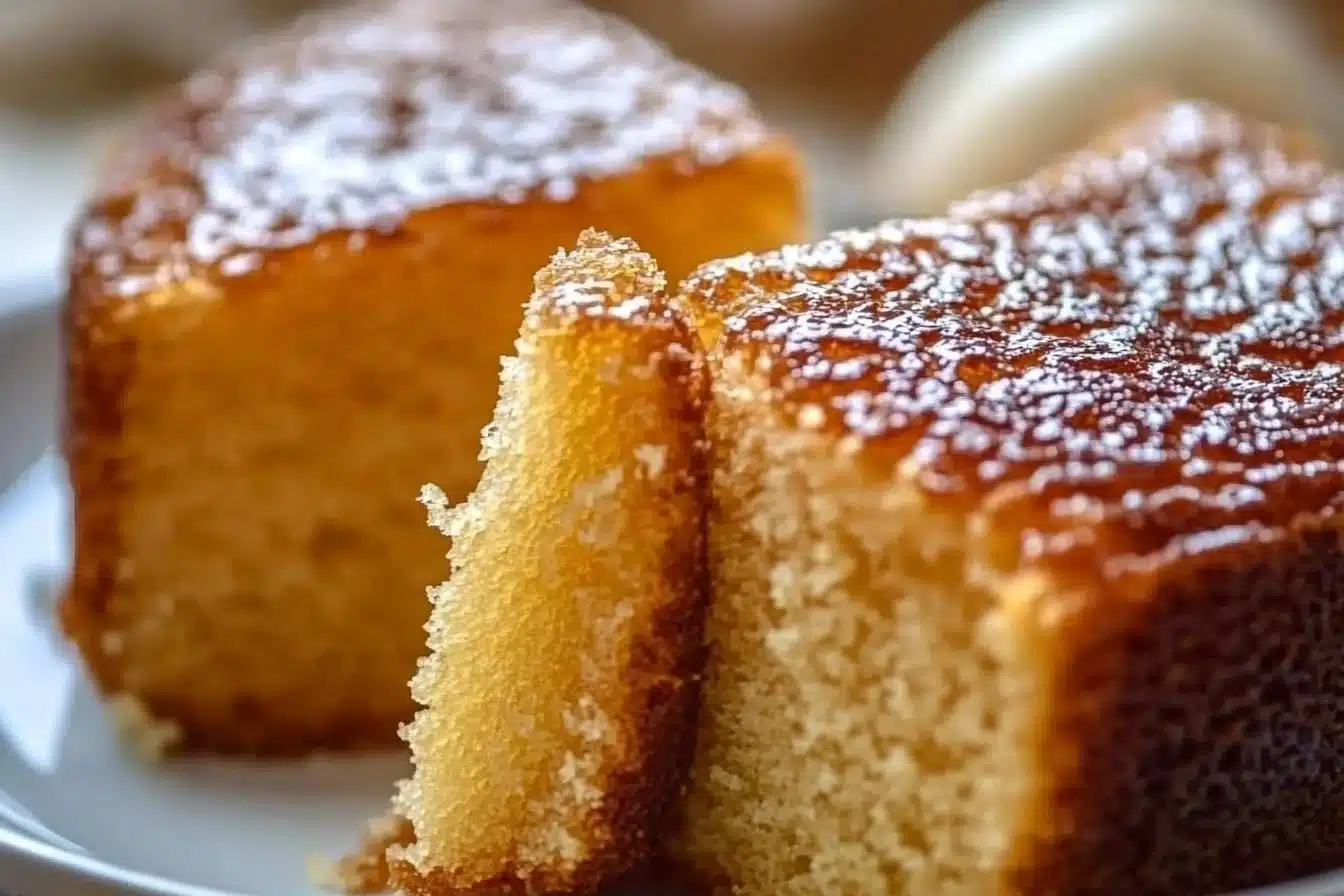
The process of making this cake is calm and steady, like folding a well-loved blanket. You will whisk dry spices until they smell warm and sweet, and watch the batter take on a glossy sheen when the eggs and honey meet. The oven does the rest, turning the batter into a golden loaf while your kitchen fills with that deep, cozy scent of honey and baked orange.
I like to move slowly through each step. Stirring should be gentle and confident, not rushed. When the batter hits the pan it will settle and hush, ready to transform in the heat. You will know it is close when the edges turn a soft amber and the center springs back when touched.
Ingredients You’ll Need
1 cup honey
2 cups all-purpose flour
1½ teaspoons baking powder
½ teaspoon baking soda
½ teaspoon salt
1 teaspoon ground cinnamon
¼ teaspoon ground nutmeg
3 large eggs
¾ cup brown sugar
½ cup vegetable oil
1 teaspoon vanilla extract
Zest of 1 orange
½ cup brewed coffee or black tea, cooled
Powdered sugar or extra honey for topping (optional)
A little side note about the ingredients. Use a honey you love the smell of, because that scent comes through in the cake. If you enjoy an extra orange aroma, add a touch more zest. Fresh butter is lovely when you spread a thin pat on a slice, but the oil keeps the cake moist for days.
If you collect baking books or simple recipes, you might also enjoy browsing the wider cake and dessert category for ideas that pair well with this loaf. It is a gentle way to find new desserts that fit the same quiet, homey vibe.
Step-by-Step Directions
- Preheat oven to 350°F. Grease and flour a 9-inch round or loaf pan. Prepare the pan with care and pat the dough in gently so it will bake evenly and release easily when done.
- In a bowl, whisk flour, baking powder, baking soda, salt, cinnamon, and nutmeg. Mix until the spices smell warm and the flour looks evenly flecked. The aroma should remind you of a spice market at home.
- In another bowl, beat eggs and brown sugar until fluffy. Work with steady strokes until the mixture lightens and has a glossy surface that catches the light. This air makes the cake tender and soft.
- Add honey, oil, vanilla, orange zest, and coffee to the egg mixture. Stir until glossy and smooth, scraping the sides so no streaks of honey hide at the bottom. Breathe in that honey and citrus perfume that fills the bowl.
- Stir in dry ingredients just until combined. Fold gently, and stop when you can no longer see dry flour. The batter should be cohesive and shiny, not overworked or stiff.
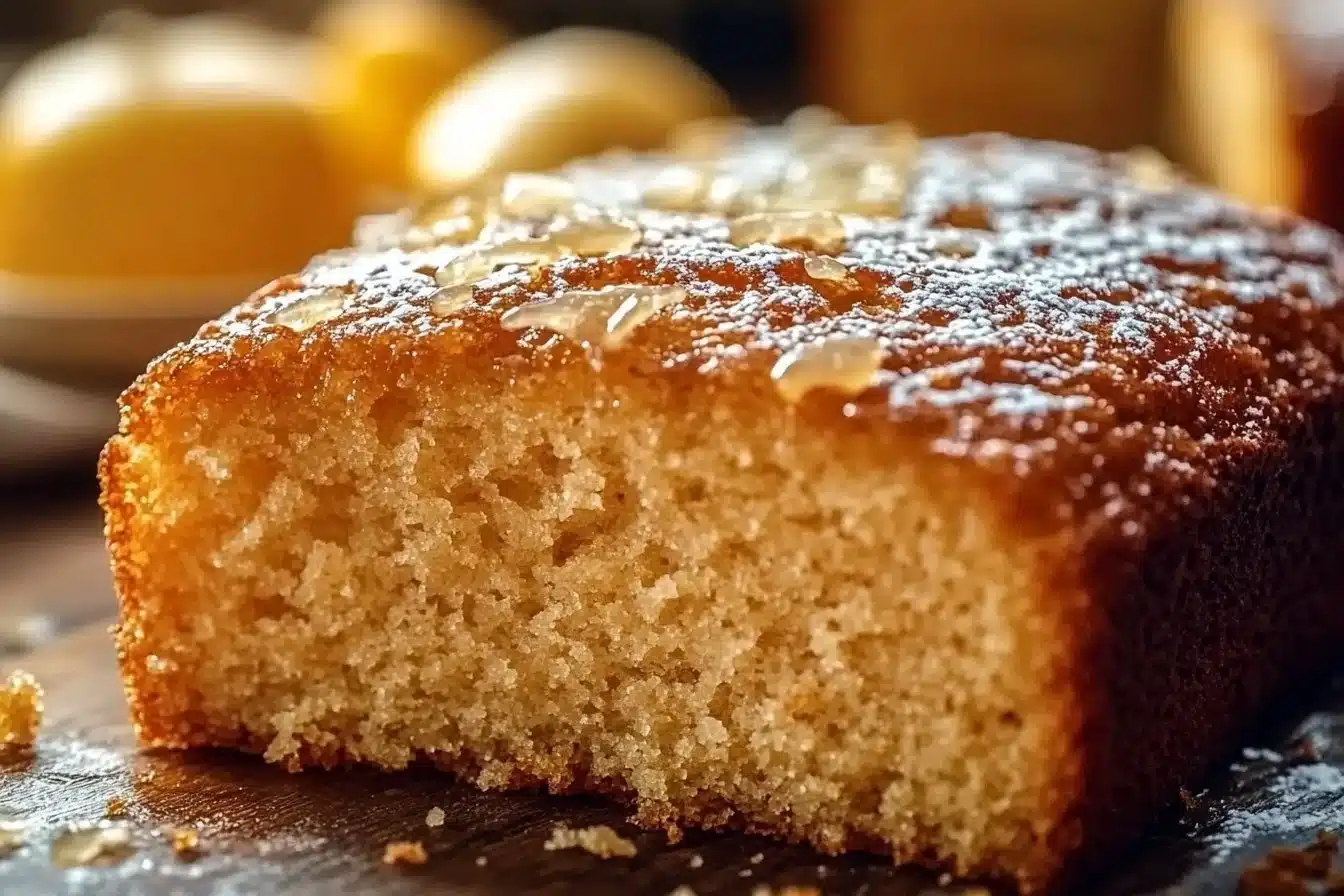
- Pour into prepared pan and bake for 45–50 minutes. Place the pan in the oven and resist peeking too often, though a quick look near the end is fine. You will sense when it is ready by the golden edges and a toothpick that comes out clean or with a few moist crumbs.
- Cool in pan for 10 minutes, then transfer to a rack. Let the loaf rest so the crumb sets and the flavors settle. The steam should fade and leave a warm, tender cake.
- Drizzle with honey or dust with powdered sugar before serving. A little extra honey warms the top and makes the cut shine, or a light dusting of sugar feels like a soft snow on the crust.
Small Fixes While You Bake
If your batter looks too thick, add a tablespoon of coffee or tea until it flows freely from the spoon. If the top browns too fast, lay a sheet of foil lightly over the pan for the last 10 minutes. When you check with a toothpick, do so gently; the cake is tender and a rough touch will leave a dent.
Use a loaf pan for a cozy single loaf, or a round for a cake that feels celebratory. If you want it more dense and sliceable for a tea tray, reduce coffee to three tablespoons and let it sit an extra 5 minutes in the pan before turning out.
A note about coffee: if you do not drink it, black tea works beautifully. The tannins add depth without making the cake taste like coffee. The goal is to give the honey something to rest against, a subtle base that highlights the sweet notes.
Tips for Confident Baking
Always measure flour by spooning it into the cup and leveling it off with a straight edge. Too much flour makes cakes dry and tight. Use room temperature eggs to help the batter come together smooth and glossy, and warm the honey a little if it is thick, so it blends easily.
When zesting the orange, take only the colorful part of the peel. The white pith is bitter and will change the cake’s mood. If you like your cakes a bit richer, swap half of the oil for melted butter and feel how the crumb deepens.
I find it comforting to set a timer and tidy the kitchen while the cake bakes. Little chores make the kitchen feel calm, and when the timer goes off you can enjoy the fresh aroma and a clean counter to slice on.
Serving Honey Cake With Family Warmth
We eat this cake in small ways and in big ways. At breakfast it sits on a plate with soft butter and a bright cup of coffee. At afternoon tea it joins with a small bowl of fresh fruit and a pot of warm tea. On birthdays my children love a ribbon and a candle even if it is not a showy cake.
For a cozy table, I slice thick and place on simple white plates. A smear of cream cheese or a spoon of yogurt on the side is nice for anyone who wants a little cream. When friends come, I cut it into small squares and arrange them on a board with nuts and dried fruit.
If you like to make it a little fancier, serve alongside a light whipped cream or a dollop of mascarpone folded with a touch of honey. For a richer dessert, a small scoop of vanilla ice cream is a joyful pair. This cake holds up well on a potluck table and makes people feel welcome.
Sometimes I place a thin slice on a small plate with a cup of mint tea after a long day. The cake’s warmth feels like a small kindness, and the citrus lifts a heavy mood. It is one of those desserts that does not demand attention, but gives comfort willingly.
If you like chocolate with your celebrations, this honeyed loaf sits happily next to something richer. For an indulgent option at holiday time, I sometimes pair slices with a chocolate yule log cake to offer both light and deep flavors on the same table.
Variations to Make It Your Own
Add chopped nuts for a gentle crunch. Walnuts or pecans work beautifully and bring a toasty note. Fold in a half cup of chopped apples or pears in autumn for a moist, fruit-forward twist that pairs with cinnamon.
For a spiced holiday version, increase the cinnamon to one and a half teaspoons and add a pinch of ground cloves. If you like citrus more, stir in two tablespoons of orange juice with the coffee for a brighter, wetter crumb. For a gluten-free version, try a cup of almond flour plus one cup of a gluten-free mix, but be gentle and do not overmix.
You can brush the top with a thin syrup made of equal parts honey and warm water. It keeps the top glossy and helps the cake stay moist longer. For a sticky, almost glaze-like finish, melt a little butter and stir it with honey and orange zest, then brush the top while the loaf is warm.
When feeding small children, I sometimes reduce the brown sugar a little and add a ripe mashed banana for natural sweetness. It turns the cake softer and gives a gentle banana undertone that the kids seem to love.
How to Save the Leftovers
If you share the cake with neighbors or tuck a slice into a lunchbox, store the rest with care. Wrap the cooled cake in plastic or place it in an airtight container. At room temperature it keeps soft for two days, and in the fridge it will last up to five days without losing its honeyed warmth.
To refresh a slice, pop it into a warm oven for five minutes or zap it for 20 seconds in the microwave with a small paper towel on top. A quick reheat brings back the soft crumb and makes the honey awake again. If you like a gooey top, drizzle a little extra honey after reheating.
When you want to plan ahead, freeze slices individually with parchment between layers. Thaw on the counter or in the fridge and warm gently before serving. The flavors actually mellow and knit together in the cold, so sometimes a slice from the freezer tastes deeper and more settled than the fresh one.
If you bake often and enjoy small sweets, you might like to explore other handheld treats and small cakes that fit this same cozy feel, like a simple cupcake recipe NZ that I sometimes make for school lunches and quick birthday smiles.
Baking With Children and Making It a Ritual
This cake is a great one to bake with little hands. Give them the gentle job of stirring the dry spices or zesting the orange while you handle the oven. Teach them to crack eggs into a bowl one at a time and to use a measuring cup with slow, steady spoons.
When children help, the recipe becomes a small history lesson. We talk about bees, where honey comes from, and how spices traveled across seas. They learn to listen to the batter as it changes, and to the oven as it sings with a soft timer. The memories they make in the kitchen are as important as the cake itself.
Turn baking into a Sunday ritual. Choose one recipe and make it more than once. Notice the differences that happen when you use new honey or a different spice. Over time the kitchen becomes a place of stories, and recipes become the pages everyone loves to read.
Troubleshooting Common Questions
If the cake sinks in the middle, it often means the oven was opened too early or the batter was underbaked. Try to avoid opening the door in the first half of the bake. If it browns too quickly on top, lower the rack or cover the top lightly with foil.
If the crumb is dry, check your flour measurement next time and make sure your eggs were room temperature. If the cake tastes flat, you may want a touch more orange zest or a better honey. Small changes can make a big difference in the final flavor.
If you worry about the coffee flavor showing through, use less coffee or swap for the same amount of cooled black tea. The idea is to add depth without drowning the honey or spices.
A Note on Honey and Flavor
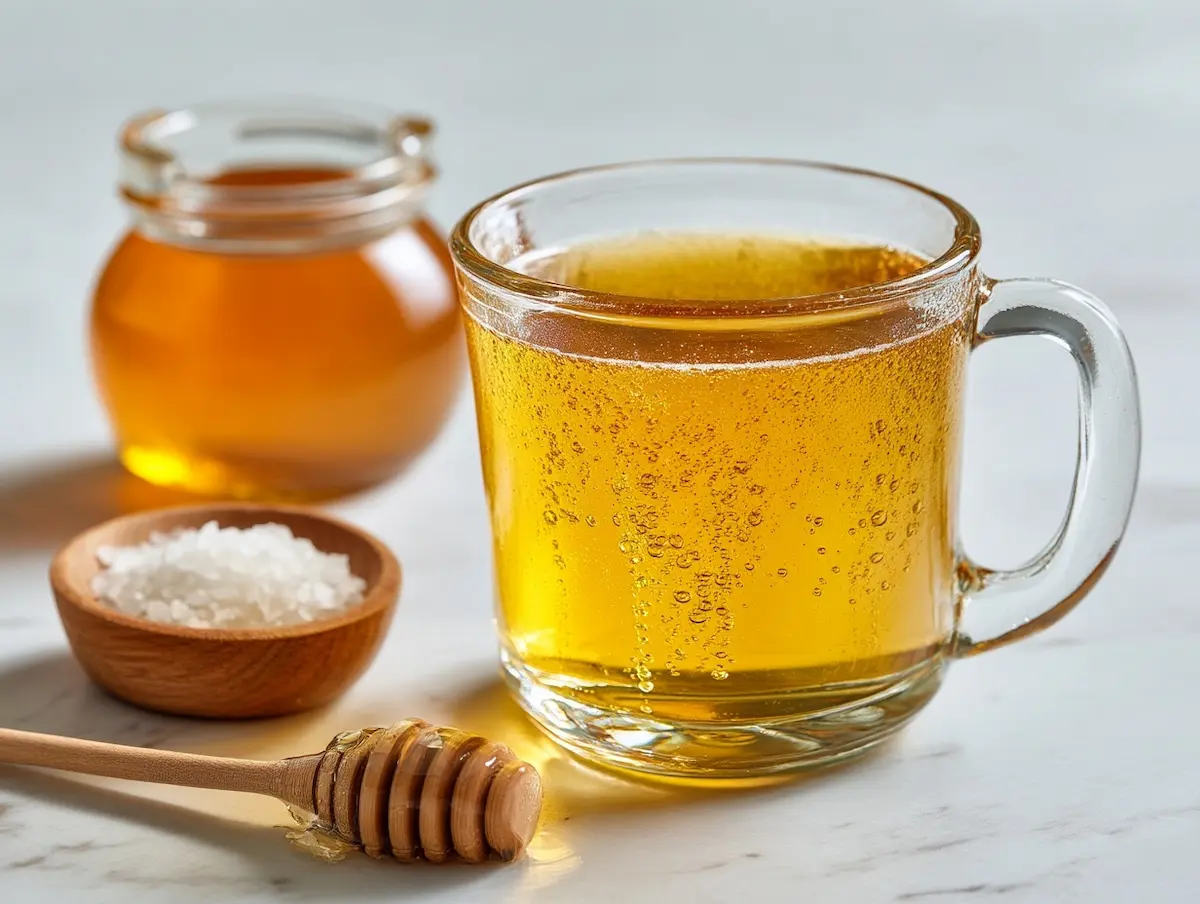
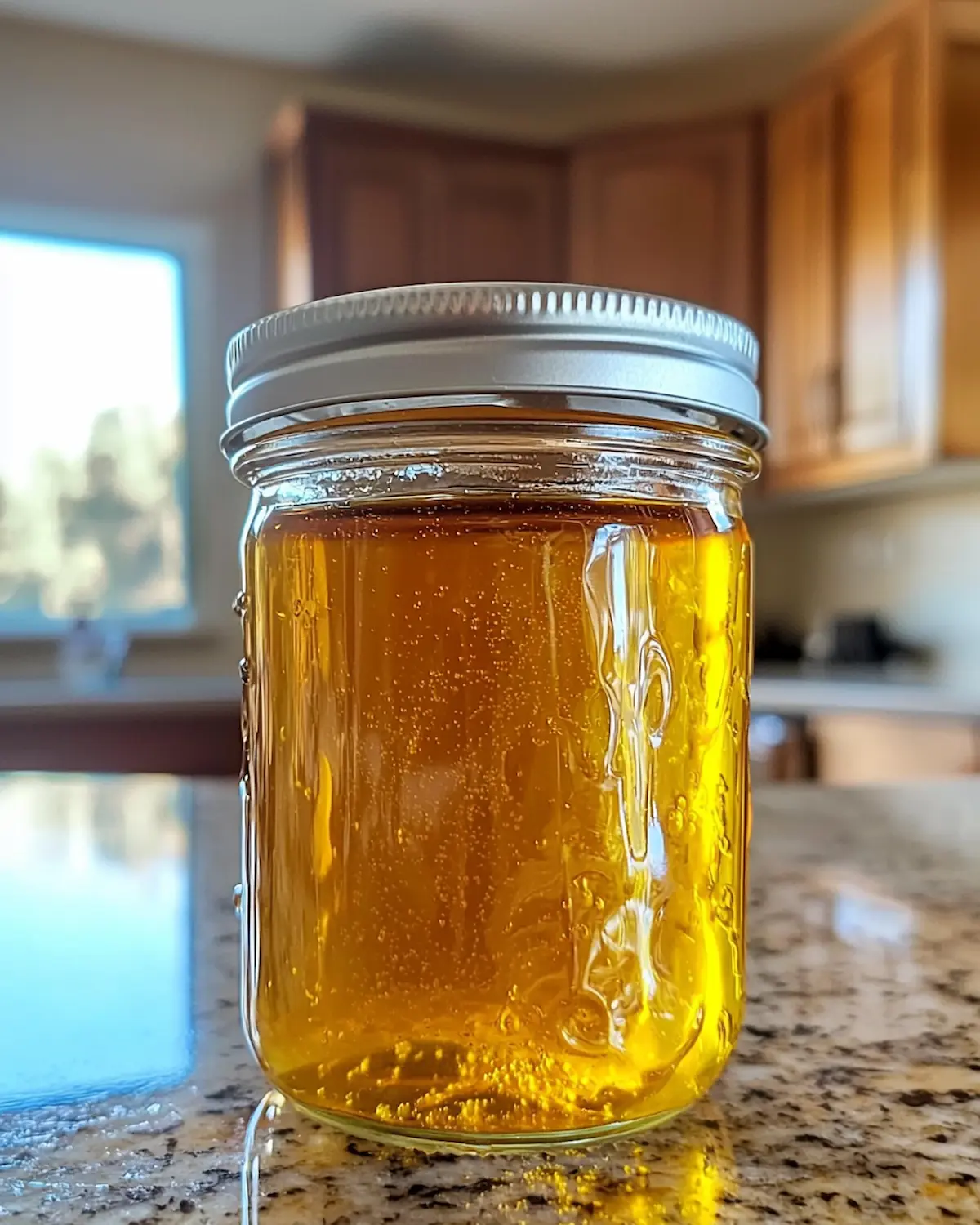
Honey is a living flavor that changes with season and place. A spring honey is bright and floral, while a late summer honey can be deep and caramel-like. I love tasting different honey on a spoon and choosing one that feels right for the cake. If you have a favorite local jar, this recipe is a gentle place to celebrate it.
When giving this cake as a gift, include a small note about the honey you used. It tells a little story and makes the loaf feel thoughtful. The small things matter: a tied ribbon, a folded napkin, a message that says this was made with care.
Bringing Honey Cake to the Table
At our table the cake is an ordinary star. It fits into slow breakfasts, after-school treats, and calm dessert moments. I slice it thick when we need comfort, and thin when there are many people to feed. It welcomes hands and small talk without fuss.
Serve with a warm cup of tea, or pair with a plate of spoons for those who want a smear of cream. This cake is at its best when shared, when the room is a little messy and laughter is easy. Invite neighbors, bring a slice to a friend, or keep it simple and savor a quiet piece with a loved one.
When the season feels heavy, I bake this cake and carry a plate across the street. Food has a way of softening hard days, and a warm slice can be a small kindness that says I see you and I care.
Final Notes and Heart
This honey cake is more than a recipe to me. It is a way to bring comfort, practice patience, and make room for small joys. It teaches simple skills to young helpers and keeps the kitchen smelling like home. I hope when you make it, you feel the same warmth I felt learning to fold the batter with slow, steady hands.
Keep a jar of honey by the stove. Keep the recipe on a card and write notes in the margin. Share the loaf and the story so the next time someone bakes it, they will feel part of the same quiet kitchen.
Print
Honey Cake
- Total Time: 65 minutes
- Yield: 8 servings 1x
- Diet: Vegetarian
Description
A comforting honey cake infused with orange zest and spices, perfect for sharing on cozy afternoons.
Ingredients
- 1 cup honey
- 2 cups all-purpose flour
- 1½ teaspoons baking powder
- ½ teaspoon baking soda
- ½ teaspoon salt
- 1 teaspoon ground cinnamon
- ¼ teaspoon ground nutmeg
- 3 large eggs
- ¾ cup brown sugar
- ½ cup vegetable oil
- 1 teaspoon vanilla extract
- Zest of 1 orange
- ½ cup brewed coffee or black tea, cooled
- Powdered sugar or extra honey for topping (optional)
Instructions
- Preheat oven to 350°F. Grease and flour a 9-inch round or loaf pan.
- In a bowl, whisk flour, baking powder, baking soda, salt, cinnamon, and nutmeg.
- In another bowl, beat eggs and brown sugar until fluffy.
- Add honey, oil, vanilla, orange zest, and coffee to the egg mixture. Stir until smooth.
- Stir in dry ingredients just until combined.
- Pour into prepared pan and bake for 45–50 minutes.
- Cool in pan for 10 minutes, then transfer to a rack.
- Drizzle with honey or dust with powdered sugar before serving.
Notes
For a richer flavor, swap half of the oil for melted butter. If desired, add chopped nuts or fruits for variation.
- Prep Time: 15 minutes
- Cook Time: 50 minutes
- Category: Dessert
- Method: Baking
- Cuisine: American
Nutrition
- Serving Size: 1 slice
- Calories: 350
- Sugar: 30g
- Sodium: 400mg
- Fat: 12g
- Saturated Fat: 1.5g
- Unsaturated Fat: 6g
- Trans Fat: 0g
- Carbohydrates: 45g
- Fiber: 2g
- Protein: 5g
- Cholesterol: 30mg
Keywords: honey cake, dessert, sweet, baking, family recipe