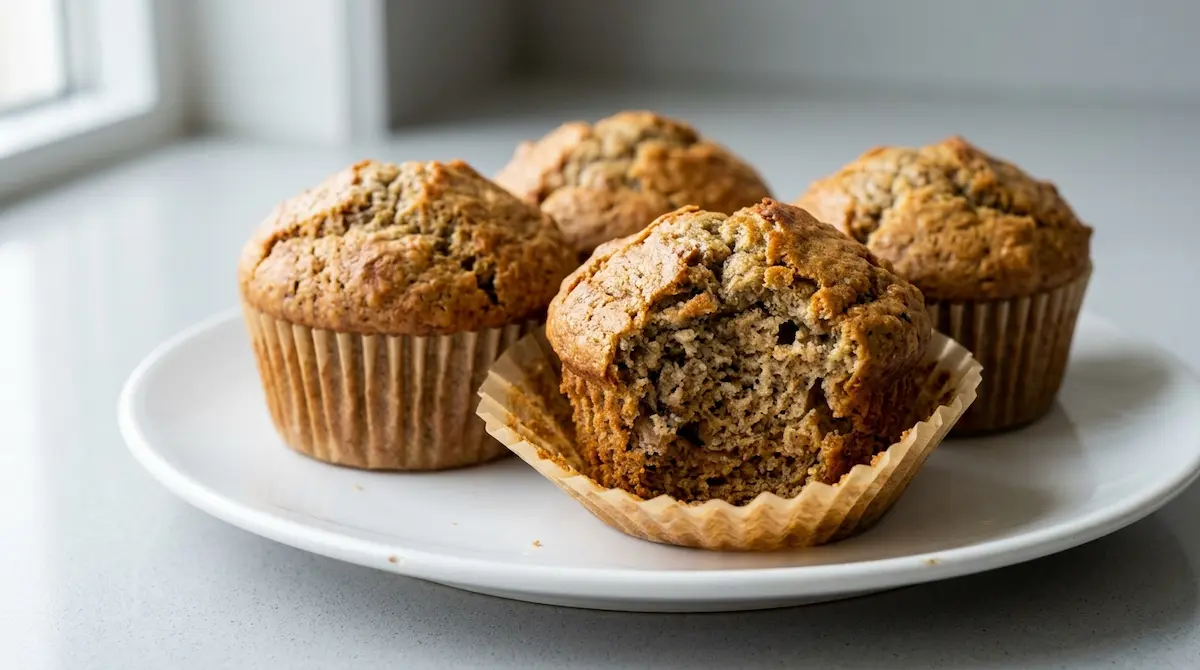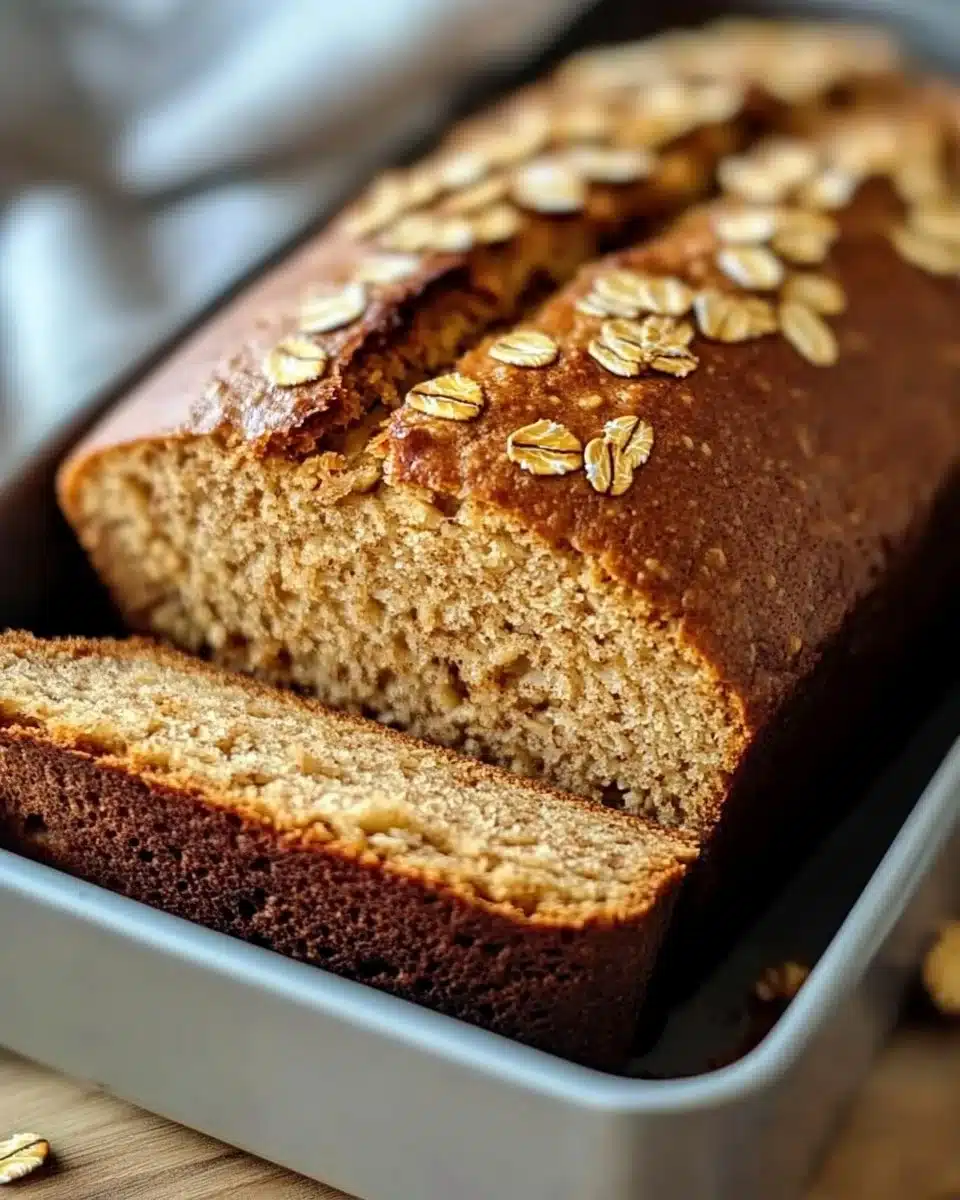
Honey Cinnamon Oatmeal Bread is warm, golden, and fragrant with toasted oats and sweet honey — a loaf that fills the kitchen with cozy autumn aromas. Soft crumb flecked with oats and a kiss of cinnamon makes each slice comforting on its own or perfect for breakfast toast. This recipe is special because it’s seasonal and sustainable — it uses pantry staples, whole oats, and simple yeast techniques that are easy enough for weeknights yet impressive for holiday brunches. Check out more breads like this: https://www.wecookrecipe.com/cinnamon-crunch-peach-muffin-bread/.
Why You’ll Love This Recipe
This Honey Cinnamon Oatmeal Bread is ideal for cool-weather mornings, holiday brunch tables, or as a thoughtful homemade gift. It’s both comforting and practical: the oats add hearty texture while honey brings a gentle sweetness that pairs beautifully with butter or jam. The process is forgiving — you can make the dough by hand or in a mixer, and the loaf holds up well to slicing and toasting. It’s versatile too: slice it thick for sandwiches, thin for tea time, or freeze for make-ahead convenience.
Seasonal Ingredients Spotlight
Celebrate local oats, raw honey, and butter at their peak for a loaf that tastes of place and season. Rolled oats provide a nutty, toasted aroma and creamy texture when soaked; local honey contributes floral notes that shift with the region — citrusy in spring, deep and wild in late summer. Use milk from local dairies for a richer crumb, or choose plant-based milk in fall for a lighter profile. Color-wise, the loaf browns to a warm amber with a golden crust; inside the crumb is pale ivory streaked with oat flecks. Choosing seasonal ingredients supports local farmers and reduces food miles, making this bread a sustainable, delicious choice. For a fruit-forward twist, try pairing with spiced preserves like the ones used in Apple Cider Donut Bread.
What You’ll Need
- 1 cup rolled oats — provides nutty texture and bite; quick oats can be used but will be softer.
- 1 cup warm milk (240 ml) — adds richness; substitute plant-based milk for dairy-free.
- 2 teaspoons active dry yeast — gives lift and a gentle tang.
- 1/4 cup warm water (60 ml) — to bloom the yeast.
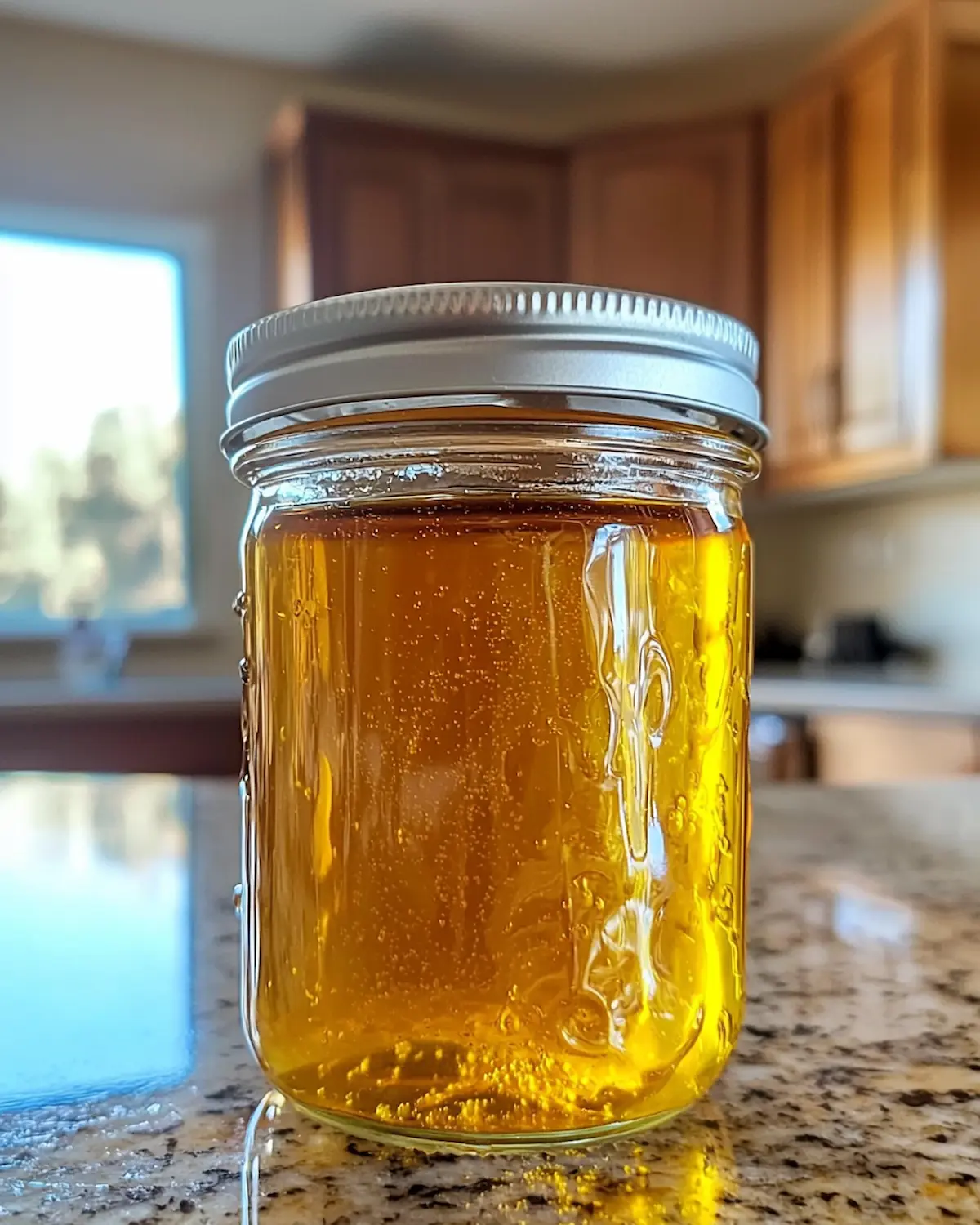
- 1/4 cup honey (60 ml) — for natural sweetness and moisture; maple syrup is a good swap.
- 1/4 cup melted butter (60 ml) — enriches the crumb; use coconut oil or vegan butter for dairy-free.
- 3 cups all-purpose flour (375 g) — structure; substitute 1:1 gluten-free flour blends if needed (note texture changes).
- 1 teaspoon ground cinnamon — warm spice; increase for stronger aroma.
- 1/2 teaspoon salt — balances sweetness.
Sensory notes & substitutions: Soaked oats smell toasty and feel creamy; honey brings a floral, syrupy sweetness while melted butter adds a rich, silky mouthfeel. For whole-grain flavor, replace 1 cup of flour with whole-wheat flour (expect a denser loaf). For a lighter loaf, use bread flour for more chew and oven spring. If avoiding yeast, make quick oat loaves using baking powder — different texture but still tasty.
How to Make This Recipe
- Soften the Oats — In a small bowl, combine 1 cup of rolled oats with 1 cup (240 ml) of warm milk. Let it sit for 10 minutes to soften.
- The milk will turn slightly creamy and the oats will feel plump. If milk is cool, leave a few extra minutes until oats are pillowy.
- Bloom the Yeast — In a separate bowl, dissolve 2 teaspoons of active dry yeast in 1/4 cup (60 ml) of warm water. Add 1 tablespoon of honey and let it sit for 5-10 minutes until bubbly.
- You should see foam forming; if not, the yeast may be old or the water too hot/cold — try again with fresh yeast and 105–115°F water.
- Combine Wet Ingredients — Add the softened oats, 1/4 cup (60 ml) of melted butter, and 1/4 cup (60 ml) of honey to the yeast mixture. Stir until combined.
- The mixture will be warm, slightly thick, and glossy from the butter. Taste for sweetness and adjust if desired.
- Add Dry Ingredients — Gradually mix in 3 cups (375 g) of all-purpose flour, 1 teaspoon of cinnamon, and 1/2 teaspoon of salt. Stir until a shaggy dough forms.
- The dough should look rough and slightly sticky; this is normal before kneading.
- Knead to Develop Gluten — Transfer to a lightly floured surface and knead for about 8-10 minutes until smooth and elastic. If it’s sticky, add a little more flour, a tablespoon at a time.
- Properly kneaded dough springs back when pressed; under-kneaded dough will tear and feel slack.
- First Rise — Place the dough in an oiled bowl, cover with a damp cloth, and let it rise for 1-1.5 hours in a warm spot until doubled in size.
- The dough should nearly double and feel light; if your kitchen is cool, place it in an oven with just the light on.
- Shape and Second Rise — Punch down the dough and shape it into a log. Place it in a greased loaf pan and let it rise again for about 30-40 minutes.
- The dough should puff to just above the rim; overproofing can cause collapse during baking.
- Bake — Preheat your oven to 375°F (190°C). Bake the bread for 30-35 minutes, or until golden brown and hollow-sounding when tapped.
- The crust will be a deep golden brown; an instant-read thermometer should read about 190–200°F in the center.
- Cool Before Slicing — Remove the bread from the pan and cool on a wire rack before slicing.
- Cooling prevents a gummy crumb and lets flavors settle. Slice when mostly cool for clean cuts.
Step Examples
Prepare the Base — Describe prep, crushing, or blending; include texture/aroma cues.
- Soaking the oats in warm milk creates a fragrant, slightly sweet base that smells toasty and feels silky to the touch.
Mix the Ingredients — Explain combining ingredients; note consistency.
- Stir the yeast mixture into the oat-milk base until glossy; the dough will be shaggy and tacky before kneading.
Shape or Cook — Guide shaping, rolling, baking; include doneness tips.
- Shape into a smooth log and watch for a golden crust with a hollow sound when tapped — a sign the loaf is done.
Finish or Garnish — Detail final touches — dipping, drizzling, garnishing.
- Brush the warm loaf with a little melted butter for shine and a soft crust; sprinkle extra oats on top for a rustic finish.
Serve and Enjoy — Encourage tasting and describe textures/flavors.
- Slice warm with butter to experience the creamy oat texture, sweet honey notes, and gentle cinnamon warmth.
Essential Tools
- Mixing bowls (large and medium)
- Measuring cups and spoons
- Wooden spoon or rubber spatula
- Stand mixer with dough hook (optional) — speeds kneading
- Loaf pan (9×5 inches) — greased
- Wire rack for cooling
- Instant-read thermometer (optional for accuracy)
Optional: a baking stone for more even heat, dough scraper for easy handling, and a bench knife for neat shaping. If you’re linking to tools you love, consider local kitchen shops or trusted brands — many bakers prefer supporting nearby stores for quality and service.
Meal Prep & Storage Tips
Make-ahead: Bake the loaf, cool completely, then slice and store slices in an airtight container for up to 3 days at room temperature. For longer storage, freeze slices in a single layer on a tray, then transfer to a freezer bag for up to 3 months. To thaw, toast or warm gently in a low oven. For food safety, refrigerate any bread with perishable fillings (e.g., cream cheese spreads) and consume within 2–3 days. Reheat slices briefly in a toaster or oven to refresh the crust and aroma before serving.
Perfect Pairings
This honey cinnamon oat loaf pairs beautifully with creamy butter, tangy fruit preserves, or a smear of nut butter for protein-rich breakfasts. Serve thin slices with warm tea — chamomile or black tea highlights the honey notes — or pair thick slices with coffee for a hearty brunch. For a seasonal spread, include roasted pears, fig jam, or sharp cheddar for a savory counterpoint; these flavors create a visually appealing platter with varied colors and textures. Try the loaf alongside mashed banana banana-bread-style spreads inspired by Banana Bread for a comforting combo. A drizzle of honey and a scattering of toasted oats on the plate makes the presentation rustic and inviting.
Nutrition Facts
Estimated per serving (one thick slice):
- Calories: ~180 kcal
- Fat: 8 g
- Carbohydrates: 24 g
- Protein: 3 g
- Fiber: 1 g
- Sugar: 14 g
Values are approximate and will vary by ingredient brands and slice thickness. Use lower-fat milk or reduced honey for fewer calories and sugar if desired.
Avoid These Common Pitfalls
- Dough Too Dry — Add a splash of milk until pliable.
- If dough resists kneading and cracks, a tablespoon or two of warm milk softens it without overhydrating.
- Chocolate Coating Breaks — Ensure melted chocolate is smooth and warm.
- While this bread doesn’t require chocolate, if glazing or dipping other treats, temper chocolate slowly and keep warm to avoid seizing.
- Unevenly Shaped Balls — Use a cookie scoop.
- For rolls or buns, portion dough with consistent scoops for uniform baking.
Other tips: don’t over-flour while kneading — the dough should be slightly tacky for a tender crumb. Avoid overproofing; the dough should roughly double, not triple.
Pro Tips for Best Results
- Use warm (not hot) liquids at 105–115°F to activate yeast without killing it. You’ll notice a fragrant yeasty aroma when properly bloomed.
- Let the oats fully absorb the milk for creaminess; this improves texture and prevents dry pockets.
- For a shinier crust, brush with an egg wash (or milk wash for vegetarian option) before baking — it deepens color and adds sheen.
- Save time by using a stand mixer to knead for 5–6 minutes on low-medium, watching for a smooth, elastic dough.
- Slice with a serrated bread knife after partial cooling for the best-looking pieces and a soft, uncompressed crumb.
Recipe Variations to Explore
- Maple Walnut: Replace honey with maple syrup and fold in 1/2 cup toasted chopped walnuts for crunch and fall flavor.
- Raisin-Cinnamon: Add 3/4 cup plump raisins soaked in warm water or rum for texture and sweetness.
- Seeded Oat: Sprinkle the top with mixed seeds (sesame, sunflower, pumpkin) before baking for a rustic, nutritious crust.
- Savory Herb: Omit the honey and add 1 tablespoon chopped fresh rosemary and 1/2 teaspoon cracked black pepper for a savory twist ideal with soups.
- Quick Oat Loaf (yeast-free): Use baking powder as a leavening agent and reduce rising times — great when you need bread in a hurry.
Dietary Adaptations & Safety Info
Allergens: Contains wheat, dairy (butter, milk), and honey (not vegan). For vegan adaptation, use plant-based milk, vegan butter, and agave syrup in place of honey (note: agave flavor differs). For gluten-free, use a 1:1 gluten-free flour blend designed for yeast breads and add a binding agent if necessary — texture will be denser. Always ensure substitutions tolerate yeast fermentation; gluten-free doughs often require different handling. Keep food safety in mind: cool loaves completely before storing to avoid condensation and mold growth.
Frequently Asked Questions
Q: Can I use instant yeast instead of active dry yeast?
A: Yes. If using instant yeast, mix it directly into the flour and reduce the proofing time slightly; keep the same quantities otherwise. Instant yeast often gives a faster rise and is more convenient.
Q: How do I know when the bread is fully baked?
A: The crust should be deep golden brown and the loaf should sound hollow when tapped on the bottom. An internal temperature of 190–200°F (88–93°C) indicates doneness.
Q: Can I make this in a bread machine?
A: Yes — add ingredients in the order recommended by your machine (liquids first, dry last), and use the dough or basic bread setting. Remove promptly after the final bake to prevent over-browning.
Q: My bread collapsed after baking — what happened?
A: Likely overproofing or too much yeast. Ensure the dough doubles (not triples) during the first rise and bake promptly. Also avoid opening the oven early, which can cool and deflate the loaf.
Q: How do I get a softer crust?
A: Brush the baked loaf with melted butter immediately after it comes out of the oven. For a very soft crust, cover the loaf with a clean towel while it cools to trap moisture.
Q: Can I add mix-ins like nuts or seeds?
A: Definitely. Fold in up to 1 cup of chopped nuts, dried fruit, or seeds during the final stages of mixing. Distribute evenly to prevent dense pockets.
Q: Is there a way to reduce sugar?
A: Reduce the honey slightly (by up to half) or use a low-calorie sweetener compatible with baking, remembering it may affect moisture and browning.
Final Thoughts & Next Steps
This Honey Cinnamon Oatmeal Bread is a warm, comforting loaf that’s approachable for bakers of all levels. Try it once and then experiment with the variations and pairings suggested here. If you bake this, please share a photo or tag your post — I’d love to see your loaf and hear any tweaks you made. For more cozy recipes, browse our bread and breakfast categories.
Conclusion
For another tried-and-true honey oat loaf with a slightly different spin and detailed notes, see Joy the Baker’s Honey Oatmeal Bread | The Lawful Kitchen (https://thelawfulkitchen.com/2015/03/16/honey-oatmeal-bread/).
Print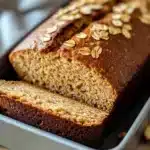
Honey Cinnamon Oatmeal Bread
- Total Time: 50 minutes
- Yield: 1 loaf 1x
- Diet: Vegetarian
Description
A warm, golden loaf that fills the kitchen with cozy autumn aromas, combining toasted oats and sweet honey for a comforting breakfast.
Ingredients
- 1 cup rolled oats
- 1 cup warm milk (240 ml)
- 2 teaspoons active dry yeast
- 1/4 cup warm water (60 ml)
- 1/4 cup honey (60 ml)
- 1/4 cup melted butter (60 ml)
- 3 cups all-purpose flour (375 g)
- 1 teaspoon ground cinnamon
- 1/2 teaspoon salt
Instructions
- In a small bowl, combine rolled oats with warm milk and let it sit for 10 minutes to soften.
- Dissolve active dry yeast in warm water, add one tablespoon of honey, and let it sit for 5-10 minutes until bubbly.
- Add softened oats, melted butter, and honey to the yeast mixture, then stir until combined.
- Gradually mix in all-purpose flour, cinnamon, and salt until a shaggy dough forms.
- Knead the dough on a lightly floured surface for about 8-10 minutes until smooth and elastic.
- Place the dough in an oiled bowl, cover with a damp cloth, and let it rise for 1-1.5 hours until doubled in size.
- Punch down the dough and shape it into a log, placing it in a greased loaf pan for a second rise of 30-40 minutes.
- Preheat the oven to 375°F (190°C) and bake the bread for 30-35 minutes until golden brown and hollow-sounding when tapped.
- Remove from the pan and cool on a wire rack before slicing.
Notes
For a lighter loaf, consider using bread flour instead of all-purpose flour. This recipe is versatile – it can be made with variations like maple walnut or savory herb.
- Prep Time: 15 minutes
- Cook Time: 35 minutes
- Category: Bread
- Method: Baking
- Cuisine: American
Nutrition
- Serving Size: 1 slice
- Calories: 180
- Sugar: 14g
- Sodium: 200mg
- Fat: 8g
- Saturated Fat: 4g
- Unsaturated Fat: 4g
- Trans Fat: 0g
- Carbohydrates: 24g
- Fiber: 1g
- Protein: 3g
- Cholesterol: 15mg
Keywords: honey bread, cinnamon bread, oatmeal bread, fall recipes, homemade bread