
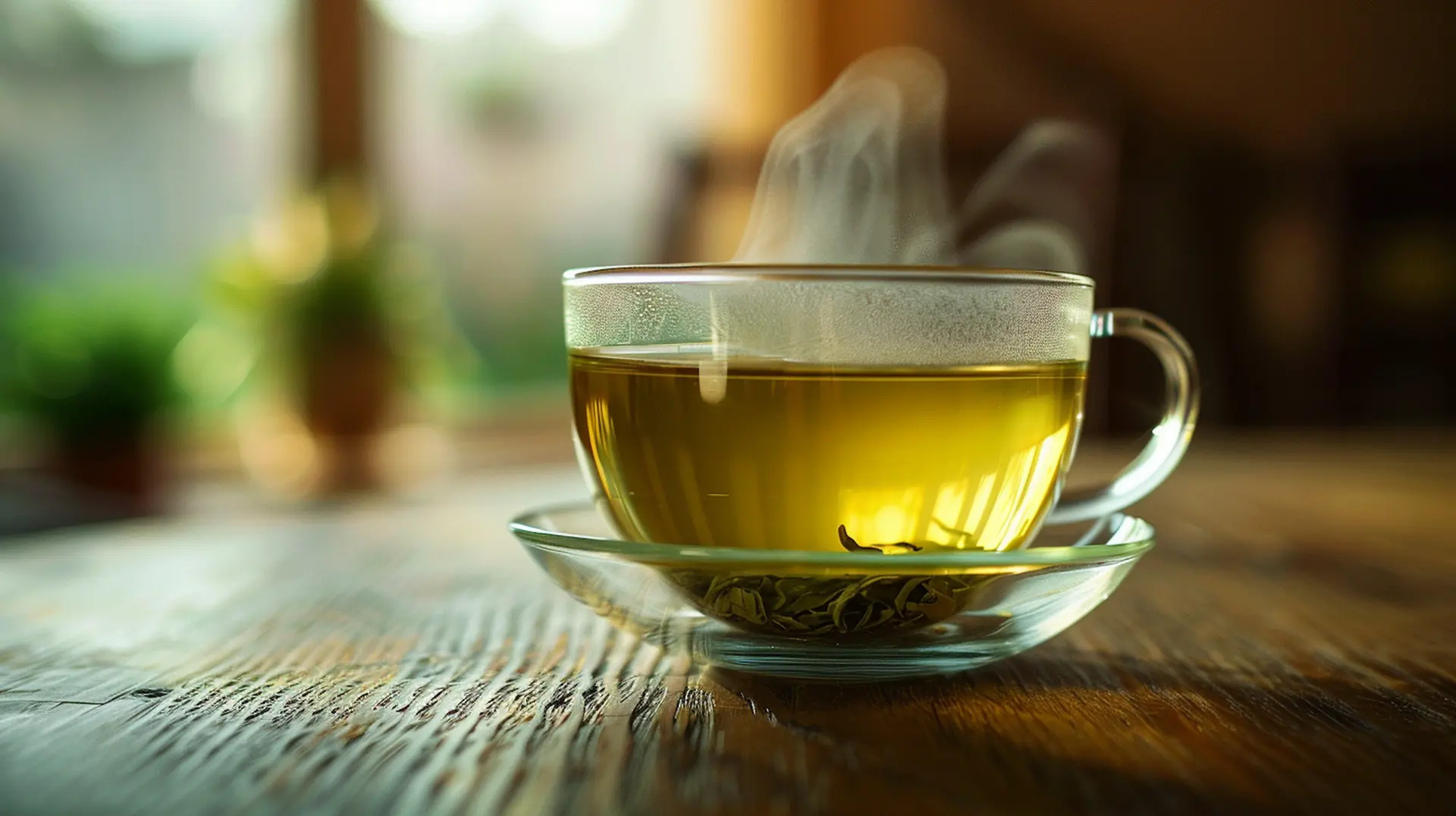
I’ll be honest with you. I ruined more cups of green tea than I care to admit before I figured out what I was doing wrong with brewing green tea. Boiling water. That was my mistake. And if you’ve ever taken a sip of green tea that tasted like you were drinking lawn clippings mixed with battery acid, you’ve probably made the same error when trying to brew green tea properly.
Here’s what finally changed everything for me: temperature matters more than anything else when brewing green tea. Get it right, and you unlock those incredible health benefits of green tea everyone talks about. The antioxidants, the calm energy, that clean, slightly sweet flavor. Get it wrong, and you’re stuck with bitter, astringent disappointment.
The good news? Once you understand the basics of how to brew green tea properly, it becomes second nature. You don’t need fancy equipment or a degree in tea ceremony. Just the right water temperature, a bit of patience, and quality leaves.
Quick Answer: How Long to Brew Green Tea?
Water Temperature: 160-180°F (71-82°C). Never boiling.
Steeping Time: 1-3 minutes depending on variety
Tea Amount: 1 teaspoon (2-3 grams) per 8 ounces of water
Why It Matters: Boiling water (212°F) scorches delicate green tea leaves, destroying beneficial compounds and creating that harsh, bitter taste you want to avoid when learning how to brew green tea.
Green tea requires cooler water and shorter steeping times than black tea or herbal infusions. This gentler approach preserves the natural sweetness and prevents bitter tannins from overwhelming your cup.
Why Temperature Matters for Green Tea Benefits
Never Use Boiling Water
This is the number one mistake people make with green tea, and it’s why so many folks think they don’t like it. Boiling water at 212°F is simply too hot for delicate green tea leaves.
What happens when you pour boiling water over green tea? The heat scorches the leaves, forcing out bitter compounds called tannins way too quickly. At the same time, you’re actually destroying some of those valuable antioxidants and beneficial compounds that make green tea so good for you in the first place.
Green tea leaves are delicate. Think of them like fresh herbs rather than dried spices. They contain heat-sensitive compounds (especially catechins and L-theanine) that need precise temperature control to extract properly without breaking down.
The Science Behind Temperature
Different temperatures extract different compounds from your green tea leaves when you brew green tea:
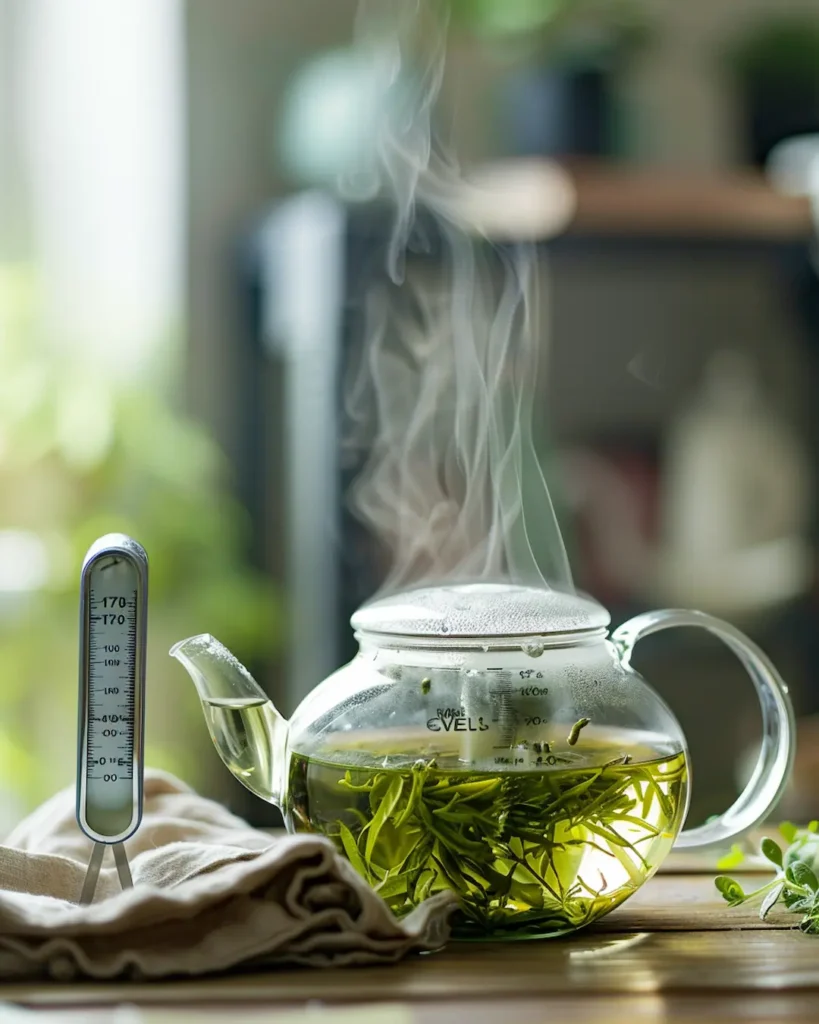
160-170°F (71-77°C)
Best for: Delicate varieties like gyokuro, high-grade sencha green tea, and premium Chinese green teas
What you get: The tea’s natural sweetness comes through clearly, with a smooth, almost creamy texture. Bitter tannins stay in the leaves where they belong.
Health benefits: Maximum preservation of catechins and EGCG (the compounds linked to green tea benefits like metabolism support and antioxidant activity)
170-180°F (77-82°C)
Best for: Standard sencha, bancha, and most everyday loose leaf green tea
What you get: Slightly more robust flavor with better body, while still maintaining that characteristic fresh, grassy quality
The tradeoff: A bit more caffeine in green tea extraction, which some people prefer for morning drinking
I usually aim for the lower end when I’m brewing something special, and the higher end for my daily drinking tea. You’ll find your sweet spot as you experiment with how to brew green tea.
Step-by-Step Method: How to Brew Green Tea Leaves
Step 1: Heat Your Water Correctly
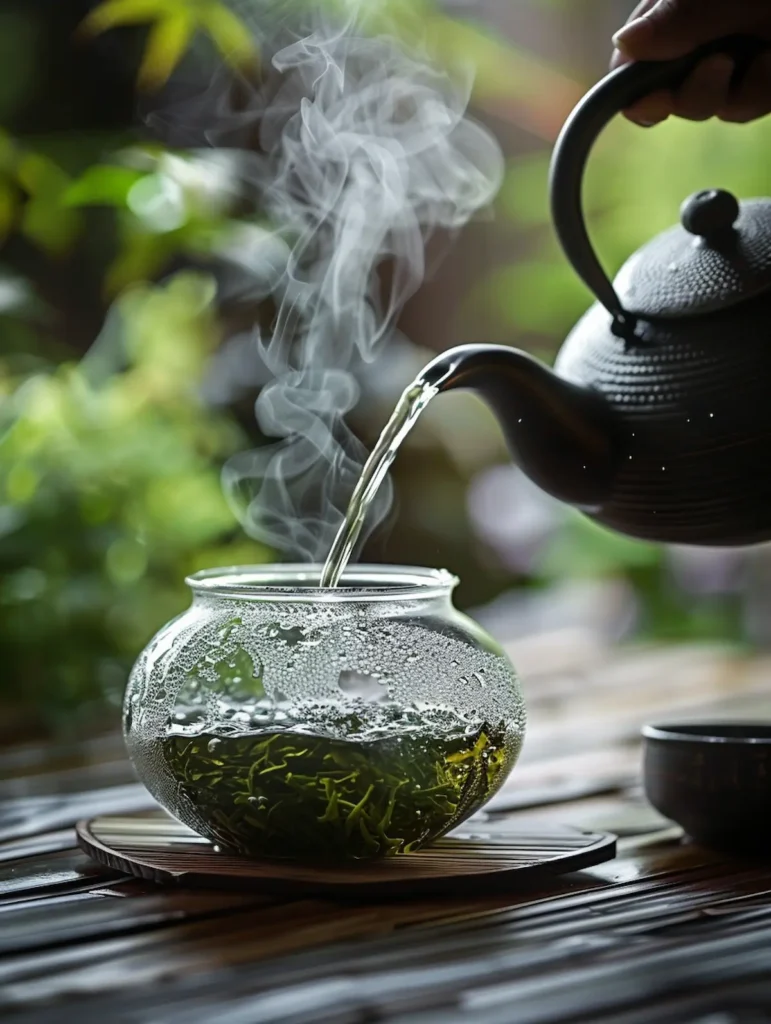
Bring water to a full boil, then let it cool to your target temperature of 160-180°F when you brew green tea.
No thermometer? Here’s what I do: after the water boils, let it sit for 3-5 minutes. If you want to be more precise, pour the boiling water into your teacup first. This cools it by about 10-15 degrees and warms your cup at the same time.
Pro Tip: Pour that water from your warmed teacup into your teapot. By the time you’ve done this transfer, the temperature has naturally dropped to around 170°F, which is perfect for most types of green tea.
Step 2: Measure Your Tea
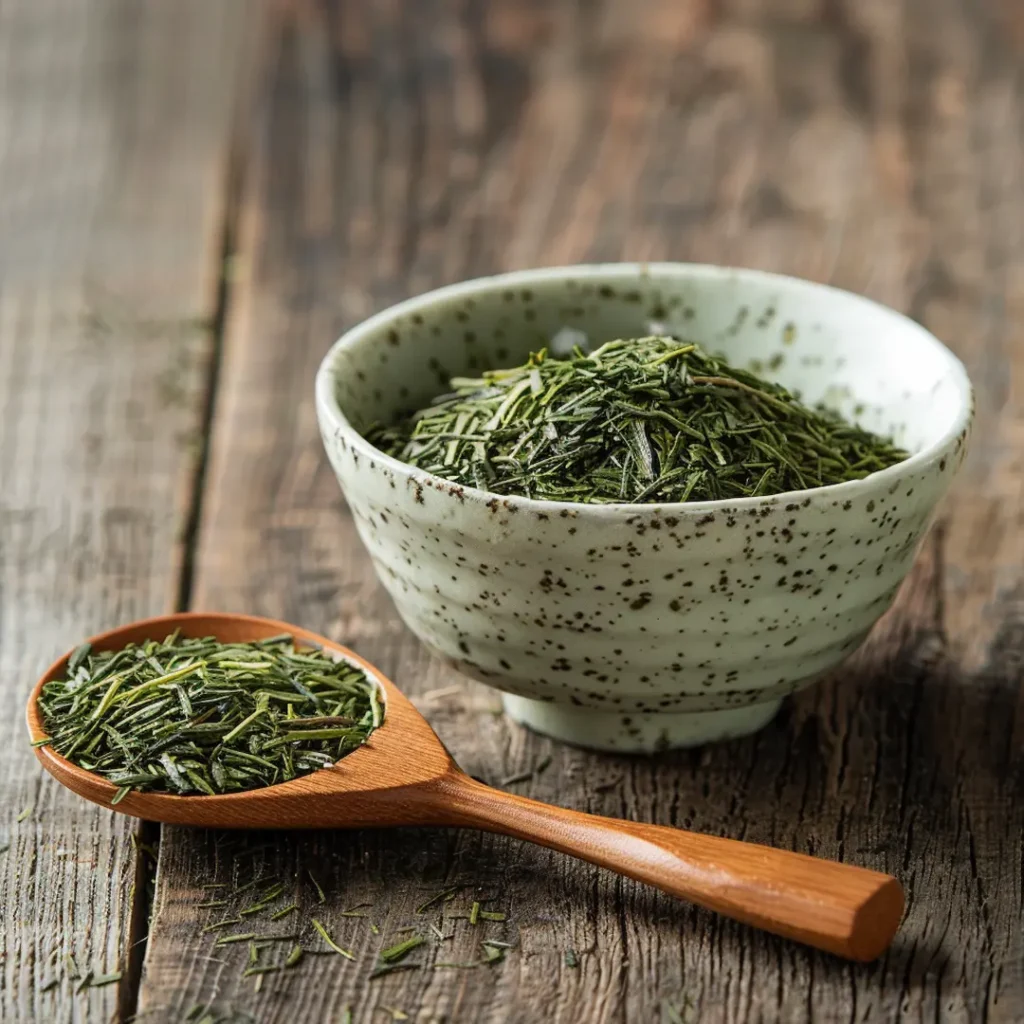
Use 1 teaspoon (2-3 grams) of loose green tea leaves per 8 ounces of water. This is your baseline.
Want stronger tea? Don’t steep it longer. That just makes it bitter. Instead, use more leaves. I learned this the hard way after years of over-steeping and wondering why my tea tasted like punishment.
Here’s something most people don’t know: high-quality green teas can be steeped multiple times. Japanese green tea varieties typically give you 2-3 beautiful infusions, while Chinese greens can go 4-5 rounds. Each steeping reveals different flavor layers, and honestly, the second steep is often my favorite.
Step 3: Steep and Time It Right
Pour your cooled water over the tea leaves and steep for 1-3 minutes. Start with shorter times for delicate teas and adjust based on your taste preference when you brew green tea.
Steeping Guide:
First steep: 1-2 minutes. Light, sweet, delicate with bright grassy notes
Second steep: 30-60 seconds. Fuller body, more complexity, deeper flavor
Third steep: 45-60 seconds. Subtle lingering flavors, gentle finish
Watch your leaves as they steep. They should unfurl gradually, releasing their color and aroma. If you’re using quality loose leaf green tea, this is genuinely beautiful to watch.
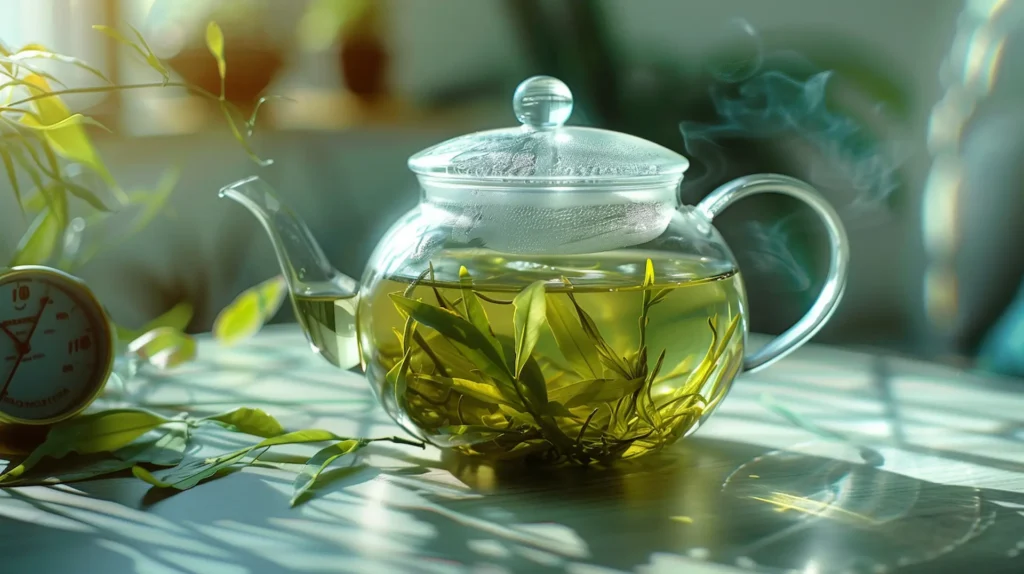
Step 4: Strain and Enjoy
Remove those tea leaves immediately when steeping time is complete. This is crucial. Leaving leaves in the water will over-extract them and create the exact bitterness you’ve been trying to avoid.
Best time to drink green tea? Most people find mid-morning or early afternoon ideal. The caffeine in green tea is gentler than coffee. About 25-50mg per cup compared to coffee’s 95mg. But it’s enough to give you clean energy without the jitters.
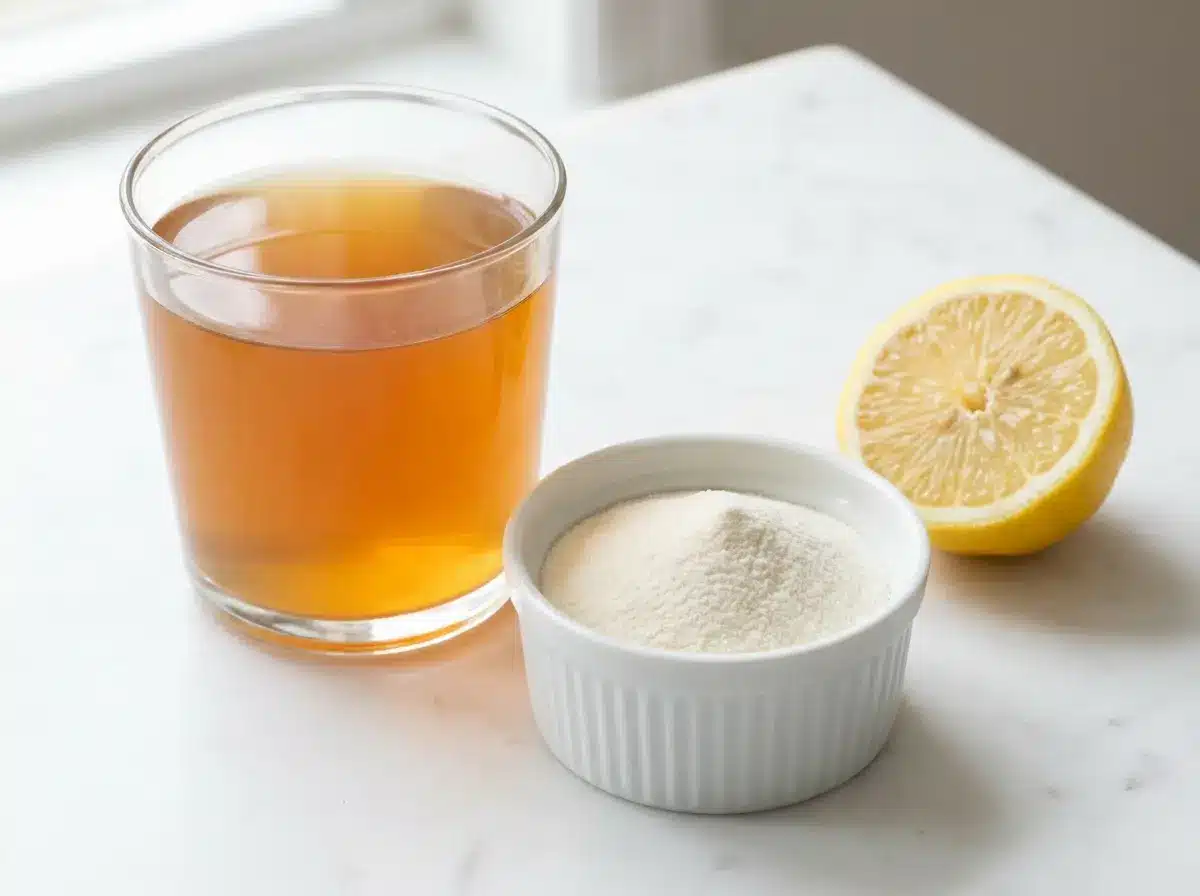
Serving Tip: Green tea is best enjoyed plain so you can appreciate its natural flavors. That said, if you’re new to green tea or find yours a bit too vegetal, a small amount of honey can complement delicate varieties beautifully without masking the flavor.
Print
How to Brew Green Tea: Perfect Temperature Guide for Maximum Benefits
- Total Time: 5 minutes
- Yield: 1 serving (8 oz) 1x
Description
Master the art of brewing green tea with this simple step-by-step method. Using precise water temperature (160-180°F) and optimal steeping time, this technique unlocks the full flavor and health benefits of green tea while preventing bitterness. Perfect for daily wellness and calm energy.
Ingredients
1 teaspoon loose leaf green tea (sencha recommended for beginners)
8 ounces filtered water
Kitchen thermometer (optional but recommended)
1 teaspoon honey (optional, for sweetening)
Lemon slice (optional, for serving)
Instructions
1. Bring 8 ounces of filtered water to a full boil in your kettle.
2. Let water cool for 3-5 minutes until it reaches 160-180°F. Pour into your teacup first to warm it, then transfer to teapot to cool slightly.
3. Measure 1 teaspoon (2-3 grams) of loose leaf green tea and place in teapot or infuser.
4. Pour the cooled water over the tea leaves gently.
5. Steep for 1-3 minutes depending on variety (1-2 minutes for delicate teas, 2-3 minutes for standard sencha).
6. Remove tea leaves immediately by straining or removing infuser to prevent over-extraction.
7. Serve plain or with a small amount of honey if desired. Enjoy while warm for maximum benefits.
Notes
Use water at 160-170°F for delicate varieties like gyokuro, and 170-180°F for standard sencha.
Never use boiling water (212°F) as it will scorch the leaves and create bitterness.
High-quality green teas can be steeped 2-5 times – reduce steeping time by 30 seconds for each subsequent infusion.
For cold brew method: Use 1.5 teaspoons tea per 8 oz cold water, refrigerate 6-8 hours, then strain.
Store unused loose leaf tea in airtight containers away from light and heat. Refrigerate after opening.
- Prep Time: 3 minutes
- Cook Time: 2 minutes
- Category: Beverages
- Method: Steeping
- Cuisine: Japanese, Wellness
Nutrition
- Serving Size: 1 cup (8 oz)
- Calories: 2
- Sugar: 0g
- Sodium: 2mg
- Fat: 0g
- Saturated Fat: 0g
- Unsaturated Fat: 0g
- Trans Fat: 0g
- Carbohydrates: 0g
- Fiber: 0g
- Protein: 0g
- Cholesterol: 0mg
Keywords: how to brew green tea, green tea brewing temperature, loose leaf green tea, japanese green tea, sencha brewing
How to Cold Brew Green Tea (Trending Method)
Cold brewing green tea has become incredibly popular lately, and for good reason. It’s nearly impossible to mess up, produces a naturally sweeter tea, and extracts less caffeine. Perfect if you’re sensitive or drinking later in the day.
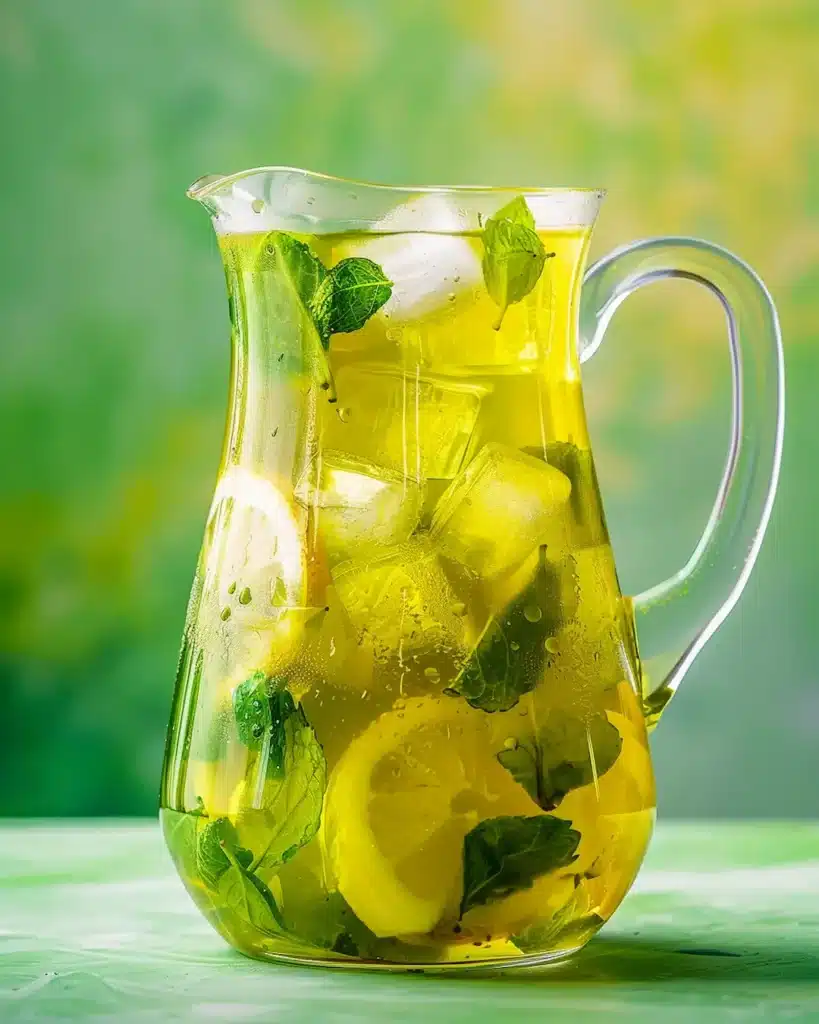
Cold Brew Method:
Use 1.5 teaspoons of loose leaf green tea per 8 ounces of cold filtered water
Place tea leaves in cold water (no heating required)
Refrigerate for 6-8 hours or overnight
Strain and enjoy
Why cold brew works: The cold water extracts flavor compounds and antioxidants slowly, without pulling out the bitter tannins that come out with heat. You get all the health benefits of green tea with an incredibly smooth, sweet taste.
I make a big pitcher every Sunday night and drink it throughout the week. It’s become my summer ritual.
Popular Varieties: Best Green Tea Types and How to Brew Them
Sencha Green Tea
Temperature: 170-180°F
Time: 1-2 minutes
Amount: 1 tsp per cup
This is Japan’s most popular green tea for a reason. Fresh, grassy flavor with a clean finish that’s simultaneously energizing and calming. If you’re new to Japanese green tea, start here.
Sencha has that characteristic vegetal quality. Think steamed edamame or fresh spinach. But in the best possible way. When brewed correctly, it should never be bitter, just bright and refreshing.
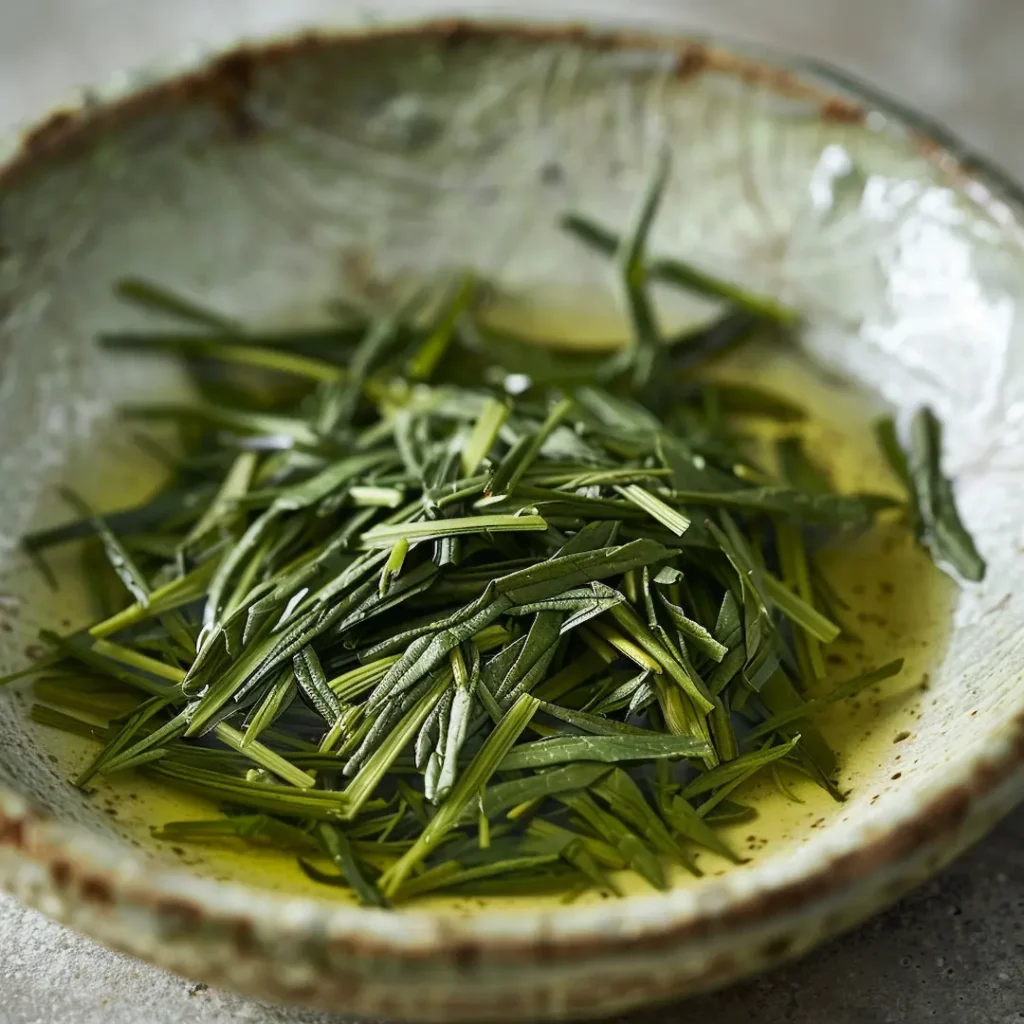
Gyokuro (Premium Shade-Grown)
Temperature: 160-170°F
Time: 1-1.5 minutes
Amount: 1.5 tsp per cup
This is the tea that made me understand what people mean when they talk about umami in tea. Gyokuro is shade-grown for weeks before harvest, which concentrates amino acids and creates this incredible savory-sweet richness.
It requires the most careful temperature control of any green tea. Too hot, and you lose that delicate complexity. Get it right, and it’s unlike any other tea you’ve tasted.
Matcha Powder (Whisked Green Tea)
Temperature: 160-180°F
Method: Whisk to foam
Amount: 1-2 tsp powder
Matcha vs green tea? Matcha is powdered green tea, so you’re consuming the entire leaf rather than just an infusion. This means significantly more antioxidants and a more intense flavor.
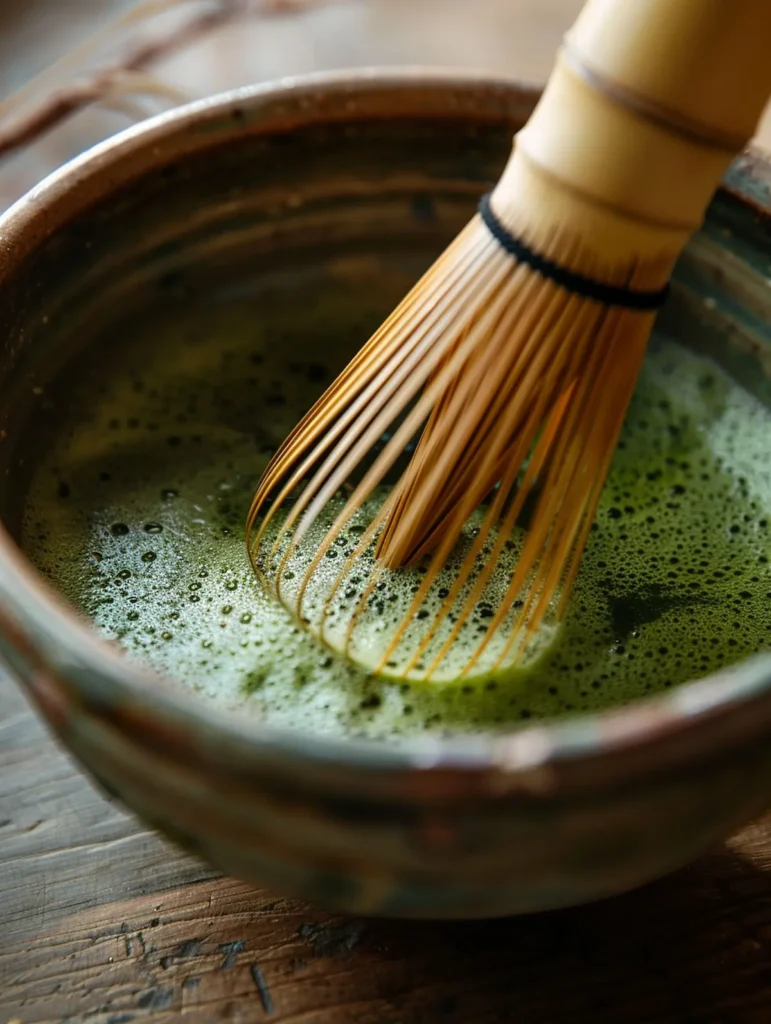
Rich, creamy, slightly sweet with that signature umami undertone. Preparation requires a bamboo whisk and a bit of practice, but it’s worth learning.
Longjing (Dragon Well)
Temperature: 175-185°F
Time: 2-3 minutes
Amount: 1 tsp per cup
Classic Chinese green tea with a sweet, nutty flavor that’s completely different from Japanese varieties. The flat-pressed leaves unfurl beautifully in water. Watching them dance is half the pleasure.
Dragon Well can handle slightly higher temperatures than Japanese greens, and actually benefits from a longer steep time to bring out its toasted, almost chestnut-like sweetness.
Troubleshooting: Common Green Tea Problems
Bitter, Astringent Tea
You’re tasting: Mouth-puckering bitterness, dry feeling on your tongue, harsh aftertaste
What went wrong: Water too hot (over 180°F), steeped too long (over 3 minutes), or too much tea when you brew green tea
Fix it: Lower your temperature to 160-170°F, reduce steeping time by 30-60 seconds, or use slightly less tea. Start conservative and work your way up.
I keep a kitchen thermometer near my kettle now. Takes the guesswork out completely when learning how to brew green tea.
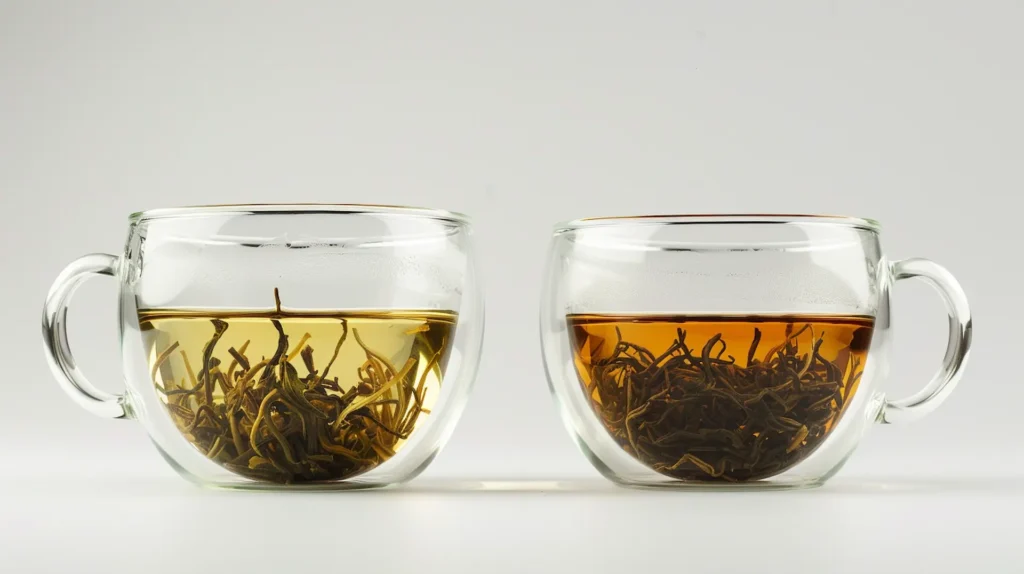
Weak, Flavorless Tea
You’re tasting: Basically hot water with a hint of something green, no real flavor or body
What went wrong: Water too cool (under 160°F), not enough tea, or poor quality leaves
Fix it: Increase your temperature slightly, use more tea (try 1.5 teaspoons), or invest in higher-grade leaves. Quality matters enormously with green tea.
Honestly? If you’re buying the cheapest green tea bags from the supermarket, no amount of technique will make them taste amazing. Loose leaf makes a dramatic difference.
Cloudy Tea
You’re seeing: Murky, cloudy liquid instead of clear, vibrant green-gold
What’s happening: Poor water quality or very fresh tea with lots of fine particles (which is actually a good sign if the leaves are high quality)
Fix it: Use filtered water, or strain through a fine-mesh strainer. If your tea is cloudy from particle suspension, that’s not necessarily bad. Just aesthetically less appealing.
Multiple Steeping Guide: Getting More from Quality Tea
Quality green teas reward multiple infusions. Each reveals different flavor characteristics. This is where you really get your money’s worth from premium loose leaf green tea.
What to expect:
First steep: Bright, grassy notes with natural sweetness and that distinctive vegetal quality
Second steep: Deeper complexity, fuller body, sometimes even better than the first
Third steep: Subtle lingering flavors, gentle finish, very smooth
Timing for subsequent steeps:
Japanese greens: Reduce time by 30 seconds each round (if first was 90 seconds, second is 60 seconds)
Chinese greens: Maintain consistent timing or add 30 seconds as the leaves open fully
The second infusion is often my favorite. The leaves have opened up, they’re not holding anything back, but you haven’t extracted them to exhaustion yet.
Storage and Freshness: Protecting Your Investment
Green tea loses its magic faster than other teas. Those benefits of drinking green tea? They diminish as the tea oxidizes and goes stale.
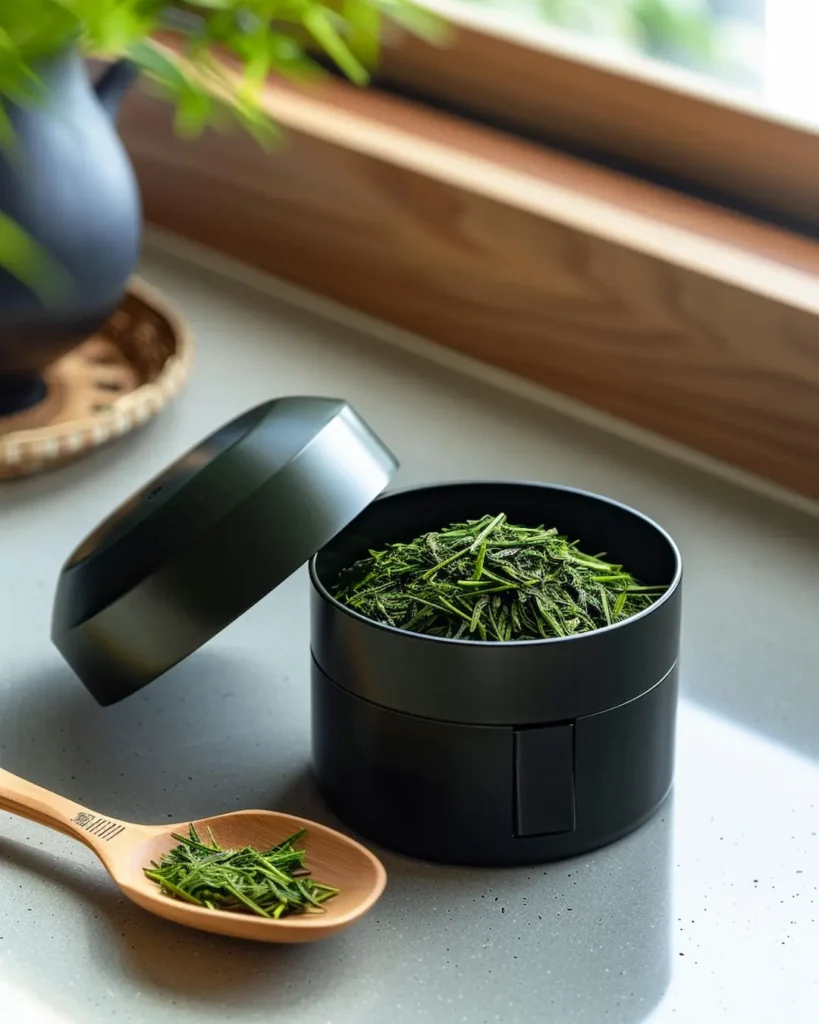
Storage rules:
Air-tight containers kept away from light and heat (I use opaque tins in a cool cabinet)
Refrigeration for opened packages. Seriously, treat good green tea like fresh herbs
Use within 6 months of opening for best flavor and benefits
Buy in small portions to minimize air exposure every time you open the container
Quality indicators:
Fresh, vegetal aroma when you open the container (should smell green and alive)
Vibrant green color in the dry leaves (dull, brownish leaves are past their prime)
Clean, bright flavor when brewed (staleness tastes flat and sometimes slightly fishy)
I learned this lesson after leaving an expensive tin of gyokuro in my cupboard for a year. What a waste.
The Real Benefits of Green Tea (When Brewed Right)
Let’s talk about why we’re going through all this effort to brew green tea properly. The health benefits of green tea are real, but they depend on proper brewing.
What research shows:
Antioxidants: Green tea is loaded with catechins, especially EGCG, which combat oxidative stress
Metabolism support: Some studies show benefits of green tea for weight management
Calm focus: The combination of caffeine in green tea plus L-theanine creates alert relaxation
Heart health: Regular consumption may support cardiovascular function
But here’s the thing: those beneficial compounds are temperature-sensitive. Scorch them with boiling water, and you’re literally destroying what makes green tea special.
Does green tea have caffeine? Yes. About 25-50mg per cup depending on variety and steep time. It’s enough to provide gentle energy without the coffee crash, especially when balanced by L-theanine’s calming effects.
FAQ Schema for Green Tea Brewing
How do you brew green tea properly?
To brew green tea properly, heat water to 160-180°F (never boiling), use 1 teaspoon of loose green tea leaves per 8 ounces of water, and steep for 1-3 minutes depending on the variety. Remove the leaves immediately after steeping to prevent bitterness. For delicate varieties like gyokuro, use the lower temperature range (160-170°F), while standard sencha works well at 170-180°F. The key is avoiding boiling water, which scorches the leaves and destroys beneficial compounds.
What happens if I drink 1 cup of green tea every day?
Drinking 1 cup of green tea daily can provide numerous health benefits including improved antioxidant intake from catechins and EGCG, gentle energy from 25-50mg of caffeine combined with L-theanine for calm focus, potential metabolism support for weight management, and cardiovascular health benefits. Green tea’s moderate caffeine content provides alertness without the jitters or crash associated with coffee. However, those who are pregnant, nursing, or have caffeine sensitivity should consult a healthcare professional before making green tea a daily habit.
What is the healthiest way to make green tea?
The healthiest way to make green tea is to use water at 160-170°F to preserve maximum antioxidants and beneficial compounds like EGCG and catechins. Use high-quality loose leaf green tea rather than tea bags, steep for 1-2 minutes to extract health benefits without excess tannins, and avoid adding sugar or sweeteners. Drink it plain to maximize antioxidant absorption. Cold brewing is also an excellent healthy method, as it extracts antioxidants slowly over 6-8 hours without releasing bitter tannins, resulting in a naturally sweet tea with all the health benefits and less caffeine.
What are common mistakes when brewing green tea?
The most common mistakes when brewing green tea include using boiling water (212°F) which scorches the delicate leaves and creates bitterness, steeping too long (over 3 minutes) which over-extracts bitter tannins, using too much tea (more than 1 teaspoon per 8 ounces), and leaving tea leaves in the water after brewing. Other mistakes include using poor quality tea bags instead of loose leaf, not measuring water temperature properly, and trying to make stronger tea by steeping longer instead of using more leaves. These errors destroy beneficial compounds and create the harsh, astringent taste that makes people think they don’t like green tea.
Perfect Your Green Tea Brewing
Green tea brewing is an art that rewards patience and attention to detail, but it’s not complicated once you understand the fundamentals. Start with quality tea, control your temperature carefully, and don’t be afraid to experiment with steeping times to find your perfect cup when you brew green tea.
The transformation from “I don’t like green tea” to “I can’t start my day without it” often comes down to just one properly brewed cup. Give yourself that experience.
Your action steps:
Invest in a good loose leaf green tea (sencha is perfect for beginners)
Get a kitchen thermometer or practice the cooling method
Start with 170°F water and a 90-second steep
Adjust from there based on your taste
Try multiple steepings. You might be amazed
What’s your green tea story? Have you been scorching your leaves with boiling water like I did for years? Drop a comment and let me know what varieties you’re excited to try.
For more healthy beverage recipes and wellness tips, check out our detox smoothies guide and wellness shot recipes.
Disclaimer
This article is for informational purposes only and is not intended as medical advice. While green tea is generally considered safe for most people, those who are pregnant, nursing, have caffeine sensitivity, or are taking certain medications should consult with a healthcare professional before making significant changes to their tea consumption. The health benefits mentioned are based on scientific research but individual results may vary. Always brew tea at safe temperatures to avoid burns.




1 thought on “How to Brew Green Tea: Perfect Temperature Guide for Maximum Benefits”