
Key Takeaways
- The freezer is your secret weapon – freeze cut sponge squares for around 1 hour before coating to prevent crumbling and get bakery perfect results every time.
- The ribbon test is non negotiable – whisk eggs until they form ribbons that sit on the surface for a few seconds for the fluffiest sponge in any lamington recipe.
- Raspberry or strawberry jam work best for traditional filled lamingtons, as long as the jam is thick and not runny.
- Spread the work over two days to make the lamington recipe process stress free and more enjoyable.
- Organization is everything – set up your coating station before you start dipping to avoid mess and uneven coating.
- Lamingtons are an occasional treat – a small 50 g piece has about 146 calories, mostly from carbs and fat, so enjoy them mindfully.
Let’s Talk About Lamingtons (And Why They Intimidate So Many People)
You know that feeling when you see those perfect coconut covered squares at the bakery and think, “I should make those at home”? Then you remember someone’s kitchen disaster where their lamington recipe turned into a tray of chocolate soaked crumbs. It’s a common story, and it’s exactly why so many home bakers are secretly a bit scared of lamingtons.
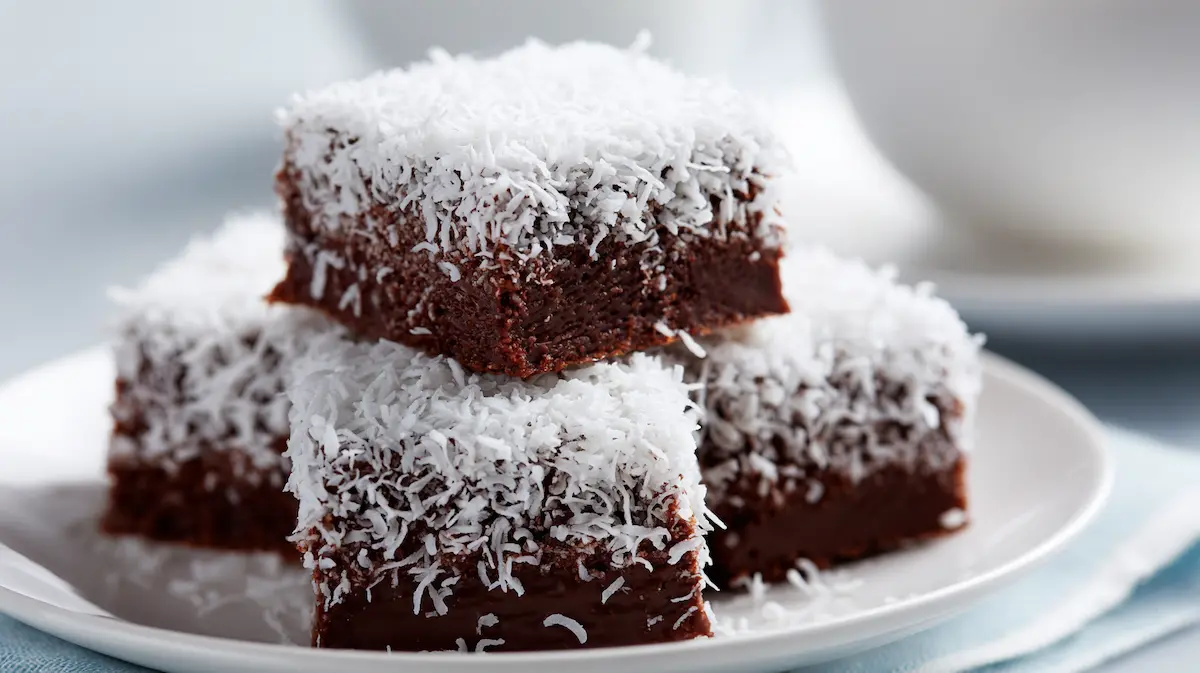
Lamingtons look fancy – light sponge cake dipped in chocolate icing and rolled in coconut – but they don’t have to be difficult. The first known lamington recipe appeared in a Queensland newspaper in 1900 under the name “Lady Lamington’s Chocolate Coconut Cake”, and the treat is widely associated with Lord Lamington, Governor of Queensland, and his French chef Armand Galland. Over time, the lamington recipe has become an Australian icon served at school fetes, charity drives, and afternoon teas, and there’s no reason your kitchen can’t be part of that story too.
For more baking inspiration and sweet ideas, check out our pumpkin coffee cake, our moist peach ricotta cake, and a lighter dessert option like this coconut chia seed pudding.
Print
The Ultimate Lamington Recipe Guide: Tricks, Tips, and Secrets for Perfect Results Every Time
- Total Time: 2 hours 55 minutes (including freezing time)
- Yield: 16-20 lamingtons
- Diet: Vegetarian
Description
Classic Australian lamington recipe with light sponge cake, rich chocolate coating, and fluffy coconut. This foolproof recipe includes the freezer trick for perfect results every time.
Ingredients
For the Sponge Cake:
4 large eggs, room temperature
3/4 cup (150g) caster sugar
1 cup (125g) all-purpose flour
1/4 cup (30g) cornstarch
1 tsp baking powder
2 tbsp melted butter
2 tbsp warm milk
For the Chocolate Coating:
3 cups (450g) powdered sugar
1/3 cup (30g) cocoa powder
20g butter, melted
1/2 cup (120ml) boiling water
For Assembly:
3 cups (300g) desiccated coconut
1 cup raspberry or strawberry jam (for filled version, optional)
Instructions
1. Preheat oven to 350°F (180°C). Line a 9×13 inch rectangular pan with parchment paper.
2. Beat eggs and sugar with electric mixer on high speed for 8-10 minutes until thick, pale, and at ribbon stage.
3. Sift flour, cornstarch, and baking powder together. Gently fold into egg mixture using a spatula.
4. Combine melted butter and warm milk, then fold into batter until just combined.
5. Pour batter into prepared pan and bake for 20-25 minutes until golden and springy to touch.
6. Cool completely in pan, then refrigerate uncovered for 30 minutes or overnight.
7. Cut chilled cake into 16-20 even squares. Freeze squares on a tray for 1 hour.
8. Make chocolate coating: whisk powdered sugar, cocoa powder, melted butter, and boiling water until smooth and pourable.
9. Place coconut in a shallow dish. Set up coating station with chocolate bowl, coconut tray, and cooling rack.
10. Using two forks, dip each frozen square into chocolate coating, covering all sides. Let excess drip off.
11. Immediately roll coated square in fresh coconut, covering completely. Place on cooling rack.
12. Repeat with remaining squares, replacing coconut as it becomes clumpy.
13. Let lamingtons set at room temperature for 1-2 hours before serving.
Notes
Freezing the cake squares is the secret to preventing crumbling during coating.
For filled lamingtons, spread jam between two cake layers before cutting and freezing.
If chocolate coating becomes too thick, add hot water 1 tablespoon at a time.
Store in airtight container at room temperature for 4-5 days.
Lamingtons freeze well for up to 3 months – thaw at room temperature before serving.
For best texture, let lamingtons sit overnight before eating.
Pair with our pumpkin coffee cake or peach ricotta cake for a complete afternoon tea spread.
- Prep Time: 30 minutes
- Cook Time: 25 minutes
- Category: Dessert, Afternoon Tea
- Method: Baking, Coating
- Cuisine: Australian
Nutrition
- Serving Size: 1 lamington (50g)
- Calories: 146
- Sugar: 15.8g
- Sodium: 109mg
- Fat: 4.6g
- Saturated Fat: 3.5g
- Unsaturated Fat: 1.1g
- Trans Fat: 0g
- Carbohydrates: 24g
- Fiber: 1.3g
- Protein: 2.4g
- Cholesterol: 42mg
Keywords: lamington recipe, australian lamington, chocolate coconut cake, lamington cake recipe, classic lamington, easy lamington recipe
The Game Changing Freezer Trick That Revolutionizes Any Lamington Recipe
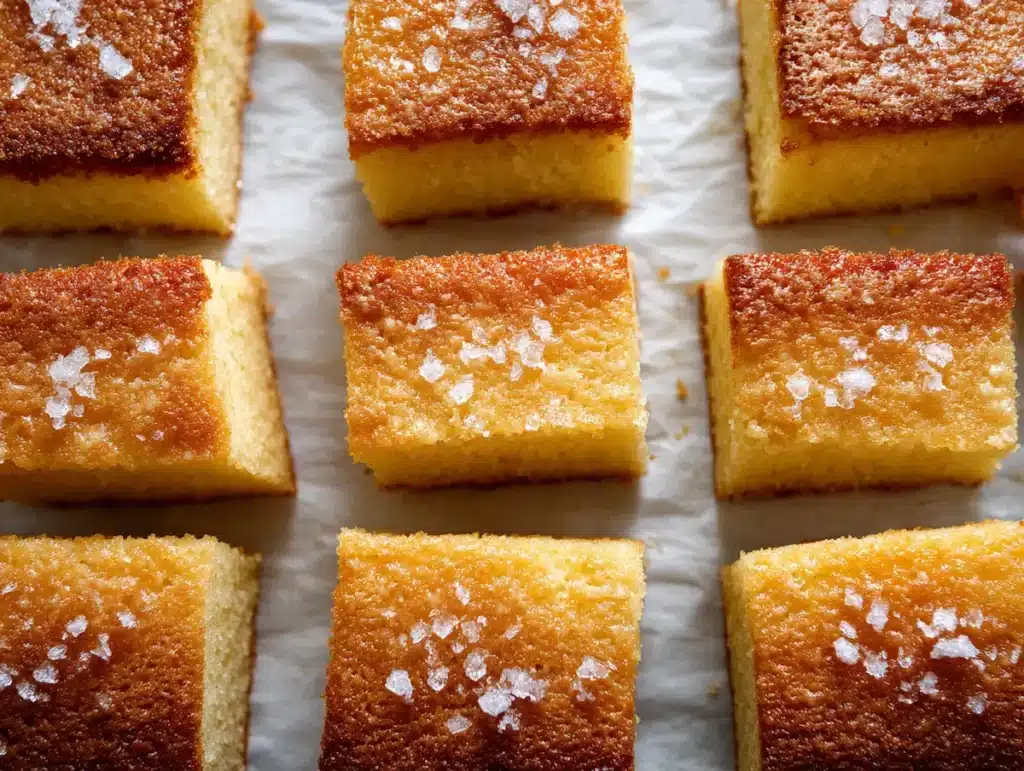
Here’s the insider secret that instantly takes the fear out of any lamington recipe: cut your sponge into squares and freeze them for about an hour before coating. Traditional instructions often suggest leaving the cake out overnight to dry, but freezing is more reliable and gives you far better structural integrity than a dry, crumbly sponge.
When the squares are partially frozen, they hold their shape even when dipped into warm chocolate icing. The coating clings to the surface instead of being absorbed too deeply, and the crumb doesn’t break away into the bowl. That single change dramatically reduces mess, waste, and frustration, turning your lamington recipe from a stressful juggling act into a calm, repeatable process.
The Secret to a Perfect Lamington Sponge
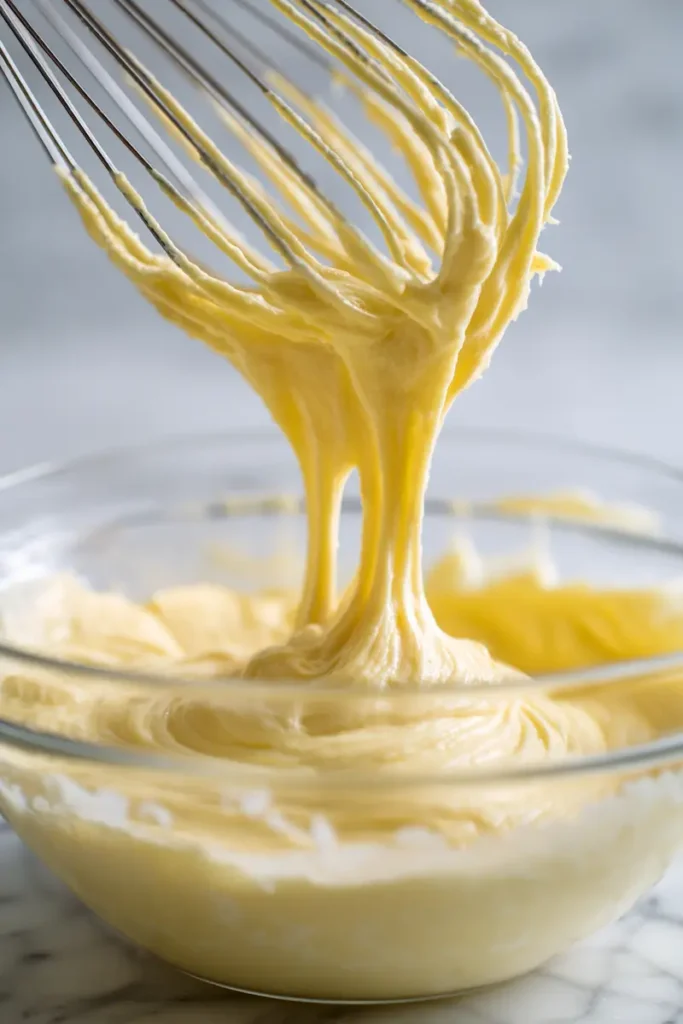
Every lamington recipe lives or dies on the quality of its sponge. The goal is a light, airy, tender crumb that doesn’t collapse under the weight of the coating. The key is beating the eggs and sugar to the ribbon stage, where the mixture falls from the whisk in thick ribbons that sit on the surface for a few seconds before sinking back in. This visual cue tells you that you’ve trapped enough microscopic air bubbles to give the cake lift in the oven.
Use room temperature eggs so the proteins can unfold and hold air efficiently, and consider replacing a portion of the flour with cornstarch to reduce gluten formation and produce a softer texture. When you add the dry ingredients, fold them in very gently, and finish mixing at low speed to remove a few large bubbles without deflating the overall structure. For ultra clean lamington squares, bake the sponge a day ahead and chill it briefly before cutting so it firms up slightly and slices neatly without tearing.
Step‑By‑Step: Sponge Cake Base for Your Lamington Recipe
While exact quantities depend on the lamington recipe you follow, the method is remarkably consistent.
- Prepare the tin: Line a rectangular baking pan with baking paper, leaving an overhang on the sides for easy lifting later.
- Beat eggs and sugar: Whisk whole eggs with caster sugar until pale, thick, and at ribbon stage – this can take 8–10 minutes with a stand mixer on medium high speed.
- Fold in dry ingredients: Sift flour (and cornstarch if using) over the top, then fold gently with a spatula, turning the bowl as you go to avoid deflating the mixture.
- Optional melted butter or milk: Some lamington recipe variations add a small amount of melted butter or warm milk for tenderness; if you do this, temper it first by mixing with a little batter, then folding back in.
- Bake and cool: Spread the batter evenly, bake until the top springs back and a skewer comes out clean, then cool completely in the tin and chill before cutting.
Coating Technique That Actually Works for Every Lamington Recipe
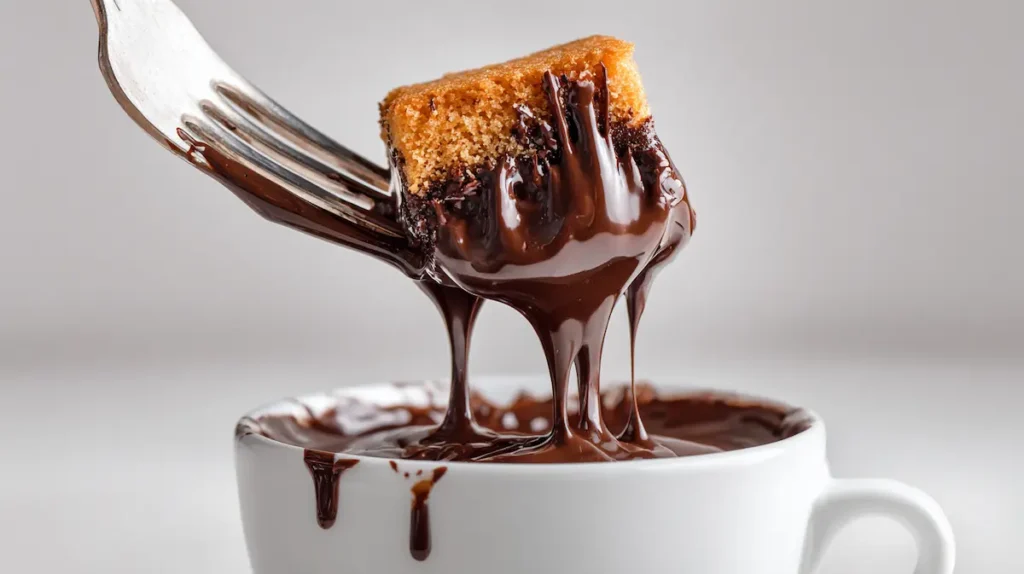
With your sponge cut and briefly frozen, it’s time for the chocolate and coconut. Set up your station before you start: one bowl for chocolate icing, one shallow tray for coconut, and a cooling rack for the finished lamingtons. Keeping everything in a tight triangle layout reduces dripping and mess, and helps you develop a comfortable rhythm as you coat each piece.
Dip each frozen square into the chocolate icing, turning it gently to cover all sides, but don’t leave it in for too long or the sponge will absorb too much and become soggy. Let excess icing drip back into the bowl for a few seconds, then transfer the square into the coconut. Roll it in a small amount of fresh coconut – only a thin layer in the tray at a time – and replace the coconut once it becomes clumpy and stained with chocolate so your lamingtons stay clean and evenly coated. Finally, place each finished piece on the rack with space between them so they don’t stick together as they set.
Making the Chocolate Coating for Lamingtons
The classic lamington recipe uses a simple icing made from powdered sugar, cocoa powder, melted butter, and boiling water whisked until completely smooth. A common ratio is around 450 g icing sugar, 30 g cocoa powder, 20 g butter, and 120 g boiling water, which produces enough coating for a standard batch of lamingtons. The boiling water helps dissolve the sugar, bloom the cocoa, and bring everything to a pourable consistency.
If the coating thickens as you work – which it often does as it cools – whisk in a little extra hot water or milk, one tablespoon at a time, until it returns to a fluid but clinging texture. Some bakers prefer a richer style lamington recipe using melted dark chocolate combined with cream and butter to create a ganache like coating for a more intense cocoa flavor and glossy finish. Either style works; it just depends whether you like a sweeter traditional icing or a darker, more sophisticated chocolate profile.
What Jam Is Best for a Filled Lamington Recipe?
If you love a filled lamington recipe (and many people do), raspberry and strawberry are the most traditional jam choices. Raspberry brings a bright tang that cuts through the richness of the chocolate and coconut, while strawberry delivers a gentler, sweeter flavor that’s especially popular with kids. Both work beautifully, and you can even use a mix if you’re making a big batch and want variety.
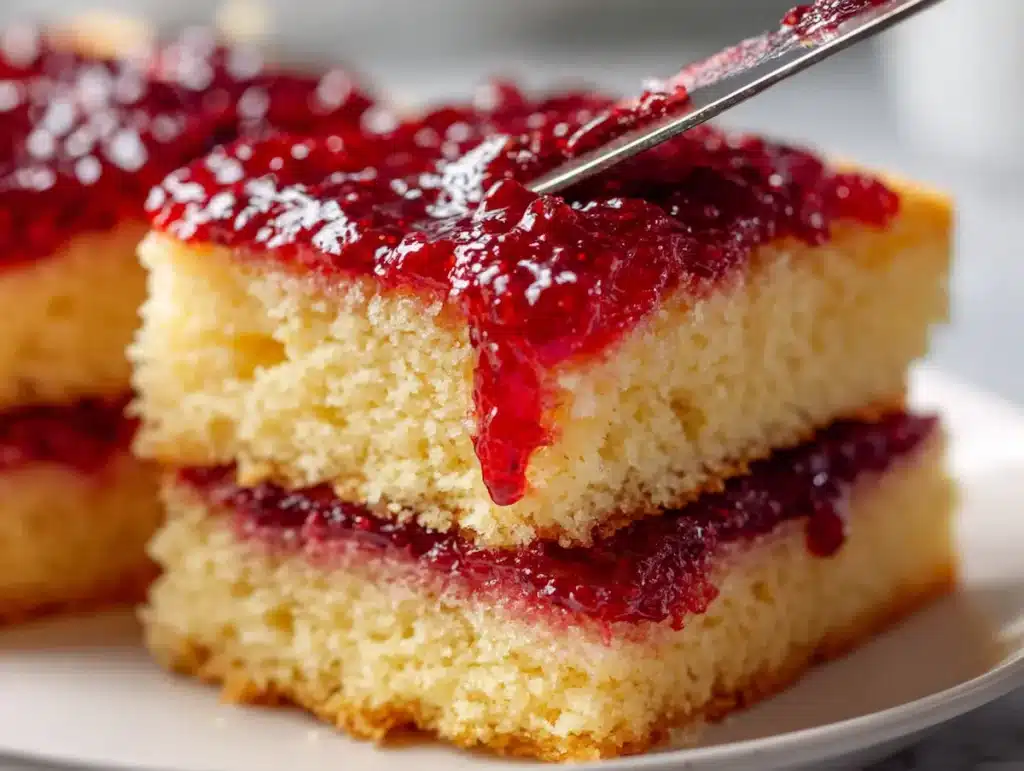
The crucial factor is thickness: the jam must be thick and concentrated so it doesn’t soak into the cake or squeeze out when you dip the sandwich in chocolate. A good test is to put a spoonful on a plate and tilt it – if it barely moves, it’s perfect; if it runs, it needs to be cooked down further or reduced on the stove. When assembling, spread a thin, even layer of jam between two sponge rectangles, chill or briefly freeze them to firm up, then cut into squares and proceed with the standard lamington recipe coating steps.
Are Lamingtons Hard to Make?
Lamingtons have a reputation for being tricky, but once you understand the structure of the lamington recipe and break the process into steps, they’re very manageable. The most common problems – crumbly cake, messy coating, and soggy texture – usually come from trying to rush everything in one session or skipping the chill and freeze stages. When you plan ahead, the workload is surprisingly reasonable.
A smart approach is to divide the lamington recipe over two days. On day one, mix and bake the sponge, let it cool completely, then cover and chill it. On day two, cut the cake into neat squares, freeze them for about an hour, then prepare the chocolate icing and coconut and start coating. This way, you’re never racing the clock or working with warm, fragile cake, and you can actually enjoy the repetitive, almost meditative rhythm of dipping and rolling.
Classic Lamington Recipe Variations
Once you’ve nailed the basic lamington recipe, it becomes a canvas for creativity. Many modern bakers play with the flavor of the sponge, the filling, or the coating to create seasonal or themed versions. For example, lemon lamingtons use a citrus infused sponge with a white chocolate and lemon coating, while cherry or berry lamingtons bring jammy fruit into both the filling and decoration.
Other variations incorporate liqueurs like Baileys or rum into the syrup or coating, creating “adult” lamingtons for special occasions. You can also experiment with different coconut textures – finely shredded for a more delicate look, or larger flakes for a rustic, dramatic finish. Just remember that no matter how you tweak the flavors, the foundational lamington recipe techniques (good sponge, freezing, efficient coating) remain the same.
Lamington Nutrition Facts (Per 50 g Piece)
Lamingtons are a treat rather than an everyday food, and knowing the nutrition for a typical serving helps you enjoy them mindfully. Data from an Australian nutrition database shows that a small 50 g lamington contains about 146 calories, with most of the energy coming from carbohydrates and fat. Values can vary depending on the exact lamington recipe and portion size, especially if you add cream or extra fillings.
| Nutrient | Per 50 g lamington |
|---|---|
| Calories | 146 kcal |
| Total fat | 4.6 g |
| Saturated fat | 3.5 g |
| Carbohydrates | 24 g |
| Sugars | 15.8 g |
| Dietary fibre | 1.3 g |
| Protein | 2.4 g |
| Sodium | 109 mg |
If you’re interested in more detailed panels or commercial lamingtons, Australian brands and bakeries often publish full nutrition information; for example, some product sheets list around 314–365 calories per 100–160 g serve, with higher fat and sugar due to cream fillings or richer coatings. Always check packaging or brand websites for the most accurate figures for the specific lamington recipe or product you’re using.
Storage and Make Ahead Tips for Your Lamington Recipe
One of the best things about a lamington recipe is how well the finished cakes keep. Plain or jam filled lamingtons store best in an airtight container at room temperature for around 4–5 days, staying soft inside thanks to the protective chocolate and coconut layers. Chilling plain lamingtons in the fridge can dry out the sponge, so room temperature is generally preferred unless you’ve added cream or fresh fruit that requires refrigeration.
Lamingtons also freeze very well. Once the coating has fully set, arrange them in a single layer (or with baking paper between layers) in a freezer safe container and freeze for up to about 3 months. Thaw them in the fridge overnight or on the counter for a couple of hours before serving. Interestingly, many bakers feel lamingtons are even better the next day, when the coating has slightly softened the outer crumb and the flavors have melded together more fully.
Trusted External Resources for Lamington Lovers
If you’d like to cross check nutrition or see more lamington variations, official and reputable sites are a great reference. Australian nutrition platforms such as CalorieKing Australia publish detailed lamington nutrition tables. Historical and cultural background on lamingtons, including their Queensland origins and conflicting origin stories, is documented by institutions such as the State Library of Queensland.
For step‑by‑step visual guidance, many professional bakers and cooking educators share lamington recipe demonstrations on respected cooking sites and channels, which can be helpful if you’re a visual learner and want to watch the ribbon stage, folding method, and coating technique in real time. Combining these references with the techniques in this guide will give you a very solid foundation.
Your Lamington Recipe Success Story Starts Here
Lamingtons might look like a bakery only dessert, but with the right lamington recipe and a handful of smart tricks, they’re absolutely achievable at home. The freezer step alone removes most of the headache that gives this dessert its scary reputation, and once you’ve seen how much easier coating becomes, you’ll never skip it again. Add in a well whipped sponge, thick jam, and a well organized dipping station, and you’re set up for success rather than stress.
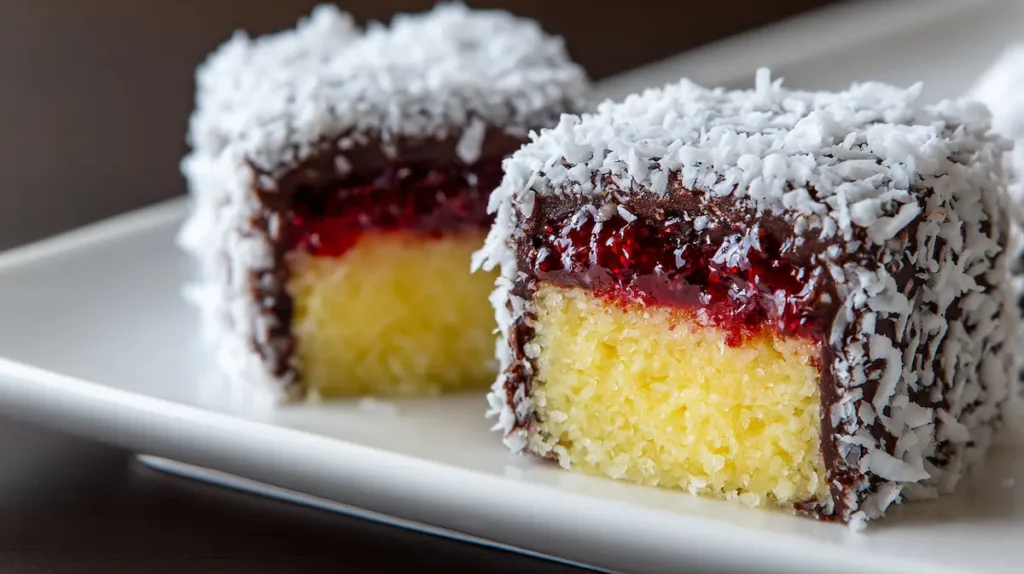
So choose your favorite lamington recipe format – classic, jam filled, or one of the creative flavor twists – and treat the process like a relaxed two day baking project instead of a race. If you’re in the mood for more baking after you master lamingtons, don’t forget you can explore our other sweets like the pumpkin muffins or a slice of cinnamon crunch peach muffin bread for everyday snacks.
When your first batch of lamingtons disappears faster than you expected (and it probably will), you’ll know you’ve joined a long tradition of home bakers who discovered that this iconic Australian cake isn’t nearly as intimidating as its reputation suggests – especially once you know the real secrets behind a great lamington recipe.




1 thought on “The Ultimate Lamington Recipe Guide: Tricks, Tips, and Secrets for Perfect Results Every Time”