The kitchen smelled like lemon and warm sugar the moment I pulled the Bundt pan from the oven, and my little boy pressed his nose to the oven door as if he could drink the steam. In that quiet, ordinary moment I thought of all the small ways a simple cake pulls a family into one room, and I found the courage to make something with love and a little bit of hurry. If you want a place to start exploring sweet, homey desserts, my cake and dessert collection feels like a friendly shelf where this Lemon Bundt Cake belongs.
Why This Lemon Bundt Cake Still Feels Like Home
There is a rhythm to this cake that always takes me back to a soft Sunday afternoon. I first baked it when my mother called to say she was coming by with tea, and I wanted something that smelled bright and clean while being easy to pull together. The batter is thick and forgiving, the lemon is bold but never sharp, and the glaze is a small act of joy I drizzle as if I am writing a note to the people who will eat it.
This cake feels like a family story because it travels well from the oven to the table. We bring it to school events, to neighbors who need comfort, and sometimes we sit alone with a slice and a book. The way the crumb holds the glaze and the zest hides tiny punchy jewels of lemon makes each bite a small surprise, like finding a secret note in an old jacket pocket.
I also think of the cake as a gentle teacher for beginner cooks. It asks for nothing dramatic. It asks for ordinary bowls, steady hands, and a little patience while the oven does its work. At the same time it rewards the more practiced baker, who can tune the texture and lemon notes until it sings.
If you like pairing sweet and savory in the same meal, try serving this cake after something bright and citrusy like asado chicken with lemon zucchini. The contrast of warm herbs and the cake’s clean lemon will make the meal feel whole and thoughtful.
The Story Behind Our Favorite Lemon Bundt Cake
There is a memory tied to the first time I baked this cake for a neighborhood potluck. I remember balancing a hot pan under a towel as I walked across the street, feeling the sun on my arms and smelling the lemon peel that had dusted my fingertips. When I set it on the table, people leaned in and took a breath before slicing. That brief pause felt like quiet applause.
I like to tell my children that cooking is making little gifts, and this cake is one I wrap in simple, everyday paper. It is not about being perfect. It is about being present while you whisk and fold, and letting the house fill up with the smell of citrus and butter. That smell becomes the map that directs everyone back to the table.
Sometimes I change small things to match the day. If the lemons are very bright, I add a whisper less juice to the glaze so the cake keeps a tender balance. If the day asks for comfort, I use sour cream that is a touch richer. These small choices are part of why the cake keeps finding its way into our lives.
Bringing Lemon Bundt Cake Together
“Every time I stir this pot, it smells just like Sunday at home.”
The process of making this cake has a gentle tempo. First, you gather what you need and line up your tools like a small crew ready to make something good. The batter starts as a pale gold mix, then the lemon zest makes it come to life as thin green flecks across a widow-smooth surface.
When you beat the batter, listen for the soft hum of the mixer, and watch as the mix turns glossy and slightly thick. Pouring the batter into the Bundt pan has a satisfying hush, like folding a blanket around a child. While it bakes, the kitchen fills with a bright, clean perfume that makes everyone slow down and notice.
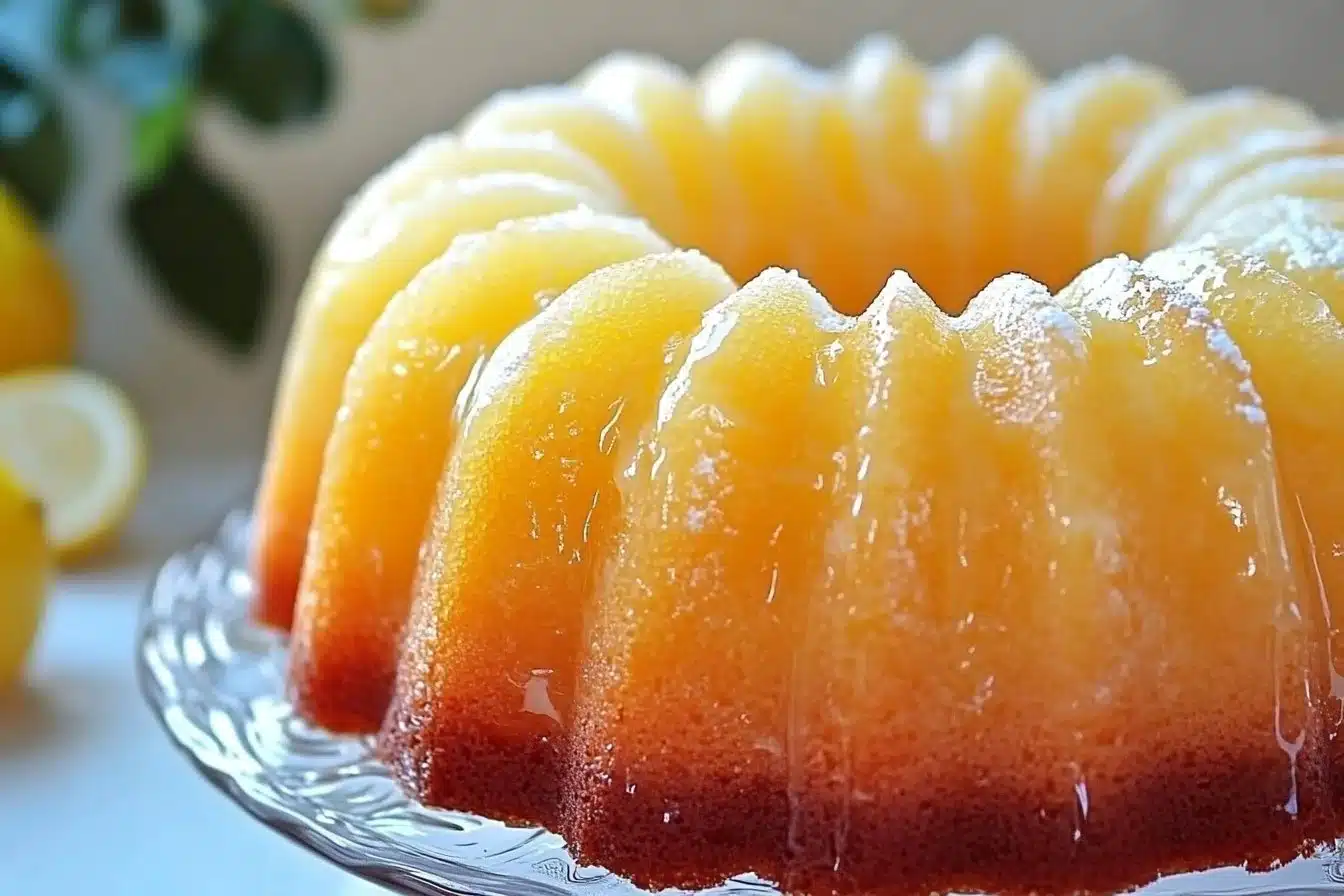
From there, the cooling is an act of patience. Give the cake a little time to settle in the pan before you invert it, and you will be rewarded with a clean shape and a soft crumb. Then the glaze becomes a finishing whisper, glossy and translucent, catching the light and sealing the memory.
Ingredients You’ll Need
1 box lemon cake mix
1 box instant lemon pudding mix
1 cup sour cream
1/2 cup vegetable oil
4 large eggs
1/2 cup water
2 tablespoons fresh lemon zest
1 cup powdered sugar
2-3 tablespoons lemon juice
A few warm notes before you begin: a little extra vanilla adds a cozy aroma if you like that warm wing of flavor. If you prefer a softer crumb, use full fat sour cream or a touch of melted butter in place of some oil. Fresh lemons give the cake brightness that bottled juice cannot match, so try to zest and squeeze them right before you mix.
How to Make Lemon Bundt Cake
Step-By-Step Directions
- Preheat oven to 350°F (177°C) and grease and flour a Bundt pan. Prepare the pan carefully so the cake releases cleanly, and breathe in the citrus-scented air as you work.
- In a large bowl, combine the cake mix, pudding mix, sour cream, vegetable oil, eggs, water, and lemon zest. Beat with an electric mixer for 2–3 minutes until smooth. Beat until glossy and the batter looks homogenous and a little thick.
- Pour the batter evenly into the prepared Bundt pan. Tap the pan gently on the counter to settle the batter and release any big air pockets. The surface will look heavy and velvet-like.
- Bake for 45–50 minutes or until a toothpick inserted into the center comes out clean. Watch for the edges to turn golden and for a faint crack in the top that tells you the center is set. Don’t rush this step, as the oven does most of the magic.
- Let the cake cool in the pan for 10 minutes, then invert onto a wire rack to cool completely. This pause keeps the crumb from collapsing and makes the glaze stick to the surface in the most beautiful way.
- Prepare the glaze by whisking powdered sugar with lemon juice until smooth. Adjust consistency with more lemon juice or sugar if needed. Aim for a glaze that pours slowly and kisses the cake as it flows.
- Drizzle the glaze over the cooled cake and let set for 15 minutes before slicing. Watch the glaze shine and gather in the Bundt’s curves, and then slice into pieces that show off the soft, lemony crumb.
What to Notice While You Bake
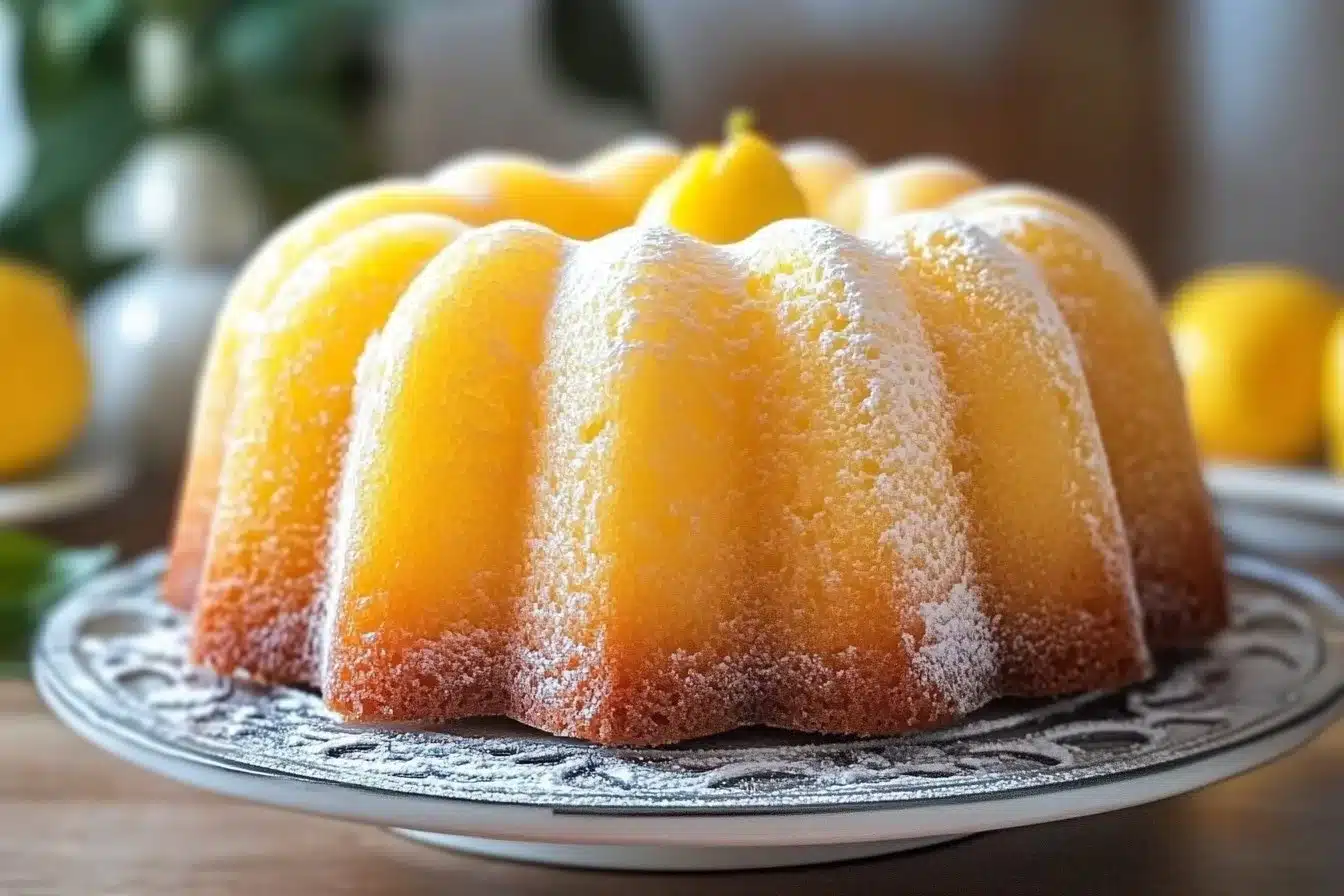
When the batter first comes together, notice how the lemon zest dots the mixture like confetti. That tiny texture is where the lemon’s scent lives and where each bite will find a little burst. The cake’s top will take on a gentle gold color in the oven, and the smell will grow from a hint to a full invitation.
Let the cake cool long enough so the glaze does not melt into the crumb. If you pour when the cake is still warm, the glaze slides into the cake and the top loses its glossy finish. When the cake is fully cooled the glaze will sit on top like a thin, sweet sheen.
Taste a small crumb as you move through the steps. You will notice how the sour cream gives the cake a tender bite and how the pudding mix adds a plush texture without being heavy. These are the little traits that make the cake feel like an old, trusted friend.
Serving Lemon Bundt Cake With Family Warmth
We usually bring this cake to the center of our table with no fuss. I set it on a wooden board and let each person take their time deciding how thick a slice they want. On Sunday afternoons we pair it with a simple pot of tea, and on brighter days we add bowls of sliced fruit to make it feel light and balanced.
For brunch, a slice is lovely beside scrambled eggs and a salad of fresh greens. If you want a bright beverage to match the flavor, try a chilled glass of Brazilian lemonade mocktail that carries the same citrus notes and lifts the meal. For a quieter evening we sometimes tuck a spoonful of whipped cream at the side and let the cake stand on its own.
Plating is gentle. A thin slice on a white plate shows the cake’s soft crumb and glossy glaze. A little extra lemon zest on top gives a friendly look. I encourage letting the cake be part of conversation. Ask someone to tell a small story while you slice. The cake becomes a kind of copper penny that reflects memory back at you.
Small Traditions That Make Serving Special
We have a small habit of saving the end slice to the person who offers help that week. It is a soft reward that keeps generosity visible at home. Another thing I do is write the day’s date on a little card and tuck it under the board when we share the cake at a potluck. People always ask about it, and it starts a short conversation.
If children are at the table, I ask them to smell the nearby lemon zest before they taste. It is a tiny game that makes them participate in noticing. Making a ceremony out of simple acts helps the cake feel like more than just dessert.
Gathering What You Have on Hand
If you do not have lemon pudding mix, a small cup of Greek yogurt will help keep the crumb tender, though the texture will be slightly different. If you only have butter instead of oil, you can use melted butter for a richer flavor. These choices do not make the cake fail; they make it yours.
I keep a small jar of grated lemon zest in the freezer for days when I do not have fresh lemons. It is not perfect, but it is a kindness that lets me bake even when life is a little busy. Fresh is best, but intention is kinder than insisting on one exact list of tools.
When you choose sour cream, find one that is fresh and creamy. The cake’s tenderness rides on that choice. If you prefer a dairy-free version, try a coconut yogurt and a neutral oil; the cake will shift, but it will still carry the bright lemon note that makes it sing.
Variations That Keep the Heart of the Cake
Add a handful of poppy seeds to the batter for a little textural pop that reminds me of old-fashioned tea cakes. Fold in a cup of blueberries for a summer twist that keeps the lemon front and center. For a more grown-up finish, float a little limoncello into the glaze and let the alcohol cook off as you bake for a subtle brightness.
If you want a drizzle with a floral hint, stir a teaspoon of lavender syrup into the glaze. It makes each bite smell like a garden and keeps the dessert feeling light. For extra richness, spread a thin layer of cream cheese frosting and then a light glaze. The cream cheese anchors the lemon in a soft, tangy hug.
When I want to be playful, I split the batter and stir a spoon of cocoa into half to make a marbled cake. The chocolate and lemon have a curious way of being friends if you keep the cocoa gentle and the lemon confident.
How to Save the Leftovers
Store leftover slices in an airtight container at room temperature for up to two days. If the weather is warm, keep the cake in the fridge. When chilled, flavors become crisper and the crumb firms up in a comforting way. Bring slices back to room temperature before serving for the best texture.
If you need to keep a whole cake longer, wrap it tightly in plastic and then in foil before placing it in the freezer. It will keep for up to three months. Thaw it in the fridge overnight, and then let it sit at room temperature for an hour before glazing or serving. Freezing is a generous trick that lets the cake travel through time to meet another gathering.
Reheating a slice gently in a low oven for five to eight minutes brings the glaze back to a soft shine and warms the crumb as if it has just been made. If you prefer the microwave, heat in short bursts to avoid drying the cake. A small pat of butter or a sliver of whipped cream restores a little softness when needed.
Keeping It Fresh and Comforting
The lemon flavor deepens the day after baking, so I often find a better balance on day two. Letting the cake rest overnight under a loose cover allows the glaze to meld and the crumb to settle into a cooperative softness. It is one of those quiet gifts that patience gives.
If your glaze gets too thick after sitting, whisk in a small spoon of lemon juice until it wakes back up. If it becomes too thin, add a dusting more powdered sugar until it holds its shape. These small fixes save a cake from feeling like it missed its moment.
For travel, store the cake in a snug cake carrier that keeps the glaze from dressing the sides of the container. A little cushioning with a linen towel absorbs bumps. I once learned this the hard way when a cake arrived into a picnic at an angle and the glaze created a small, sticky waterfall.
Why the Ingredients Work Together
The lemon cake mix gives structure while the pudding mix brings a tender, moist crumb without heavy hands. Sour cream folds in a gentle tang that keeps the cake from feeling too sweet. The vegetable oil keeps the crumb soft and lasts a few days without firming like butter can.
Eggs provide lift and help the cake hold its shape. Water thins the batter just enough so it pours into a pan without leaving dry pockets. Fresh lemon zest is the detail that transforms the mix into something alive. When these parts meet, they create a texture that feels familiar and new at the same time.
Common Questions and Gentle Answers
Q. Can I use a different pan?
A. Yes. A tube pan or a loaf pan works in a pinch. Adjust baking time and watch for the same signs of readiness, such as a golden edge and a clean toothpick.
Q. Can I make this gluten free?
A. You can try a gluten-free lemon cake mix designed for one-to-one swaps. The pudding mix may need a gluten-free version as well. Textures will vary, so test and taste as you go.
Q. How tart will this cake be?
A. It is pleasantly lemony without being puckering. You can up the glaze lemon juice if you like a sharper edge, or tone it down with a bit more powdered sugar.
Bringing Lemon Bundt Cake to the Table
We have a small, happy tradition of pairing this cake with a bright cold drink on hot days. A citrus drink that mirrors the lemon in the cake makes each bite feel intentional. If you ever want a showy, pretty match for a party, try mixing it with a blue-hued lemonade that turns heads.
For a softer, more lounge-like pairing, serve the cake with milky tea or a pot of herbal infusion. On celebratory mornings, make a brunch tray with small quiches and fruit. The cake slices fit naturally among savory pieces and feel like a rounded end to a meal.
If you want a modern twist for guests, set out small plates with tiny forks and a station of garnishes: rosemary sprigs, candied lemon slices, and a bowl of lightly whipped cream. People enjoy small choices and the cake becomes a place for shared creativity.
How to Keep the Leftovers
When I share tips, I speak as someone who keeps a full home and values kindness in small things. For short storage, a cake dome on the counter keeps the crumb soft and the glaze intact for a day or two. For longer storage, wrap and freeze as described, and mark the date so you remember the gift waiting for another day.
A tip I give friends is to slice the cake before freezing if you plan to enjoy single portions over time. Wrap slices in parchment and then in foil so you can rescue one warm piece at a time. The thaw is forgiving and the memory of lemon comes back sweet and clean.
For gifting, a simple box with a ribbon and a sprig of lemon zest tied on top makes the cake feel like a present from the heart. I write a tiny note about when it was baked. People tell me those small details matter.
Other Recipes and Pairings I Love
If mornings are your favorite part of the day, try a light breakfast that honors the same citrus thread with a stack of banana pancakes and a side of sliced fruit. The sweet banana and zesty lemon share a bright, sunny mood that makes the table feel like a little festival.
On a warm afternoon, I sometimes set out cold drinks that echo the cake’s brightness. A simple twist like a pink or blue lemonade brings a playful mood to a gathering. Try serving a cool glass of butterfly pea lemonade if you want something surprising and pretty to match the cake’s softness.
When I want to serve a more grown-up beverage alongside the cake, a tangy citrus mocktail makes a pleasing pairing. The acidity keeps the dessert from feeling too heavy and balances the sugar. A favorite of ours is a fizzy, fresh citrus drink that brings a bright note to a relaxed table and makes everyone feel invited to linger. For a playful, frothy option, consider a chilled Brazilian lemonade mocktail to brighten the meal.
Final Kitchen Thoughts
This Lemon Bundt Cake is less about following a strict rule and more about making a place at the table. It asks for simple attention and gives back a warm, lemon-scented room full of people. In my kitchen, it has been a quiet hero, a way to mark small celebrations and steady afternoons.
If you try it, let the process slow you down a little. Feel the batter slide from the spoon. Notice the sparkle of zest. Bring someone in to taste the first cut. Cooking like this keeps the heart of home alive, and that is the true reason I make it again and again.
Print
Lemon Bundt Cake
- Total Time: 65 minutes
- Yield: 12 servings 1x
- Diet: Vegetarian
Description
A soft and comforting Lemon Bundt Cake that fills your home with delightful citrus aromas and is perfect for sharing with family and friends.
Ingredients
- 1 box lemon cake mix
- 1 box instant lemon pudding mix
- 1 cup sour cream
- ½ cup vegetable oil
- 4 large eggs
- ½ cup water
- 2 tablespoons fresh lemon zest
- 1 cup powdered sugar
- 2–3 tablespoons lemon juice
Instructions
- Preheat oven to 350°F (177°C) and grease and flour a Bundt pan.
- Combine the cake mix, pudding mix, sour cream, vegetable oil, eggs, water, and lemon zest in a large bowl. Beat with an electric mixer for 2–3 minutes until smooth.
- Pour the batter evenly into the prepared Bundt pan and tap gently on the counter.
- Bake for 45–50 minutes or until a toothpick comes out clean.
- Cool the cake in the pan for 10 minutes, then invert onto a wire rack to cool completely.
- Whisk powdered sugar with lemon juice to make the glaze. Adjust consistency if needed.
- Drizzle the glaze over the cooled cake and let set for 15 minutes before slicing.
Notes
For a richer taste, consider using full-fat sour cream or adding a touch of melted butter. Fresh lemons enhance the flavor immensely.
- Prep Time: 15 minutes
- Cook Time: 50 minutes
- Category: Dessert
- Method: Baking
- Cuisine: American
Nutrition
- Serving Size: 1 slice
- Calories: 300
- Sugar: 20g
- Sodium: 250mg
- Fat: 14g
- Saturated Fat: 3g
- Unsaturated Fat: 9g
- Trans Fat: 0g
- Carbohydrates: 40g
- Fiber: 1g
- Protein: 4g
- Cholesterol: 70mg
Keywords: Lemon Bundt Cake, Citrus Cake, Dessert, Family Recipe