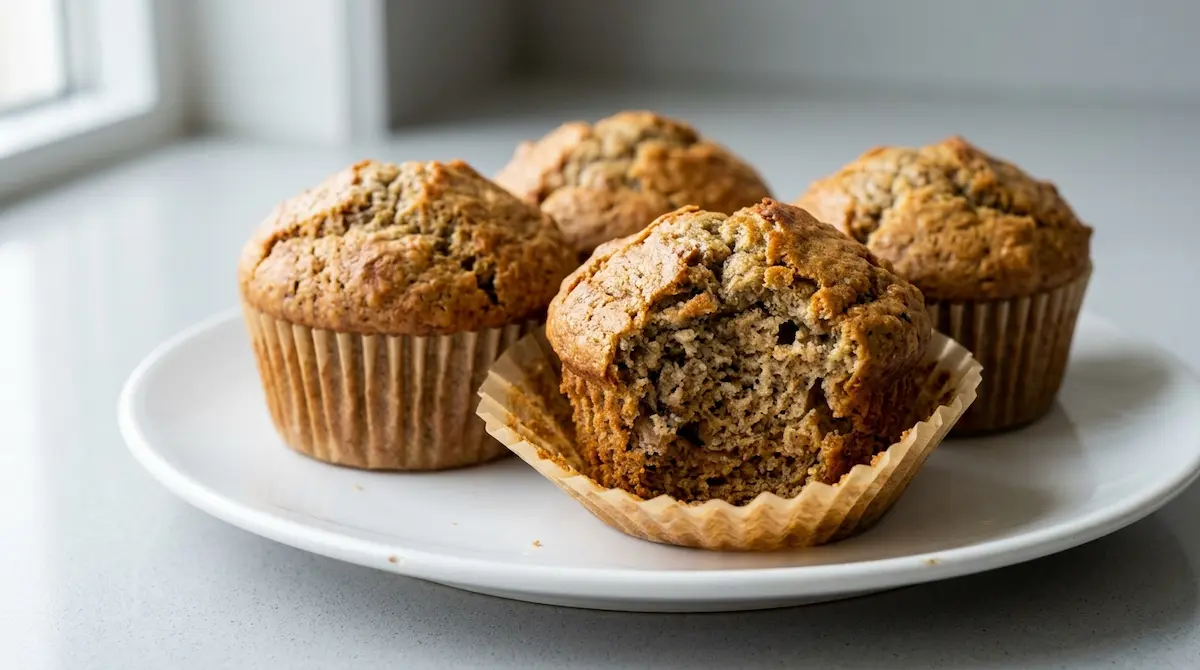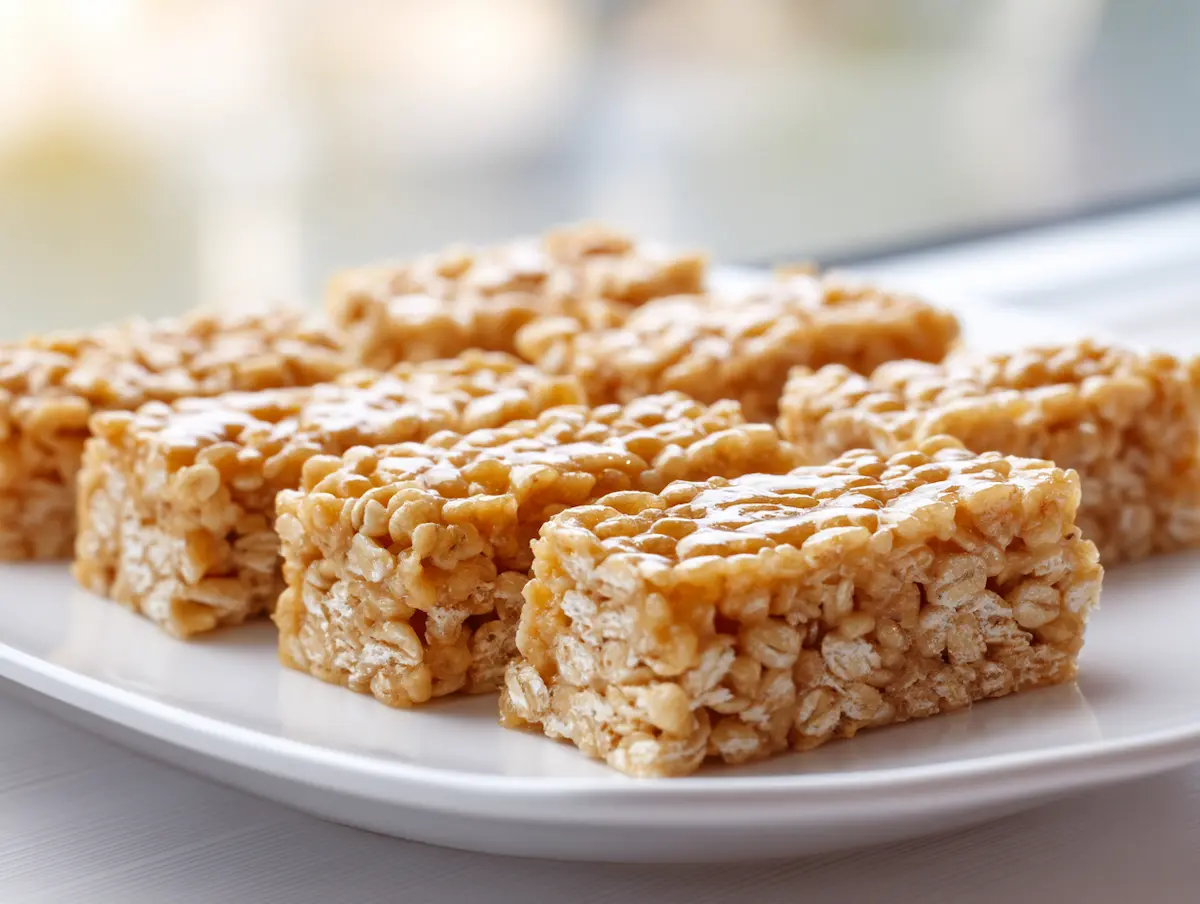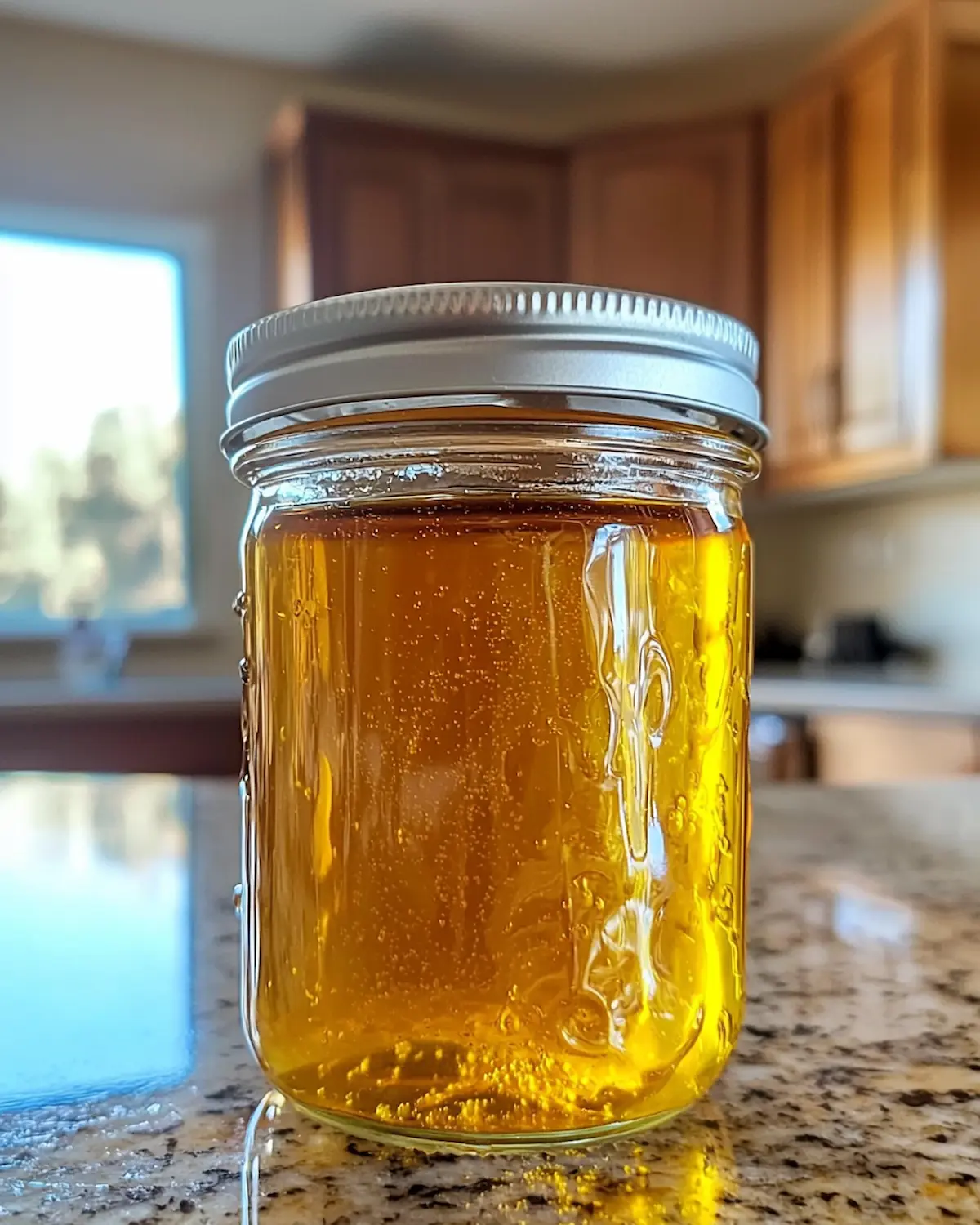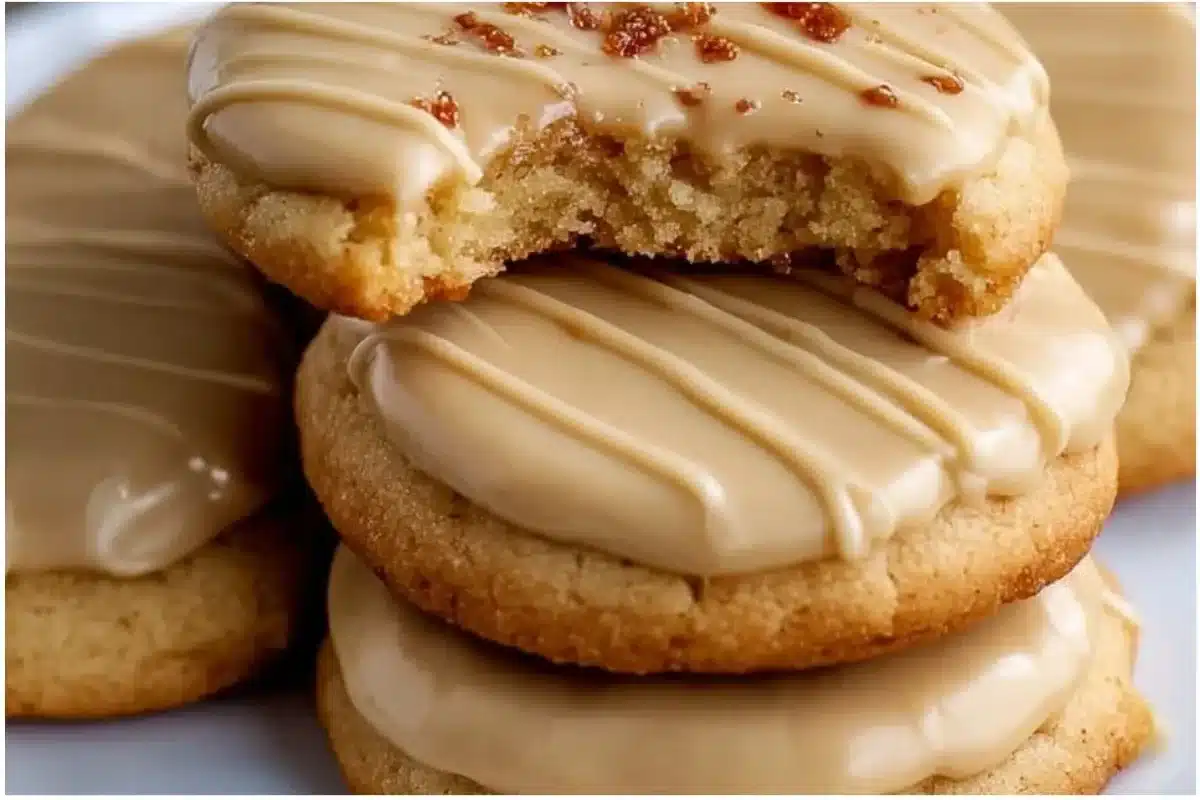
There are cookies that are chewy, cookies that are crispy, and then there are cookies that feel like a small piece of maple-scented comfort: Soft Maple Cookies with Brown Butter Icing. If you want a bakery-style cookie that’s tender, aromatic with real maple, and topped with a nutty, glossy brown butter glaze, this recipe delivers every time. I wrote this for home bakers who want reliable technique, smart ingredient swaps, and the kind of explanations that stop trial-and-error in its tracks.
Baking pain points I’ll solve here:
- How to keep cookies soft and pillowy instead of flat and brittle.
- How to brown butter safely and use it in icing without seizing.
- How to make a maple-forward cookie that still keeps structure.
- How to scale, store, and adapt for dietary needs.
Before we dig in, if you like maple-forward cookies you may also enjoy my take on maple cinnamon cookies — they’re a close cousin with a cinnamon twist.
What you’ll find in this guide:
- Full recipe card and ingredient science
- Step-by-step method with timing, technique, and photos prompts
- Pro tips, common mistakes, and fixes
- Variations (nutty, chocolate, gluten-free)
- Storage, reheating, and nutrition insights
- FAQs for schema-ready answers
Now let’s break down the ingredients and the logic behind each so your cookies succeed every bake.
Why brown butter and maple work so well together
Brown butter (beurre noisette) is butter cooked gently until its milk solids caramelize and smell nutty. That browned milk solid compounds deepen flavor — think toasted hazelnut, caramel, and roasted butter — which complements maple’s complex sweetness (sugary, woody, slightly floral).
Chemistry in simple terms:
- Butter = fat + water + milk solids. When you cook butter, water evaporates and the milk solids toast -> brown butter flavor.
- Maple syrup contains sugar, acids, and aromatics (vanilla-like phenols). The brown butter’s Maillard compounds highlight maple’s woody notes and make the entire cookie taste richer without adding more sugar.
Brown butter in icing gives a glossy, almost caramelized flavor that sets into a thin shell. Using real maple syrup (or high-quality maple extract + syrup) preserves authenticity and depth.
Ingredient breakdown — what matters and why
Below I list the ingredients used in the recipe and explain function and possible swaps.
All-purpose flour (2 cups / 250 g)
- Function: Structure. Provides gluten for chew and support. For a softer cookie, use a small percentage of cake flour or add cornstarch.
- Swap: For a tender crumb, replace 25–30% with cake flour. For gluten-free, use a 1:1 gluten-free flour blend and add 1/2 tsp xanthan gum.
Baking soda (1 tsp) + baking powder (1/2 tsp)
- Function: Leavening and lift. Baking soda reacts with acidic brown sugar and maple to create lift; powder provides additional lift for a soft crumb.
- Note: Too much will give the cookie a puffy, cakey texture.
Salt (3/4 tsp)
- Function: Balances sweetness and enhances flavors.
- Tip: Use fine sea salt or kosher; measure by weight for consistency.
Unsalted butter (1 cup / 226 g), softened
- Function: Fat for tenderness and flavor; works with sugar to create cookie texture.
- Swap: Use European butter for richer flavor; if using salted butter reduce added salt slightly.
Brown sugar (1 cup packed / 220 g)
- Function: Moisture, softness, and caramel notes. The molasses keeps cookies softer longer.
- Swap: Use dark brown sugar for deeper molasses flavor.
Granulated sugar (1/4 cup / 50 g)
- Function: Adds crisp edges and helps with spread. Quantity is lower to prioritize softness.
Egg + egg yolk
- Function: Egg provides structure; the extra yolk increases tenderness and chew.
- Tip: Use room-temperature eggs for better emulsification.
Vanilla extract (1 tsp) + maple syrup (1/4 cup / 60 ml)
- Function: Flavor. Real maple syrup adds both moisture and authentic maple flavor.
- Swap: If using pure maple extract, reduce extract to 1/2 tsp and compensate with 1/4 cup less liquid.
Maple syrup vs maple flavoring
- Use real maple syrup whenever possible. If substituting, balance the liquid elsewhere.
Cornstarch (1 tbsp)
- Function: Tenderizer. Small amount keeps cookies soft and helps them remain pillowy.
Powdered sugar (for icing) 2–3 cups depending on consistency
- Function: Structure and stability in icing.
Heavy cream / milk for icing (2–3 tbsp)
- Function: Thins icing to desired gloss. Heavy cream gives silkier texture.
Browned butter for icing (3 tbsp)
- Function: Flavor. Browned butter adds depth to the glaze.
Salt and optional corn syrup (1 tsp)
- Function: Salt balances; a touch of corn syrup adds shine and prevents crystallization.
Pro tip: I often link savory butter uses to build flavor context — try brown butter in savory sauces similar to how it’s used in the Turkish-style paprika butter in this garlicky yogurt and paprika butter pasta, which highlights how browning transforms dishes.
Step-by-step method with chef insights
Softening vs melting butter
- Use softened butter for dough — 65°F to 70°F (cool room temp), not melted. Softened butter traps air when creamed with sugar; melted butter yields flat, dense cookies.
- If your kitchen is warm, chill butter 10 minutes to reach proper consistency.
Creaming sugar and butter properly
- Cream until lighter in color and smooth. This incorporates air that helps lift; you don’t need to overbeat. Stop when mixture is pale and the sides of the bowl are clean.
- Scrape the bowl frequently.
Adding maple syrup
- When adding maple syrup, be mindful of extra liquid. This recipe balances syrup against dry ingredients. Use real syrup for nuance; if using pure maple extract, use much less (1/2–3/4 tsp) because extracts are concentrated.
Mixing flour
- Mix until just combined. Over-mixing develops gluten and firms the cookie. Large fat flecks from butter should be mostly incorporated but small streaks are okay.
Chilling the dough
- Why chill? It firms fat, reduces spread, and hydrates dry ingredients for better flavor development. A 30-minute chill is usually enough for these cookies; overnight is fine and deepens flavor.
Scooping and shaping
- Use a cookie scoop for consistent size. Slightly domed mounds bake into soft, cracked tops. Press tops lightly if you want flatter cookies.
Baking time and cues
- Look for edges set and centers slightly underdone. They’ll firm up as they cool. For softer cookies, remove at the earlier end of bake time.
- Rotate pans for even browning.
Browning butter
- Use a light pan so you can see color change. Swirl constantly; scrape brown bits from the bottom to incorporate into the butter for flavor. Remove from heat as soon as you smell a nutty aroma and see amber flecks. Transfer to a cool bowl to stop cooking.
- Warning: butter can go from brown to burned quickly.
Making the icing
- Use sifted powdered sugar for a smooth glaze. Add warmed browned butter slowly and whisk to combine. For glossy finish, a small amount of corn syrup helps prevent crystallization.
- If the icing is too thin, add more sugar. If thick, add small increments of cream.
Applying icing
- Cookies should be completely cool. Dip the top flat into the glaze or spoon on and spread. For stronger maple flavor, add a drizzle of extra maple syrup on top or a sprinkle of flaky sea salt.
Pro tips and mistakes to avoid
Mistake: Using melted butter in the dough
- Result: Flat, greasy cookies. Fix: Use softened butter or chill melted butter dough well before baking.
Mistake: Skipping cornstarch
- Result: Less tender texture. Fix: Add 1–2 tbsp cornstarch next bake.
Mistake: Browning butter at high heat
- Result: Burned, bitter butter. Fix: Brown over medium-low, watch and smell.
Pro tip: For bakery domes, chill scooped dough on the baking sheet 10 minutes before baking — helps a taller profile.
Pro tip: If you want soft cookies that hold up well in packing or lunch boxes, underbake by 1 minute and allow cooling on-sheet.
Pro tip: For uniform sheen on icing, use a silicone spatula to scrape underside of the bowl into a clean container, then whisk until smooth.
Pro tip: Add a tablespoon of finely chopped toasted pecans into dough for textural contrast.
Pro tip: If you like an ultra-maple kick, fold 1/4 cup toasted maple sugar or 1–2 tsp maple extract into the dough but reduce brown sugar slightly.
Variations and swaps
Maple is versatile. Here are variations you can make without breaking structure:
Maple Pecan Cookies
- Add 1/2 cup toasted chopped pecans.
- For extra flavor, brown the pecans lightly in the pan after browning the butter and fold into dough.
Chocolate-Maple Drop
- Fold 3/4 cup dark chocolate chips into the dough. The bittersweet chocolate plays nicely with maple.
Vegan version
- Use vegan butter (stick-style) chilled to softened consistency and a flax egg (1 tbsp ground flax + 3 tbsp water for 1 egg). Results will be slightly different texture; chill longer.
Gluten-free
- Swap in a high-quality 1:1 gluten-free flour blend plus 1/2 tsp xanthan gum. Bake slightly longer if needed.
Maple Cookie Sandwich
- Make mini cookies and sandwich with maple buttercream: beat 1/2 cup softened butter, 1 cup powdered sugar, 1–2 tbsp maple syrup, pinch salt.
Brown Butter Icing alternative: Brown Butter Cream Cheese Frosting
- Beat 4 oz cream cheese softened with 2 tbsp browned butter and 1–1.5 cups powdered sugar. Pipe between cookie layers.
If you’re exploring other ways to use brown butter beyond sweets, consider using it with fish for a savory hit — the nutty butter works well with bold proteins as in this anchovy garlic butter salmon.
Troubleshooting common problems
Cookie spread too much?
- Likely causes: butter too soft/melted, too much liquid, under-chilled dough, over-sugared. Fix: Chill dough, reduce oven temp slightly, use a higher ratio of brown sugar (it reduces spread) or add 1–2 tbsp flour.
Cookie too dense or cakey?
- Too much leavening or over-mixing. Reduce baking powder and rely on soda; mix just until combined.
Icing too runny or too thick?
- Thin: add powdered sugar in 1/4 cup increments. Thick: add cream 1/2 tsp at a time. For shine, add a teaspoon of corn syrup.
Icing grainy?
- Likely sugar clumps; always sift powdered sugar. If brown butter is too hot, it can melt powdered sugar and create graininess. Cool butter to warm, not hot.
Storage and reheating
Room temperature
- Store in an airtight container layered with parchment for up to 3 days. Icing will set into a delicate crust; cookies remain soft inside.
Refrigeration
- If you need to store longer, refrigerate up to 7 days. Bring to room temperature before serving; refrigeration can firm the texture.
Freezing
- Freeze un-iced cookies in a single layer on a tray for 30 minutes, then transfer to freezer bags for up to 3 months. Thaw at room temperature, then ice.
- You can also freeze baked, iced cookies in a single layer with parchment between layers.
Reheating
- For a fresh-from-the-oven feel, warm 10–15 seconds in a microwave for one cookie, or 3–5 minutes at 300°F (150°C) in an oven to refresh chewiness.
Nutrition insights and portion considerations
Soft maple cookies are a sweet treat. A typical cookie (about 40–50 g) will be around 150–200 kcal depending on size and icing. Key points:
- Maple syrup contributes natural minerals and phenolic antioxidants compared to refined sugar, but it’s still a sugar — treat it as a sweetener, not a health food.
- Using dark brown sugar adds molasses, which contains trace minerals.
- If you’re tracking macros or calories for weight loss, baking smaller cookies or using a thinner icing will lower per-serving calories. For baked goods and interest in healthy swaps, see general guides like our weight-loss fruits and smoothie plans on the site for balancing treats in a diet.
Frequently Asked Questions (FAQ) — schema-ready
Q: Can I use maple extract instead of maple syrup in the cookie dough?
A: Yes, but maples extracts are concentrated. Use 1/2 to 3/4 tsp of pure maple extract and reduce wet ingredients slightly because you won’t be adding the liquid maple syrup. For best flavor, I favor 1/4 cup real maple syrup plus 1/2 tsp extract if you want a stronger maple punch.
Q: How do I brown butter without burning it?
A: Use medium-low heat in a light-colored pan so you can see the color change. Swirl frequently; when it goes from foamy to amber with a nutty smell and brown specks, remove immediately and transfer to a cool bowl to stop cooking.
Q: Will these cookies stay soft for several days?
A: Yes, if you slightly underbake and store them in an airtight container with a slice of bread (it helps retain moisture), they’ll stay soft for 2–3 days.
Q: Can I make the dough ahead?
A: Absolutely. Dough can be refrigerated up to 48 hours or frozen for 2–3 months. If frozen, thaw in the refrigerator overnight before scooping and baking.
Q: My icing hardened too much, how do I fix it?
A: Rewarm the icing gently in a bowl over a pot of simmering water (double boiler) and whisk to loosen; add a splash more cream if needed.
Q: Can I omit the brown butter in the icing and use plain butter?
A: Yes, but you’ll lose the toasted, nutty flavor that complements maple. Brown butter adds depth; if you skip it, consider adding a touch of browned sugar or caramel to compensate.
Final advice from a chef
Make these cookies when you want a small indulgence that feels special but is easy to produce. The brown butter icing is the elevating detail — it turns a good cookie into a memorable one. Don’t rush the browning; that step is where most of the flavor magic comes from. And remember: underbaking slightly is your friend for a soft center.
Conclusion
Enjoy baking — save this recipe, share a batch, and let the nutty warmth of brown butter and the woodsy sweetness of maple turn a simple cookie into a small celebration.
Print
Soft Maple Cookies with Brown Butter Icing
- Total Time: 60 minutes
- Yield: 24 cookies 1x
- Diet: Vegetarian
Description
Deliciously soft maple cookies topped with a nutty, glossy brown butter icing. Perfect for a sweet treat any time!
Ingredients
- 2 cups (250 g) all-purpose flour
- 2 tbsp cornstarch
- 1 tsp baking soda
- 1/2 tsp baking powder
- 3/4 tsp fine salt
- 1 cup (226 g) unsalted butter, softened
- 1 cup (220 g) dark brown sugar, packed
- 1/4 cup (50 g) granulated sugar
- 1 large egg
- 1 egg yolk
- 1 tsp pure vanilla extract
- 1/4 cup (60 ml) pure maple syrup
- 3 tbsp browned butter (for icing)
- 2 cups (240 g) powdered sugar, sifted (more for thicker glaze)
- 1–2 tbsp heavy cream or milk
- 1 tbsp maple syrup (optional, for stronger maple)
- Pinch of flaky salt
- 1 tsp light corn syrup (optional, for shine)
Instructions
- Line two baking sheets with parchment paper and preheat oven to 350°F (175°C).
- In a bowl, whisk together flour, cornstarch, baking soda, baking powder, and salt.
- In a stand mixer, beat softened butter, brown sugar, and granulated sugar until light and fluffy.
- Add the egg and yolk, vanilla, and maple syrup, beating until just combined.
- Add dry ingredients in two parts, mixing until just combined.
- Chill dough for 20–30 minutes to relax gluten.
- Scoop and portion dough onto prepared sheets, leaving space between cookies.
- Bake for 10–12 minutes until edges are set and centers are slightly underbaked.
- Cool for 5 minutes on sheets and then transfer to cooling racks.
- To make icing, brown 3 tbsp butter until nutty, mix with powdered sugar, heavy cream, and maple syrup until smooth.
- Dip cookies into icing and let set at room temperature for 30–60 minutes.
Notes
For softer cookies, slightly underbake and store in an airtight container. If icing seizes, warm gently over a double boiler.
- Prep Time: 25 minutes
- Cook Time: 12 minutes
- Category: Dessert
- Method: Baking
- Cuisine: American
Nutrition
- Serving Size: 1 cookie
- Calories: 170
- Sugar: 10g
- Sodium: 200mg
- Fat: 7g
- Saturated Fat: 4g
- Unsaturated Fat: 3g
- Trans Fat: 0g
- Carbohydrates: 23g
- Fiber: 0g
- Protein: 2g
- Cholesterol: 25mg
Keywords: soft maple cookies, brown butter icing, cookie recipe, baking, dessert