
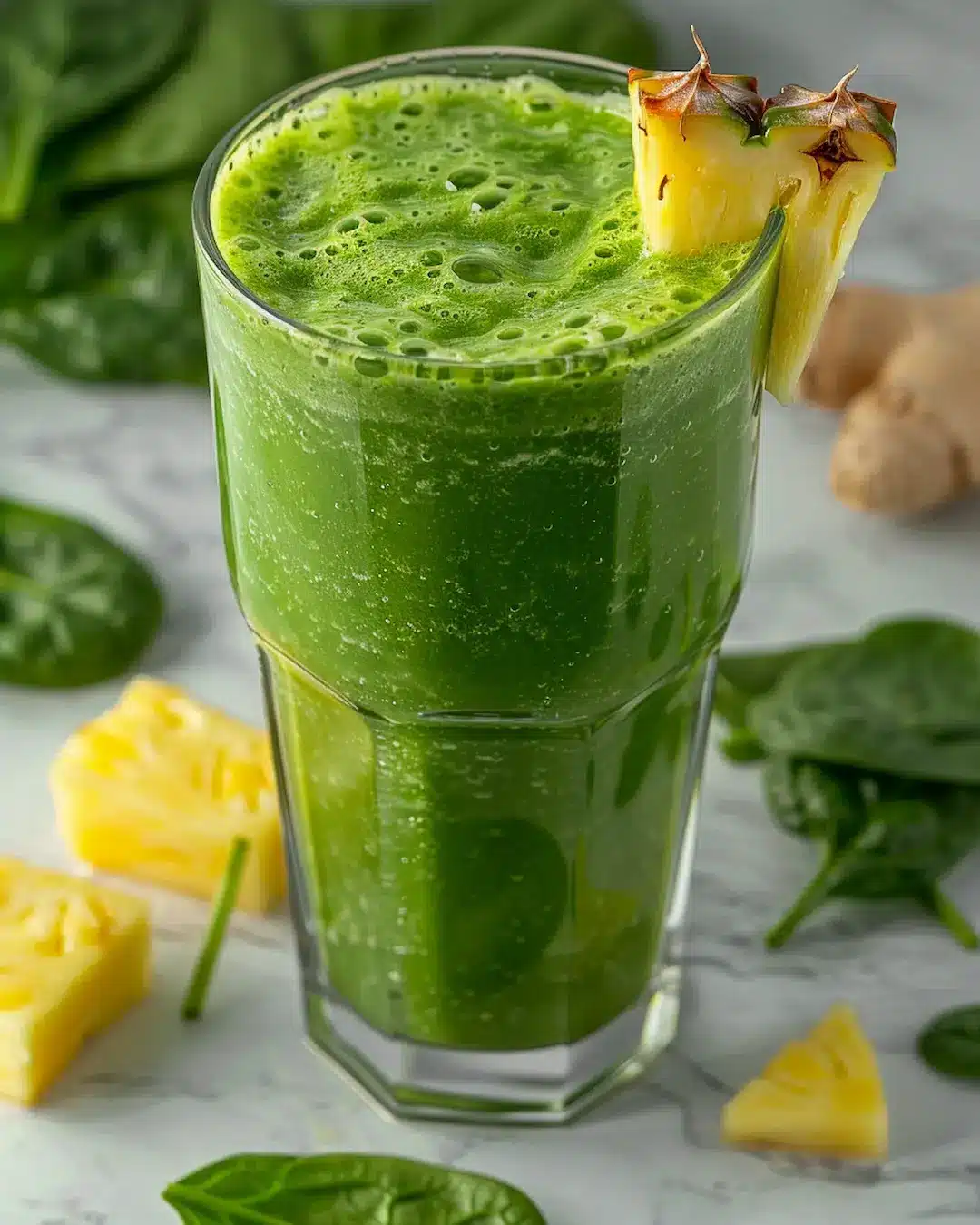
A few weeks ago, I caught myself doing that thing again staring at a bag of spinach in my fridge, knowing I should use it, but totally uninspired. I’m all for leafy greens, but let’s be real: eating them raw in a salad every single day gets old fast.
That’s when I remembered this pineapple spinach ginger smoothie I used to make years ago. It’s one of those recipes that makes getting your greens feel less like a chore and more like a treat. Sweet from the pineapple, spicy from fresh ginger, and surprisingly refreshing even though it’s bright green.
I’ve tested this recipe with frozen pineapple, fresh pineapple, different types of non-dairy milk, and various ginger amounts. This version is what works best: 5 simple ingredients, 5 minutes of prep, and zero complicated steps.
Why This Spinach Pineapple Ginger Smoothie Recipe Works
This isn’t just another green smoothie recipe that tastes like grass clippings. Here’s what makes this one different:
Natural sweetness from pineapple balances the earthy spinach flavor perfectly
Fresh ginger adds a spicy kick that wakes up your taste buds and supports digestion
Dairy-free and vegan-friendly, making it accessible for anyone with lactose intolerance or dietary preferences
Packed with vitamins, antioxidants, and anti-inflammatory properties without tasting like a health food punishment
Flexible recipe that works with frozen or fresh ingredients
If you’re someone who struggles to get enough vegetables in your diet, this spinach pineapple ginger smoothie for weight loss might become your new favorite breakfast or snack.
Pineapple Spinach Ginger Smoothie Benefits
Nutritional Powerhouse in a Glass
When people ask “is spinach and pineapple smoothie good for you?” the answer is absolutely yes. Here’s what you’re getting in every sip:
Spinach Benefits:
High in iron, which supports energy levels and oxygen transport
Rich in vitamins A, C, and K
Contains folate, important for cell function
Provides magnesium for muscle and nerve function
Low in calories but high in nutrients
Pineapple Benefits:
Contains bromelain, an enzyme that aids digestion and reduces inflammation
High in vitamin C for immune support
Natural sweetness without added sugars
Supports collagen production for skin health
May help with bloating and digestive discomfort
Ginger Benefits:
What is the benefit of ginger and pineapple smoothie? The combination is powerful. Ginger brings antioxidant and anti-inflammatory properties that work synergistically with pineapple’s bromelain.
According to research from Healthline, ginger may:
Aid in digestion and control gas and bloating
Help with nausea (especially helpful if you’re on GLP-1 medications like in these semaglutide recipes)
Provide anti-aging benefits
Support weight management efforts
Reduce muscle pain and soreness
This makes it one of the best anti-inflammatory pineapple ginger smoothie options you can make at home.
Ingredients for Spinach Pineapple Ginger Smoothie
The beauty of this recipe is its simplicity. You only need 5 core ingredients:
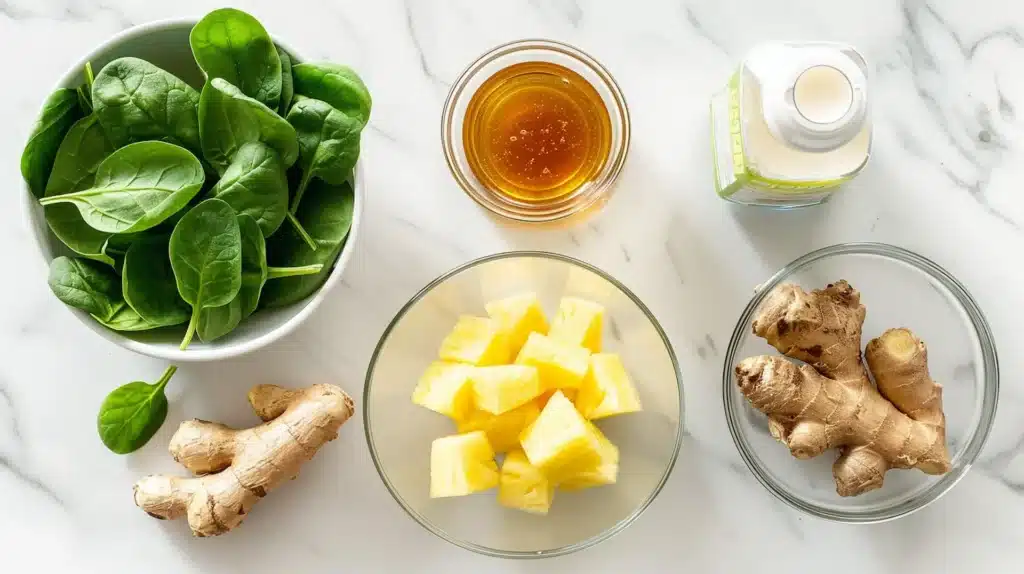
Basic Ingredients:
1 cup fresh baby spinach (or 3/4 cup frozen spinach)
1/2 cup frozen pineapple chunks (or fresh if very ripe)
1/2 cup unsweetened vanilla almond milk (or any non-dairy milk)
3/4 inch chunk of fresh ginger (peeled)
2-3 tablespoons maple syrup (adjust to taste)
Optional Add-Ins:
2-3 ice cubes for extra thickness
Collagen peptides or protein powder for added protein
1/4 cup frozen mango or frozen banana for extra creaminess
A squeeze of fresh lemon juice for brightness
Want to make a kale spinach pineapple ginger smoothie variation? Simply replace half the spinach with kale for an even more robust green flavor.
Can You Put Raw Spinach in a Smoothie?
Yes, absolutely! Raw fresh spinach is perfect for smoothies. Unlike some vegetables that need to be cooked to be digestible, spinach blends beautifully raw and retains all its nutrients.
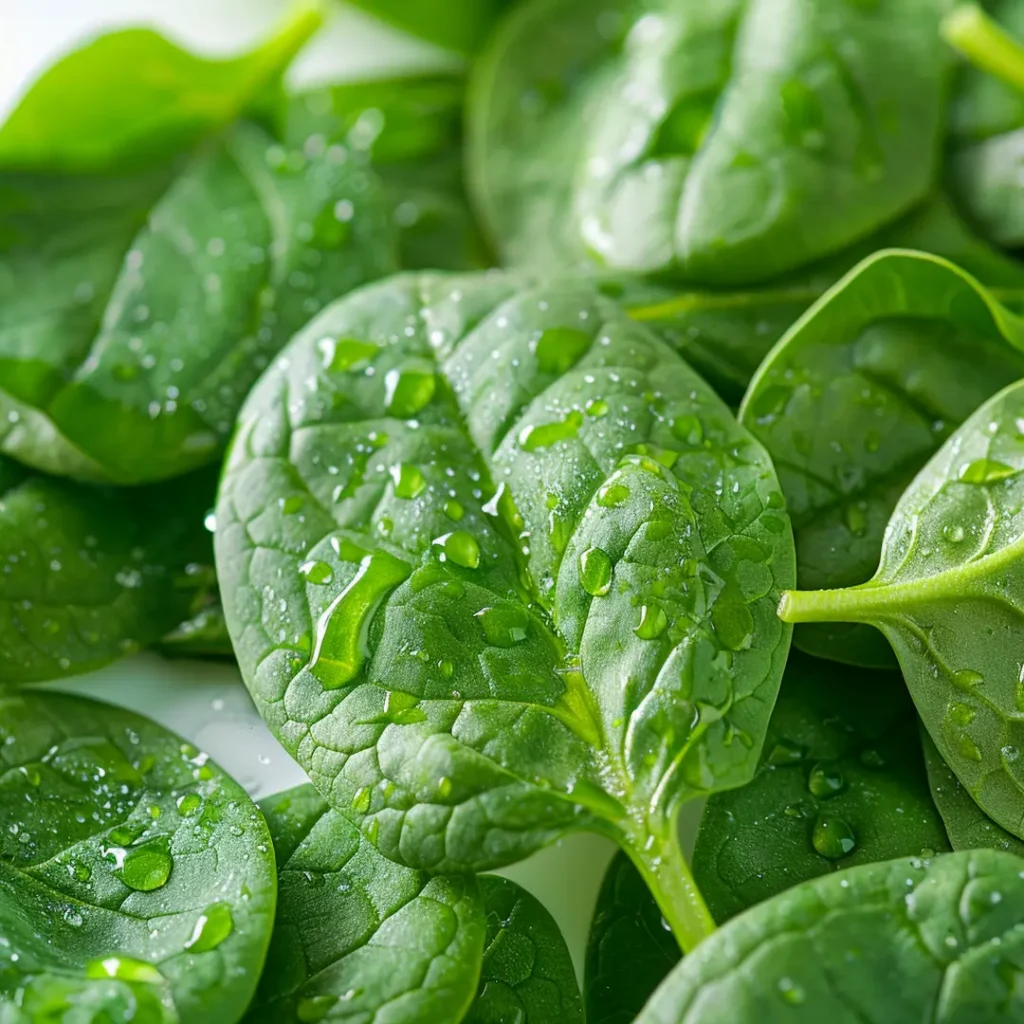
However, if you prefer frozen spinach, that works too. Just use 3/4 cup frozen spinach instead of 1 cup fresh. Frozen spinach is more concentrated, so you need less.
Fresh vs. Frozen Spinach:
Fresh spinach: Milder flavor, blends smoothly, perfect for beginners
Frozen spinach: More concentrated, slightly thicker texture, great for meal prep
The same flexibility applies to pineapple. I’ve made this spinach pineapple ginger smoothie recipe with both fresh and frozen pineapple. Fresh pineapple gives you a brighter, more tropical flavor, but frozen makes the smoothie colder and thicker without needing ice.
How to Make Pineapple Spinach Ginger Smoothie (Step-by-Step)
This is genuinely one of the easiest smoothie recipes you’ll ever make. Here’s exactly how I do it:
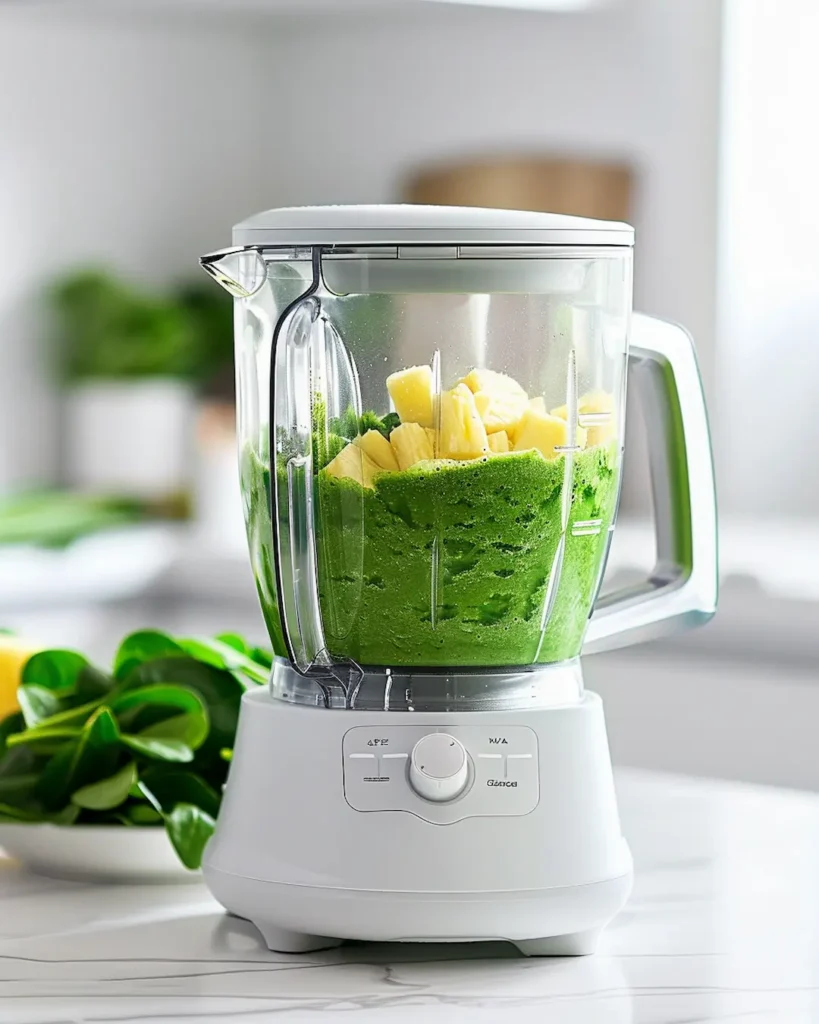
Instructions:
Step 1: Place the fresh baby spinach in your blender first. This helps it blend more easily into the liquid.
Step 2: Add the frozen pineapple chunks and almond milk.
Step 3: Use a small knife to peel the ginger chunk. Don’t skip this step ginger skin can be fibrous and bitter. Add the peeled ginger to the blender.
Step 4: Pour in the maple syrup. Start with 2 tablespoons and adjust after tasting.
Step 5: If you want a thicker smoothie, add 2-3 ice cubes now.
Step 6: Blend on high speed for 45-60 seconds until completely smooth with no visible ginger chunks or spinach flecks.
Step 7: Taste and adjust. If it’s too tart, add more maple syrup. If it’s too sweet, add a squeeze of lemon juice or more spinach.
Step 8: Pour into 2 glasses and enjoy immediately. This recipe makes 2 servings.
Pro Tip: This smoothie tastes best when consumed fresh. Don’t make it the night before the texture and flavor change as it sits. If you need meal prep options, try these 7-day smoothie weight loss diet plan tips instead.
Spinach Pineapple Ginger Smoothie Variations
One of my favorite things about this recipe is how adaptable it is. Here are some variations I love:
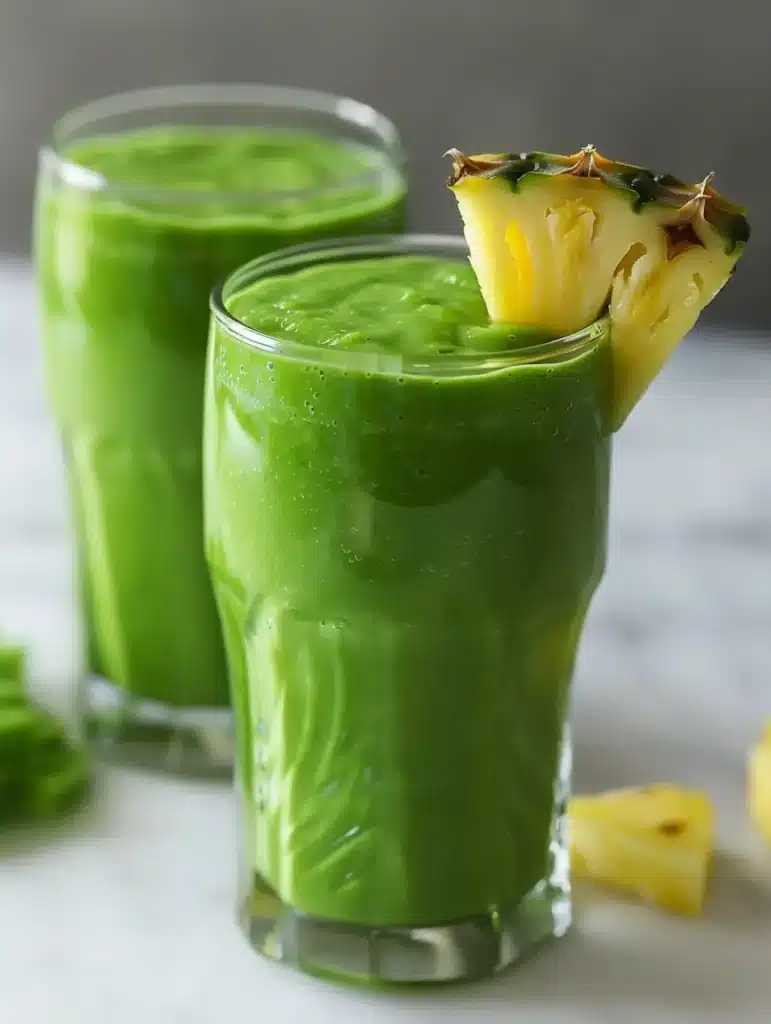
1. Pineapple Spinach Cucumber Ginger Smoothie
Add 1/2 cup chopped cucumber for extra hydration and a cooler, more refreshing taste. This variation is perfect for hot summer mornings or post-workout recovery.
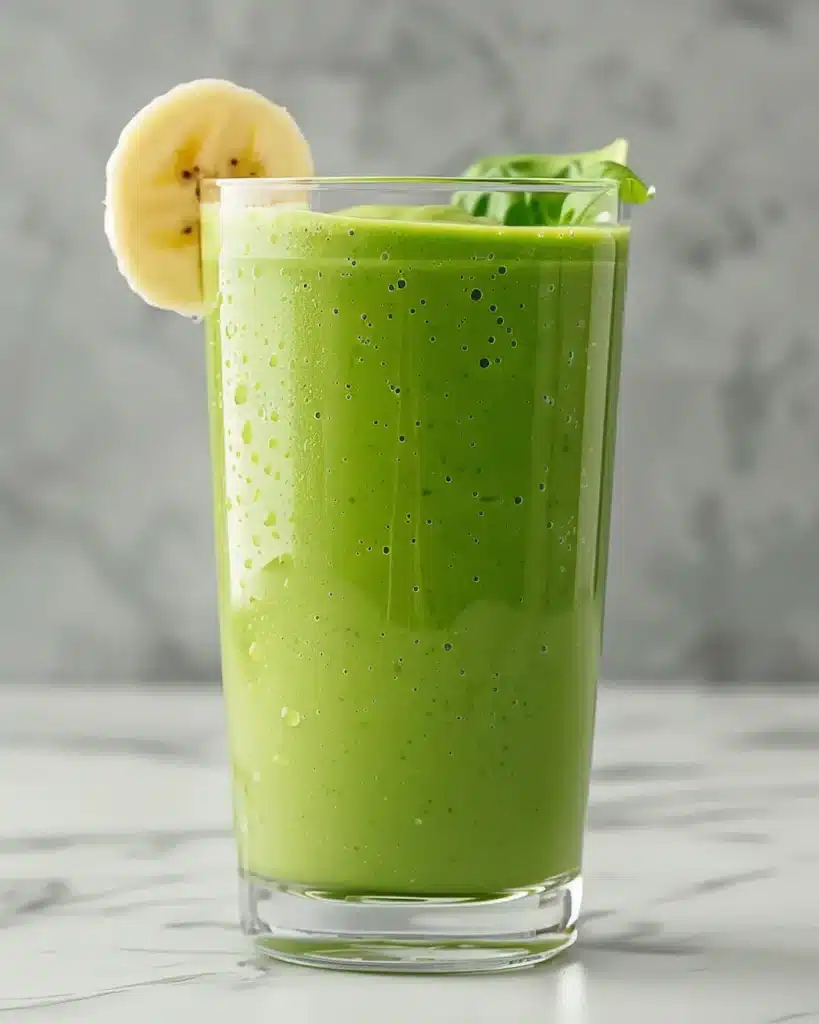
2. Spinach Banana Pineapple Ginger Smoothie
Include 1/2 frozen banana for extra creaminess and natural sweetness. This makes the smoothie thicker and more filling great if you’re using it as a meal replacement.
3. Spinach Apple Pineapple Ginger Smoothie
Replace some pineapple with 1/2 cup chopped green apple for a tart, crisp flavor. Apples add pectin, which can support digestive health.
4. Orange Spinach Pineapple Ginger Smoothie
Swap the almond milk for 1/2 cup fresh orange juice. This amps up the vitamin C content and gives you a citrusy twist.
5. Pineapple Ginger Lemon Smoothie for Weight Loss
For a lower-calorie version focused on spinach pineapple ginger smoothie benefits weight loss, use:
Unsweetened coconut water instead of almond milk
No added maple syrup (let the pineapple provide sweetness)
Extra ginger for metabolism support
A squeeze of fresh lemon for flavor
This variation is similar to the lemon ginger cayenne shot but in smoothie form.
6. Protein-Packed Pineapple Spinach Ginger Smoothie
Add 1 scoop vanilla protein powder or 1 tablespoon collagen peptides. This makes it a complete meal replacement perfect for busy mornings.
Looking for more protein-rich options? Try these simple healthy recipes that work with this smoothie.
Pineapple and Ginger Smoothie for Weight Loss: Does It Work?
Let me be honest about the pineapple and ginger smoothie for weight loss it’s not a magic bullet. No single smoothie will melt away pounds on its own.
However, this smoothie supports weight loss efforts in several practical ways:
How This Spinach Pineapple Ginger Smoothie Supports Weight Loss:
1. Low-Calorie Density
This smoothie is approximately 220 calories per serving with all nutrients intact. That’s incredibly filling for the calorie count.
2. High Fiber Content
Both spinach and pineapple provide dietary fiber that:
Keeps you fuller longer
Stabilizes blood sugar levels
Supports healthy digestion
Reduces cravings between meals
3. Natural Anti-Inflammatory Properties
The pineapple and ginger smoothie benefits include reducing inflammation, which research suggests may be linked to weight management challenges.
4. Replaces Higher-Calorie Options
Using this as a breakfast or snack instead of pastries, sugary cereals, or processed snacks naturally reduces your daily calorie intake.
5. Supports Consistent Healthy Habits
The ease of making this spinach pineapple ginger juice means you’re more likely to stick with it long-term.
For a comprehensive approach, pair this smoothie with strategies from our smoothie weight loss diet plan guide.
What Are Some Common Spinach Smoothie Mistakes?
I’ve made every smoothie mistake in the book, so let me save you the trouble:

Mistake 1: Using Too Much Spinach in Your Pineapple Ginger Smoothie
More greens doesn’t always mean better. Too much spinach can make your smoothie bitter and chalky. Stick to 1 cup fresh or 3/4 cup frozen.
Mistake 2: Not Peeling the Ginger
Ginger skin is fibrous and bitter. Always peel your ginger before adding it to smoothies. Use the edge of a spoon to scrape off the skin easily.
Mistake 3: Using Unripe Pineapple
Fresh pineapple that’s not ripe enough will be tart and require way more sweetener. If your pineapple isn’t sweet, use frozen pineapple chunks instead. They’re typically harvested at peak ripeness.
Mistake 4: Making It Too Far in Advance
This smoothie doesn’t store well overnight. The ingredients separate, the color changes, and the flavor dulls. Make it fresh each time or prep ingredients in advance for quick blending.
Mistake 5: Not Adding Enough Liquid
A smoothie that’s too thick won’t blend properly and can burn out your blender motor. Start with 1/2 cup liquid and add more as needed. You can always make it thicker with ice, but you can’t un-dilute a watery smoothie.
Mistake 6: Skipping the Sweetener Test
Pineapple sweetness varies dramatically. Always taste before serving and adjust the maple syrup accordingly.
For more healthy eating tips that avoid common pitfalls, check out these easy healthy recipe guidelines.
Best Milk Options for Pineapple Spinach Ginger Smoothie
Since I’m lactose intolerant, I always use non-dairy milk in my smoothies. Here’s how different options affect the flavor:
Best Non-Dairy Milks for Spinach Smoothies:
Almond Milk (my go-to)
Light, slightly nutty flavor
Doesn’t overpower the pineapple and ginger
Lowest in calories
Works perfectly in pineapple ginger smoothie recipe variations
Coconut Milk
Adds tropical creaminess
Pairs beautifully with pineapple
Higher in calories but very satisfying
Great for anti-inflammatory pineapple ginger smoothie versions
Oat Milk
Naturally sweet and creamy
Thicker texture
May need less added sweetener
Similar to the milk used in this coconut chia seed pudding recipe
Pistachio Milk
Unique, slightly savory note
Beautiful green color
Higher in protein than almond milk
You can also use regular cow’s milk if you’re not dairy-free, but I find the non-dairy versions taste fresher and lighter.
When to Drink This Spinach Pineapple Ginger Smoothie
This spinach pineapple ginger smoothie works beautifully at different times of day:
Best Times to Enjoy:
Morning (Breakfast)
Provides steady energy without a sugar crash
Gives you 1-2 servings of vegetables before 9 AM
Pairs well with banana French toast or macadamia pancakes for a complete breakfast
Mid-Morning Snack
Bridges the gap between breakfast and lunch
Prevents blood sugar dips that trigger cravings
Similar to how cortisol cocktails support energy
Pre-Workout
Natural sugars from pineapple provide quick energy
Ginger can help with nausea during intense exercise
Lighter than heavy pre-workout meals
Post-Workout
Helps with inflammation and muscle recovery
Replenishes vitamins and minerals lost through sweat
Works alongside immune boosting soup for recovery
Afternoon Pick-Me-Up
Healthier than reaching for coffee or sugary snacks
The natural sugars provide energy without jitters
Try it instead of an afternoon proffee recipe
When You Feel a Cold Coming
I mentioned this in my original testing notes this is my go-to when I feel the sniffles starting. The vitamin C from pineapple, immune-supporting properties of ginger, and nutrients from spinach make it my personal wellness weapon.
Meal Prep Tips for Smoothie Success
Since this smoothie doesn’t store well made, here’s how to prep for quick daily blending:
Freezer Pack Method:
Step 1: Portion out ingredients into individual freezer bags or containers:
1 cup fresh spinach
1/2 cup pineapple chunks
3/4 inch ginger chunk (peeled)
Step 2: Label with date and freeze flat for easy storage.
Step 3: When ready to blend, dump one pack into your blender, add liquid and sweetener, blend.
This method is also perfect for creating detox smoothies for liver health variety packs.
Pre-Portioned Additions:
Keep these ready for variety:
Frozen banana slices (for spinach banana pineapple ginger smoothie)
Frozen mango chunks
Pre-measured protein powder
Frozen cucumber slices (for pineapple spinach cucumber ginger smoothie)
For more meal prep strategies, see our quick and easy dinner ideas that save time.
Nutrition Information for Pineapple Spinach Ginger Smoothie
Per Serving (makes 2):
Calories: 220 kcal
Carbohydrates: 55g
Protein: 1g
Fat: 1g
Fiber: 1g
Sugar: 49g (natural fruit sugars)
Sodium: 23mg
Note: Nutrition will vary based on milk type, added protein, and sweetener adjustments.
Frequently Asked Questions About Spinach Pineapple Ginger Smoothie
Is spinach and pineapple smoothie good for you?
Yes! This smoothie combines nutrient-dense spinach (high in iron, vitamins A, C, K) with pineapple’s vitamin C and digestive enzyme bromelain. The ginger adds anti-inflammatory and digestive benefits. It’s a legitimately healthy choice that doesn’t sacrifice taste.
What is the benefit of ginger and pineapple smoothie?
The combination provides multiple benefits: pineapple’s bromelain enzyme reduces inflammation and aids digestion, while ginger’s bioactive compounds support digestion, reduce nausea, and provide antioxidant protection. Together, they create a synergistic anti-inflammatory effect that supports overall wellness.
Is it okay to put raw spinach in a smoothie?
Absolutely! Raw spinach is perfect for smoothies. It blends smoothly, retains all its nutrients, and provides a mild flavor that doesn’t overpower other ingredients. Use fresh baby spinach for the best texture and taste.
What are some common spinach smoothie mistakes?
The biggest mistakes are: using too much spinach (makes it bitter), not peeling ginger (adds bitterness), using unripe pineapple (too tart), making it too far ahead (texture degrades), not adding enough liquid (won’t blend smoothly), and not tasting before serving (sweetness varies).
Can I make this pineapple spinach ginger smoothie for weight loss?
Yes, but with smart adjustments. Use unsweetened coconut water instead of almond milk, skip added sweeteners, use frozen pineapple for natural sweetness, and add extra ginger for metabolism support. This creates a lower-calorie pineapple ginger lemon smoothie for weight loss version that’s still delicious.
How long does this smoothie last in the fridge?
This smoothie is best consumed immediately. It doesn’t store well overnight as the ingredients separate and the color changes. If absolutely necessary, store in an airtight container for up to 4 hours and shake vigorously before drinking.
Can I add protein powder to my spinach pineapple ginger smoothie?
Definitely! Add 1 scoop of vanilla or unflavored protein powder or 1 tablespoon collagen peptides. Mix the protein powder with cold water first, then add to the smoothie after blending to prevent clumping.
Is this spinach pineapple ginger smoothie keto-friendly?
Not in its original form due to the natural sugars from pineapple and maple syrup. For a lower-carb version, reduce pineapple to 1/4 cup, skip the maple syrup, add 1/2 avocado for healthy fats, and use unsweetened coconut milk. Check our keto bread guide for more low-carb options.
What to Serve with This Pineapple Spinach Ginger Smoothie
This smoothie pairs beautifully with:
For Breakfast:
For Snacks:
For Post-Workout:
My Final Thoughts on This Spinach Pineapple Ginger Smoothie
Hands down, this is my favorite green smoothie. I have no scientific proof of this, but whenever I feel like I’m getting sick or just need a nutritional reset, this is what I reach for.
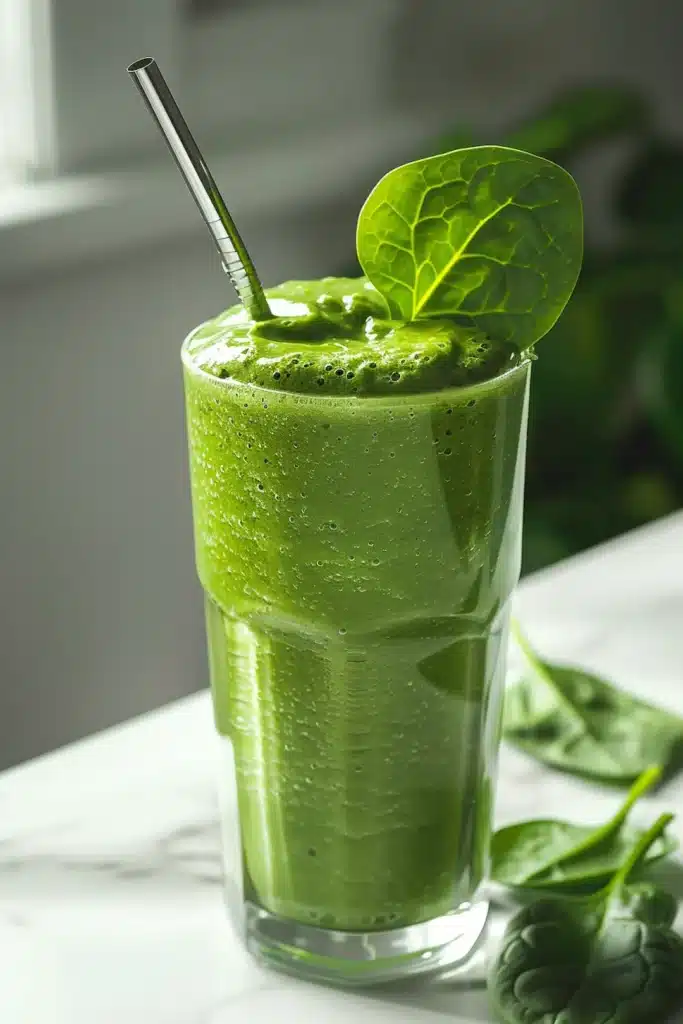
The balance of sweet pineapple, earthy spinach, and spicy ginger just works. It doesn’t taste “healthy” in that punishing, grass-clipping way some green smoothies do. It tastes like something you’d actually want to drink again.
If you’re someone who struggles to eat enough vegetables, or if you’re looking for a quick, nutritious breakfast that doesn’t require cooking, I genuinely think you’ll love this.
Give this pineapple spinach ginger smoothie recipe a try, and let me know what you think in the comments. Did you try any of the variations? Did the ginger surprise you? I’d love to hear how it worked for you.
Try More Healthy Smoothie Recipes
Did you try this spinach pineapple ginger smoothie? I’d love to see your creations! Tag me on social media or leave a comment below.
Looking for more healthy drink recipes? Don’t miss:
Cortisol cocktail for weight loss
Ready to transform your mornings? Start with this simple, delicious spinach pineapple ginger smoothie and feel the difference nutrient-dense ingredients make. Your body (and taste buds) will thank you!










1 thought on “Easy Pineapple Spinach Ginger Smoothie Recipe (Ready in 5 Minutes)”