I remember scrolling through social media a few years back when Kelly Clarkson’s weight loss transformation was everywhere. Everyone wanted to know her secret, and when she credited the Plant Paradox diet, my inbox flooded with questions. “Is this just another fad?” “Do I really need to give up tomatoes and beans?” “What even are lectins?”
Here’s the thing: the Plant Paradox diet promises dramatic weight loss and relief from autoimmune issues by eliminating lectin-rich foods. But after digging into the science, talking with nutrition experts, and watching real people try this approach, the truth is more nuanced than the hype suggests.
In this complete guide, I’ll walk you through what the Plant Paradox diet actually is, what foods you can and can’t eat, the science behind lectin concerns, and whether this eating plan is worth your time or if there are better alternatives for sustainable weight loss.
What Is the Plant Paradox Diet?
The Plant Paradox diet is an eating program created by cardiac surgeon Dr. Steven Gundry, detailed in his bestselling book The Plant Paradox. The core premise is simple but controversial: lectins are “edible enemies” that damage your gut lining, trigger inflammation, and prevent weight loss.
Lectins are proteins naturally found in many plants, designed as a defense mechanism against predators (including humans). According to Dr. Gundry’s theory, these proteins can cause leaky gut syndrome, where the intestinal lining becomes permeable and allows toxins into your bloodstream.
The solution? Eliminate high-lectin foods and focus on what Dr. Gundry calls “yes” foods that support gut healing and weight management.
The Three Phases of the Plant Paradox Diet
The Plant Paradox diet follows a structured approach:
Phase 1 (3 days): A cleanse phase that eliminates all lectins, grains, dairy, and sugar to “reset” your digestive system
Phase 2 (6 weeks): The core program where you follow strict food lists and begin healing your gut while losing weight
Phase 3 (Maintenance): A long-term eating pattern with occasional reintroduction of some previously banned foods
For those dealing with autoimmune conditions or leaky gut, Dr. Gundry recommends staying in Phase 2 longer before transitioning to maintenance.
Dr. Gundry’s Lectin Theory: What the Science Actually Says
Here’s where things get interesting. Dr. Gundry claims that lectins are toxic proteins that bind to your gut wall, cause inflammation, and contribute to weight gain, thyroid issues, joint pain, and brain fog.
But dietitian Dana Bander from Cleveland Clinic offers a more measured perspective: “There’s little hard evidence supporting the notion that lectins are toxic or harmful to eat, especially when cooked.”
The reality is that cooking dramatically reduces lectin levels in foods. Boiling beans for 10 minutes, for instance, almost completely neutralizes lectins. Very few people are eating raw chickpeas or uncooked kidney beans.
Furthermore, some of the most studied healthy populations in the world like communities in India thrive on diets rich in lectin-containing beans, lentils, and whole grains from birth. According to research published by the Mayo Clinic, these traditional plant-based diets are associated with longevity and reduced chronic disease, not increased inflammation.
Dr. Gundry Diet for Leaky Gut: Does It Work?
Dr. Gundry’s diet for leaky gut focuses heavily on gut healing, which is legitimate. Intestinal permeability is a real condition where the gut lining becomes compromised. However, mainstream gastroenterology research from institutions like Johns Hopkins suggests that leaky gut is better addressed through broader anti-inflammatory approaches, stress management, and avoiding known irritants not specifically targeting lectins.
If you’re dealing with digestive issues, you might also benefit from exploring immune-boosting soup recipes that focus on gut-healing ingredients like bone broth and gentle vegetables.
Plant Paradox Phase 1 Food List: What You Can and Can’t Eat
Understanding what’s allowed and what’s forbidden is crucial for anyone considering the Plant Paradox diet. Let’s break down both sides of the ledger.
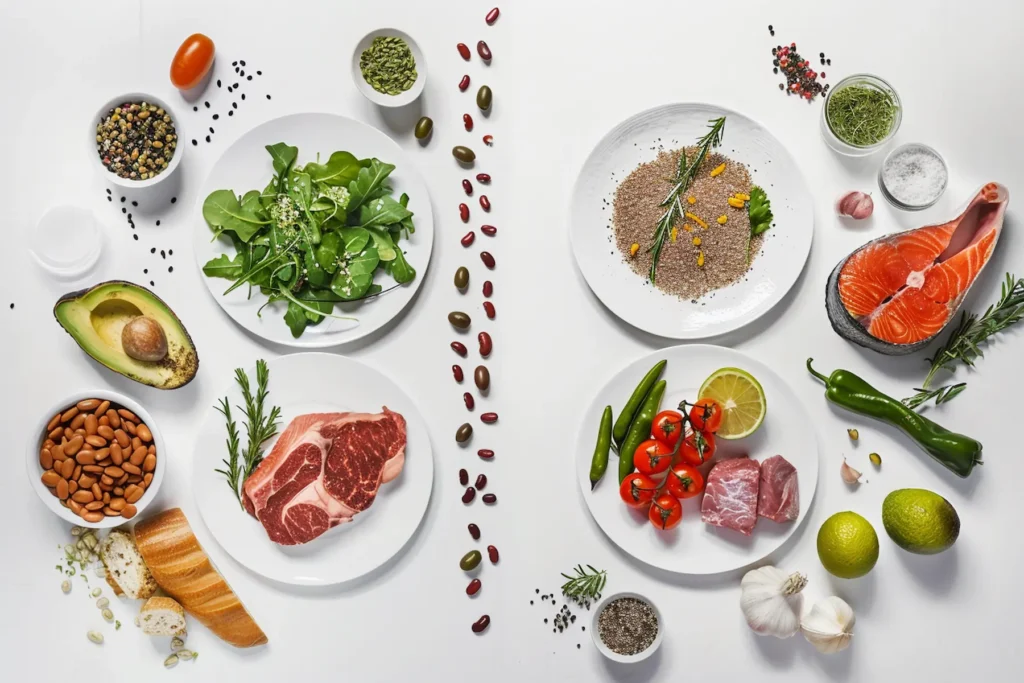
What You CAN Eat on the Plant Paradox Diet
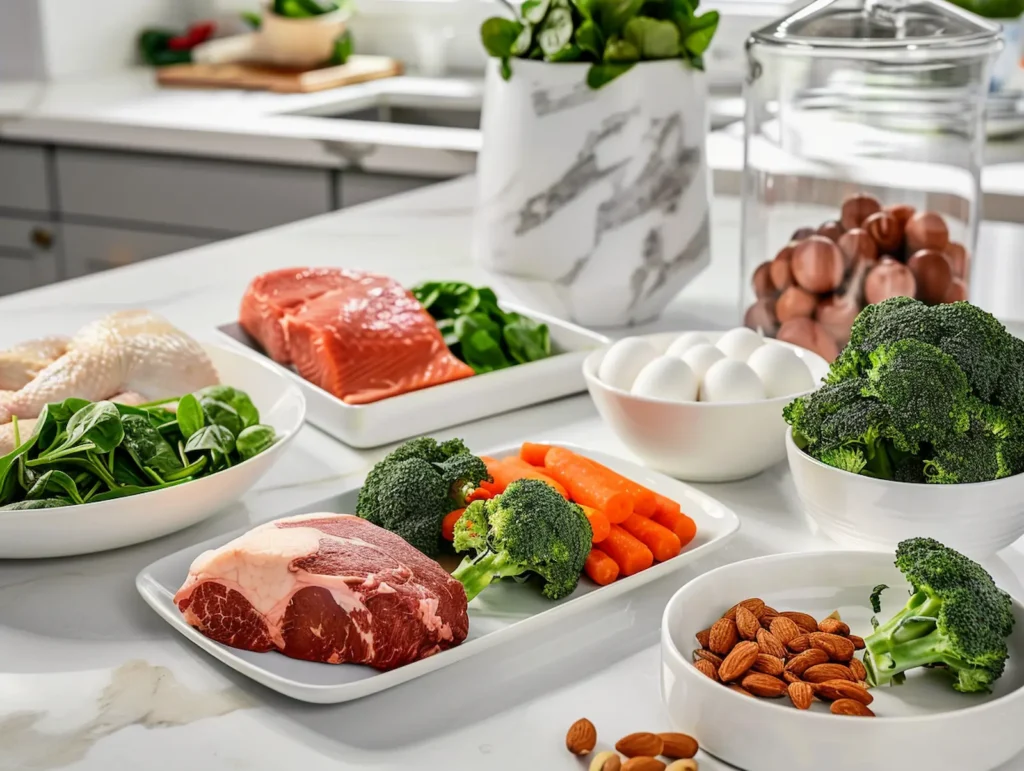
The “yes” list includes surprisingly satisfying options:
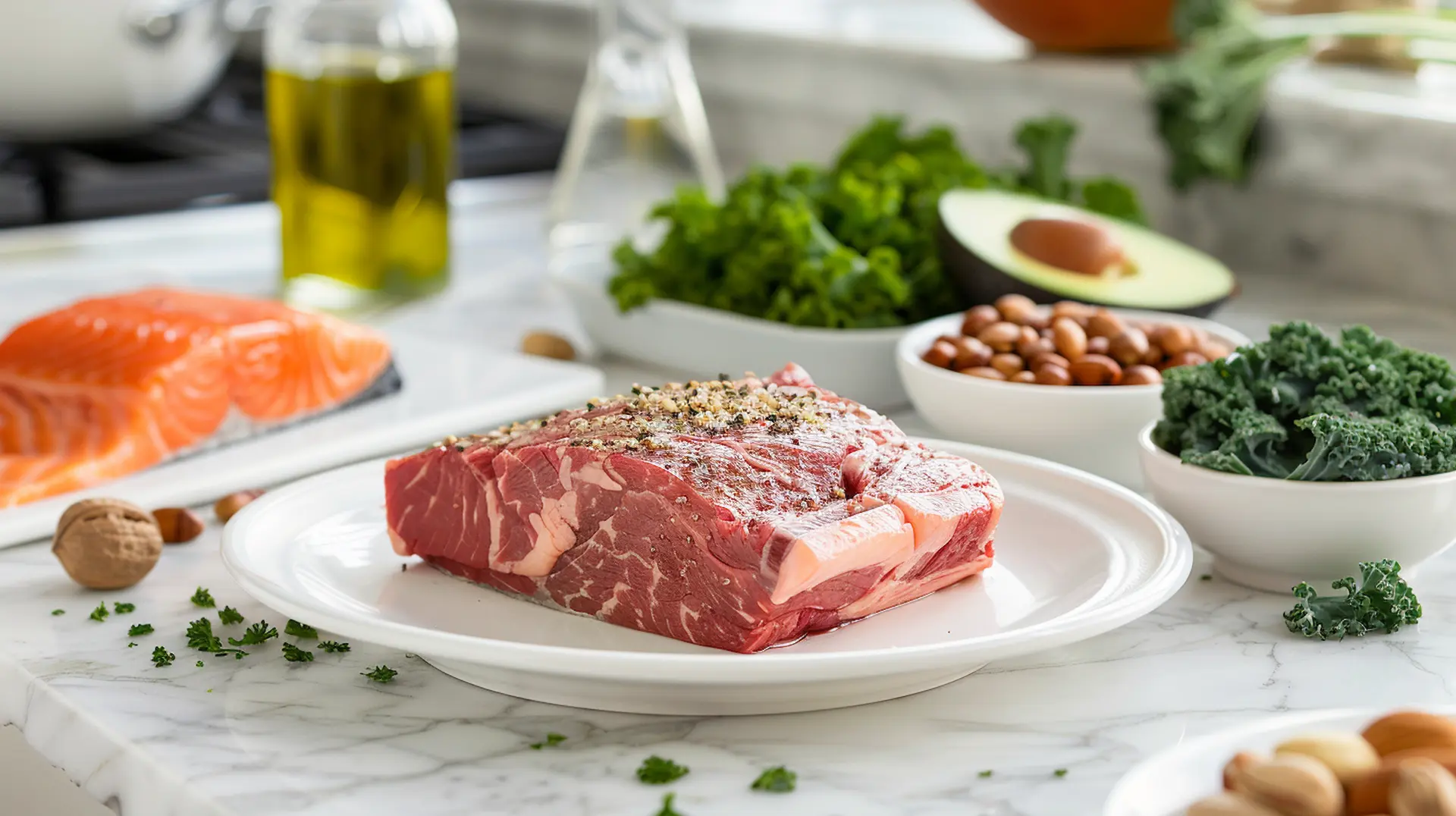
Grass-fed meat: Beef, pork, and lamb (limit to 4 ounces per day)
Pasture-raised poultry: Chicken and turkey (2-4 ounces per day)
Wild-caught fish: Salmon, sardines, and other seafood (2-4 ounces daily)
Resistant starches: Green bananas, sweet potatoes, yams (in moderation)
Approved vegetables: Asparagus, beets, broccoli, Brussels sprouts, cabbage, carrots, cauliflower, celery, leafy greens, mushrooms, onions, and spinach
Limited dairy: Ghee, goat cheese, sheep cheese, and other specialty dairy products (but not conventional cow’s milk)
Pastured eggs: Four yolks or one egg white per day
Nuts and seeds: Almonds, flaxseed, hazelnuts, macadamias, pecans, pistachios, sesame seeds, and walnuts
For practical meal ideas using these ingredients, check out recipes like honey-glazed carrots or twice-baked sweet potatoes.
What You CANNOT Eat on the Lectin-Free Diet
The “no” list is extensive and includes many foods typically considered healthy:
Legumes: All beans, lentils, chickpeas, peanuts, and soybeans
Nightshade vegetables: Tomatoes, peppers (all types), eggplants, and white potatoes
Grains: Wheat, rice, corn, oats, quinoa, and all sprouted grains
Conventional dairy: Most cow’s milk products unless from Southern European breeds
Certain fruits: Ripe bananas, melons, pumpkin, and squash
Refined foods: Bread, pasta, cereal, crackers, and most processed foods
This is where the Plant Paradox diet becomes challenging for most people. Eliminating tomatoes, beans, and whole grains removes staples from many cultural cuisines and contradicts decades of nutrition research supporting these foods.
Plant Paradox Diet Recipes and Meal Planning
Print
Plant Paradox Diet: Does Avoiding Lectins Really Work for Weight Loss?
- Total Time: 13 minutes
- Yield: 1 serving 1x
Description
Plant Paradox-approved breakfast bowl with pastured eggs, nutrient-dense vegetables, and healthy fats. This lectin-free recipe supports gut healing, weight loss, and sustained energy throughout your morning.
Ingredients
3 pastured eggs, beaten
2 cups fresh spinach leaves, chopped
1 cup mushrooms, sliced
1/2 ripe avocado, sliced
1 tbsp grass-fed ghee or coconut oil
1/4 tsp sea salt
1/4 tsp black pepper
Fresh herbs (basil or cilantro), optional
1 tsp extra virgin olive oil for drizzling
Instructions
1. Heat ghee or coconut oil in a non-stick skillet over medium heat.
2. Add sliced mushrooms and sauté for 3-4 minutes until golden and tender.
3. Add chopped spinach and cook for 1-2 minutes until just wilted.
4. Pour beaten eggs over vegetables and gently scramble, stirring occasionally for 2-3 minutes.
5. Season with sea salt and black pepper to taste.
6. Transfer to a serving bowl and top with sliced avocado.
7. Drizzle with extra virgin olive oil and garnish with fresh herbs if desired.
8. Serve immediately while warm.
Notes
Use only pastured or omega-3 enriched eggs for maximum nutrition.
Avoid nightshade vegetables like tomatoes and peppers on this diet.
Pair with approved resistant starches like sweet potato for a heartier meal.
This recipe follows Plant Paradox Phase 1 guidelines strictly.
Store leftovers in an airtight container for up to 2 days in the refrigerator.
For meal prep, cook vegetables ahead and scramble eggs fresh each morning.
- Prep Time: 5 minutes
- Cook Time: 8 minutes
- Category: Breakfast, Plant Paradox Recipes
- Method: Sauté & Scramble
- Cuisine: Wellness, Lectin-Free
Nutrition
- Serving Size: 1 bowl (approximately 350g)
- Calories: 385
- Sugar: 2g
- Sodium: 420mg
- Fat: 32g
- Saturated Fat: 11g
- Unsaturated Fat: 19g
- Trans Fat: 0g
- Carbohydrates: 8g
- Fiber: 5g
- Protein: 22g
- Cholesterol: 558mg
Keywords: plant paradox breakfast, lectin-free eggs, plant paradox recipes, dr gundry breakfast, lectin-free diet, gut healing breakfast
One of the biggest hurdles with this eating plan is figuring out what to actually cook. Here are some Plant Paradox diet recipes ideas that fit the guidelines:
Breakfast: Pastured eggs scrambled with spinach, mushrooms, and avocado; or a smoothie with coconut milk, leafy greens, and approved berries
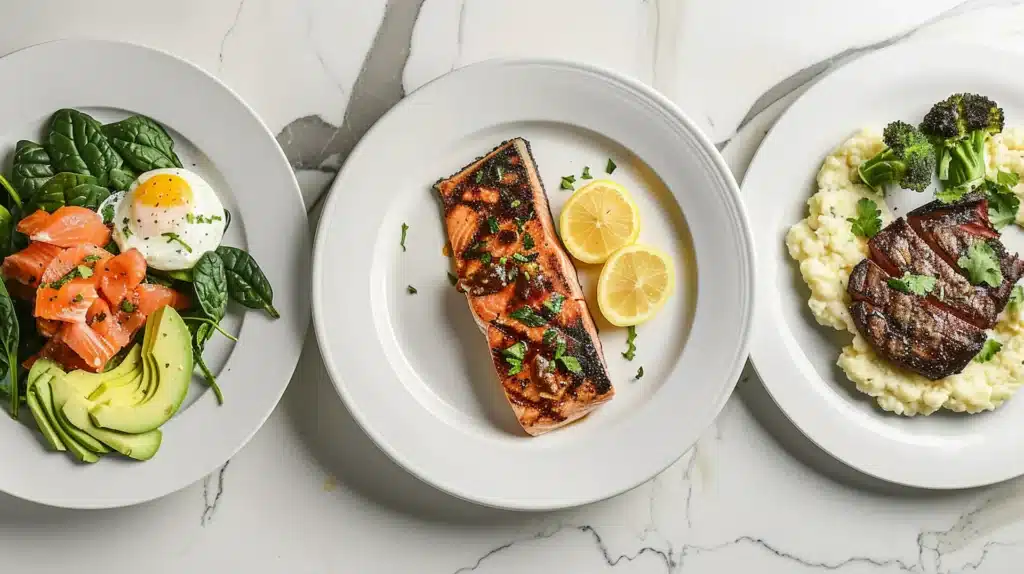
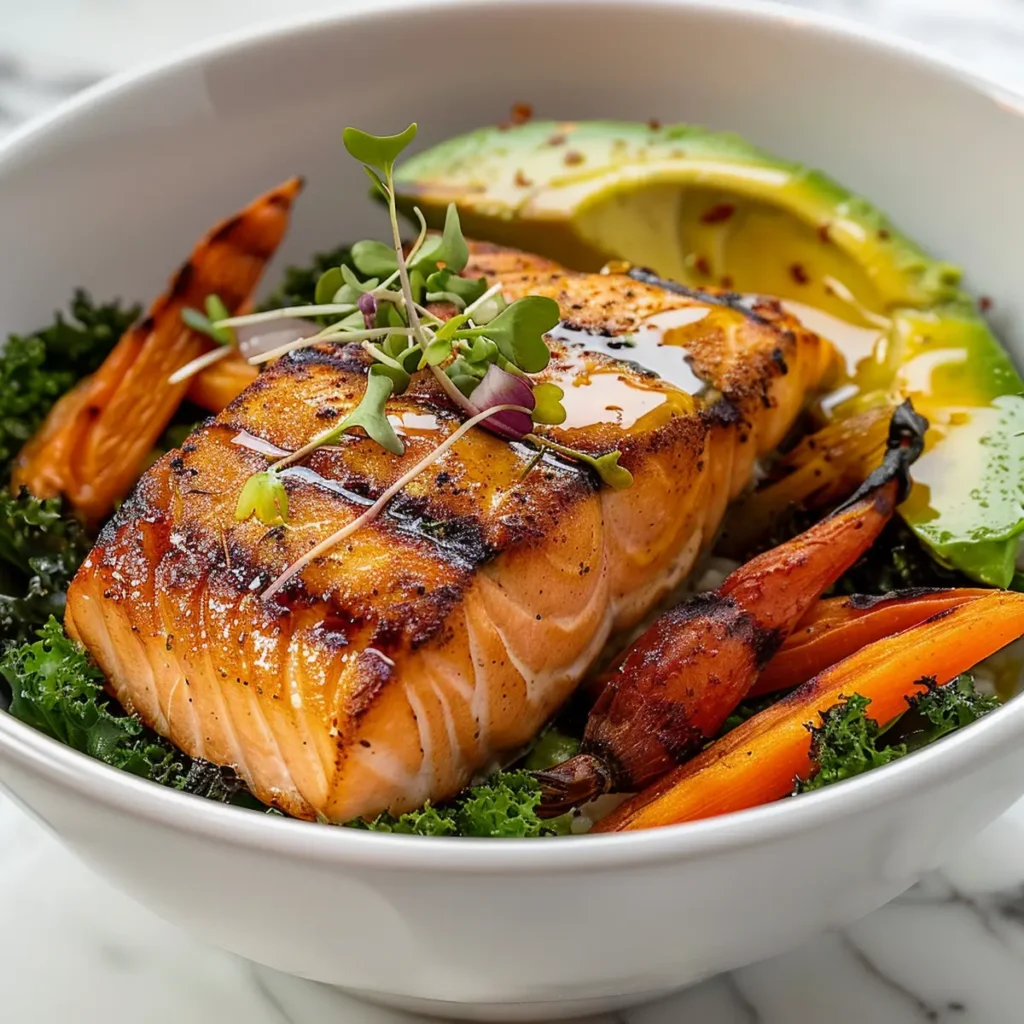
Lunch: Grilled wild-caught salmon over mixed greens with olive oil and lemon; or hearty soup made with approved vegetables and grass-fed beef
Dinner: Grass-fed steak with roasted broccoli and cauliflower rice; or baked chicken with glazed carrots and leafy green salad
Snacks: Raw nuts, avocado, or vegetable sticks with approved dips
For those following the program long-term, meal prep becomes essential. Many people batch-cook approved proteins and vegetables on weekends to make weeknight dinners manageable.
Does the Plant Paradox Diet Actually Work for Weight Loss?
Here’s where we need to separate correlation from causation. Yes, many people lose weight on the Plant Paradox diet Kelly Clarkson lost nearly 40 pounds and improved her thyroid function. But is it because lectins are “toxic,” or is something else going on?
Dietitian Dana Bander points to the real reason: “The diet’s effectiveness can be traced to its focus on eliminating heavily processed foods that plague the Standard American Diet.”
When you remove refined grains (bread, pasta, crackers), processed snacks and sweets, fast food and convenience meals, and sugar-sweetened beverages, you’re naturally creating a calorie deficit and reducing inflammatory processed ingredients. That’s weight loss 101, not lectin magic.
What Research Shows About the Lectin-Free Diet
According to nutrition science published in peer-reviewed journals like those indexed by PubMed, the foods banned on the Plant Paradox diet whole grains, legumes, and nightshade vegetables are actually associated with reduced inflammation and better metabolic health when consumed as part of a balanced diet.
The American Heart Association consistently recommends beans, lentils, and whole grains as foundational foods for cardiovascular health and weight management.
Longevity Paradox: Dr. Gundry’s Extended Philosophy
Dr. Gundry later expanded his approach with The Longevity Paradox, which focuses on gut microbiome health and aging. This iteration emphasizes polyphenol-rich foods (which ironically include some lectin-containing plants), intermittent fasting, prebiotic and probiotic foods, and time-restricted eating.
The longevity paradox perspective is actually more aligned with mainstream nutrition science than the strict lectin-avoidance approach. Many of these principles supporting gut bacteria, reducing ultra-processed foods, and eating more polyphenols are well-supported by research.
If longevity and metabolic health interest you, consider also exploring approaches like the Mediterranean diet or incorporating immune-boosting ingredients into your regular meals.
Plant Paradox Diet Reviews: What Mayo Clinic and Experts Say
When you search for plant paradox diet reviews Mayo Clinic, you’ll find that mainstream medical institutions remain skeptical. Here’s what nutrition professionals consistently point out:
Concerns from registered dietitians:
• The diet eliminates numerous nutrient-dense foods without strong scientific justification
• Long-term adherence is difficult, leading to yo-yo dieting patterns
• The restrictive nature can harm your metabolic rate over time
• Cost is prohibitive (grass-fed meat, specialty cheeses, and organic produce add up quickly)
• Social eating becomes extremely challenging
Dana Bander warns: “We see people who’ve been yo-yo dieters for all their lives who can’t lose a darn thing on 1,000 calories a day” due to metabolic adaptation.
What experts DO appreciate:
• Emphasis on whole, unprocessed foods
• Focus on vegetable intake
• Encouragement to read labels and understand ingredients
• Attention to food quality (grass-fed, wild-caught, organic when possible)
The consensus? The weight loss benefits come from general healthy eating principles, not lectin avoidance specifically.
Frequently Asked Questions About the Plant Paradox Diet
What does Dr. Gundry say to eat for breakfast?
Dr. Gundry recommends breakfast options like pastured eggs with approved vegetables (spinach, mushrooms, onions), avocado, and a small portion of resistant starch like a green banana or sweet potato. He also approves smoothies made with coconut or almond milk, leafy greens, and limited berries. The key is avoiding grains, conventional dairy, and high-sugar fruits.
What are the worst foods for lectins?
According to Dr. Gundry, the highest-lectin foods to avoid include raw kidney beans, soybeans, wheat, peanuts, cashews, and nightshade vegetables (tomatoes, peppers, eggplant, potatoes). However, it’s worth noting that cooking significantly reduces lectin content in most of these foods, making the “danger” less clear-cut than the diet suggests.
What diet did Kelly Clarkson use to lose her weight?
Kelly Clarkson publicly credited the Plant Paradox diet for her nearly 40-pound weight loss and improvements in her thyroid health. She followed Dr. Gundry’s program, which eliminated lectins, processed foods, and focused on grass-fed proteins, approved vegetables, and healthy fats. However, her success doesn’t necessarily prove the lectin theory eliminating processed foods alone creates significant health benefits.
What are Dr. Gundry’s three superfoods?
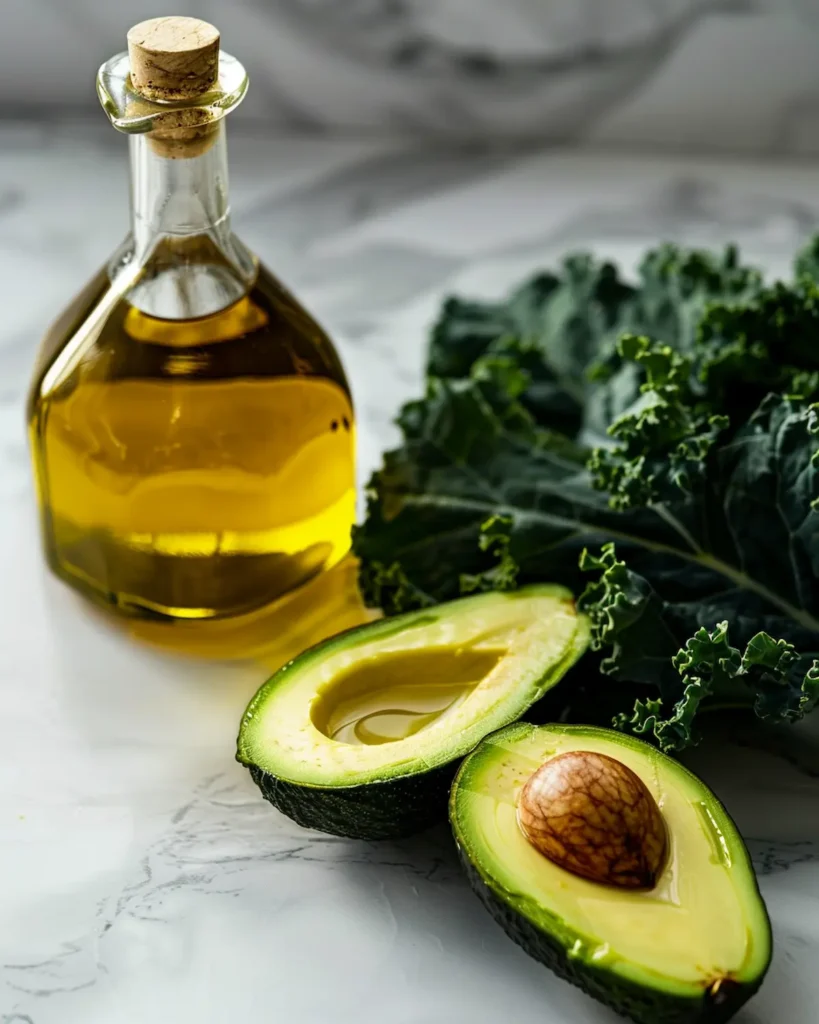
Dr. Gundry frequently highlights: 1) Extra virgin olive oil – Rich in polyphenols and healthy fats, 2) Avocados – Packed with healthy fats and resistant starch, 3) Dark leafy greens – High in nutrients and low in lectins. He also emphasizes wild-caught seafood, pastured eggs, and specific nuts like walnuts and macadamias as foundational foods for the program.
Better Alternatives to the Plant Paradox Diet: Sustainable Eating Plans
If the Plant Paradox diet feels too restrictive or you’re skeptical about the lectin theory, you’re not alone. Here are evidence-based alternatives that deliver results without extreme restrictions:
The Mediterranean Diet Alternative
Consistently ranked as the #1 diet by U.S. News & World Report, the Mediterranean eating pattern includes abundant vegetables, fruits, and whole grains, healthy fats from olive oil and nuts, moderate fish and poultry, limited red meat and processed foods, and beans and legumes as protein sources.
The Mediterranean diet has decades of research supporting its benefits for heart health, brain function, weight management, and longevity.
Anti-Inflammatory Eating Without Extremes
You don’t need to eliminate entire food groups to reduce inflammation. Instead, focus on whole, minimally processed foods, include omega-3 rich fish like salmon twice weekly, eat a rainbow of colorful vegetables daily, choose whole grains over refined grains, and limit added sugars and ultra-processed snacks.
Try incorporating naturally anti-inflammatory recipes like immune-boosting soup or hearty vegetable stew into your weekly rotation.
Start Small, Build Sustainable Habits
Dietitian Dana Bander offers this practical wisdom: “Start simple. Maybe just wander around a farmer’s market or grocery store and pick out a new vegetable you’ve never tried. Or maybe prepare a familiar vegetable a different way.”
The most effective diet is one you can stick with long-term. Ask yourself: “Can I imagine still doing this in three months?” If the answer is no, you’re likely setting yourself up for temporary results followed by rebound weight gain.
For inspiration, explore simple, sustainable recipes like honey lime chicken with roasted vegetables, one-pot pasta with seasonal ingredients, or healthy gummies for satisfying snacks.
Plant Paradox Diet Summary: The Bottom Line
After examining the science, expert opinions, and real-world results, here’s my honest take on the Plant Paradox diet:
You’ll probably lose weight if you follow it strictly. But that’s primarily because you’re eliminating processed foods, refined carbs, and excess calories not because lectins are inherently dangerous.
The diet may help some people with specific sensitivities or autoimmune conditions feel better, but that doesn’t validate the broader lectin theory. Individual food sensitivities vary, and elimination diets can be useful diagnostic tools when supervised by healthcare professionals.
Long-term sustainability is questionable for most people. The restrictive nature, social challenges, and high cost make this approach difficult to maintain beyond a few months.
Better alternatives exist that offer similar benefits without extreme restrictions. The Mediterranean diet, in particular, has far more robust scientific support and is much easier to follow for life.
My Recommendation for the Plant Paradox Diet
If weight loss is your goal, start with these evidence-based strategies before resorting to extreme elimination:
1. Eliminate ultra-processed foods and added sugars
2. Fill half your plate with vegetables at each meal
3. Choose whole grains over refined grains
4. Include lean proteins and healthy fats
5. Practice portion awareness without obsessive calorie counting
6. Stay consistent for at least 3-6 months before judging results
These simple changes deliver 80% of the benefits with 20% of the restriction. Save the extreme approaches for when basic strategies have been thoroughly tested and found insufficient.
For ongoing wellness support and practical recipe inspiration, explore our collection of weight loss-friendly recipes and nutrient-dense meal ideas.
Remember: the best diet is the one you can actually stick with. Choose sustainability over perfection, and build habits that serve your health for decades, not just weeks.
To your lasting health,
Disclaimer: This article is for informational purposes only and not intended as medical advice. Always consult with a qualified healthcare provider or registered dietitian before making significant dietary changes, especially if you have existing health conditions, thyroid disorders, or autoimmune issues.