I still remember the humid summer evening when the whole family crowded around the small kitchen table, forks scraping glossy noodles and little cups of dipping sauce clinking as my son told a story that made us all laugh until our sides hurt. The steam from the potstickers rose in soft clouds, carrying garlic and sesame into the living room, and that scent stitched the moment into my memory. It is the sound of chopsticks tapping bowls, the way the noodles curl around a spoon, and the quiet contentment that follows a shared plate that makes Potsticker Noodle Bowls feel like a warm invitation to stay a little longer. If you love simple comfort, you might also enjoy the gentle way buttered noodles sit at the table on busy nights, comforting in their familiarity and easy to share.
Why Potsticker Noodle Bowls Still Feels Like Home
There is a way food holds time for us. Potsticker Noodle Bowls do that for me. They are not about complicated technique or rare ingredients. They are about a pan on the stove, the rhythm of stirring, and the way a kitchen fills with an aroma you remember years later. The first time I made them for my family I was trying to stretch leftover potstickers and noodles into something new. What began as a practical meal turned into a new favorite. It became our answer for rainy afternoons and hurried weeknights when everyone needed something warm and familiar.
My mother always said that a good meal should have at least one thing you can scoop up quickly with your hand. For these bowls, that might be a tender leaf of scallion or a piece of charred bell pepper. The textures are honest and friendly: the chew of noodles, the bite of ginger, and the little pockets of browned meat that still hold a whisper of crispness. If you are someone who loves soups and bowls with heart, you might find inspiration in a different kind of comfort from recipes like chicken noodle soup with egg noodles, which teaches a quiet patience with simmering and scent.
These bowls welcome improvisation. Swap one vegetable for another. Use whatever ground meat you have on hand. Make an extra sauce if you love a saucy bite. The point is to make a space at the table where food is relatable and full of flavor, where small hands can help mix and older ones can take a slower serving. In our home, making Potsticker Noodle Bowls has become a gentle ritual of togetherness that leaves everyone satisfied but never overfull.
The Story Behind Our Favorite Potsticker Noodle Bowls
When I tell this story to friends, they often smile because the scene is so ordinary it sounds familiar. One Sunday afternoon I had a few leftover pan-fried potstickers from a takeout dinner and a pack of instant ramen I was planning to turn into a quick lunch. I began tossing everything together, adding a splash of soy and a scatter of scallions, and it felt like a small kitchen miracle. What surprised me was how quickly the house filled with a smell that felt both new and comfortingly familiar.
That first bowl was eaten at a little wobbly card table, surrounded by coloring books and a stack of mail. My husband kept saying, "We have to make this again," between bites, and the kids declared it an official family dish. Food can do that. It can mark a day as ordinary yet important. Later, as I refined the recipe, I learned small ways to coax deeper flavor: to wait for the edges of the meat to turn golden, to let the garlic bloom gently in oil, and to finish with a drizzle of sesame oil so the whole bowl takes on that warm, toasted scent.
Some nights we treat these bowls as the main event, with nothing more than a simple cucumber salad on the side. Other times they are part of a more elaborate spread, served alongside a playful twist like candied salmon for tacos and bowls for guests who want something a bit different. No matter how we serve them, the bowls keep bringing us back to that easy feeling of shared food and quiet gratitude.
Bringing Potsticker Noodle Bowls Together
“Every time I stir this pot, it smells just like Sunday at home.”
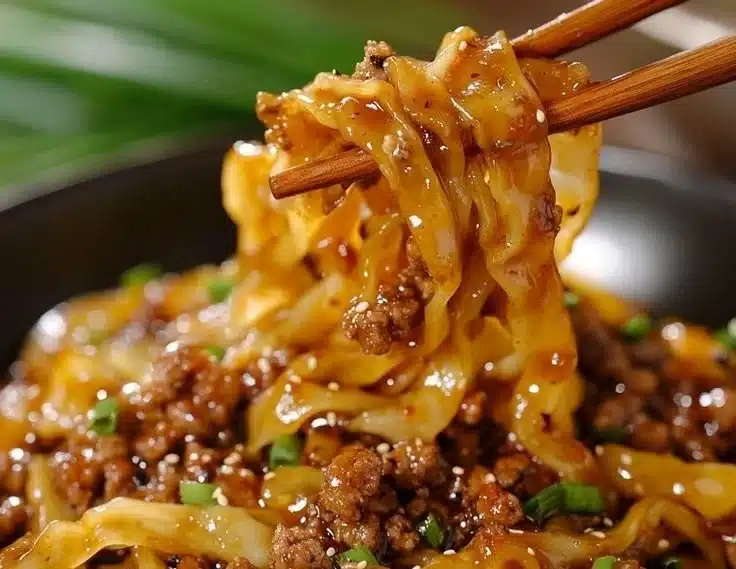
The process of making Potsticker Noodle Bowls has a comforting rhythm. Start with the noodles, so they have time to relax and soak up the sauce. Then move to the aromatics. Garlic and ginger are small, honest things that wake up the oil and tell the rest of the ingredients how the meal will taste. When you add the meat, listen for the sound that changes the entire mood: the sizzle that tells you the sugars and proteins are browning and making new flavors.
Watch for color as your guide. The vegetables should go from crisp and bright to softened and slightly glossy. The noodles should look lively, their strands separated and shiny. Stirring is part of the ritual. Use a wide pan, make room for everything to touch the heat, and keep a wooden spoon or spatula in your hand. You will know you are close when you can almost taste the whole bowl in the steam rising from the pan.
Small tricks make a difference. Toast the sesame oil briefly before adding other ingredients to deepen its scent. Reserve a spoonful of soy sauce to add at the very end so the top notes stay fresh. Cut your scallions on the bias for that pleasing, soft crunch. These gestures are not about perfection. They are about caring in the kitchen and learning to trust simple instincts.
Ingredients You’ll Need
Ground meat (beef, chicken, or pork)
Noodles (such as ramen or lo mein)
Soy sauce
Ginger
Garlic
Scallions
Vegetables (such as bell peppers or carrots)
Sesame oil
Cooked rice (optional)
(A little extra vanilla if you love a cozy aroma.)
(Fresh butter gives this its richness.)
When I write ingredients like this, I want you to feel invited, not instructed. Each item is a conversation starter. Choose the ground meat you prefer or have on hand. If you love noodles with a bit more chew, pick lo mein style. If your pantry is light, a jar of soy sauce and a knob of fresh ginger can carry the day. The parentheses are gentle ideas to encourage play, not rules to make you nervous.
I like to keep a few pantry staples at the ready that make assembling these bowls easier. A small container of minced ginger, a jar of good sesame oil, and a sturdy pack of ramen noodles can turn a tired evening into something bright. Keep the vegetables colorful and varied. Thinly sliced carrots and bell peppers add crunch. A handful of frozen peas or some shredded cabbage can also stretch the meal and add body without sacrificing taste.
Step-by-Step Directions
Cook the noodles according to package instructions and set aside.
Drain them well and toss with a little sesame oil so they do not clump together.
Notice how the steam smells like garlic and wheat; this is the first whisper of what the bowl will be.In a large pan, heat sesame oil over medium heat.
Let it shimmer a moment before you add anything so its aroma becomes warm and toasted.
The oil should smell fragrant but not smoke.Add minced garlic and ginger, cooking until fragrant.
Stir so each piece blooms and releases its bright scent into the pan.
You want them soft and aromatic, not burnt, so keep the heat steady.Add the ground meat and cook until browned.
Break it into pieces with your spoon and wait for the edges to turn golden.
Breathe in the savory smell that tells you the meat has developed flavor.Stir in the vegetables and cook until they soften.
Let carrots and peppers become tender but still hold a little texture.
The colors will deepen and the pan will take on a glossy sheen.Add the cooked noodles and soy sauce, mixing everything together thoroughly.
Toss until the noodles pick up the sauce and look glossy and inviting.
Taste and adjust with a splash more soy or a pinch of salt.Garnish with sliced scallions and serve hot.
Scatter scallions over the top for a fresh, green bite that brightens each spoonful.
Serve at once so the textures stay lively and the warmth feels like a hug.
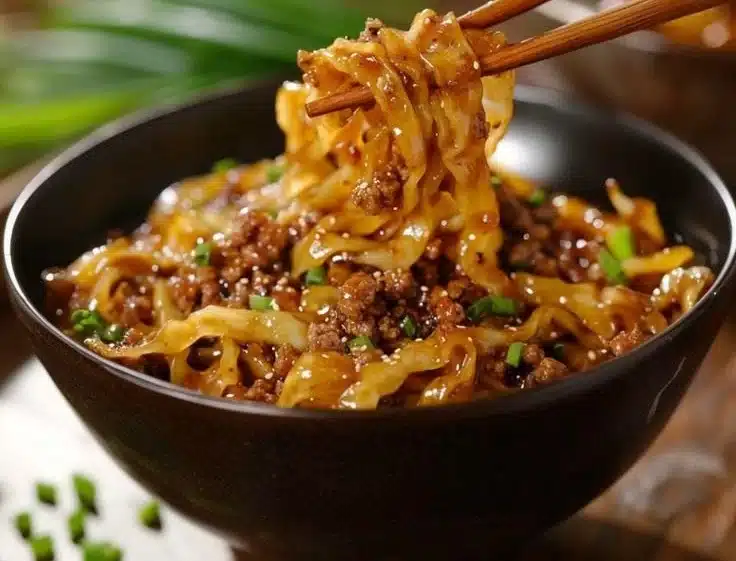
Serving Potsticker Noodle Bowls With Family Warmth
There is something generous about serving bowls at the table. You can set down steaming pots and let everyone scoop their own portion, chatting as they choose their favorite bits. For a family night, I like to set out small bowls of sesame seeds, chili oil, and extra soy so everyone can season their bowl to taste. It makes the meal feel interactive and a little festive without fuss.
Plating matters in small ways. Use a deep bowl so the noodles curl into a satisfying nest. Arrange the meat on one side and the vegetables on the other, then let the noodles flow between them. A final scatter of scallions and a tiny drizzle of sesame oil creates a picture that smells as good as it looks. For a fuller meal, consider a simple side like lightly dressed cucumber ribbons or an easy miso soup. If you love the comfort of brothy bowls, you might enjoy comparing this to the rhythm of stirring and simmering in chicken noodle soup, which brings its own gentle, soothing notes.
When we sit down to eat, the kids often argue for the last dumpling, and we make a game of who gets to take it. There is laughter and small debates about who used the most soy. These rituals are tiny and dear. They are the reason I return to this recipe again and again. The bowls carry warmth not just in their steam but in the memories they help us make.
Tips for Making It Feel Special
Choose a bowl you love and use it for these meals when you want to make the moment feel a little more intentional. Heat the bowls in the oven or with hot water before serving so the noodles stay warm longer. Set out a small tray with chopsticks and spoons so everyone can pick how they like to eat. These small touches are about presence and thoughtfulness more than any culinary grandeur.
If you are feeding a crowd, double the recipe and keep extra sauce on the side. This makes it easy for everyone to add a final splash or a pinch of heat. If you are cooking for toddlers, separate a small portion with less soy so their first tastes are gentle and familiar.
How to Save the Leftovers
Leftovers are a gift if you handle them with care. Store cooled leftovers in an airtight container in the refrigerator within two hours of cooking. The noodles will soak up sauce and deepen in flavor overnight, becoming almost like a new dish. If you plan to keep the sauce bright, store a small portion of the sauce separately and add it back when reheating.
Reheat gently on the stovetop with a splash of water or broth to loosen the noodles and bring back that glossy texture. Cook over medium-low heat, stirring often so nothing sticks and the noodles do not dry out. You can also reheat in the microwave in short bursts, stirring between each burst to even out the heat. If you notice the noodles are a bit heavy the next day, a squeeze of fresh lime or a sprinkle of chopped scallion will lift them instantly.
For longer storage, freeze in single-portion containers. When you thaw, reheat with a little extra liquid and a careful hand, because frozen noodles can become soft. A tip I share with friends is to keep a small zip-top bag of finely chopped scallions in the freezer so you always have a fresh garnish on hand. If you like the idea of a heartier leftover meal, try serving warmed leftovers over a bed of steamed rice.
In our house, leftovers often become breakfast for the kids who love cold noodles with an extra drizzle of soy. It is a strange tradition, but it is part of the life we share around food that feels homey and unpretentious. If you enjoy a classic bowl of comfort that stretches into the next day, you might take a look at how soups keep their tenderness in classic chicken noodle soup with vegetables, which has similar qualities when stored and reheated.
Useful Variations and Friendly Swaps
Make this dish your own by swapping flavors and textures. Use ground turkey or a plant-based crumble if you prefer. For a bit of sweetness, add a small drizzle of honey or a splash of rice vinegar. If you want heat, red pepper flakes or a spoonful of chili paste will warm the bowl without overwhelming the other flavors.
If you love richer textures, finish with a small pat of butter stirred in at the end. For a fresher note, add shredded cabbage and a squeeze of lime. You can toss in some crushed peanuts for crunch or scatter a few toasted sesame seeds for a nutty finish. These small swaps keep the recipe approachable for beginners and interesting for those who cook often.
Another idea is to turn the bowl into a brothy noodle soup by adding warm chicken stock to the pan and loosening the noodles until you have a light broth. It becomes a nook of warmth that feels good on a chilly night. For a lighter version, use less oil and more vegetables so the bowl becomes bright and spring-like. If you want inspiration from other comforting noodle dishes, the layering of flavors in chicken noodle soup with egg noodles can offer ideas for balance and seasoning.
Kitchen Know-How: Small Skills That Make a Big Difference
A few small skills can help this recipe sing. First, always taste as you go. Salt and soy can change based on brand and how long you cook them, so tasting keeps everything balanced. Second, keep ingredients prepped before you start. Noodles, vegetables, and sauces should be ready so you can move through the steps with steady hands and calm timing.
When browning meat, give it room in the pan. Crowding causes steaming and loss of that golden crust that adds flavor. If you only have a small pan, brown the meat in batches. Also, adjust the heat as needed. Too high and the garlic will burn; too low and you lose that joyful sizzle that turns sugars brown. These are small, actionable ways to build confidence in the kitchen.
Finally, honor the oddities of your own stove and pans. I learned early on that my favorite pan runs hot, so I move it down a notch when cooking aromatics. You will find similar little patterns in your kitchen. They are not obstacles. They are part of learning to cook in a place that feels like yours.
How We Enjoy Potsticker Noodle Bowls at Home
On Saturdays we make these bowls for an easy brunch, adding a fried egg on top for richness. The runny yolk becomes a velvet sauce that drapes over noodles and meat. On weeknights, they are a quick, satisfying supper that makes everyone linger at the table a little longer. When friends drop by unexpectedly, I can whip up a pan in under 30 minutes and turn company into a cozy evening.
There are nights when we make a big batch and take it to the neighbor who just had a baby. A warm bowl is a simple way to say you are cared for. We have shared these bowls on picnic blankets and at the tail end of movie nights. They travel well and pack a kind of comfort that feels like a hand on the shoulder.
If you appreciate recipes that fold easily into family life, think about pairing these bowls with something light like pickled cucumbers or a small green salad. These accents add brightness and contrast the savory noodles. For a playful weekday twist, set up a "topping bar" with sliced chilies, toasted sesame seeds, and extra scallions so everyone can personalize their bowl.
Throughout all of this, I keep a mental bookmark of small victories: a child who asks for seconds, a neighbor who says it tastes like something from their own childhood, or the quiet moment after everyone has eaten and the kitchen is still warm. These are the measures of a meal well made.
Keeping It Fresh and Comforting
Storing and reheating are acts of kindness toward meals you have already loved. For leftovers that will be eaten the next day, cool the food quickly and store in the refrigerator. If you plan to freeze, portion into single-serve containers so you can reheat without thawing a whole pan. Reheat gently, adding a splash of stock or water to restore texture, and finish with a fresh hit of scallions to bring back brightness.
I have learned to enjoy how flavors change with time. The soy mellows and the ginger softens, which can make day-old bowls feel deeper and more settled. If you prefer the zip of freshly made sauce, keep a small jar of extra sauce to stir in when reheating. This keeps the aromatics lively and gives you control over how bold you want the next meal to be.
If you have picky eaters at home, separate a small portion before seasoning heavily. This allows you to cater to both adventurous and more cautious palates. Leftovers can also become clever lunches. A cold noodle salad with a squeeze of lime and a handful of herbs makes for an enlivening midday meal.
Conclusion
If you want to try a different take on this comforting dish, I like to point readers toward ideas that show how flexible potsticker bowls can be, such as Potsticker Noodle Bowls – No Filling and Sealing Required!.
Print
Potsticker Noodle Bowls
- Total Time: 30 minutes
- Yield: 4 servings
- Diet: Flexitarian
Description
Comforting Potsticker Noodle Bowls that blend leftover potstickers and noodles into a flavorful, heartwarming meal.
Ingredients
- Ground meat (beef, chicken, or pork)
- Noodles (such as ramen or lo mein)
- Soy sauce
- Ginger
- Garlic
- Scallions
- Vegetables (such as bell peppers or carrots)
- Sesame oil
- Cooked rice (optional)
Instructions
- Cook the noodles according to package instructions and set aside.
- Drain them well and toss with a little sesame oil so they do not clump together.
- In a large pan, heat sesame oil over medium heat until fragrant.
- Add minced garlic and ginger, cooking until fragrant.
- Add the ground meat and cook until browned.
- Stir in the vegetables and cook until they soften.
- Add the cooked noodles and soy sauce, mixing everything together thoroughly.
- Garnish with sliced scallions and serve hot.
Notes
Feel free to swap vegetables and proteins to your liking. For added flavor, consider adding sesame seeds or chili oil as garnishes.
- Prep Time: 10 minutes
- Cook Time: 20 minutes
- Category: Main Course
- Method: Stovetop
- Cuisine: Asian
Nutrition
- Serving Size: 1 bowl
- Calories: 450
- Sugar: 3g
- Sodium: 800mg
- Fat: 15g
- Saturated Fat: 3g
- Unsaturated Fat: 10g
- Trans Fat: 0g
- Carbohydrates: 50g
- Fiber: 4g
- Protein: 20g
- Cholesterol: 50mg
Keywords: potstickers, noodles, comfort food, quick meals, family dinner