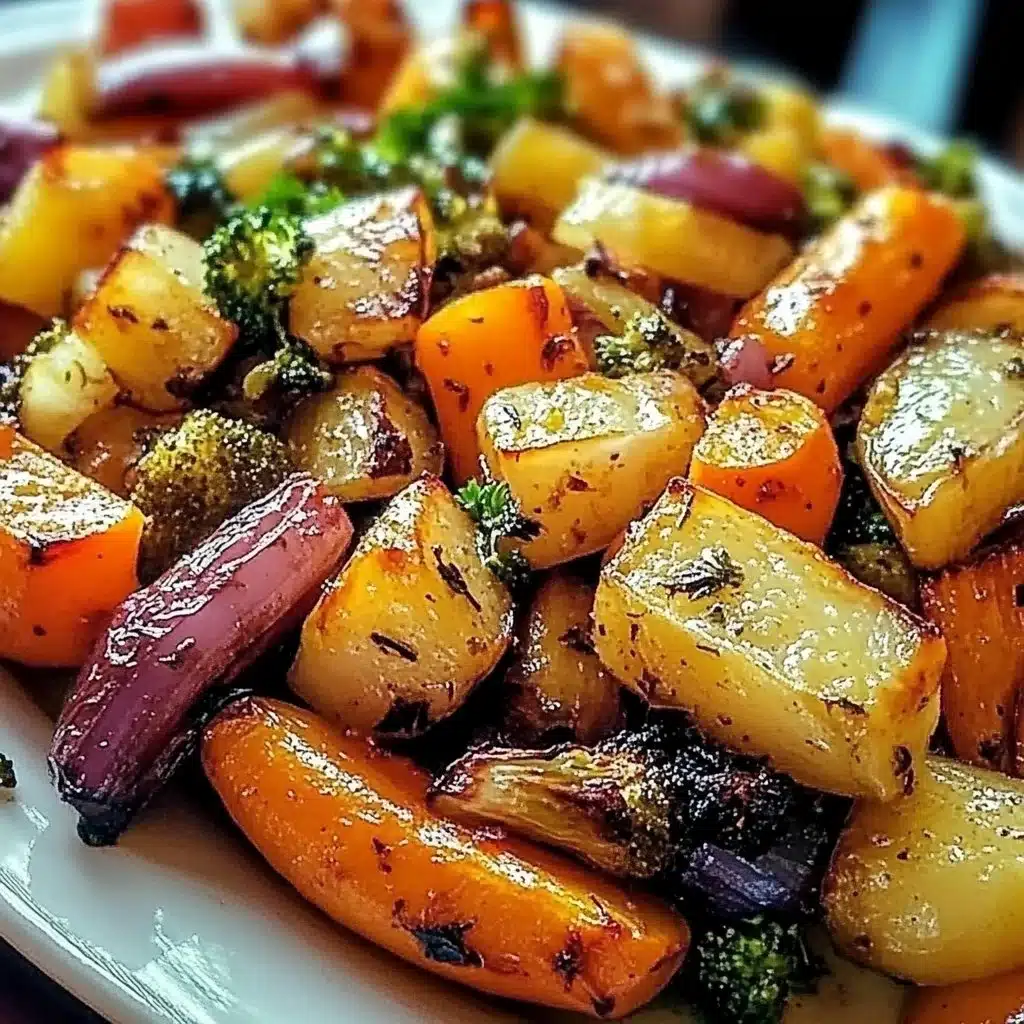
I can still feel the cold from the porch as I carried in a tray of roasted vegetables, the kitchen filling with that warm, sweet smell that seems to say everything is all right. The edges of the carrots were glossy and caramel brown, a few parsnip tips curled and crisped, and the Brussels sprouts had little pockets of char that promised a soft, nutty bite. My children crowded the counter, fingers sticky from other snacks, and for a moment the day slowed down into the gentle comfort of a family meal. If you like the cozy sweep of roasted fruit and savory warmth, you might also enjoy the way I make maple Dijon roasted apples, which began as a happy accident on a slow autumn afternoon.
Why Roasted Seasonal Vegetables Still Feels Like Home
There is a small magic in putting raw, simple roots and greens into a hot oven and watching them change into something deeper and sweeter. I remember the first time I roasted a mix like this for my family. It was one of those evenings when I had a few odd vegetables left and not enough thought for a complicated plan. I tossed them with oil and a little honey, and the house filled with that slow caramel scent that always makes my husband sit down and breathe easier.
Roasting condenses the flavors. Water leaves the vegetables, sugars find each other and stick, and the edges grow crisp while the insides stay tender. Those contrasts remind me of tiny family moments. The crisp edges echo childhood crunches and the tender centers wrap around us like a shawl. That is why Roasted Seasonal Vegetables have a permanent place at our table on evenings when we want easy comfort and true flavor.
This dish also taught me to trust the oven. When life is busy I love meals that feel thoughtful but don’t need my constant hovering. These roasted vegetables give you room to do other things. You can fold laundry, finish a call, help with homework, and still come back to a tray that smells like a quiet celebration.
Bringing Roasted Seasonal Vegetables Together
“Every time I stir this pot, it smells just like Sunday at home.”
Start by letting the vegetables speak to you. Their colors tell you what they need. The carrots bring sweetness and orange glow. The parsnips offer a honeyed, earthy note and a soft, melting bite. The Brussels sprouts add green lift and a satisfying, caramelized crunch. Drizzle with olive oil and honey. Listen for the soft hiss as oil warms your pan. When you toss the bowl, watch for the vegetables to look glossy and even.
Roasting is as much about feel as about time. There will be a moment when the edges begin to brown and your whole kitchen seems to smell like the weekend. That is when you gently stir, using the back of a wooden spoon or your hands if they are ready for it. After that, you wait again and let the oven do its gentle, steady work. The transformation is quiet until the last ten minutes when scent and color deepen and you know it is ready.
Ingredients You’ll Need
Carrots
Parsnips
Brussels sprouts
Honey
Olive oil
Salt
Pepper
Fresh herbs (optional, e.g., thyme or rosemary)
A little note as you gather these: choose carrots and parsnips that are firm to the touch and not limp. Smaller Brussels sprouts will roast faster and taste sweeter. If you love a cozy aroma, a splash of vanilla in a small honey mixture can bring a warm, unexpected scent. Fresh butter gives this its richness if you want to finish with a dab rather than extra oil. I often reach for thyme when I want a crisp herb note and rosemary when I want a woodsy perfume.
Step-by-Step Directions
Preheat your oven to 425°F (220°C).
Warm the room with this act and let the heat create a steady, even environment for the vegetables. A properly hot oven is what turns soft insides into golden edges and keeps the vegetables from steaming. If your oven runs cool, give it a few extra minutes to settle.Wash and peel the carrots and parsnips, then cut them into even-sized pieces. Trim the Brussels sprouts and cut them in half.
Cutting them in similar sizes helps everything finish at the same time, so take a minute to match pieces. I like the carrots a little chunky for bite and comfort, while the parsnips can be slightly thinner to caramelize more. When you slice the Brussels sprouts, you will see the little leaves flare—those are the parts that will crisp up into delicious, toasty edges.In a large bowl, combine the carrots, parsnips, and Brussels sprouts. Drizzle with olive oil and honey, then sprinkle with salt and pepper. Toss to coat evenly.
Stir until every piece is glossy and ready for the oven. The honey will help with browning, so be gentle but sure when you toss. Pause to breathe in the sweet, faintly floral scent. I often taste a small raw piece of carrot to make sure my salt is right before roasting.Spread the vegetables on a baking sheet in a single layer.
Give them space. Crowding traps steam and keeps edges soft, while a single layer invites caramelization. If needed, use two baking sheets so nothing overlaps. Line the sheets with parchment for easier cleanup and for a dry, crisp result.Roast in the preheated oven for about 25-30 minutes, or until the vegetables are tender and caramelized, stirring halfway through.
Wait for the edges to turn golden and for the honey to thicken into little sticky pearls. At the halfway point, stir gently so every side gets its turn under the heat. The sound of the oven softens as the sugars toast and the air fills with a cozy, warm scent.Remove from the oven and toss with fresh herbs if desired.
Fresh herbs bring a bright finish that balances the roasted sweetness. I like to pick thyme leaves between my fingers so the fragrance bursts as they hit the tray. Let the heat mellow the herbs for a minute and then serve so the scent rises up with every portion.Serve warm and enjoy your festive dish!
Bring the tray to the table and let little hands dig in, or plate each portion with a gentle scoop. The warm smell will pull everyone close and you will notice how a simple dish can make a meal feel like a small celebration. Share stories, pass bowls, and take time to taste the deep, sweet notes.

What Goes Into Roasted Seasonal Vegetables
This section is about the small choices that make a big difference. Carrots give a sunny sweetness and a nice snap when roasted. Parsnips add a nutty back note and gentle sweetness that deepens with heat. Brussels sprouts bring a leafy, hearty contrast and become almost buttery when their outer leaves crisp.
Honey does more than sweeten. It helps the surface brown and brings that round, sticky finish we all like to scrape from a pan. Olive oil keeps everything silky while also helping heat move across the vegetables for even color. Salt and pepper are quiet partners that let the vegetables speak. Fresh herbs at the end lift the whole tray into something that feels finished and bright.
Here are a few friendly suggestions as you gather: choose honey that you love the smell of, because it will influence the final aroma. If your olive oil has a strong peppery note, it makes a lovely contrast with the sweet vegetables. When in doubt, use thyme. It has a gentle, homey scent that never competes.
Bringing Roasted Seasonal Vegetables to the Table
Roasted vegetables make the table feel more relaxed and homey. I often set a large tray in the middle and let everyone help themselves. The kids enjoy pulling off the little caramelized leaves of Brussels sprouts, and my husband always takes the corner pieces that are most browned. We say a simple thanks, then tuck in.
For a fuller meal, I serve these vegetables alongside a roast chicken, a simple roasted fish, or even warm grains like barley or farro. They pair well with a little sharpness, so a dollop of yogurt or a sprinkle of feta brightens their sweetness. If I am making a holiday spread, I will place the tray among a few small bowls of roasted nuts, cranberry relish, or a simple gravy, and it becomes part of the family rhythm.
Plating can be casual. A wooden board or simple ceramic bowl is warm and forgiving. I like to drizzle a tiny bit of reserved olive oil and scatter—just scatter—some herbs over the top for the last visual lift. Little traditions form around these bowls. Someone always asks for extra honey. Someone else passes the pepper grinder. Those little acts stitch the dinner into memory.
How to Save the Leftovers
Leftovers are small gifts. To store the roasted vegetables, let them cool to room temperature for no more than an hour. Place them in an airtight container and tuck them into the fridge. They keep well for three to four days and often taste even sweeter the next day, as the flavors settle.
When reheating, a hot oven returns the most life to them. Spread the vegetables on a baking sheet and warm at 375°F for 8 to 10 minutes, just until edges crisp again. If you only have a microwave, reheat in short bursts to keep them from getting soggy. Add a splash of olive oil or a small knob of butter before reheating to bring back gloss and warmth.
If you want to turn leftovers into a new dish, toss them with cooked pasta and a bit of cream or lemon, fold them into a frittata with a handful of cheese, or stir them into a warm grain bowl with a poached egg. I sometimes chop them and fold into a simple hash with sautéed onions for a new breakfast. For more ideas that pair sweet and savory, my little apple roast is a tasty neighbor on the table at times, as in this maple Dijon roasted apples version that uses similar pantry flavors.
Small Kitchen Tips and Tricks That Make a Big Difference
Use a heavy baking sheet if you have one. Thin pans can cause uneven browning. If the sheet seems to leave your vegetables wet, try shifting them to a second sheet halfway through baking. A hot oven and good airflow between pieces are the secrets to crisp edges.
Cut pieces to roughly the same size. This matter has rescued many rushed dinners in my kitchen because it keeps everything finishing at once. If some pieces are noticeably larger, remove them a few minutes earlier so the timid ones are not an overcooked afterthought. When you toss the vegetables in oil and honey, work methodically so every face of each piece gets a light sheen.
Taste as you go. A quick raw nibble can tell you whether the salt level will be right after roasting. If you love a crunchy finish, leave the tray in for a few minutes longer and watch the edges, not the clock. Ovens vary and senses usually know best.
Variations and Flavor Twists
This recipe is a great starting point. If you want a smoky note, add a light sprinkle of smoked paprika before roasting. If you like heat, toss in a pinch of red pepper flakes. For a citrus twist, finish with a squeeze of lemon and a scattering of parsley.
Swap honey for maple syrup if you want a deeper, woodsy note. Try different herbs. Rosemary will stand up to longer roasts while thyme will sit gently on the tray. If you want to make the dish more savory, roast in a mix of olive oil and a small amount of melted butter. You will notice the butter adds gloss and a soft dairy roundness.
If you have little ones who like sweeter things, a touch more honey can calm bitter edges and invite picky eaters closer. For grown-up palates, a spoonful of grainy mustard stirred in after roasting gives a lovely sharpness that sings against the honeyed vegetables.
Serving Roasted Seasonal Vegetables With Family Warmth
Serve these vegetables on a warm plate so the meal stays cozy longer. I like to bring the tray out and let hands reach. Sometimes we pass the bowl like a shared secret. My husband likes his with a sprinkle of coarse salt and a squeeze of lemon. My children prefer the most caramelized bits and often claim the tiniest leaves first.
Pair with a roast chicken for Sunday dinner or with a simple grain salad for a weeknight. A little soft cheese on the side is always welcome. Try them with crusty bread to mop up any sticky honey and oil. When guests come, we put the vegetables at the center and they seem to invite conversation. The colors and scents are gentle anchors for stories and laughter.
The Simple Process Behind It
There is comfort in simple actions: wash, cut, toss, roast, and share. The method asks for patience more than skill. Set your oven, lay out the vegetables, and let the day do the rest. In those quiet minutes while the oven works, pour a cup of tea or set the table. The rise of a good aroma is your timer and your reward.
If you are cooking with kids, give them simple, safe tasks like measuring honey or tearing herbs. They love the responsibility of stirring and seeing what their hands have made. That small participation turns dinner into shared memory and teaches that cooking is a way to care.
Troubleshooting Common Questions
If your vegetables steam and do not brown, they are too crowded. Pull them apart on the sheet and give them more room. If the edges burn quickly, your oven might be too hot or your pan is too dark. Lower the rack or reduce the temperature by 25 degrees and check earlier.
If the honey seems to burn, mix it briefly with the oil before tossing to dilute the concentration. Alternatively, roast for most of the time without honey and brush it on in the last five minutes so it can glaze without burning. If the vegetables taste flat, a finishing pinch of salt or a squeeze of acid will wake them up.
A Note on Tools and Timing
You do not need fancy tools. A sharp knife, a large bowl, a rimmed baking sheet, and an oven are enough. A sheet with a rim prevents sticky honey from spilling and makes the whole cleanup gentler. A sturdy spoon or spatula helps when you stir at the halfway point so you do not tear the vegetables.
Timing comes with practice. Most ovens vary by small amounts, so use the visual cues: golden edges, a soft interior when pierced, and a deepened scent. Those signs will teach you more than any clock.
More Ways to Make This Meal Special
Add a finishing touch of toasted nuts for crunch. Hazelnuts and walnuts lift the roasted sweetness. A soft sprinkle of cheese like Parmesan or goat cheese gives a creamy contrast that melts against the warm vegetables. A spoonful of tangy chutney or cranberry relish adds bright seasonal color.
Make this dish part of a theme night. Pair with earthy soups, warm flatbreads, or a simple roast. Make a small ritual of passing dishes, lighting a candle, or sharing a short story about the day. The food will taste better when paired with small acts of attention.
How to Keep This in the Rotation
I like to double the batch on Sunday and use leftovers across several meals. The first night we enjoy it simply. The next day I fold it into warm grains with an egg. Midweek, a quick toss with pasta and a little cream turns it into comfort. This kind of planning frees up evenings and keeps family meals feeling calm.
If you want to freeze some, roast without fresh herbs and cool completely before sealing in freezer bags. Frozen roasted vegetables keep about three months. Thaw in the fridge and reheat on a sheet in the oven for best texture. For quick weekday dinners, keep a jar of your favorite honey or a couple of lemons on hand so you can finish the dish with a bright or sweet note.
Closing Thoughts on Kitchen Rhythm
Roasted Seasonal Vegetables are a small practice in patient care. They teach you how heat concentrates sweetness and how simple ingredients can comfort the whole family. Each tray invites conversation and gives the table a warm, unhurried center. Cooking this way has become one of my quiet ways to say I love you.
Conclusion
If you want a clear, tested method to compare flavor ideas, this roasted vegetables – Damn Delicious recipe offers a straightforward look at technique and timing. For crisp, reliable results and a few professional tips on oven temperature and pan choice, I also like the guidance found at Oven Roasted Vegetables {Crispy and PERFECT} – WellPlated.com.
Print
Roasted Seasonal Vegetables
- Total Time: 45 minutes
- Yield: 4 servings 1x
- Diet: Vegetarian
Description
A comforting blend of roasted carrots, parsnips, and Brussels sprouts, drizzled with honey and olive oil for a simple yet delicious side dish.
Ingredients
- 4 Carrots, peeled and cut into even-sized pieces
- 2 Parsnips, peeled and cut into even-sized pieces
- 1 pound Brussels sprouts, trimmed and halved
- 3 tablespoons Honey
- 3 tablespoons Olive oil
- Salt, to taste
- Pepper, to taste
- Fresh herbs (optional, e.g., thyme or rosemary)
Instructions
- Preheat your oven to 425°F (220°C).
- Wash and peel the carrots and parsnips; cut into even-sized pieces. Trim the Brussels sprouts and cut in half.
- In a large bowl, combine the carrots, parsnips, and Brussels sprouts. Drizzle with olive oil and honey, then sprinkle with salt and pepper. Toss to coat evenly.
- Spread the vegetables on a baking sheet in a single layer. Make sure they have enough space to caramelize.
- Roast in the preheated oven for 25-30 minutes, stirring halfway through, until the vegetables are tender and caramelized.
- Remove from the oven and toss with fresh herbs if desired. Serve warm.
Notes
For added richness, finish with a small dab of fresh butter. Store leftovers in an airtight container for up to 4 days.
- Prep Time: 15 minutes
- Cook Time: 30 minutes
- Category: Side Dish
- Method: Roasting
- Cuisine: American
Nutrition
- Serving Size: 1 serving
- Calories: 250
- Sugar: 8g
- Sodium: 150mg
- Fat: 10g
- Saturated Fat: 1g
- Unsaturated Fat: 7g
- Trans Fat: 0g
- Carbohydrates: 35g
- Fiber: 5g
- Protein: 4g
- Cholesterol: 0mg
Keywords: roasted vegetables, side dish, healthy, family meal, seasonal cooking