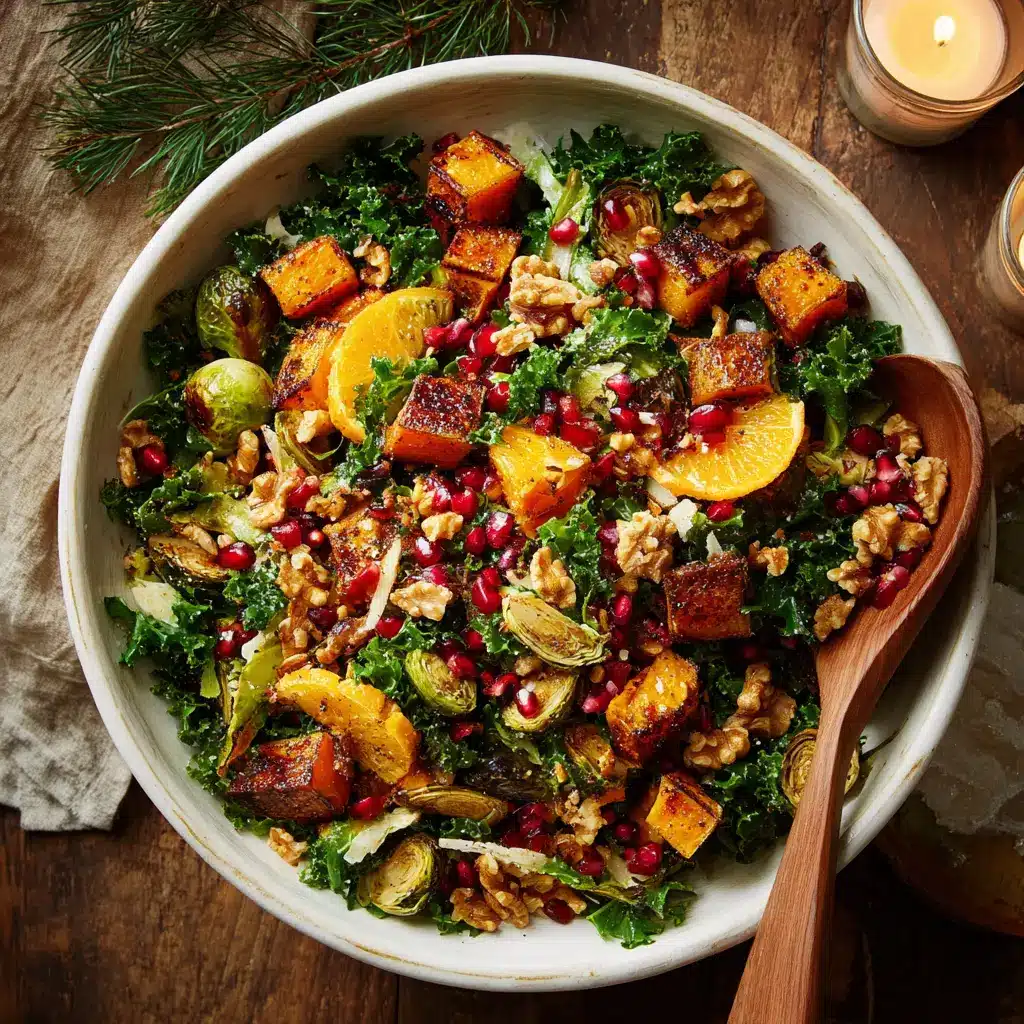
Cold weather doesn’t mean lettuce whispers and limp tomatoes. A Winter Salad can be as bold and satisfying as any hot entrée — packed with contrasting textures, concentrated flavors, and seasonally available produce. In this article I’ll show you how to construct a Winter Salad that’s hearty enough for dinner, flexible enough for weeknight assembly, and built with chef-level logic so each bite sings.
If you want ideas for other substantial salads that feel like a meal, try my take on the Big Mac Salad — it’s a useful reference for how to treat a salad as the main event.
What you’ll learn here:
- Why winter salads work (ingredient science and flavor balance)
- A complete, tested Winter Salad recipe with a recipe card
- Ingredient-by-ingredient breakdown — what to choose and why
- Step-by-step cooking method with pro tips and common mistakes
- Variations, swaps, storage, and reheating guidance
- Nutrition analysis and FAQ for quick answers
This is not a skim-and-assemble guide. My aim is to give you the tools and the reasoning so you can make dozens of winter salads with confidence.
What makes a great Winter Salad?
Winter produce tends to be denser, sweeter, and more robust than summer greens. The keys to a memorable Winter Salad:
- Texture contrast — tender greens or grains vs. crunchy nuts, seeds, or roasted vegetables.
- Flavor concentration — roasting root vegetables and caramelizing onions develop deeper, sweeter flavors.
- Bright acid — citrus, vinegars or pomegranate molasses cut through richness.
- Fat and protein — cheese, avocado, roasted nuts, or a pan-roasted chicken to turn the salad into a meal.
- Warm elements — roasted components or warm dressing to make the salad seasonally appropriate.
A Winter Salad is more about construction than a single recipe. Think of it as a formula: Base + Medium + Warm Component + Crunch + Brightness + Dressing.
Print
Chef’s Winter Salad
- Total Time: 55 minutes
- Yield: 4 servings 1x
- Diet: Vegetarian
Description
A hearty and satisfying winter salad packed with robust flavors, textures, and seasonal produce, perfect for dinner.
Ingredients
- 6 cups mixed greens (baby kale, arugula, frisée) or 3 cups cooked farro
- 1 small butternut squash (about 1 lb), peeled and cut into 1/2-inch cubes
- 12 oz Brussels sprouts, halved
- 1 small red onion, sliced into 1/4-inch wedges
- 2 tbsp olive oil for roasting
- Salt and freshly ground black pepper, to taste
- 1/2 cup pomegranate arils (or 1/4 cup dried cranberries)
- 1/2 cup toasted walnuts or pecans
- 1/4 cup crumbled goat cheese or feta
- 1 blood orange, segmented (or 2 small clementines)
- Optional: 1 cup shredded roasted chicken
Dressing (Sherry Vinaigrette):
- 3 tbsp extra virgin olive oil
- 1 tbsp sherry vinegar (or apple cider vinegar)
- 2 tsp honey or maple syrup
- 1 tsp Dijon mustard
- 1 small garlic clove, minced
- Salt and black pepper to taste
Instructions
- Preheat oven to 425°F (220°C). Line a baking sheet with parchment paper.
- Toss the butternut squash, Brussels sprouts, and red onion in 2 tbsp of olive oil, salt, and pepper, and spread on the baking sheet.
- Roast for 20-25 minutes until caramelized, flipping halfway through.
- While vegetables roast, toast walnuts or pecans in a dry skillet over medium heat for 3-5 minutes until fragrant.
- In a bowl, whisk together the vinaigrette ingredients until emulsified.
- Combine mixed greens (or cooked farro) in a large bowl with a spoonful of warm roasted vegetables to wilt.
- Assemble the salad by adding roasted veggies, pomegranate arils, nuts, citrus segments, cheese, and drizzle with dressing. Toss gently and serve immediately.
Notes
For a protein boost, add shredded roasted chicken. Best served immediately after preparation.
- Prep Time: 25 minutes
- Cook Time: 30 minutes
- Category: Salad
- Method: Roasting
- Cuisine: American
Nutrition
- Serving Size: 1 serving
- Calories: 420
- Sugar: 10g
- Sodium: 300mg
- Fat: 28g
- Saturated Fat: 6g
- Unsaturated Fat: 18g
- Trans Fat: 0g
- Carbohydrates: 32g
- Fiber: 7g
- Protein: 12g
- Cholesterol: 15mg
Keywords: winter salad, healthy salad, roasted vegetables
Ingredient breakdown — the science and the benefits
Understanding why these ingredients work together makes substitutions smarter and more creative.
Greens or grains
- Winter greens (kale, chard, mizuna, frisée): higher in fibrous cell walls (cellulose) than butter lettuce. Massage or dress with warm roasted vegetables to break down toughness — friction and heat tear cell walls, making kale more tender and less bitter.
- Grains (farro, barley): provide chew, starch, and warmth. Cooked grains absorb vinaigrette and become satisfying bases that prevent soggy leaves.
Roasted root vegetables and crucifers
- Roasting initiates Maillard reactions and caramelization: sugars and amino acids form complex aromatics and deepen flavor. Butternut squash and Brussels sprouts become sweeter and develop savory notes when roasted at high heat.
- Cut size matters: small even pieces roast more uniformly. Overcrowding the pan causes steaming, not caramelization.
Citrus and pomegranate
- Acid brightens and balances fat. Citrus segments (blood orange, grapefruit) add acidity and a burst of freshness. Pomegranate arils add a tart pop and visual interest.
- The juice also helps deglaze roasting pans — add a splash to the vinaigrette for pan-sauce flavor continuity.
Nuts and seeds
- Toasting nuts drives oil release and intensifies nutty flavor via surface browning. Toasted nuts also bring crunch to contrast roasted softness.
- Walnuts and pecans complement squash and cheese. Use neutral oil or butter for toasting depending on desired flavor.
Cheese and creamy elements
- Goat cheese, feta, or blue cheese add acidity and creaminess; they melt slightly when in contact with warm ingredients and create a luscious mouthfeel.
- For dairy-free, use smashed avocado or tahini ribbons for creaminess.
Protein options
- Roasted chicken, salmon, or chickpeas turn a salad into a complete meal. Roasted chicken shreds easily and absorbs vinaigrette; salmon brings healthy omega-3 fats.
Dressing mechanics
- Oil and acid: acid (vinegar, citrus) brightens; oil provides mouth-coating richness. The ratio is a rule of thumb — 3 parts oil to 1 part acid — but adjust to taste.
- Emulsifiers like mustard and honey stabilize dressing and help it cling to greens and grains.
Salt and heat
- Salt enhances flavors and affects texture — a light sprinkle improves roasted veg sweetness. Serving salad warm vs. cold changes perception: warmth amplifies aromatics and fat; cold emphasizes crispness and refreshment.
Step-by-step method with real cooking insights
Prep like a pro: mise en place (everything in place) saves time and ensures consistent roasting and dressing.
Step 1 — Preheat and prepare
- Preheat oven to 425°F (220°C). Use convection if available for even browning.
- Line a heavy baking sheet with parchment or use a large roasting pan. Avoid non-stick sheets at high heat; heavy metal pans promote caramelization.
Step 2 — Cut for even roasting
- Peel and cube the butternut squash into 1/2-inch pieces. Halve Brussels sprouts lengthwise to expose layers that caramelize.
- Slice the red onion into wedges so the layers separate and caramelize individually.
- Toss vegetables in 2 tbsp olive oil, 1 tsp salt, and a few grinds of pepper. Spread in a single layer, leaving space between pieces. Overcrowding leads to steaming and soft texture.
Why 425°F? Higher heat accelerates Maillard reactions. Keep an eye after 15 minutes and toss for even browning.
Step 3 — Roast
- Roast 20–25 minutes, flipping halfway. Look for deep golden edges and some darker caramelized spots. If vegetables char quickly, reduce oven temp to 400°F and extend time slightly.
- Optional: Add garlic cloves in the last 8 minutes so they soften without burning.
Step 4 — Toast nuts and prepare citrus
- While veg roast, toast nuts in a dry skillet over medium heat for 3–5 minutes until fragrant and lightly browned. Shake the pan to prevent burning. Cool and chop roughly.
- Segment blood orange or clementines over a bowl to catch juice (use for dressing if desired).
Step 5 — Make the dressing
- Whisk sherry vinegar, honey, Dijon, minced garlic, salt, and pepper. Slowly drizzle in the olive oil while whisking vigorously to emulsify. Taste — adjust acid and seasoning. Warm roasted veg will take dressing differently than cold veg; you may want slightly more acid to cut richness.
Step 6 — Combine and compose
- If using grains (farro/barley), toss with 1–2 tbsp dressing while warm so grains absorb flavor.
- For leafy base, place greens in a large bowl. Add a small spoonful of warm roasted veg so the heat wilts and softens the leaves slightly — this makes kale more tender without turning it limp.
- Add roasted vegetables, citrus segments, pomegranate arils, toasted nuts, and crumbled goat cheese.
- Drizzle dressing sparingly and toss gently to combine. Taste and adjust: more acid for brightness, more salt for depth, a drizzle of olive oil for silkiness.
Serving insight: Serve immediately if you want crispness; if you prefer melded flavors, allow the salad to rest 10–15 minutes — flavors will marry and soften.
Chef note on protein: For a robust protein option, add shredded roasted chicken. If you want more recipe ideas using chicken in salads, explore our chicken salad collection for different flavor profiles and techniques.
Tips, pro advice, and mistakes to avoid
Pro tips
- Dry the greens: Excess water dilutes dressing and makes salad soggy. Use a salad spinner and pat any remaining moisture with paper towels.
- Season each component: Salt roasted vegetables while hot, and season grains and protein separately. Layering salt increases depth.
- Double-roast for depth: Roast the vegetables at 400°F for 20 minutes, then finish under a high broil for 2–3 minutes to develop extra char and flavor — watch carefully to avoid burning.
- Balance texture: Include a crunchy element (toasted nuts, seeds, or crisp apple slices) for textural diversity.
- Temperature contrast: Serve warm roasted veg on cold greens to create a pleasing thermal contrast that feels like a winter comfort dish.
Common mistakes
- Overdressing: Add dressing gradually. Too much dressing makes the salad heavy and soggy.
- Under-roasting: Pale vegetables lack depth. You want caramelized edges and nutty aromas.
- Cutting pieces unevenly: Too-large chunks won’t roast evenly. Try to match sizes for consistent cooking.
- Serving straight from fridge: Cold protein or roasted veg straight from the fridge dulls flavors. Bring chilled components to just-cool or room temperature before assembling.
Variations + swaps
Winter salads are adaptable. Below are variations to fit dietary needs and flavor preferences.
Grain-forward Winter Salad
- Replace greens with 3 cups cooked farro or barley and toss warm roasted veg into the grain base. Add chopped parsley and lemon zest for brightness.
Mediterranean winter
- Swap pomegranate for kalamata olives, add roasted eggplant and zucchini, swap goat cheese for whipped feta, and use red wine vinegar with oregano in the dressing.
Middle Eastern flair
- Add spiced roasted carrots (cumin and coriander), swap walnuts for pistachios, include pickled shallots, and use pomegranate molasses in the dressing.
Protein swaps
- Salmon: Pan-seared or oven-roasted salmon flaked over the salad adds richness and omega-3s.
- Crispy chickpeas: Roast chickpeas at 425°F with smoked paprika for a crunchy vegetarian protein.
- For more creative salad mains that transform greens into a full meal, check out this playful Checkerboard Salad Recipe that demonstrates pattern, texture, and composition techniques applicable to winter salads.
Vegan and dairy-free
- Replace cheese with toasted hemp seeds or creamy tahini drizzle. Use maple syrup instead of honey in the dressing.
Sweet heat
- Add roasted beets and a few slices of pickled jalapeño for a sweet-heat contrast.
Build-your-own salad plate
- Prepare components separately (grains, roasted veg, greens, nuts, dressing) and let diners assemble plates — great for entertaining and dietary preferences.
Storage and reheating
Salads with roasted components store well if assembled smartly.
Storing assembled salad
- Best eaten within 24 hours.
- Keep dressing separate if possible. If already dressed, store in an airtight container in the fridge and expect the greens to soften over time.
- For grain-based salads, they keep 3–4 days refrigerated when stored in airtight containers.
Storing components
- Roasted vegetables: 3–4 days in the fridge. Reheat gently in a 375°F oven for 8–10 minutes to refresh texture, or reheat in a skillet with a splash of oil to revive caramelization.
- Toasted nuts: Store at room temp up to 2 weeks; for longer storage, refrigerate to prevent rancidity.
- Citrus segments and pomegranate: 2 days refrigerated; they lose juice and firmness over time.
- Cooked grains: 4–5 days refrigerated.
Reheating tips
- Reheat roasted veg separately until just warm. Toss warm veg into freshly dressed greens or grains right before serving. Avoid microwaving greens — they become limp and sometimes bitter.
Freezing?
- Not recommended for assembled salads. You can freeze cooked grains but roasted vegetables suffer texture loss when frozen and thawed.
Nutrition insights
A well-built Winter Salad provides a broad micronutrient profile and balanced macros.
Macronutrients (per serving, approximate)
- Calories: 380–450 depending on cheese and nuts
- Protein: 10–20 g (higher with chicken or salmon)
- Carbohydrates: 30–40 g (fiber 6–9 g)
- Fat: 25–35 g (mostly from olive oil, nuts, cheese)
Micronutrients
- Vitamin A: High (from squash and leafy greens) — supports vision and immune function.
- Vitamin C: Citrus and pomegranate provide a significant dose — important in winter immune support.
- Potassium: Squash and leafy greens are good sources — helps regulate blood pressure.
- Omega-3s: If adding salmon or walnuts — anti-inflammatory benefits.
- Fiber: Whole grains, nuts, and vegetables contribute to satiety and gut health.
Why winter salads can be more nutrient-dense than summer salads
- Winter vegetables like kale and cruciferous vegetables are often denser per gram of vitamins and phytonutrients.
- Roasting concentrates flavors and may make some nutrients more bioavailable (e.g., cooking breaks down cell walls, increasing carotenoid absorption when fat is present).
A note on calories: Nuts, seeds, cheese, and oil increase caloric density. They also increase satiety — a smaller portion may be plenty if you are watching calories.
Frequently Asked Questions (FAQ)
Q: Can I make this Winter Salad vegan? A: Yes. Replace cheese with smashed avocado or a tahini drizzle, use maple syrup instead of honey in the dressing, and add chickpeas or roasted tofu for protein.
Q: What greens are best for winter salads? A: Robust greens like kale, Swiss chard, frisée, and radicchio hold up well to warm components and hearty dressings. Baby spinach and arugula are good but more delicate.
Q: How do I prevent roasted vegetables from getting soggy? A: Roast at high heat on a single layer with enough space between pieces. Overcrowding causes steaming and sogginess. Roast until caramelized edges appear.
Q: Can I assemble this salad ahead of time? A: Prepare and store components separately. Roast vegetables and store in the fridge; toast nuts and store separately; make dressing and keep in a sealed jar. Combine just before serving for best texture.
Q: What’s the best way to toast nuts? A: Use a dry skillet over medium heat for 3–5 minutes, shaking often. Or toast in a 350°F oven for 6–8 minutes. Remove immediately once fragrant to stop browning.
Q: Why should I massage kale? A: Massaging kale with a little salt and acid helps break down cell walls and reduces bitterness, making it more tender and palatable.
Q: How can I add protein without changing the salad’s flavor profile? A: Use simply roasted chicken breast seasoned with salt and pepper, or a fillet of salmon with just salt, pepper, and lemon to keep the salad flavors intact.
Q: Is it okay to use dried cranberries instead of pomegranate arils? A: Yes — they provide sweetness and chew. Pomegranate adds fresh acidity and a burst; dried fruit contributes concentrated sweetness.
Q: How can I keep the salad from getting watery if I add citrus segments? A: Segment citrus over a bowl to capture juice; reserve the juice for the dressing. Pat the segments gently before adding to the salad.
Q: What dressing is best for winter salads? A: Robust vinaigrettes like sherry vinaigrette, mustard vinaigrette, or tahini-based dressings stand up well to roasted vegetables and hearty greens.
Putting it into practice — Weekly Winter Salad strategy
To make Winter Salads a reliable part of weeknight life:
- Roast a large batch of vegetables on Sunday (squash, Brussels sprouts, beets). Use across lunches and dinners.
- Cook a pot of farro or barley and store in the fridge. Reheat or toss warm with vinaigrette when assembling.
- Keep a jar of vinaigrette in the fridge — homemade vinaigrettes last 5–7 days refrigerated (shake before using).
- Stock toasted nuts and seeds in an airtight container to add crunch quickly.
- Use one cooked protein across meals — roast a tray of chicken thighs or bake salmon fillets to add to salads all week.
This approach reduces nightly cooking friction and lets you assemble complex salads in 10 minutes.
Conclusion
Winter Salad doesn’t mean compromise. With a clear formula and a few cook’s tricks — high-heat roasting, careful seasoning, and a bright vinaigrette — you can build salads that are warm, nourishing, and satisfying. Use roasted vegetables for depth, toasted nuts for crunch, citrus and pomegranate for brightness, and an intentional dressing to bring everything together.
Try the recipe above, or use the building blocks to create your own seasonal variations. If you prefer salads that function as full meals or want more chicken-based salad inspiration, explore the chicken salad collection linked earlier. For composition and texture ideas, the Checkerboard Salad Recipe can spark plating creativity.
Make one tonight: roast a pan of vegetables, toast a handful of nuts, whisk a quick vinaigrette, and assemble. Save this page for reference, then share the salad with friends — it’s the kind of winter dish people ask for seconds of.
Happy cooking — and may your winter salads be bold, balanced, and irresistibly satisfying.