I still remember the first time the smell of cabbage and salt filled my kitchen and wrapped itself around everyone in the house like a warm shawl. It was a chilly afternoon and my little ones clustered near the sink to watch as I rubbed the cabbage, and the sound of the leaves shifting felt like a small, happy storm. That tangy, living scent carried stories of grandmothers and long tables, and for a moment the whole house smelled like a Sunday that never ended.
Why Sauerkraut Still Feels Like Home
Sauerkraut has that quiet power to bring people together. For me, it is not just a jar on the shelf. It is the sound of my mother telling a story while she showed me how to pack the cabbage down, and it is the gentle pride when a neighbor asks to try a spoon. This simple food connects seasons and hands. It makes the ordinary into something worth sharing.
I first tried making it because I wanted my children to taste the kind of food I grew up with. They were curious, and so was I. We learned together how salt and time change a crunchy vegetable into something soft, tangy, and entirely new. Those early batches were small experiments that turned into a family ritual. Now, every fall when cabbage arrives at the market, the kitchen feels ready for company.
There is comfort in the rhythm of the work. You cut, you salt, you press, and then you wait. That waiting is not empty. It is full of little checks and tiny hopes. Each day you might lift the cloth, breathe in the change, and feel the slow promise of a good meal. That kind of slow cooking fits the way I want my family to eat and live. It teaches patience and gives back flavors that remind you to sit together.
The Story Behind Our Favorite Sauerkraut
My recipe is the kind that grew from practical needs. We wanted healthy food that keeps well, that stretches a budget, and that feeds hungry kids after a long day. My in-laws used to ferment lots of winter food, and I learned how to preserve not just a vegetable but a mood. When life felt rushed, a jar of sauerkraut anchored us.
Over the years I made small changes. I tried a few seeds here and a berry there. I learned which jars seal best and how to make sure the cabbage stays under the brine. Each change taught me something new about taste and safety. The changes added personality but kept the heart of the dish the same. It still tastes like home.
When guests come, I love to pull out a jar and watch their faces change as they take the first bite. Some pause and smile, some remember, and some are surprised that something so simple can be so bright. That bright bite is the reason I make sauerkraut regularly. It keeps us connected to our past and to each other.
“Every time I stir this pot, it smells just like Sunday at home.”
Bringing Sauerkraut Together
The making of sauerkraut has a gentle rhythm to it. You will see pale green leaves turn glossy as you work. You will hear the soft crush of cabbage as you slice and press. The kitchen will fill with a clean, salty scent that hints at the bright tang to come.
Start with a bowl big enough to hold everything. The cabbage will shrink as you massage it and it will give off liquid that becomes its own brine. As you pack the jar, watch how the juices rise and hide the cabbage. That is the reassuring sign that fermentation has a good start. Keep things simple and kind, and the process will reward you.
The first days are noisy in their own way. Tiny bubbles lift to the surface and the smell grows more complex. Then the sound quiets and the jar settles into steady work. You will taste along the way and notice how the cabbage softens and the flavor deepens. Each stage feels like a visit from an old friend, familiar and welcome.
Ingredients You’ll Need
1 medium head of green cabbage
3 tablespoons sea salt
Optional spices (e.g., caraway seeds, juniper berries)
A small side note: if you like a little extra warmth, a pinch of caraway can feel like a cozy blanket for the flavor.
A small side note: if you love a subtle floral note, a piece of apple or a few juniper berries can bring a gentle lift.
A small side note: clean jars and a cloth or fermentation lid make the process calm and steady.
Gather these items with care. Fresh cabbage will be crisp to the touch and heavy for its size. Pick clean salt without additives if you can. The optional spices are just that. They are meant to play, not to hide the cabbage. Keep the list small, and let the cabbage speak.
How to Make Sauerkraut
Remove the outer leaves of the cabbage and cut it into quarters, removing the core.
Begin with a clean surface and a sharp knife. The outer leaves often hide dust or bruises, so removing them gives you a clean start. Set one or two leaves aside for later use as a weight or top cover if you like the old-fashioned way.Finely slice the cabbage with a knife or food processor.
Aim for even, thin ribbons that will release juice more easily. You want pieces that feel silky between your fingers, not chunky. If you use a food processor, pulse gently so you do not turn it into a puree.Place the sliced cabbage in a large bowl and sprinkle with sea salt.
Spread the salt and let it sit for a few moments to begin drawing out moisture. The salt will start a quiet shushing sound as it meets the cabbage. This is the piece that helps the cabbage breathe in a new way and begin its change.Massage the cabbage for about 5-10 minutes until it starts releasing its juices.
Work with both hands and press firmly so the cabbage softens and shines. You will notice the bowl filling with pale brine that looks almost pearly. Pause and breathe in the aroma that fills your kitchen.If using, mix in any optional spices.
Now is the time to fold in caraway seeds, juniper berries, or a slice of apple if you want a bright note. Stir gently so the spices spread evenly and the cabbage stays glossy. Close your eyes and imagine the tiny bursts of flavor they will give.Pack the cabbage tightly into a clean jar or fermentation crock, ensuring it’s submerged in its juices.
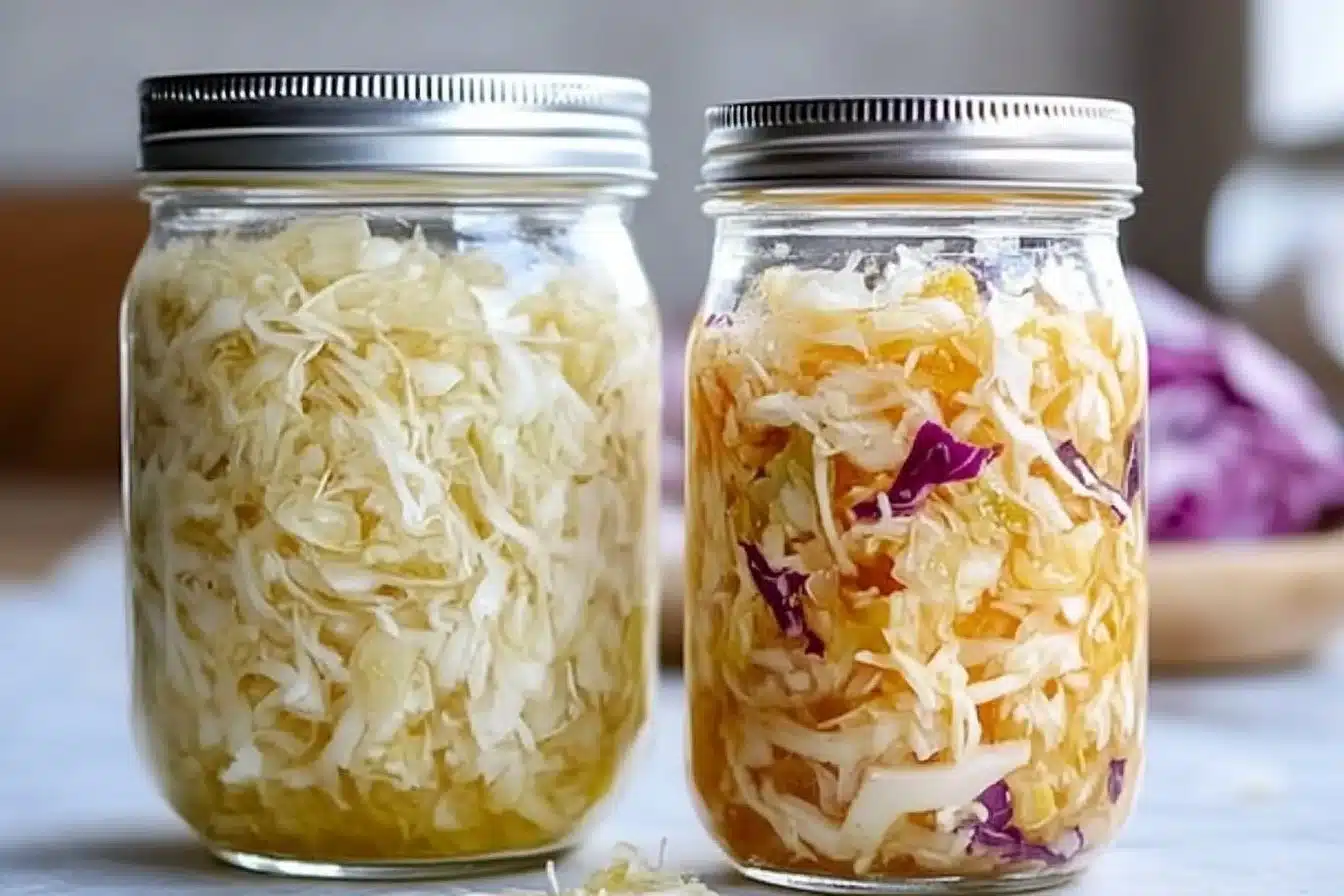
Press down firmly so no air pockets remain and the brine rises to cover the cabbage. Leave a little headspace at the top of the jar for bubbles to show up during fermentation. If needed, fold one of the reserved outer leaves over the top to help keep everything submerged.Cover with a cloth or fermentation lid and let sit at room temperature for 1-4 weeks, tasting periodically until it reaches desired fermentation.
Find a cool, stable spot away from direct sun and check on it every few days. Small bubbles may form and a gentle tang will bloom over the first week. Taste it often and trust your palate to tell you when it feels right for your family.Once fermented, store in the refrigerator.
Move the jar to the fridge to pause the fermentation when the flavor is just where you want it. The cold keeps the cabbage crisp and slows the work of the microbes. Label the jar with the date so you remember when you began.

Bringing Sauerkraut to the Table
I love serving sauerkraut in small bowls so everyone can help themselves. It pairs beautifully with roasted meats, simple sausages, and mashed potatoes. On some nights we put it on toast with a smear of butter and call it supper. There is something very family friendly about handing a jar across the table and letting each person take a taste.
For a winter dinner, I spoon warm sauerkraut next to a roast chicken and watch the steam rise. For a bright summer meal, I mix a bit into a potato salad for a tangy surprise. At brunch, a little sauerkraut beside fried eggs feels playful and hearty all at once. The ways to share it are many, and each one invites conversation.
Plating is small and sweet. Use a shallow bowl to show the texture, and add a sprinkle of fresh herbs if you want color. Let the sauerkraut be part of the plate, not the whole story. It shines best when it is shared with other simple, honest foods that welcome its bite.
How to Save the Leftovers
A jar of sauerkraut keeps its personality as it sits. Store it in the refrigerator in a sealed jar and it will stay lively for months. The flavor will mellow and deepen over time, becoming less sharp and more rounded. If you are not sure, taste a spoonful and let your nose be your guide.
When reheating, be gentle. Warm it slowly in a pan over low heat until it is just heated through. Avoid cooking it too long because that will make it lose its bright tang and soft snap. If you want it warm with butter, add the butter at the end so the flavor stays fresh and rich.
If you plan to give jars to friends, choose ones that are clean and dry and include a label with the date. A note about keeping the jar cold will feel like a small kindness. Shared jars make good neighbor gifts and start good conversations about the work that went into them.
Storing Sauerkraut for Tomorrow
To keep sauerkraut at its best, find a cool place in your refrigerator and tuck it behind larger items so it does not get knocked. A tight lid prevents stray flavors from mixing into the jar. If you make a large batch, consider dividing it into smaller jars so you do not open the whole thing at once.
If you ever see a film or a white cloud on the surface, sample below it and smell it. Often the sauerkraut underneath will be fine. If the smell is off or unpleasant, it is safest to discard. Good fermentation smells bright, a little yeasty, and clean. Trust the senses you use every day.
Label jars with the start date. That helps you track the flavor as it changes. Many people enjoy sauerkraut after a few weeks, but it will still be good months later. Each jar tells a story of time and place. Keep that story safe with a little care.
Common Questions and Troubleshooting
If your sauerkraut does not seem to ferment, check a few things first. Make sure the cabbage was salted well enough, and that it had time to release its juices. The room temperature matters. A cool room will slow things down, while a warm room will speed them up.
If the cabbage develops a funny smell or an odd color, stop and sample carefully. Some surface yeasts can appear, but often the sauerkraut inside is still fine. Remove any surface film and press the cabbage down again under the brine. When in doubt, trust a clean smell and a bright taste.
If the cabbage is too salty, add a fresh batch of shredded cabbage without salt and press it into the brine. That will dilute the saltiness and bring new life to your jar. If it is too bland, let it ferment a bit longer and taste every few days until it brightens. Little adjustments are part of the learning.
If you see bubbles that smell pleasantly tangy, celebrate. That fizz means the microbes are doing their work. If you hear popping or see exaggerated foam, check the lid or cloth. Release pressure safely and make sure the jar is in a cool place. Fermentation is lively, and it needs your small attention.
Ways to Make It Your Own
Play gently with spices. A teaspoon of caraway gives that old-world warmth. Juniper berries bring a pine brightness that pairs well with meat. A slice of apple or a strip of apple peel will add a sweet note that kids often like.
Try mixing in other vegetables for a fresh take. Thin slices of carrot give color and a soft crunch. A few slivers of onion add a sweet bite. Keep the main ratio focused on cabbage and salt so the fermentation stays steady. Small additions can change the mood but never crowd the main voice.
You can go bold and add a bit of hot pepper for a kick. Add it sparingly and taste as you go. Heat changes the way people eat the sauerkraut and can make it a central player on the table. My children loved the slightly spicy batches and would demand a spoonful at every meal.
Pairing Sauerkraut With Family Meals
Sauerkraut works with many family dinners. Tuck it beside roasted sausages or grilled pork and let the tang cut the richness. Stir a spoonful into a bean dish to add brightness and help the flavors sing together. On sandwiches, it gives a lively crunch and keeps things interesting.
For cozy nights, serve it alongside mashed potatoes and a simple gravy. The sauerkraut will bring a lift that makes the plate feel complete. For quick lunches, mix it into grain bowls with warm lentils and a drizzle of olive oil. The contrast of textures will keep everyone curious.
Kids often enjoy sauerkraut when it is introduced as part of a favorite dish rather than on its own. Try adding a small amount to their plate next to something they already love. Let them taste it in small steps and celebrate each tiny victory. The goal is to invite, not to force.
The Simple Science Behind a Deep Flavor
Fermentation might sound fussy, but it is a friendly, natural process. Salt pulls water out of the cabbage and creates an environment where helpful bacteria can thrive. These bacteria eat the natural sugars and turn them into acids that give sauerkraut its bright tang.
These acids keep the cabbage safe and give it a taste that makes your nose lift. The longer it ferments, the more complex that taste becomes. That complexity is what I find most satisfying. It feels like a conversation between time and taste.
Understanding this simple science helps you stay calm when things change. If the texture softens, the flavor concentrates. If the smell grows, it is often a sign that the jar is maturing. Keep tasting and learn to love the way small changes tell a larger story.
Tools and Tips That Make the Work Easier
A sharp knife and a sturdy bowl are worth their weight in gold. A wooden spoon can help at first, but your hands are the best tools for massaging the cabbage. Clean jars with wide mouths make packing easier. A fermentation weight or a small plate with a clean stone helps keep the cabbage under the brine.
Keep a small towel nearby for spills and a funnel for filling jars. A marker for dates will save you worries later. And remember to keep your workspace tidy as you work. A calm workspace makes the process feel gentle and welcome.
If you are new to fermentation, start small. Make one jar and keep it in a visible spot. Check it every few days and write notes about what you smell and taste. Those notes will teach you faster than any book.
Health and Comfort in a Jar
Sauerkraut is not only a flavor maker. It has a long history as a food that keeps well and brings comfort. Fermented foods can be gentle for digestion and can feel like a warm, living addition to a meal. For our family, a spoonful often feels like a small ritual that ends a busy day.
I am careful to share that fermented foods are part of a balanced diet. They are not a cure for anything, but they are a kind, tasty way to include more live food in our meals. When I give my children a spoonful, I tell them it is a food made by tiny helpers that make things taste bright.
Eating sauerkraut together teaches more than flavor. It teaches patience and care. It teaches how small daily acts can become a steady comfort. That is why I keep the jars on the shelf and the process in my routine.
A Note on Safety and Confidence
Follow clean hands and clean jars. Keep tools and surfaces tidy and use clean water. If something surprises you with an off smell or strange color, trust your senses. Fermentation should feel alive and bright, not harsh or rotten.
If you are unsure, you can always start with a small batch and learn from it. Every jar teaches something new. The more you make it, the more you will see patterns and know what to do. There is no shame in learning as you go.
Final Tips from My Kitchen
Taste early and often. Each family’s palate is different, and your perfect point might be earlier or later than mine. Keep a jar for experiments and treat each small batch as a lesson. Celebrate the jars that please everyone and laugh about the ones that go in the stew.
Share jars with friends and neighbors. The act of giving a jar is a way to share time and care. When someone brings a jar back and says they enjoyed it, you will feel the same quiet joy I do. Cooking is a way to reach out, one spoonful at a time.
Conclusion
If you want a friendly step-by-step guide that helps you see the whole process, this Daring Gourmet how-to on making sauerkraut is a warm companion that complements the notes here. For a detailed, tested recipe with a few technical notes on fermentation time and salt ratios, this Serious Eats homemade sauerkraut recipe is a trusted resource I often consult.
Print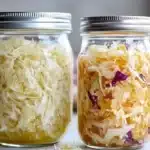
Homemade Sauerkraut
- Total Time: 4 weeks
- Yield: 4 servings 1x
- Diet: Vegan
Description
A simple and tangy homemade sauerkraut that brings warmth and connection to the kitchen.
Ingredients
- 1 medium head of green cabbage
- 3 tablespoons sea salt
- Optional spices (e.g., caraway seeds, juniper berries)
Instructions
- Remove the outer leaves of the cabbage and cut it into quarters, removing the core.
- Finely slice the cabbage with a knife or food processor.
- Place the sliced cabbage in a large bowl and sprinkle with sea salt.
- Massage the cabbage for about 5-10 minutes until it starts releasing its juices.
- If using, mix in any optional spices.
- Pack the cabbage tightly into a clean jar or fermentation crock, ensuring it’s submerged in its juices.
- Cover with a cloth or fermentation lid and let sit at room temperature for 1-4 weeks, tasting periodically until it reaches desired fermentation.
- Once fermented, store in the refrigerator.
Notes
Taste regularly to determine when fermentation is to your liking. Keep jars in a cool place and label them with the start date.
- Prep Time: 15 minutes
- Cook Time: 10 minutes
- Category: Condiment
- Method: Fermentation
- Cuisine: German
Nutrition
- Serving Size: 1/4 cup
- Calories: 50
- Sugar: 1g
- Sodium: 400mg
- Fat: 0g
- Saturated Fat: 0g
- Unsaturated Fat: 0g
- Trans Fat: 0g
- Carbohydrates: 12g
- Fiber: 3g
- Protein: 2g
- Cholesterol: 0mg
Keywords: sauerkraut, fermentation, homemade, vegan, probiotic