
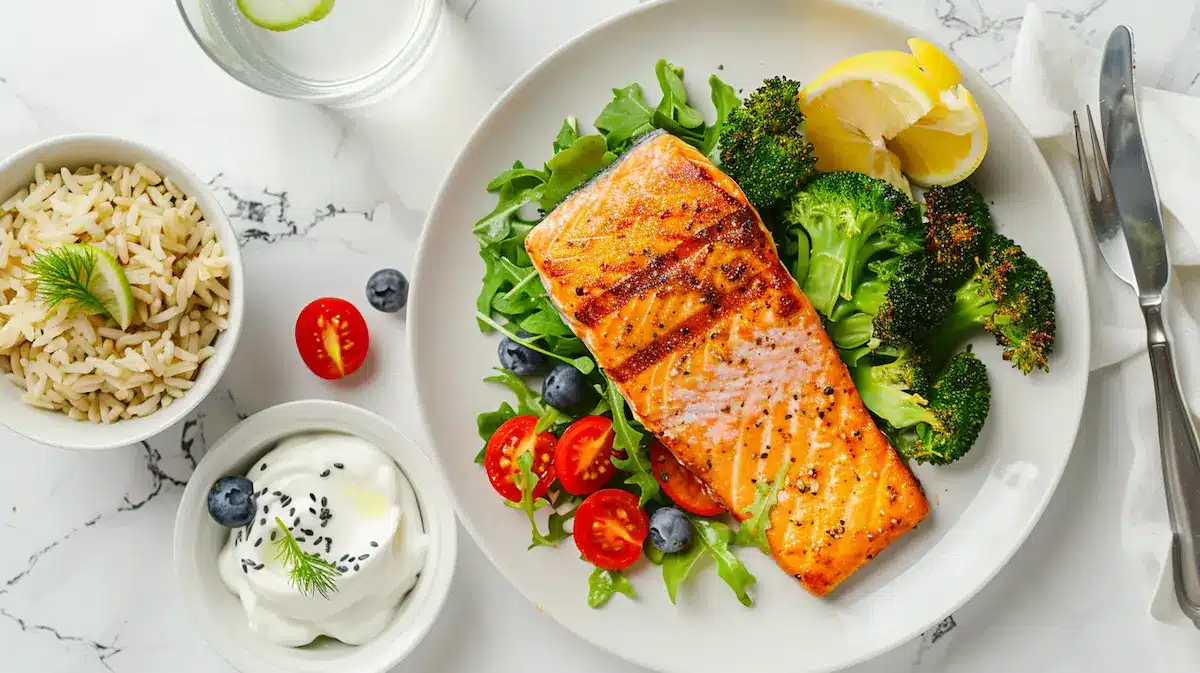
If you’ve recently started taking semaglutide (Wegovy, Ozempic, or another GLP-1 medication), you may have noticed that your appetite has changed and your usual eating routine no longer works the same way. Your body still needs high-quality nutrition, but you now have less “room” for empty calories, so every bite needs to work harder for you.
Recent clinical reviews highlight that people on semaglutide are at higher risk of under-eating protein and fiber, which can lead to muscle loss, fatigue, and digestive issues if not addressed. The good news is that with a smart plan built around high-protein, high-fiber meals and smaller, more frequent portions, semaglutide can support significant weight loss while you maintain strength and energy.
Why Your Diet Matters So Much on Semaglutide
Semaglutide slows stomach emptying and reduces appetite, which helps with weight loss but can also make it easy to undereat or choose foods that worsen nausea. Medical organizations like the World Health Organization emphasize that nutrition must be intentionally planned for people on GLP-1 medications because the margin for error is smaller once portions are reduced.
Key goals while taking semaglutide include prioritizing protein at each eating occasion, choosing fiber-rich carbohydrates, and avoiding large, heavy meals that sit in the stomach for too long. A practical target used in many clinical nutrition protocols is roughly 20–30 grams of protein at each meal plus fiber intake in the 25–35 gram per day range, adjusted for individual needs.
Core Principles of a Semaglutide-Friendly Meal Plan
A well-designed semaglutide diet centers on foods that are easy on digestion but dense in nutrition, especially protein, fiber, and healthy fats. Typical plans that work well for GLP-1 users provide around 1,500–1,800 calories for weight loss, with at least 100 grams of protein and 30+ grams of fiber per day.
Balanced meals usually pair a lean protein source with non-starchy vegetables and a moderate portion of whole-grain or legume-based carbohydrates. Because appetite can be unpredictable on semaglutide, building flexibility into your plan with interchangeable breakfasts, lunches, and dinners makes it easier to stay consistent. For quick inspiration, check out our quick and easy dinner ideas that work perfectly with this approach.
7-Day Semaglutide Recipes Diet Plan Overview
The plan below is inspired by a registered dietitian–designed GLP-1-friendly meal structure that delivers high protein and fiber while keeping preparation time manageable. Each day includes breakfast, lunch, dinner, and snacks, with many components that can be prepped ahead so you can heat, eat, and move on with your day.
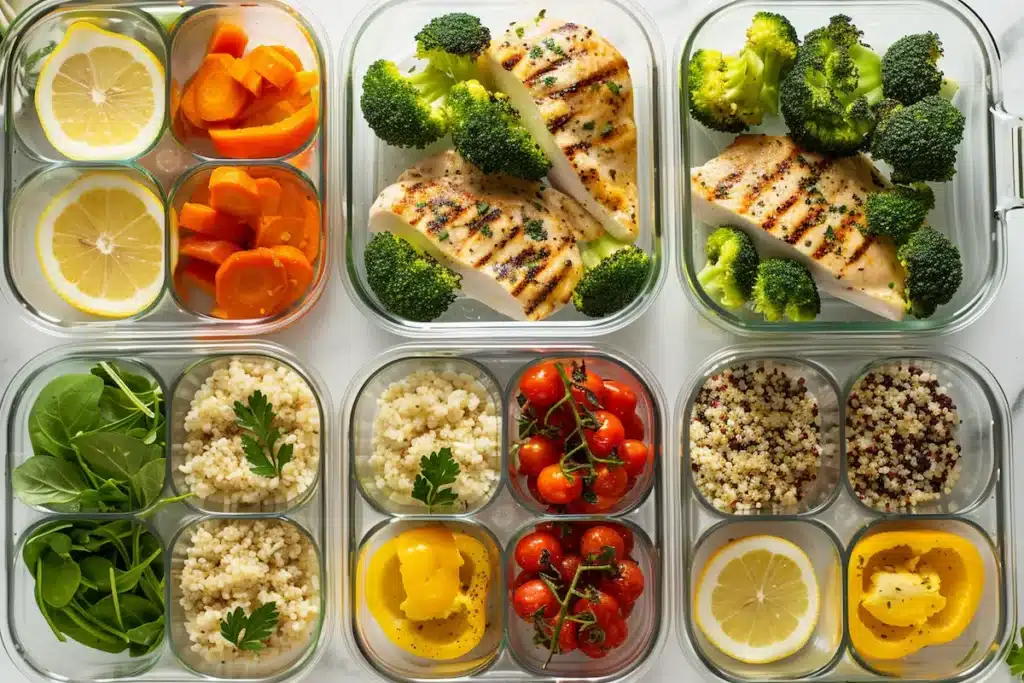
Daily calorie ranges in this type of plan typically fall near 1,800 calories, with options to gently adjust up or down by adding or removing snacks or side dishes. For most people using semaglutide for weight loss, those ranges align with common guideline-based recommendations, though exact needs should always be confirmed with a healthcare professional.
Day 1: Gentle Start With Familiar Favorites
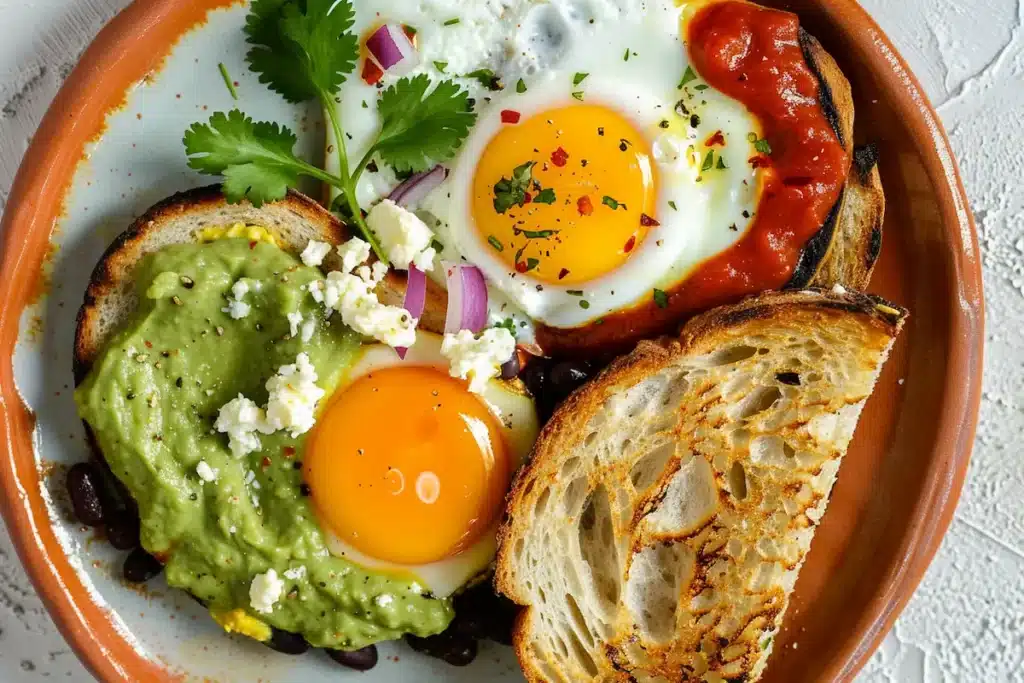
Breakfast: Huevos Divorciados–Style Eggs
- Eggs served with salsa and a small portion of beans or whole-grain toast for protein and fiber.
- This type of meal delivers a solid protein base early in the day while still feeling comforting and familiar.
Lunch: Avocado Tuna Salad with Fruit
- Tuna provides lean protein, while avocado adds healthy fats that support satiety without requiring a large volume of food.
- Pairing it with a piece of fruit such as a pear or apple adds fiber and natural sweetness.
Dinner: Creamy Chicken and Spinach Casserole
- A baked casserole with chicken and spinach offers an easy way to batch cook several portions at once.
- Serving it with a roasted vegetable side keeps carbohydrates modest and fiber high. Try our Neiman Marcus chicken casserole for a delicious variation.
Snacks: Cottage cheese with berries, strained yogurt with fruit.
On a plan like this, Day 1 typically lands close to 1,800 calories with more than 100 grams of protein and around 40 grams of fiber. This combination supports muscle maintenance and digestive health while still allowing for a calorie deficit for weight loss.
Day 2: Easy Meal Prep and One-Skillet Dinners
Breakfast: Overnight Oats with Chia Seeds and Yogurt
- Soaked oats with chia seeds provide slow-digesting carbohydrates and fiber, while Greek-style yogurt adds extra protein.
- Prepping several jars at once makes mornings almost effortless. Learn more about Greek yogurt nutrition benefits.
Lunch: Leftover Chicken Casserole with Citrus Fruit
- Reusing the previous day’s casserole reduces cooking burden and keeps protein intake consistent.
- Adding an orange or similar fruit boosts vitamin C and fiber.
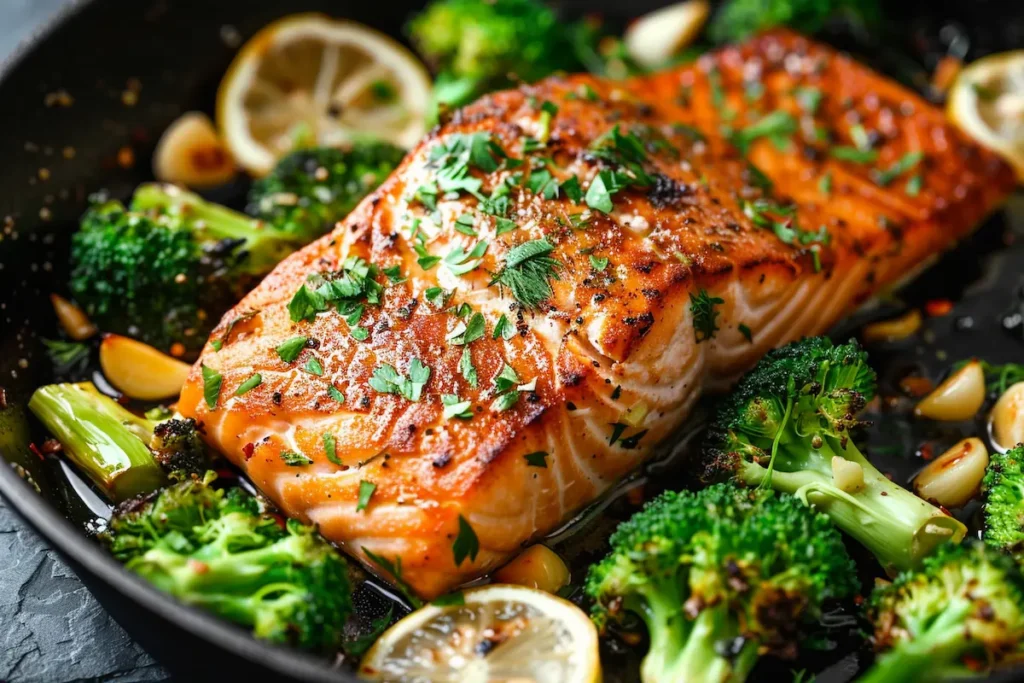
Dinner: One-Skillet Garlicky Salmon and Broccoli with Brown Rice
- Salmon delivers omega-3 fats that support heart health and may help reduce inflammation. Try our anchovy garlic butter salmon recipe for extra flavor.
- Brown rice and broccoli add long-lasting energy and extra fiber.
Snacks: Cottage cheese with berries, white bean–stuffed mini peppers, cucumber slices with yogurt-based dip.
Calorie totals remain near the 1,800 mark, and the day’s meals maintain at least 100 grams of protein with generous fiber from beans, vegetables, and whole grains. This structure aligns closely with guidance encouraging high-protein, high-fiber patterns for GLP-1 users.
Print
Semaglutide Recipes: 7-Day Diet Plan for Weight Loss Success 2025
- Total Time: 4 hours (includes refrigeration)
- Yield: 1 serving (makes 4-5 if meal prepping)
Description
High-protein overnight oats recipe perfect for semaglutide diet. This easy meal prep breakfast delivers 25g protein and 10g fiber to support muscle maintenance and digestive health while managing appetite on GLP-1 medications.
Ingredients
½ cup rolled oats
1 tbsp chia seeds
½ cup nonfat Greek yogurt
½ cup unsweetened almond milk
1 scoop vanilla protein powder (optional)
½ cup mixed berries (blueberries, strawberries)
1 tbsp sliced almonds
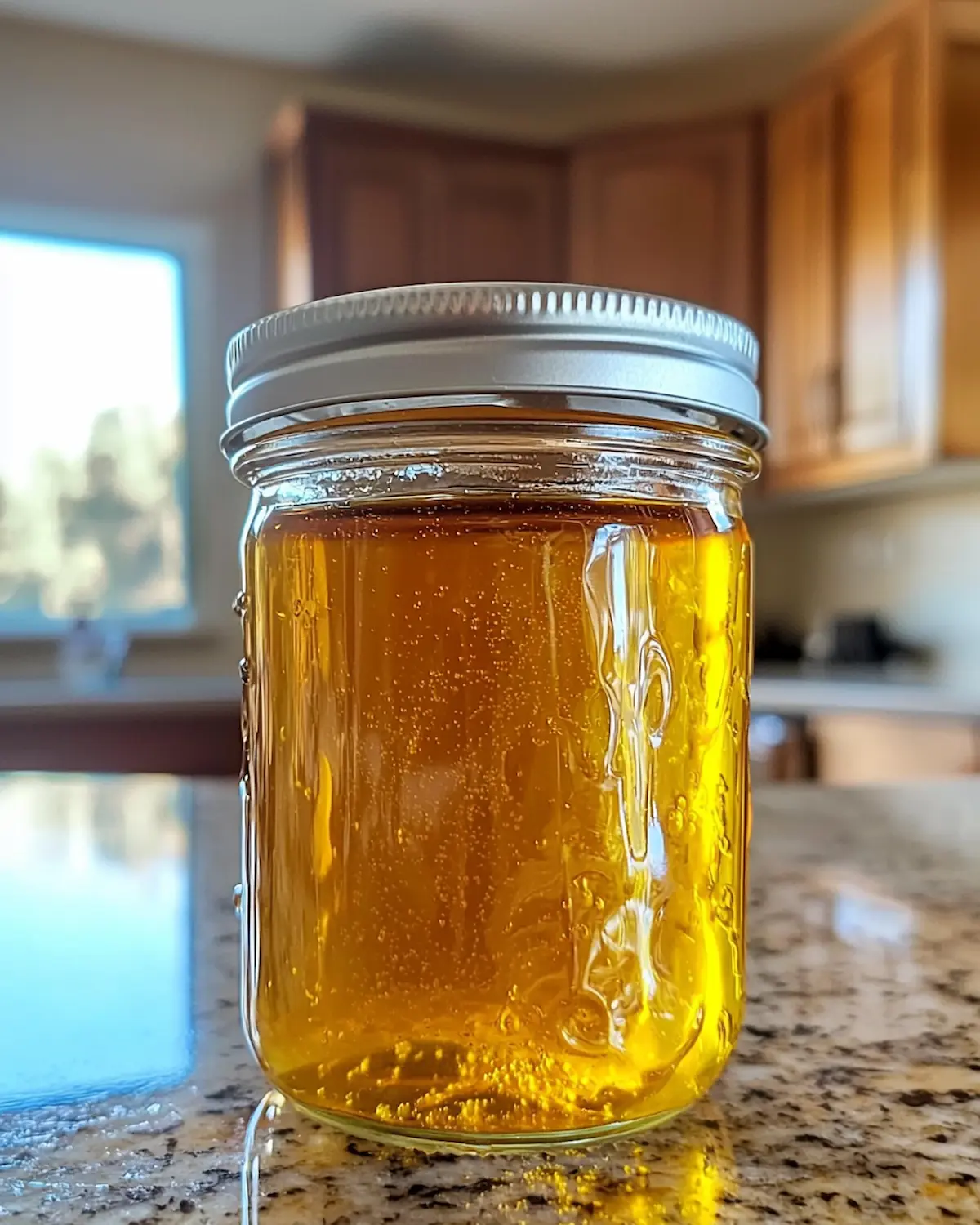
1 tsp honey or sugar-free sweetener
Pinch of cinnamon
Instructions
1. In a mason jar or container, combine rolled oats, chia seeds, and cinnamon.
2. Add Greek yogurt, almond milk, and protein powder (if using). Stir until well combined.
3. Cover and refrigerate overnight (or minimum 4 hours).
4. In the morning, stir the mixture and add more liquid if too thick.
5. Top with fresh berries, sliced almonds, and drizzle of honey.
6. Enjoy cold or warm in microwave for 30-45 seconds if preferred.
Notes
Make 4-5 jars on Sunday for easy grab-and-go breakfasts all week.
Protein powder is optional but helps reach daily protein targets on semaglutide.
Chia seeds expand and create a pudding-like texture while adding omega-3s and fiber.
Greek yogurt adds probiotics to support gut health during GLP-1 therapy.
This recipe aligns with Days 2-5 of the 7-day semaglutide meal plan.
For 1,500 calorie plan: omit protein powder and reduce almonds to 1 tsp.
For 2,000 calorie plan: add ¼ cup additional almonds and 1 tbsp almond butter.
- Prep Time: 5 minutes
- Cook Time: 0 minutes (overnight soak)
- Category: Breakfast, Meal Prep
- Method: No-Cook, Refrigerate
- Cuisine: American, Health & Wellness
Nutrition
- Serving Size: 1 jar (approximately 1.5 cups)
- Calories: 452
- Sugar: 12g
- Sodium: 85mg
- Fat: 11g
- Saturated Fat: 1g
- Unsaturated Fat: 9g
- Trans Fat: 0g
- Carbohydrates: 52g
- Fiber: 10g
- Protein: 25g
- Cholesterol: 5mg
Keywords: semaglutide breakfast, overnight oats, high protein breakfast, GLP-1 friendly, meal prep breakfast, weight loss breakfast, ozempic breakfast ideas
Day 3: High-Flavor Bowls With Balanced Carbs
Breakfast: Overnight Oats with Added Nuts
- Chopped almonds or other nuts add crunch, healthy fat, and a little extra protein to the oat base.
- This kind of breakfast is easy to tolerate even on low-appetite days.
Lunch: Chicken Casserole with Fruit
- Simple, predictable meals help reduce decision fatigue and support long-term adherence to the plan.
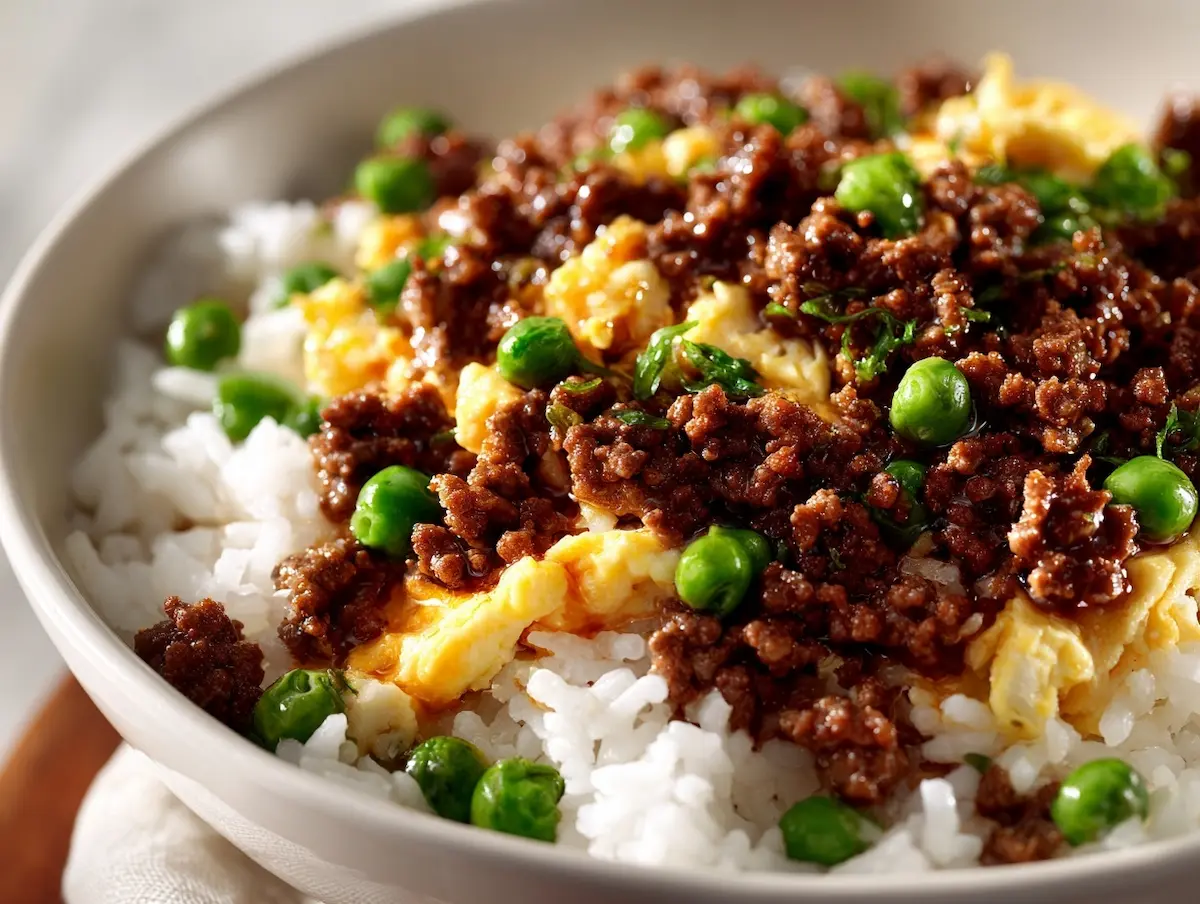
Dinner: Quick Gochujang-Style Pork and Rice Bowls
- Lean pork provides protein, while a modest portion of rice keeps carbohydrates controlled. Try our gochujang chicken recipe for a similar flavor profile.
- Using bold flavors means you can be satisfied with smaller portions because each bite is more satisfying.
Snacks: Cottage cheese with berries, white bean–based snacks, a small portion of nuts.
Totals again hover around 1,800 calories, with protein and fiber kept in the same beneficial ranges as the prior days. Rotating flavors like this helps prevent boredom while still working within a structured framework.
Day 4: Plant-Forward Comfort
Breakfast: Overnight Oats with Yogurt
- Keeping breakfast similar from day to day simplifies planning while ensuring consistent nutrients.
Lunch: Chicken Casserole with Citrus
- By this point in the week, the large batch of casserole is finished, and you’ve benefited from several low-effort lunches.
Dinner: White Bean Enchilada Skillet with Cauliflower Rice
- Beans add plant-based protein and fiber, and using riced cauliflower instead of a large portion of tortillas keeps carbohydrate intake reasonable.
- This dish is also ideal for saving extra servings for later in the week.
Snacks: White bean–stuffed peppers, yogurt with berries and chia, a small handful of nuts.
Registered dietitians frequently use this kind of pattern to gradually shift people toward more plant-based, higher-fiber dinners without sacrificing protein. Because GLP-1 medications can worsen GI symptoms when portions are too large, this approach keeps volume moderate while nutrient density stays high.
Day 5: Seafood and Kale for Weekend Energy
Breakfast: Overnight Oats with Yogurt
- The repeated base keeps morning choices simple, which is helpful when medication reduces your interest in food.
Lunch: Leftover White Bean Skillet with Raw Vegetables
- Serving the bean dish with sliced peppers or similar vegetables adds crunch and extra fiber for very few calories.
Dinner: Creamy Lemon Pasta with Shrimp and Kale Salad
- Shrimp offers lean protein, and pairing it with a kale salad boosts mineral intake and phytonutrients. Our Turkish pasta recipe offers another Mediterranean-inspired option.
- Using a moderate portion of pasta keeps the meal satisfying but still compatible with weight loss goals.
Snacks: Cottage cheese with berries, bean-based snacks, fermented dairy like kefir.
Fermented dairy can support gut health, which is especially relevant when medications and dietary changes alter digestion. Overall daily energy, protein, and fiber levels remain aligned with the earlier days to maintain consistency while still changing flavors.
Day 6: Broth-Based Comfort and Crunchy Sides
Breakfast: Huevos Divorciados–Style Eggs
- Returning to a higher-protein egg breakfast adds variety at the end of the week.
Lunch: Leftover White Bean Skillet with Pepper Slices
- Repetition of a well-tolerated lunch further simplifies the plan and uses up all prepped food efficiently.
Dinner: Chicken and Kale Soup with Whole-Grain Bread and Salad
- Broth-based soups are commonly recommended for GLP-1 users because they are easier on the stomach and help with hydration. Try our low-sodium chicken noodle soup for another comforting option.
- A small slice of whole-grain bread adds controlled carbohydrates without overloading the meal.
Snacks: Nuts, yogurt with fruit and chia jam, bean-based snacks.
This day often trends toward the higher end of the fiber range thanks to beans, kale, and seeds, which can be helpful for constipation as long as hydration is adequate. At the same time, protein remains well above 100 grams, supporting muscle preservation during weight loss.
Day 7: Plant-Forward Finish
Breakfast: Huevos Divorciados–Style Eggs
- Repeating satisfying, protein-rich breakfasts helps reinforce a dependable morning routine.
Lunch: Chicken and Kale Soup with Fruit
- Combining a warm, savory soup with naturally sweet fruit keeps lunch light but still nourishing.
Dinner: Creamy Garlic-Parmesan Butter Beans
- Butter beans offer substantial fiber and plant-based protein, making them ideal for a semaglutide-friendly dinner.
- When prepared with a flavorful but moderate sauce, they feel comforting without being overly heavy.
Snacks: Cottage cheese with berries, nuts, vegetable slices with yogurt-based dip.
Finishing the week with a plant-forward day supports metabolic health and helps many people feel lighter and more energized as they continue their semaglutide journey. Because the pattern is flexible, you can repeat your favorite days or swap breakfasts and lunches across the week based on preference. For more weight loss meal ideas, explore our smoothie weight loss diet plan.
Best Semaglutide Recipes and Foods to Eat While Taking GLP-1 Medication
Healthcare organizations consistently recommend focusing on lean proteins, high-fiber carbohydrates, non-starchy vegetables, and modest amounts of healthy fats while on semaglutide. These foods help stabilize blood sugar, support gut health, and provide lasting fullness even when portion sizes are small.
- Lean proteins: Chicken breast, turkey, fish, eggs, Greek yogurt, cottage cheese, tofu, beans, and lentils.
- High-fiber carbohydrates: Oats, quinoa, brown rice, whole-grain bread, beans, lentils, berries, apples, and leafy greens.
- Healthy fats: Avocado, olive oil, nuts, and seeds in small portions to support satiety and hormone health.
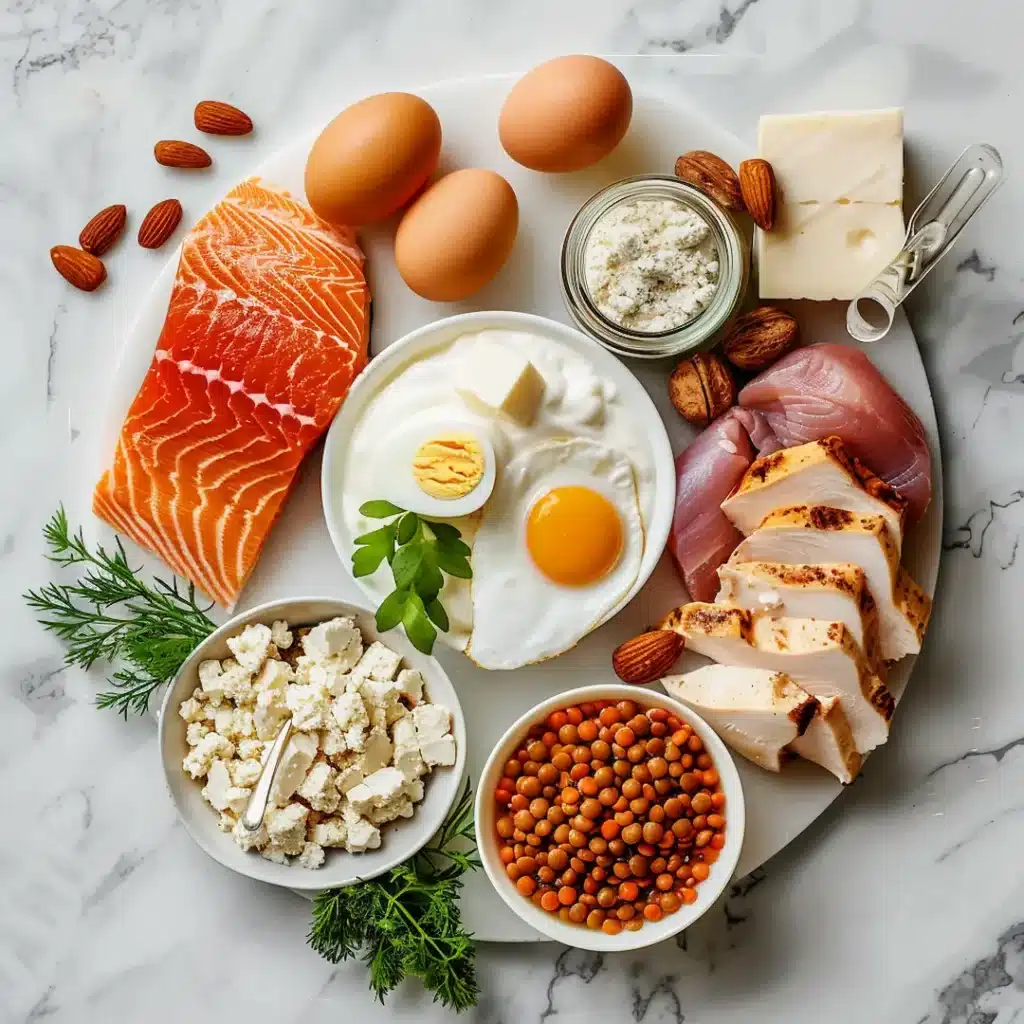
In practice, this means building your plate around a palm-sized portion of protein, a generous serving of non-starchy vegetables, and a small portion of whole-grain or legume-based carbohydrates. Starting meals with protein and vegetables first, then moving to carbohydrates, often helps manage blood sugar and appetite more effectively.
The 3-3-3 Rule for Weight Loss and How It Fits With Semaglutide
The 3-3-3 rule is an easy-to-remember pattern sometimes used in weight management: three meals, three snacks, roughly every three hours. While not a formal medical guideline, this structure naturally supports smaller, more frequent meals, which is precisely what many GLP-1 clinicians recommend.
On semaglutide, this might look like breakfast, a mid-morning snack, lunch, an afternoon snack, dinner, and an optional light snack if hunger returns in the evening. Spacing intake every few hours prevents long stretches without nutrition and helps reduce the risk of nausea that can occur with very large, infrequent meals.
What to Avoid or Limit With Semaglutide
Official and expert resources emphasize that certain foods and drinks can worsen semaglutide side effects or undermine weight loss progress. These are not always strict “never” foods, but they are often best reduced or reserved for special occasions.
- Greasy, fried foods: These are more likely to trigger nausea, heartburn, and a heavy, uncomfortable feeling due to delayed gastric emptying.
- Highly processed sugary foods: Candy, sweetened drinks, and pastries can spike blood sugar and add calories without meaningful nutrition.
- Excessive alcohol: Alcohol can aggravate nausea, interfere with blood sugar control, and add significant calories.
- Large, high-volume meals: Big restaurant-style portions are especially problematic because semaglutide already slows digestion.
- Carbonated drinks for some people: Bubbles can increase bloating and discomfort when the stomach empties more slowly.
Regarding interactions, people using semaglutide alongside other diabetes medications or blood pressure drugs should work closely with their prescriber because dose adjustments may be needed according to FDA guidelines. Pharmacologic references also advise caution with medications that irritate the stomach or affect fluid balance, though specific changes should always be individualized by a clinician.
How to Support and Speed Healthy Weight Loss on Semaglutide
Long-term trials show that semaglutide can lead to substantial weight loss for many people, but lifestyle factors still play a major role in overall results. People who combine medication with structured nutrition, movement, and behavior changes generally maintain more of their weight loss over time.
- Hit your protein target: Many experts suggest at least 1.2 grams of protein per kilogram of body weight per day to protect lean mass.
- Lift something regularly: Two to three sessions of resistance training per week help preserve or build muscle while the scale goes down.
- Prioritize sleep: Getting 7–9 hours per night supports appetite regulation and improves energy for activity.
- Stay hydrated: Adequate fluid intake helps manage constipation and can reduce feelings of “false hunger.” Try our healthy watermelon gummies for a hydrating snack.
- Increase fiber gradually: Moving toward 30–40 grams of fiber per day is helpful, but increasing too quickly can cause bloating.
- Eat mindfully: Eating more slowly gives fullness signals time to catch up, which is important since semaglutide changes appetite cues.
Large follow-up studies demonstrate that a significant proportion of people on semaglutide reach at least 5–10 percent weight loss when medication is combined with structured lifestyle changes. However, responses vary, and the goal is sustainable progress rather than chasing rapid drops at any cost. For additional support, check out our Zepbound recipes for weight loss.
Example Semaglutide Sample Menu for One Day
To see how all of this translates into a real day of eating, here is an example that sits close to 1,800–1,900 calories with high protein and fiber. Portions should be adjusted based on individual energy needs and medical guidance.
Morning
- Breakfast: Two scrambled eggs with spinach and a sprinkle of cheese, one slice of whole-grain toast, half a cup of berries, and black coffee or matcha tea.
- Mid-morning snack: Cottage cheese with a small handful of berries.
Midday
- Lunch: Tuna salad made with yogurt instead of heavy mayonnaise, served over mixed greens with a side of fruit such as an apple.
- Afternoon snack: A small portion of nuts and a piece of fruit, or try our pistachio ganache in moderation.
Evening
- Dinner: Baked salmon, roasted broccoli and cauliflower, and a modest serving of brown rice or quinoa.
- Optional evening snack: Plain Greek yogurt with a drizzle of honey if hunger returns later.
This pattern mirrors the structure of the 7-day plan: strong protein at every meal, fiber from fruits, vegetables, and whole grains, and modest healthy fats throughout the day. It is flexible enough to accommodate personal preferences while still honoring the principles that support semaglutide’s benefits.
Practical Meal Prep on Semaglutide Tips
Because appetite can fluctuate on semaglutide, meal prep works best when it focuses on versatile basics rather than rigidly assembled meals. Having cooked proteins, grains, and chopped vegetables ready makes it easy to assemble smaller plates as hunger allows.
- Cook a batch of lean protein such as chicken, turkey, tofu, or beans at the start of the week.
- Prepare a pot of whole grains like brown rice or quinoa and portion it into small containers.
- Wash and chop vegetables so they are ready for roasting or quick salads.
- Portion snacks like nuts, berries, and yogurt so you can grab and go without overeating.
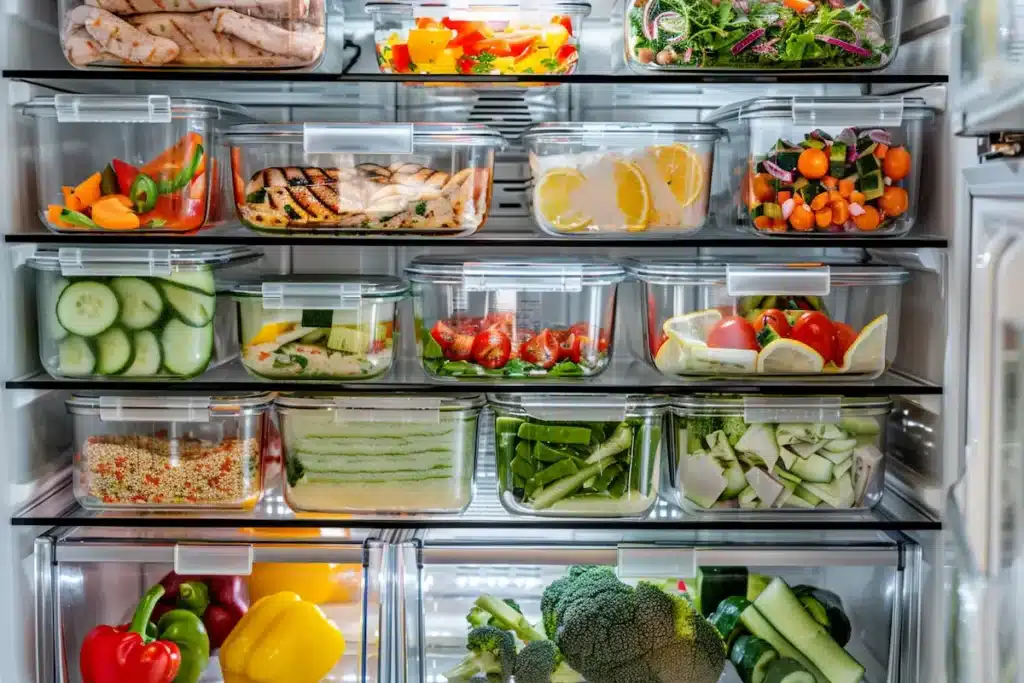
Many GLP-1 users find that glass containers labeled with dates and basic nutrition info help them stay organized and reduce waste. Adjusting meal prep volume as you learn how your appetite behaves on your current dose is also important, especially during dose changes. For inspiration, try our portable sushi cups for easy meal-prep lunches.
Frequently Asked Questions About Semaglutide Diets
What’s the best thing to eat while on semaglutide?
The best choices are meals and snacks that provide substantial protein and fiber in a relatively small volume, such as eggs with vegetables, Greek yogurt with berries, chicken or fish with non-starchy vegetables, and bean-based soups. These foods help you feel satisfied, protect muscle mass, and support steady blood sugar without relying on large portions.
What is the 3-3-3 rule for weight loss?
The 3-3-3 rule is a simple framework some people use to structure their day as three meals and three snacks spaced about three hours apart. While it is not a formal medical guideline, this pattern fits well with semaglutide because it naturally leads to smaller, more frequent eating occasions that are easier for the stomach to handle.
What should I avoid mixing with semaglutide?
From a food perspective, it is wise to limit very greasy, fried meals, heavy cream-based dishes, sugary drinks, and large portions of highly processed foods, because these can aggravate nausea, reflux, and blood sugar swings. Regarding medications and supplements, potential interactions depend on your individual regimen, so pharmacists and prescribers generally recommend reviewing all diabetes, blood pressure, and stomach medications before and during semaglutide use.
How can I support faster, healthy weight loss on semaglutide?
The safest way to accelerate progress is to combine semaglutide with consistent high-protein eating, regular resistance and light aerobic activity, quality sleep, and good hydration, rather than drastically cutting calories. Studies tracking people over many months show that this combined approach leads to higher odds of meaningful weight loss and better maintenance after the initial treatment period.
Moving Forward With Confidence on Semaglutide
Semaglutide can be a powerful tool, but your daily food choices still shape your energy, strength, digestion, and long-term results. By centering your meals around lean protein, fiber-rich carbohydrates, and smaller, more frequent portions, you give the medication the best environment to work while protecting your overall health.
Use the 7-day structure here as a starting point, then customize it with recipes and flavors you genuinely enjoy so that the way you eat feels realistic for the long haul. If you have medical conditions like diabetes, kidney disease, or heart disease, always review any new meal plan with your healthcare team to ensure it matches your specific needs. Explore more healthy options in our Japanese Mounjaro recipe collection for additional inspiration.








3 thoughts on “Semaglutide Recipes: 7-Day Diet Plan for Weight Loss Success 2025”