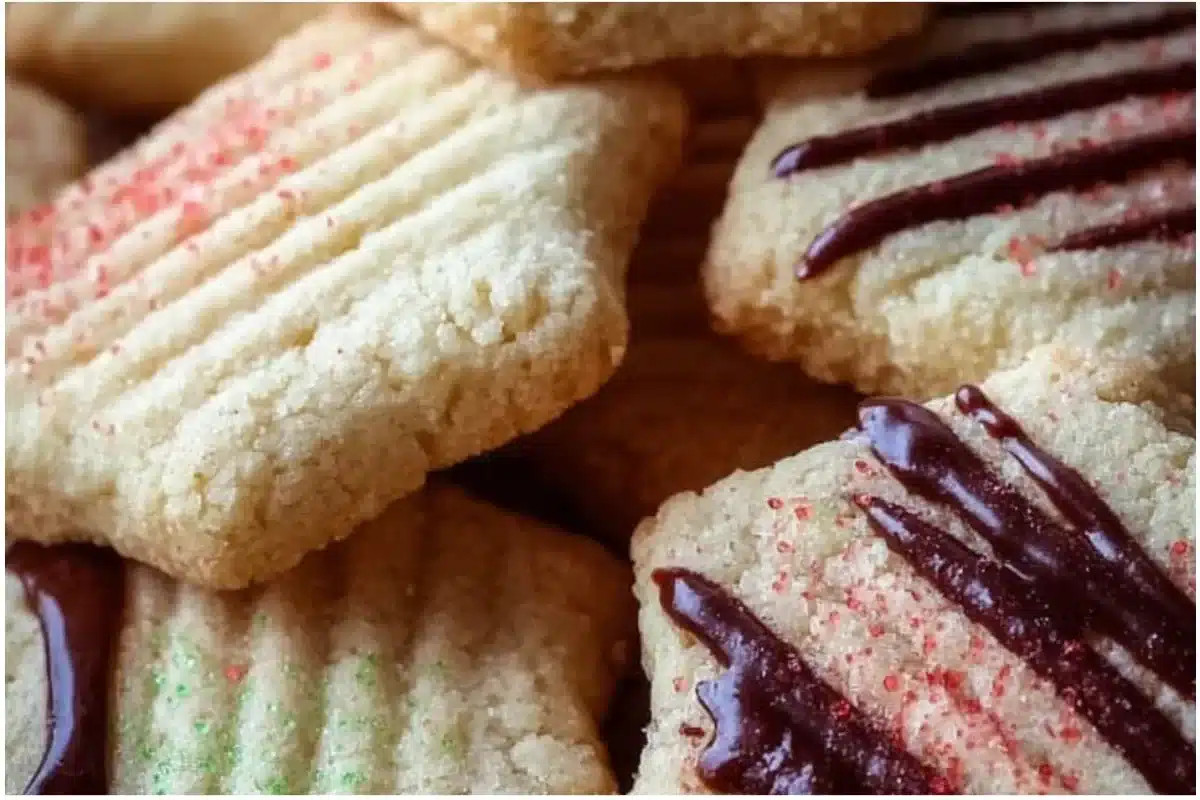
Baking can often evoke warm memories of love, laughter, and family bonding, especially when it comes to cherished recipes passed down through generations. One such recipe that holds a special place in many hearts is Grandma’s Shortbread Cookies. Light, buttery, and just sweet enough, these cookies are a timeless treat perfect for any occasion—from holiday gatherings to casual afternoon snacks.
In this article, we’ll take a deep dive into everything you need to know about Grandma’s Shortbread Cookies. By the end, not only will you be equipped with a classic recipe, but you will also understand the science behind its ingredients, discover tips from seasoned bakers, and get to know different variations of this beloved cookie that you can experiment with. So roll up your sleeves and let’s bake!
The History & Tradition of Shortbread
Shortbread cookies date back to 16th century Scotland, where they were first made with leftover dough from bread. They evolved over time into a more refined treat, utilizing wheat flour, sugar, and butter—a combination still beloved today. Traditionally enjoyed with tea, shortbread cookies have a rich history of being served at celebrations and holidays, often including family stories that intertwine with their production.
In many households, especially during the holiday season, shortbread cookies are a staple. Grandma’s Shortbread Cookies not only offer unrivaled flavor, but they also whisk us away to simpler times when family recipes were nurtured and shared.
The Simple Ingredients Breakdown
Butter
Butter is the star of this shortbread cookie recipe. The quality of the butter directly influences the flavor and texture of your cookies. Using real butter will provide a rich flavor that is essential to the cookie’s melt-in-your-mouth texture. For the best results, consider using unsalted butter; this allows you to control the amount of salt in your cookies.
Flour
All-purpose flour is commonly used in shortbread. It creates a tender crumb, allowing the cookies to maintain their shape while baking. Some recipes may recommend cake flour for an even lighter texture, or a mix of whole wheat flour for a healthy twist.
Sugar
Granulated sugar is usually the sweetener of choice in shortbread cookies. Its fine grains help dissolve smoothly into the dough, which contributes to the cookie’s tender texture. You can also use powdered sugar for a slightly different sweetness level and texture.
Salt
Though recipes may seem simple, a pinch of salt enhances the overall flavor profile of the cookies. It balances the sweetness and highlights the richness of the butter.
Print
Grandma’s Shortbread Cookies
- Total Time: 35 minutes
- Yield: 24 cookies 1x
- Diet: Vegetarian
Description
Light, buttery, and just sweet enough, Grandma’s Shortbread Cookies are a timeless treat perfect for any occasion.
Ingredients
- 1 cup unsalted butter, softened
- 1/2 cup granulated sugar
- 2 cups all-purpose flour
- 1/4 teaspoon salt
- 1 teaspoon vanilla extract (optional)
Instructions
- Preheat oven to 350°F (175°C). Line a baking sheet with parchment paper.
- Beat softened butter and sugar until light and fluffy.
- Mix in vanilla extract if using.
- Gradually add flour and salt; mix until combined.
- Shape the dough into a log and refrigerate for 30 minutes.
- Cut into 1/4-inch slices and bake for 15-20 minutes, until edges are lightly browned.
- Cool on a wire rack and enjoy.
Notes
Don’t overmix the dough and ensure your butter is at room temperature for the best texture.
- Prep Time: 15 minutes
- Cook Time: 20 minutes
- Category: Dessert
- Method: Baking
- Cuisine: Scottish
Nutrition
- Serving Size: 1 cookie
- Calories: 175
- Sugar: 6g
- Sodium: 40mg
- Fat: 10g
- Saturated Fat: 6g
- Unsaturated Fat: 4g
- Trans Fat: 0g
- Carbohydrates: 17g
- Fiber: 0g
- Protein: 2g
- Cholesterol: 30mg
Keywords: shortbread, cookies, baking, dessert, family recipe
Grandma’s Shortbread Cookies Recipe
Here’s a classic recipe that promises to capture the essence of your grandma’s kitchen.
Ingredients
- 1 cup unsalted butter, softened
- 1/2 cup granulated sugar
- 2 cups all-purpose flour
- 1/4 teaspoon salt
- 1 teaspoon vanilla extract (optional)
Directions
Preheat the Oven: Start by preheating your oven to 350°F (175°C). Prepare a baking sheet by lining it with parchment paper.
Cream the Butter and Sugar: In a large mixing bowl, beat the softened butter and sugar together. Beat until the mixture is light and fluffy, which usually takes about 2 to 3 minutes.
Add Vanilla (optional): If you’re opting to enhance the flavor, mix in the vanilla extract at this stage.
Incorporate Dry Ingredients: Gradually sift in the flour and salt. Mix on low speed until just combined. The dough should start to form but remain crumbly.
Form the Dough: Use your hands to gently knead the dough until it comes together completely, ensuring not to overwork it.
Shape the Cookies: Roll the dough into a log about 2 inches in diameter. Wrap in plastic wrap and refrigerate for at least 30 minutes. This helps maintain the shape while baking.
Cut and Bake: Remove the dough from the refrigerator and slice it into 1/4-inch thick rounds. Place them on the prepared baking sheet, leaving space in between as they may spread slightly.
Bake: Bake in the preheated oven for about 15-20 minutes until the edges are lightly browned.
Cool and Serve: Allow the cookies to cool on the baking sheet for a few minutes before transferring them to a wire rack. Once completely cool, enjoy or store for later!
Tips for Perfect Shortbread Cookies
Don’t Overmix: When flour is added to the dough, mix just until combined. Over-mixing causes gluten to develop, leading to tougher cookies.
Chill the Dough: As mentioned, chilling the dough helps it hold its shape in the oven. It also enhances flavors as the ingredients meld together.
Use a Scale: For greater accuracy, measuring your ingredients by weight can ensure consistent results every time you bake.
Bake in Batches: If you are making multiple trays, bake them one at a time for even cooking. Rotate them halfway through baking to ensure uniformity.
Common Mistakes to Avoid
Skipping Room Temperature Butter: Ensure your butter is at room temperature. Cold butter won’t incorporate well, affecting the cookie’s texture.
Ignoring Oven Temperature: Always preheat your oven. Baking at the incorrect temperature can lead to cookies that are underbaked or too dry.
Not Monitoring Bake Time: Keep a close eye on the cookies as they bake. They will transition from light to golden quickly, and over-baking can lead to a dry cookie.
Variations and Swaps
Add-Ins: You can mix in chocolate chips, dried fruits, or chopped nuts for added texture and flavor.
Flavored Shortbread: Experiment by adding lemon zest, almond extract, or even herbal elements like rosemary for a unique twist.
Dipping: After baking, dip half of the cooled cookie in melted chocolate for an elegant touch.
Gluten-Free Option: Substitute all-purpose flour with a gluten-free flour blend to make these cookies gluten-free, and ensure you choose a blend that contains xanthan gum for binding.
Sugar Alternatives: For a healthier version, consider using coconut sugar or a sugar substitute, but be aware that it will change the texture slightly.
Storage & Reheating
Shortbread cookies can be stored in an airtight container at room temperature for up to a week. For longer storage, you can freeze them for up to three months. If frozen, let them thaw at room temperature before serving.
To enjoy them warm, pop them in a preheated oven for about 5 minutes.
Nutritional Insights
While shortbread cookies are undoubtedly a treat, they contain ingredients that can be a part of a balanced diet. Real butter contributes to a good source of fat, while using high-quality flour can help provide necessary carbohydrates. Keep an eye on portion sizes to treat yourself without overindulging. Additionally, consider adding nuts or seeds for some protein and healthy fats.
Frequently Asked Questions
Can I replace butter with margarine?
While margarine can be used, it will affect the cookie’s flavor and texture. Real butter gives shortbread its characteristic richness and flaky texture.
Do I really need to chill the dough?
Chilling the dough prevents the cookies from spreading too much while baking, maintaining their shape and texture.
How can I make my shortbread cookies thicker?
If you prefer thicker cookies, you can slightly increase the flour amount, or keep the dough in the refrigerator longer to firm it up before slicing.
Can I use a cookie cutter for these cookies?
Absolutely! You can roll out the dough to about 1/4 inch thick and use cookie cutters to create different shapes. Just ensure you refrigerate the rolled-out dough beforehand to keep its shape.
What if my cookies are too crumbly?
If the dough seems too crumbly to hold together, try adding a teaspoon of water or an extra tablespoon of butter to bring it back together.
Conclusion
There you have it: Grandma’s Shortbread Cookies—a nostalgic and classic recipe that brings the warmth of home into your kitchen. The beauty of this cookie lies in its simplicity, allowing you to easily tailor it to your tastes and preferences. This is more than just a recipe; it’s a way to connect with your loved ones, share stories, and indulge in the timeless tradition of baking.
So, gather your ingredients, preheat that oven, and enjoy the glorious aroma wafting through your home as you bake these delightful treats. Remember, every bite of these cookies is a bite of history and love, so don’t hesitate to share them with others or pass them down to the next generation.
When you try this recipe, share your experience and photos with us! Find more delicious recipes like Grandma’s Shortbread Cookies on WeCookRecipe.com for endless inspiration in the kitchen.