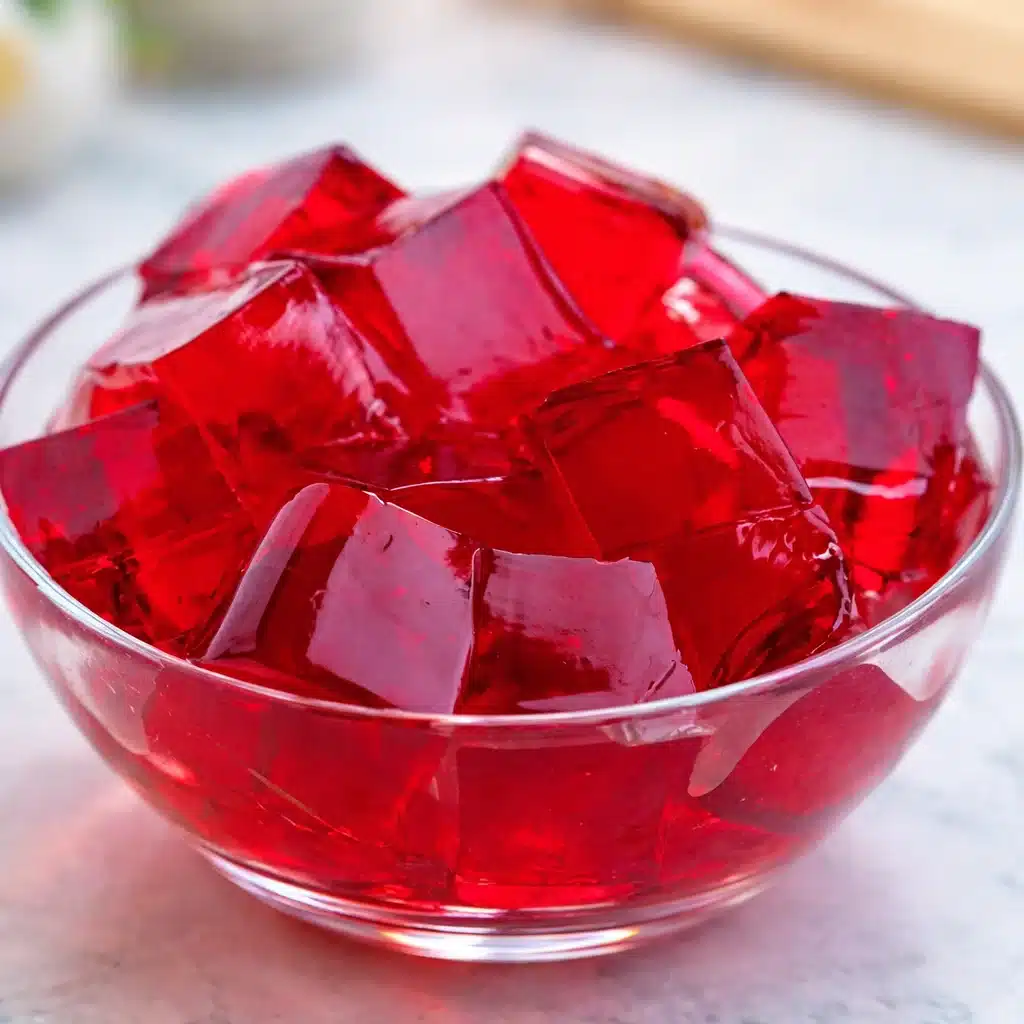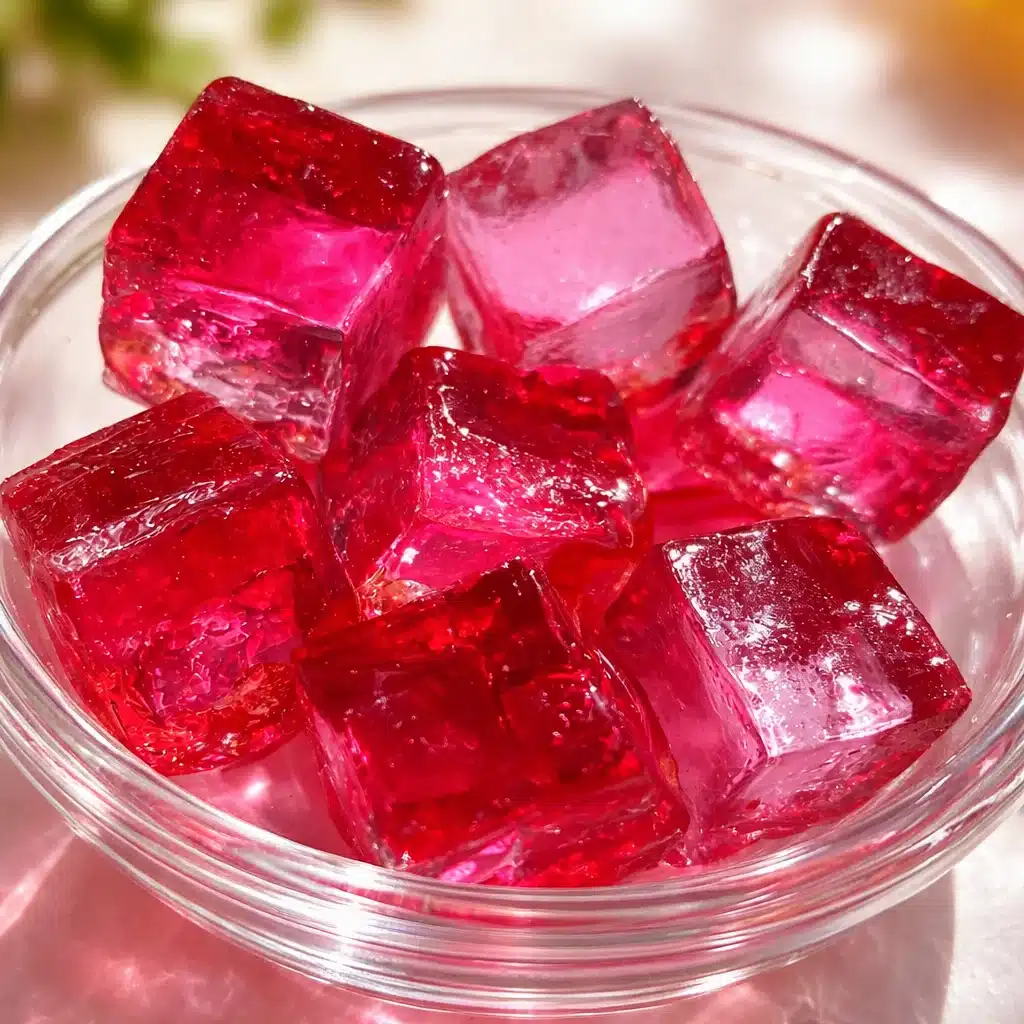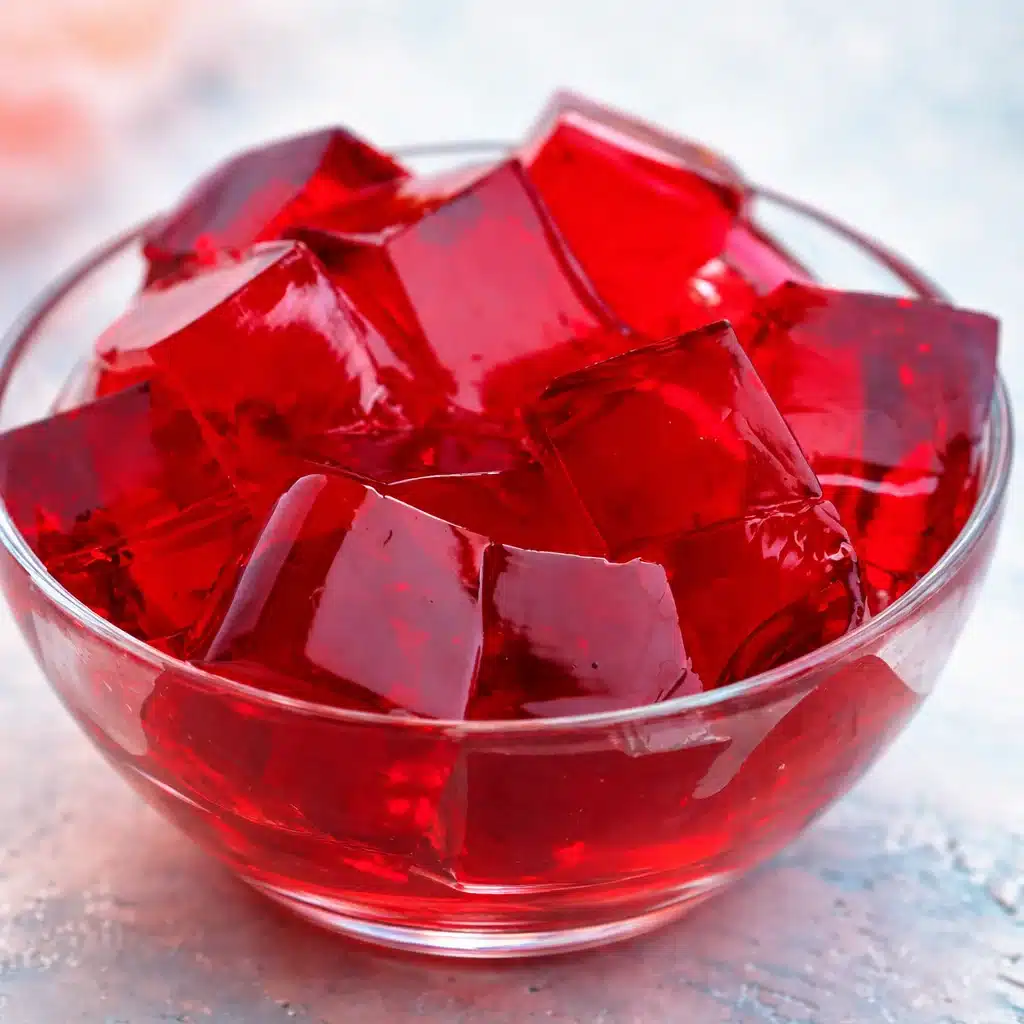
The first time I made Southern Honeycomb Candy, my kitchen smelled like a small fair tucked inside our home. The sweet warmth of honey and caramel filled the air, and my children pressed their noses to the oven as if they could breathe the memory into their bones. It was a quiet Saturday, a pan on the stove, and a simple ritual of stirring that turned pantry staples into a brittle cloud of golden joy. I want you to feel that same comfort the moment you open your pantry and gather what you need to make this old-fashioned treat.
Why Southern Honeycomb Candy Still Feels Like Home
There is a softness to certain sweets that calls you back to family tables and slow afternoons. Southern Honeycomb Candy has that softness trapped inside a crisp shell. For me it is not just sugar transformed into air and glass. It is the way the kitchen quiets when everyone waits for the crackle of cooling candy. It is the little hands that can help break the hardened pieces and the way laughter follows when one piece is a little too sweet for a toddler.
Growing up, I watched my mom make versions of this candy with careful, practiced movements. She never used a thermometer at first. She watched the color change. She listened for the bubble pitch. I learned to trust my senses the way she did, and I learned to keep a jar of the finished candy near the coffee pot for guests. A small gesture like offering a brittle shard with a cup of tea always made our house feel like a home where someone is waiting by the stove.
This candy also opens up the possibility of pairing and playing. You can leave it plain and rustic, or you can dip pieces in chocolate and sprinkle them with sea salt. If you love the interplay of textures, try it with other sweets that share that same childhood magic, like these decadent chocolate treats that look fancy but are made for family kitchens. The idea is simple: make something with warmth and share it.
The Story Behind Our Favorite Southern Honeycomb Candy
Some recipes are small acts of preservation. This one came into our rotation because of a visit to my grandmother during late summer. She had jars of honey saved from seasons when the bees were generous, and she wanted to turn that honey into something that would travel well and give joy. We mixed simple things on her old stove and watched the mixture bloom into froth. She said that life needs a little surprise, and honeycomb candy is that surprise in edible form.
Every family adapts a recipe. My version takes cues from those changes. I have added a touch of corn syrup to control the crystallization. I sift the baking soda because clumps will give you uneven texture. I use a heavy-bottomed pan because it spreads the heat more gently and gives you a steady climb to the hard crack stage. These are small choices that protect the delicate chemistry happening in the pot and help you get consistently good results.
This candy carries regional memory too. In the South, where simple ingredients turn into something soulful, honey and caramel speak the same language. I remember serving it with strong coffee after Sunday dinner. We would break off pieces and comment on who got the most glass-like shard. It made dessert less of a performance and more of a conversation. If you enjoy sweets that tell a story, you might also like to explore other recipes with deep, homey roots like this one with Mediterranean notes and textures that remind me of family trips to old markets Greek candy inspirations.
Bringing Southern Honeycomb Candy Together
“Every time I stir this pot, it smells just like Sunday at home.”
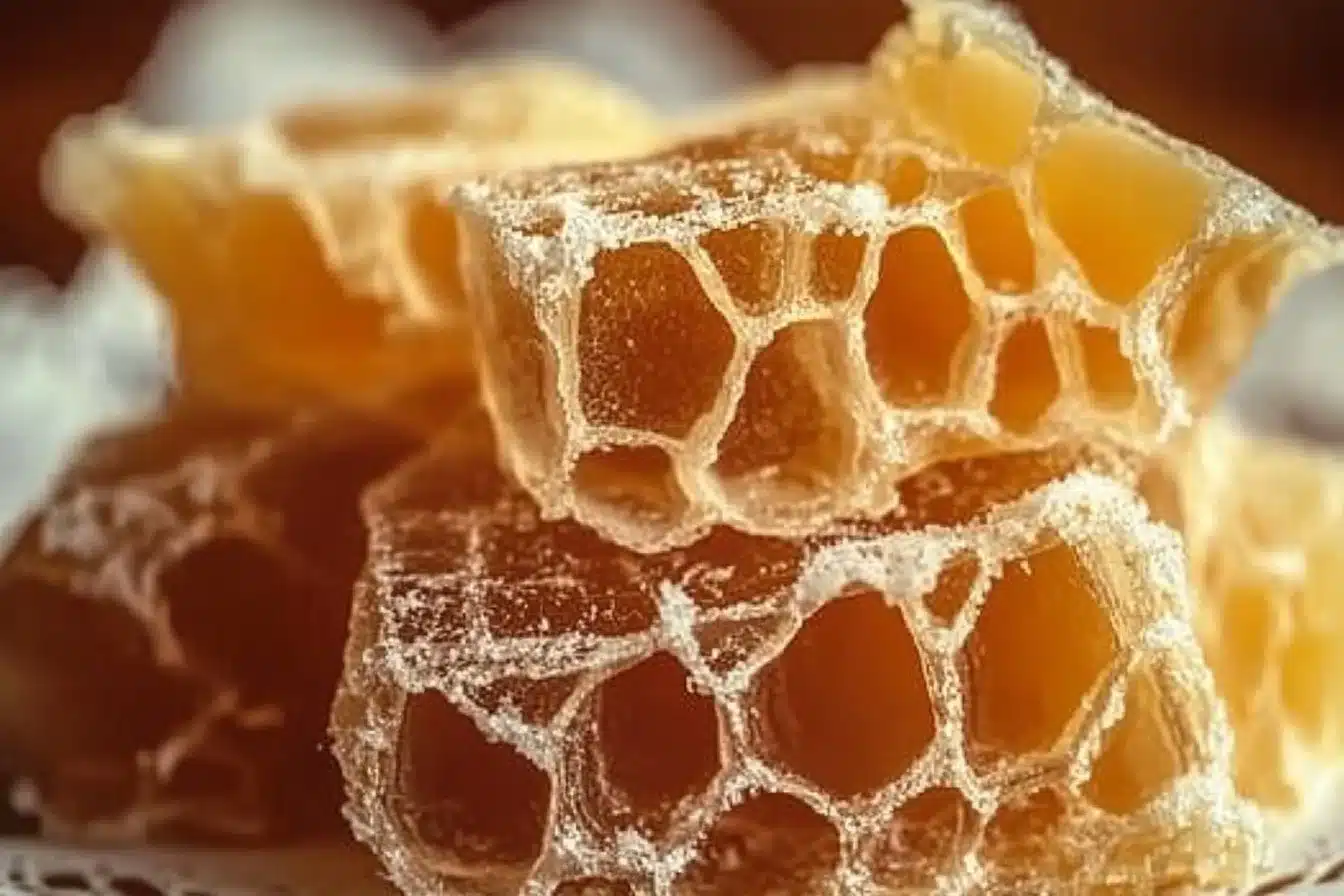
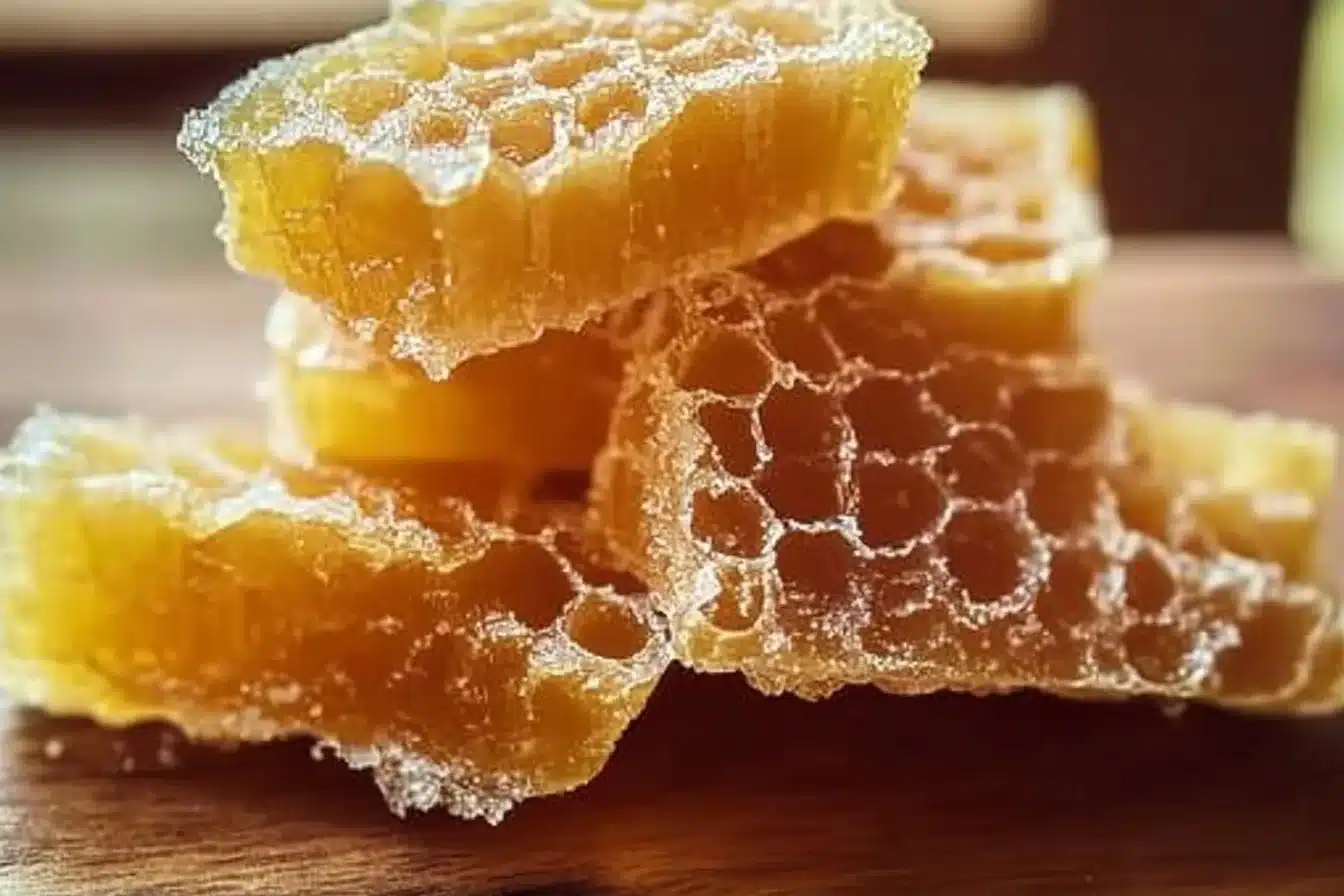
Making this candy moves at a steady, listen-and-watch pace. You will see the mixture go from cloudy to glossy and from a gentle simmer to a bubbling rush that sings of change. The key moments are visual and auditory. You watch for the color to deepen just a touch and the sound of the bubbles to grow finer as the temperature climbs. When you add the sifted baking soda, the mixture foams into a golden cloud. That is the moment you understand why this treat is called honeycomb.
The rhythm is comforting. You stir until sugar dissolves and the surface grows glassy. You wait and breathe in the aroma. You watch the edges turn a perfect amber and you remember that timing matters more than speed. The kitchen fills with a warm, almost floral scent from the honey layered over the caramel notes of cooked sugar. From there the transformation is swift and surprising, a reminder that kitchen magic often happens in seconds.
A small note about safety and patience. Candy-making takes attention. Keep kids at a safe distance during the active cooking stage. Keep your tools ready. Once the baking soda goes in, you pour quickly because the mixture will foam and set fast. Prepare your baking sheet or silicone mat ahead of time so the final move is smooth. If you like chocolate-covered versions, you can melt chocolate while the candy cools and dip shards for a glossy finishing touch that balances the sweet with a hint of richness. If you need inspiration for chocolate pairings, these chocolate ideas are a great place to start.
Ingredients You’ll Need
1 cup granulated sugar
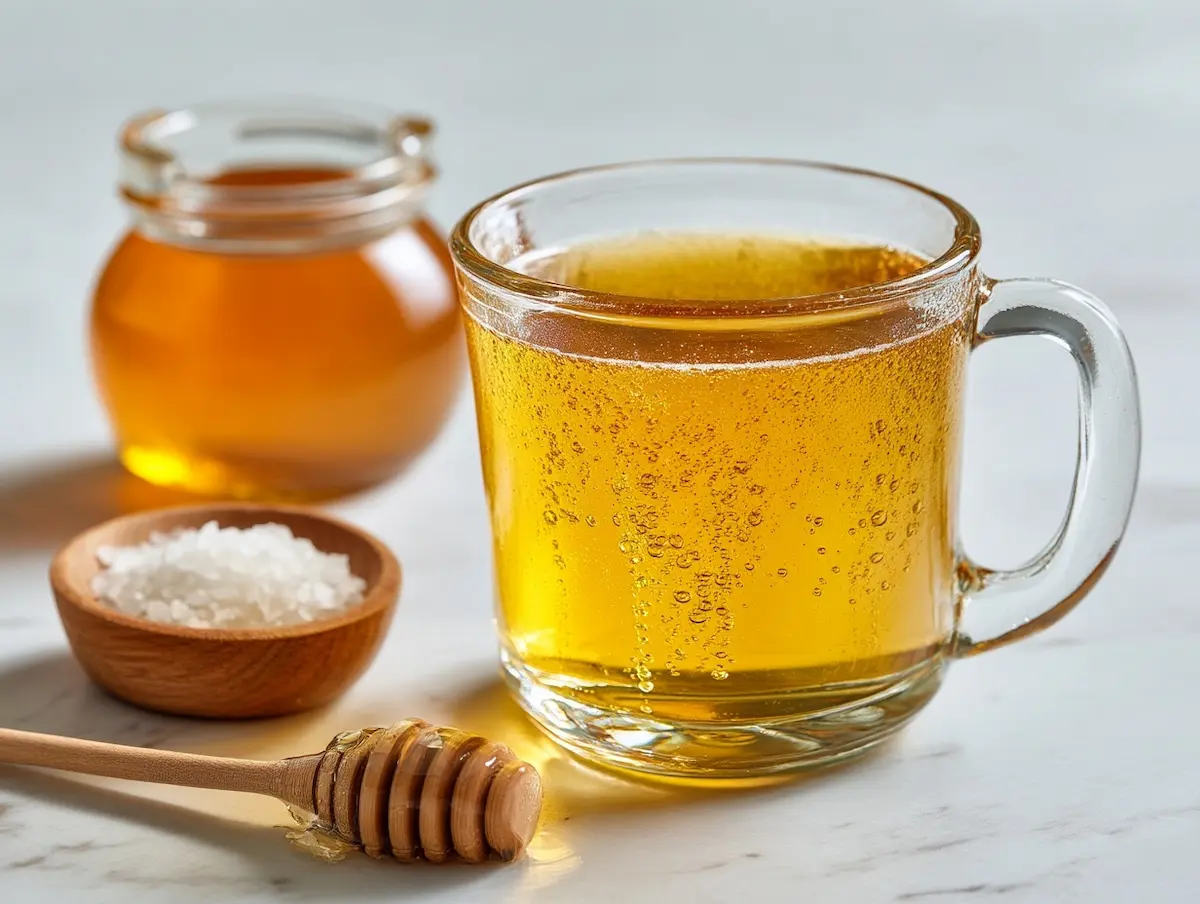
1/4 cup honey
1/4 cup water
2 tablespoons light corn syrup
2 teaspoons baking soda, sifted
A note about butter and vanilla. This recipe stands beautifully on its own, but a touch of butter or a little extra vanilla can add depth. Use fresh butter for the richest flavor. If you love a cozy aroma, a tiny splash more vanilla will make your kitchen smell like a warm hug. I usually keep my ingredients measured and ready before I heat anything, the way my mother taught me. It makes the process calmer and safer.
Choose your honey wisely. Raw honey can have a brighter, floral note while mild commercial honey offers a more even sweetness. Either will work. If you want a slightly darker flavor, a small drizzle of molasses or darker honey will move your candy toward a deeper caramel note. For a classic Southern finish, keep it simple and let the honey’s natural character shine.
On the question of corn syrup. Corn syrup helps prevent graininess by interfering with the crystallization of the sugar. If you prefer not to use it, you can try a touch of glucose syrup or even maple syrup in small amounts. But in a home kitchen where consistency matters, light corn syrup gives you a forgiving margin that keeps the candy crisp and airy.
Step-by-Step Directions
Prepare: Line a baking sheet with parchment paper or a silicone baking mat. Arrange everything near the stove and have a heatproof spatula ready. Keep a bowl for discarded utensils and a damp cloth for small spills. Clear the counter so you can pour without interruption.
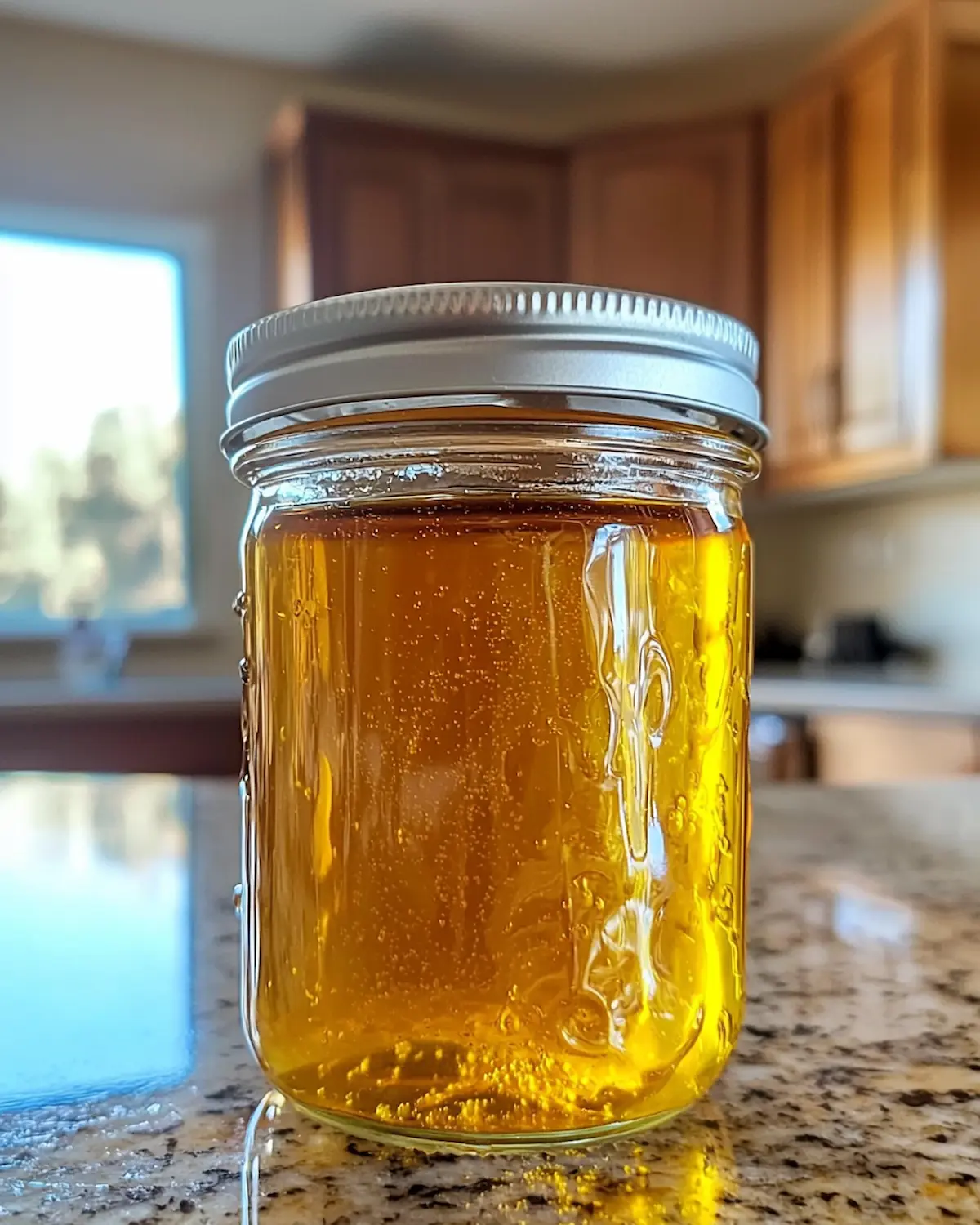
Heat Mixture: In a heavy-bottomed saucepan, combine sugar, honey, water, and corn syrup over medium heat, stirring until dissolved. Stir just enough to blend the mixture into a glossy liquid. Watch as it moves from cloudy to clear and smell the warming honey sweeten the air.
Bring to 300°F (150°C): Attach a candy thermometer and allow the mixture to reach the hard crack stage without stirring. Listen for the bubbling to change and look for the color to gain a faint amber hue. Be patient and steady; sudden moves can cause sugar to seize.
Add Baking Soda: Remove from heat and quickly whisk in sifted baking soda. The mixture will foam up into billowy honeycomb clouds, swelling with airy pockets. Use a quick, confident motion and be ready for the dramatic rise.
Pour and Cool: Immediately pour onto the prepared baking sheet and let it cool completely. Tilt the pan to spread if needed, but let the foam keep its air. The surface will set to a glass-like shine and harden into crisp shards.
Break and Serve: Once hardened, break into pieces and enjoy! Tap gently with the corner of a towel or use a rolling pin to coax the candy into rustic shards. Breathe in the aroma before offering it to family, and watch the smiles when they hear that satisfying crack.
A Few Extra Tips While You Work
If you want an even glossier finish, tap the pan lightly after pouring to knock out any large air bubbles on the surface. If it seems too soft after it cools, you may have removed it from the heat too early. Small variations in stove temperature and pan material will change the timing a bit, so treat the thermometer as your anchor and your eyes as your guide.
If you plan to dip pieces in chocolate, break the candy into manageable shards and set them on a cooling rack. Melt your chocolate in a double boiler or microwave in short bursts. Dip half the shard, let excess chocolate drip, and place back on parchment to set. A sprinkle of flaky salt or crushed nuts while the chocolate is still wet makes a thoughtful contrast to the sweet honey and crisp sugar.
A note about humidity. Humid days are tricky for candy. Sugar loves to pull moisture from the air, which can soften brittle treats. If you live in a humid climate, make candy on a drier day if you can, or store the finished pieces in an airtight container with a bit of rice in a small cloth pouch nearby to help absorb moisture. The candy keeps best in a cool, dry place.
Serving Southern Honeycomb Candy With Family Warmth
I serve this candy in a small bowl beside coffee or tea and watch how people help themselves. It can be a post-dinner nibble or an afternoon surprise. I like placing a few pieces on a small plate for guests so they can try a piece without committing to a big bite. The shards are fragile and beg to be shared, which makes taking one a polite and intimate gesture at the table.
If you want to make it a dessert centerpiece, arrange broken pieces in a clear bowl to show off the honeycomb’s delicate holes and shiny sheen. Add chocolate-dipped shards around the edge for a contrast in color and texture. For a brunch, tuck a few pieces beside a platter of fruit and nut butter. The crunch pairs surprisingly well with soft cheeses and creamy spreads.
Let children help with the last step of breaking the candy. It is a good task for little hands under supervision. I always have a safe spot where they can use a small wooden spoon to break pieces on a cutting board while I guide them. These are the moments where cooking becomes memory, where the kitchen task doubles as a lesson in patience and the joy of making something for others.
If you want to expand on flavors, try finishing some pieces with a dusting of cocoa powder or a thin drizzle of melted chocolate. Those who enjoy more complex sweets will appreciate a plate that includes these variations. You can find inspiration for chocolate ideas and ways to pair sweets with homey touches over at this collection of favorite chocolate pairings.
How to Include Kids in the Process Safely
Candy-making is a great way to teach children about science without a textbook. Talk to them about how heat changes sugar and how the baking soda makes bubbles. Give them safe, age-appropriate jobs like lining the pan, measuring ingredients, or watching the pot from a safe distance while you stir. These small roles keep them involved and help them learn kitchen respect.
When active cooking begins, move young children away from the stove. Explain the hot parts and use a gentle tone. Then, when the candy has cooled, invite them back for the fun breaking stage. Their excitement at seeing the candy turn into glass-like shards is contagious. Serve small pieces on a kid-friendly plate and ask them what they notice about the sound and texture.
Sharing responsibility builds confidence. I remember when my oldest wrapped small packs of honeycomb for school parties. We taped simple labels together and let them deliver a sweet piece of our kitchen to friends. It taught them about giving and the pride that comes from making something with your own hands.
Storing Southern Honeycomb Candy for Tomorrow
Store the candy in an airtight container at room temperature to preserve its crispness. I like to place sheets of parchment between layers to keep pieces from sticking. If you live somewhere humid, include a small pouch of rice or a packet of silica gel to help absorb moisture. Avoid refrigerating because cold can cause condensation once you take it back to room temperature.
Over a few days, the flavor will mellow and deepen. The honey will settle and the crispness will remain as long as the environment is dry. If you notice softened pieces, pop them in a low oven for a few minutes to dry them out and then let them cool completely. Be cautious and watch closely; sugar overheats quickly.
If you want to give the candy as gifts, wrap pieces individually in wax paper or cellophane. Tie with twine or a ribbon and include a small note about the ingredients and the date. Homemade candy like this travels well when packed in a sturdy tin, and it makes a heartfelt gift that says you were thinking of someone.
Troubleshooting Common Candy Issues
If the candy cristallizes during cooking and becomes grainy, it likely means sugar crystals formed on the sides of the pan during heating. Next time, use a pastry brush dipped in water to wash down the sides, or choose a pan with a thicker bottom to provide more even heat. Adding corn syrup helps, but technique matters too.
If the candy is chewy instead of crisp, it probably did not reach the hard crack stage. Increase the cooking time in small increments and keep a close eye on the thermometer. Remove it promptly when it hits the temperature and follow the directions to add baking soda and pour immediately.
If the mixture overflows when you add baking soda, it means it was too hot or you added the soda too slowly. Remove from heat completely before whisking in the baking soda and use a quick motion. The foaming should be dramatic but contained if you act decisively.
Flavor Variations That Keep the Heart of the Candy
You can make small, thoughtful changes that shift the candy’s mood without losing its essence. Try adding a sprinkle of sea salt after pouring to balance the sweetness. For a nutty twist, press toasted almonds or chopped pecans into the surface while the candy is still warm. A light dusting of powdered sugar is charming for a gift, though it will mask the shiny surface.
For a more aromatic version, infuse the water with a cinnamon stick for a few minutes before combining it with the sugar. Remove the stick before cooking. Or stir in a teaspoon of espresso powder for a subtle depth that plays against the honey. A few drops of orange oil can add a citrus flash that brightens the flavor and pairs wonderfully with dark chocolate dips.
If you like Mediterranean flavors and want a nod to other traditions, think about adding sesame seeds or sprinkling with ground pistachio. These small touches can make the candy feel like part of a larger table of sweets, much like the textures found in Greek candy inspirations that combine crunch and sweetness in satisfying ways.
Making This Recipe Your Own
The heart of this candy is its simplicity. Start with the basic recipe and time-tested steps, then experiment in small ways. Keep notes on a card by your stove. Write down what worked and what needed a tweak. You will build a version that fits your stove, your taste, and your family memories. That is how recipes become family heirlooms.
Invite a friend over for a candy-making afternoon and teach them the process. Cooking together turns a simple recipe into something shared. Tell the story of why the recipe matters to you and listen to their food stories in return. That is how the kitchen grows richer and wider, and how a humble candy can be the start of a warm tradition.
If you make a batch for a holiday, tuck a little note with each wrapped piece explaining the ingredients and a memory associated with the candy. People appreciate a story as much as they appreciate a sweet bite. It makes the treat feel made with attention and care.
Final Serving Notes and Pairings
Serve this candy with strong coffee or a cup of rich tea and notice how it changes the conversation. It pairs beautifully with nutty cheeses, thinly sliced pears, or a small cup of espresso. For an afternoon tea, place a few pieces on the saucer beside the teacup so guests can taste something crisp between sips.
When sharing with children, offer small portions and invite them to describe the texture. Ask questions about what they hear when they bite it and what flavors they notice. These small conversations make the kitchen a place of learning and connection.
Keep a small jar on the counter for friends who stop by. There is something welcoming about offering a shard of homemade candy without ceremony. It says you see them, and you have a tiny gift that took only a little time and a lot of warmth to make.
Print
Southern Honeycomb Candy
- Total Time: 25 minutes
- Yield: 4 servings 1x
- Diet: Vegetarian
Description
Delight in the sweetness of Southern Honeycomb Candy, a nostalgic treat that fills your kitchen with the warm aroma of honey and caramel.
Ingredients
- 1 cup granulated sugar
- 1/4 cup honey
- 1/4 cup water
- 2 tablespoons light corn syrup
- 2 teaspoons baking soda, sifted
Instructions
- Prepare a baking sheet with parchment paper or a silicone baking mat.
- Heat in a heavy-bottomed saucepan, combine sugar, honey, water, and corn syrup over medium heat.
- Bring to 300°F (150°C) using a candy thermometer without stirring.
- Add baking soda and whisk quickly.
- Pour onto the prepared baking sheet and let cool.
- Break into pieces and enjoy!
Notes
For a touch of richness, consider adding a bit of butter or extra vanilla. Store in an airtight container to maintain crispness.
- Prep Time: 15 minutes
- Cook Time: 10 minutes
- Category: Dessert
- Method: Candy Making
- Cuisine: Southern
Nutrition
- Serving Size: 1 serving
- Calories: 220
- Sugar: 30g
- Sodium: 50mg
- Fat: 0g
- Saturated Fat: 0g
- Unsaturated Fat: 0g
- Trans Fat: 0g
- Carbohydrates: 55g
- Fiber: 0g
- Protein: 0g
- Cholesterol: 0mg
Keywords: honeycomb candy, southern candy, homemade sweets