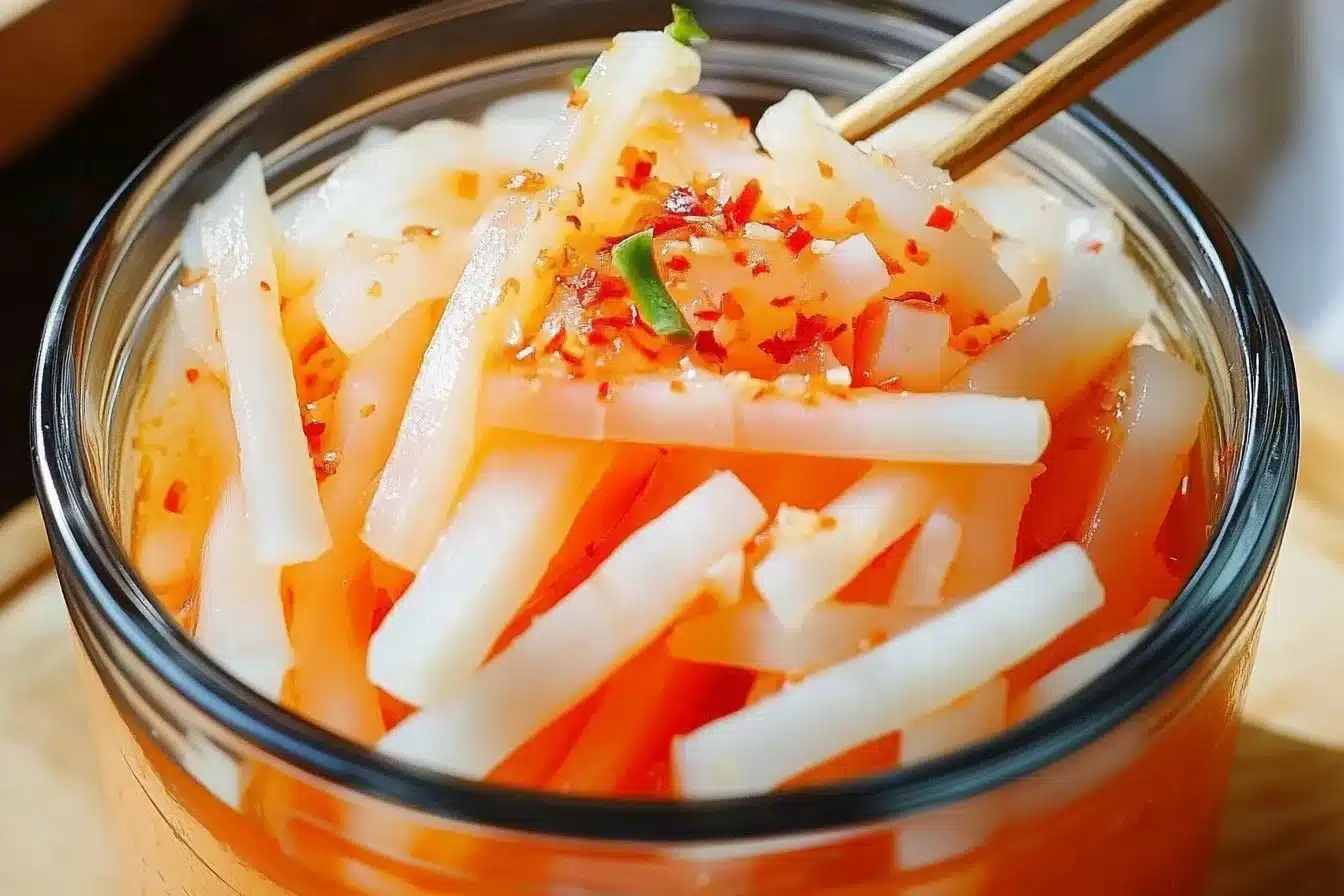
I pull the jar from the fridge and feel that small, satisfying weight in my hands, the lid cool from the night before, the bright pickles humming with a sharp, sweet scent that always takes me back to a small kitchen table and sunlight on checkered cloth. The first crunch is like a childhood memory wrapped in a new ribbon, a mix of tang and sugar and the faint warmth of chili, and it always makes me want to set an extra seat at dinner. When I make Taiwanese Pickled Daikon I think of simple rituals, of family arriving hungry, and of how a plain root can become a bright note that holds a whole meal together, much like how I once paired a jar of crisp pickled jalapenos with rice bowls to make a quiet weeknight feel like a little celebration.
Why Taiwanese Pickled Daikon Still Feels Like Home
There is a small gentle pride in turning humble ingredients into something that sorts out the whole table. Daikon is plain and honest and when it soaks in sweet vinegar it becomes part memory and part comfort. I learned this from my mother, who would chop daikon quickly between chores and hum while she worked. The sound of the knife was the metronome of our evenings.
Back then the kitchen smelled like soy and ginger and a touch of sugar. My mother would slide a jar across to me and say, try it now, and I would bite and be surprised at how something so simple could taste so bright. That surprise is the heart of this recipe. It is not about fancy technique. It is about rhythm and patience and the small acts that make a family meal feel like a homecoming.
When friends come over I like to place a little dish of pickles at the center of the table, next to bowls of rice and a pot of soup. People reach for it without thinking, and then they smile when they taste it. It is a small bridge between us, a shared flavor that starts conversation. If you love the way pickles can snap a meal to attention, try pairing them with other preserves I like to keep on the shelf, like the tangy heat of crisp pickled jalapenos, which add a different kind of cheer to a plate.
The Story Behind Our Favorite Taiwanese Pickled Daikon
I started writing down this version after a winter when my kids were small and the days felt like loops of feeding and stories and laundry. I wanted something I could make in the morning and trust to be ready by dinner, something that would taste fresh even after a few days. The daikon fit that need perfectly. It is sturdy, it keeps well, and its shape makes it easy to cut small pieces for little hands.
We ate it with noodles and with grilled fish and sometimes just with cold slices of tofu. Once, during a late autumn weekend, we packed a small lunch with rice balls and a jar of these pickles and walked to the park. My youngest took one bite and declared it the best pickle ever. That kind of honest praise sticks with you. It reminded me that food is more than taste. It is memory, and comfort, and a way to make ordinary days feel gentle.
This recipe asks for very little fuss. You do not need a lot of tools or many spices. A good jar, a steady hand with the knife, and a few pantry staples will do it. It is one of those recipes that rewards small care. Slice the daikon evenly, stir the brine until it is clear and glossy, and then let time do the quiet work.
Bringing Taiwanese Pickled Daikon Together
“Every time I stir this pot, it smells just like Sunday at home.”
Making the pickles is a small ceremony. The sharp sound of the knife, the soft thump as the daikon hits the bowl, the hiss when the vinegar hits the hot sugar if you warm it a little. These are the small moments that add texture to a day. The brine is glossy and light, and when it pours over the white daikon it looks like a promise that flavors will change and settle into something good.
I sometimes toast a few sesame seeds in a dry pan just until they make the air smell warm and nutty. The scent is subtle, but it makes the jar smell curious and familiar at once. If you like a little heat, slip in one dried red chili and watch its color steep away into the liquid until it leaves faint flecks like tiny sparks. If you want to try a different pairing for a spicy counterpoint, I have found that the bright snap of crisp pickled jalapenos can be a lovely companion on a shared board.
The rhythm of the process is comforting. You mix, you pour, you seal. Then you wait a day. In that waiting the flavors soften and make room for each other. The sugar cuts through the vinegar, the salt keeps things balanced, and the daikon stays crisp. When you open the jar after twenty-four hours you will be greeted by a scent that is pure and lively, and that first crunch will be a small triumph.
Ingredients You’ll Need
1 medium daikon radish
1 cup rice vinegar
1 cup water
1/4 cup sugar
1 tablespoon salt
1 teaspoon sesame seeds (optional)
1-2 dried red chilies (optional)
A little side note: if you love a cozy aroma, a tiny piece of orange peel can add a bright, warming note without changing the heart of the recipe.
Another warm tip: to make the sesame seeds feel richer, toast them for thirty seconds until they smell nutty and then let them cool before adding.
If you like a milder tang, use a bit less vinegar and make up the volume with water.
If you are curious about heat, try adding a sliver of fresh ginger for a peppery warmth that pairs well with the chilies.
When I pack a picnic I sometimes tuck in a small jar of crisp pickled jalapenos alongside these pickles for people who want an extra kick.
Step-by-Step Directions
Peel the daikon radish and cut it into thin strips or rounds.
Use a sharp knife and slice with steady hands so each piece is even.
The slices should feel crisp and look bright white when you lift them into the bowl.In a bowl, mix rice vinegar, water, sugar, and salt until dissolved.
Stir until the sugar melts and the mix looks glossy and clear.
Breathe in the sharp, sweet scent as the salt and sugar find a balance.Place the daikon in a clean jar and pour the vinegar mixture over it.
Press the slices down gently so the brine reaches every piece and the jar feels full.
You will see the liquid settle, and the daikon will begin to look slightly translucent.If using, add sesame seeds and dried red chilies.
Scatter the toasted sesame seeds on top and slip in a dried chili for a soft heat.
Watch the red color faintly bloom into the brine where the chili rests.Seal the jar and refrigerate for at least 24 hours before serving. Enjoy as a side dish!
Place the jar in the back of the fridge and let time do the rest; flavors will deepen.
Open it after a day, serve a small dish, and listen for that first joyful crunch.
How to Make Taiwanese Pickled Daikon Feel Personal
There is room in this recipe for gentle adjustments that reflect your own kitchen. I like to think of it as a simple framework that welcomes small experiments. Add a strip of lemon peel if you love citrus. Toss in a few black peppercorns for a gentle bite. Replace one dried chili with a slice of fresh jalapeno for brighter heat.
The key is balance. The sugar should sing, not shout. The salt should support the sweet and the sour. The vinegar is the bold voice that ties everything together, but you can let it lean a bit more or a bit less depending on your family’s taste. I make a note in my head each time I change something so I can remember what worked. When my mother tried the recipe with less sugar she smiled and said, that way the daikon sings more. I agreed and wrote it down.
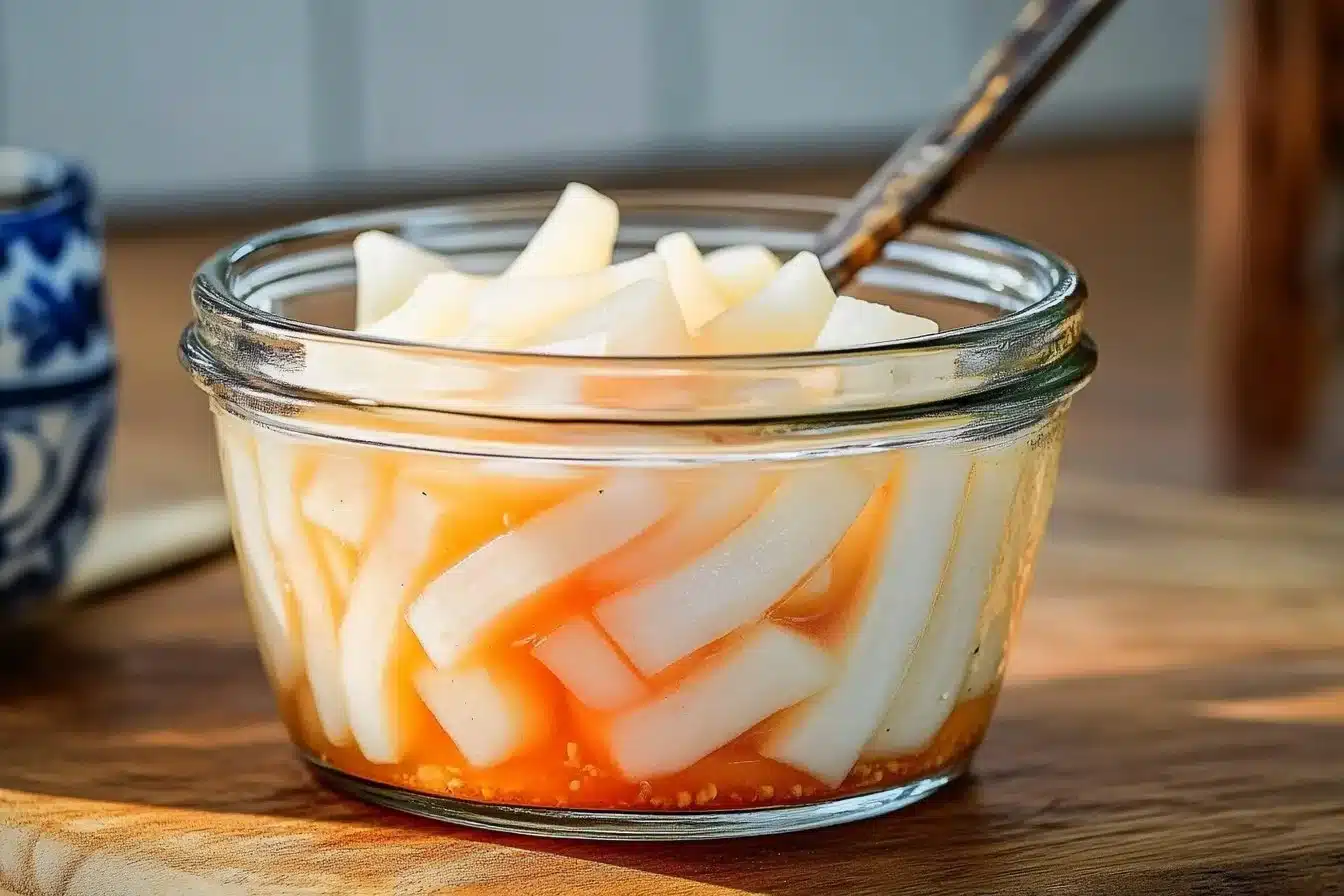
If you want a firmer pickle, slice the daikon thicker. If you want it to soak up more flavor, slice it thin. I like an in-between cut that gives a satisfying crunch without feeling like a raw bite. When the jar cools and you lift a piece to your mouth, I want you to feel the balance of texture and flavor that makes the pickles easy to reach for at every meal.
Bringing Taiwanese Pickled Daikon to the Table
I place the little jar in the center of the table and let it do its work. It is a small dish that asks to be shared. For a family dinner I scoop a small mound onto a shallow dish and sprinkle a few sesame seeds on top, letting the sesame oil from the seeds kiss the surface. Serve alongside bowls of steaming rice, a simple soy-simmered fish, and sautéed greens. The pickles cut across rich and savory flavors with a clean, bright note.
For a weekend brunch, they are at home with fried eggs, scallion pancakes, and a bowl of congee. My children like to tuck a slice into a sandwich with leftover roasted pork. They like the way it wakes up the bread. For a light dinner, I pair them with cold tofu, a drizzle of soy, and a scattering of scallions. Sometimes I set out a small board of pickles, nuts, and bright cheese, and the jar disappears during a slow evening with friends.
At holidays I pack little jars as favors, tied with string and a handwritten note. People unwrap them and their faces change when they taste it. Food is a kind of language and these pickles speak a simple, joyful dialect. If you want a contrasting bite on a sharing plate, consider a small side of crisp pickled jalapenos which bring a different kind of cheer to guests who like more heat.
How We Enjoy Taiwanese Pickled Daikon at Home
We eat pickles at breakfast sometimes, when life is hurried and we need a quick bright helper on the plate. My husband likes them with a bowl of noodles and a soft boiled egg. My children sometimes press them into sandwiches with leftover chicken and a smear of mayo. When friends come for a casual dinner we set a small plate near the bowls of rice and watch hands reach for it first.
I also keep a jar in the fridge for those days when nothing elaborate seems possible. A spoonful on the side can lift a bowl of plain rice or a pile of roasted vegetables and make the meal feel considered. If you are looking for a simple way to introduce guests to Taiwanese flavors, these pickles are a gentle ambassador. They are bright, not overwhelming, and they have a way of making everyone at the table lean in and smile.
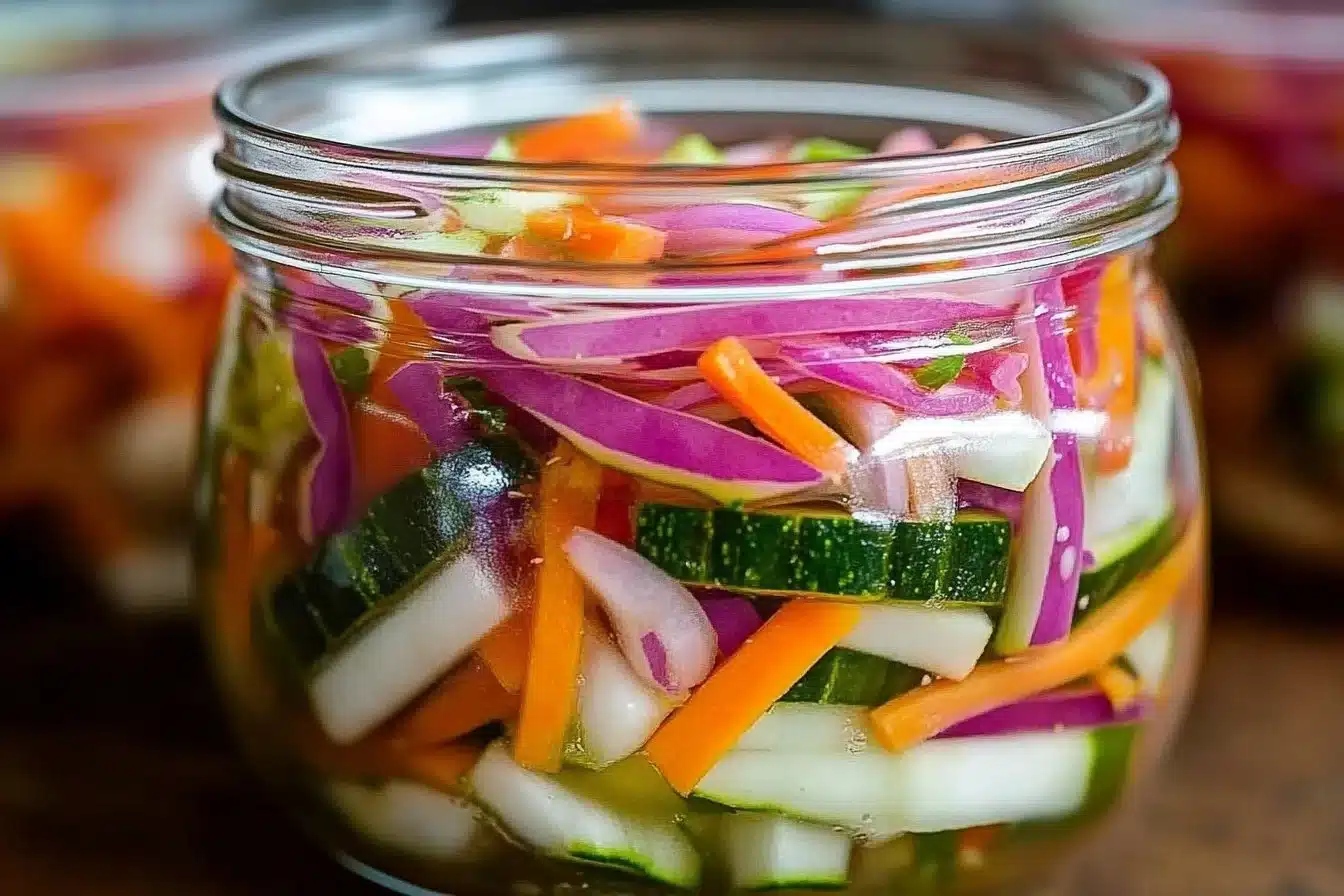
If you want to add a visual touch, thin ribbons of carrot mixed with the daikon make the jar look festive. Sliced cucumber can add another snap if you prefer. Another small idea is to layer the daikon with thin slices of apple for a hint of fruitiness, which my children once loved.
Storing Taiwanese Pickled Daikon for Tomorrow
Treat a jar of pickles kindly and it will reward you. Store it in the refrigerator in a sealed jar and it will keep for several weeks. Over time the flavors mellow and deepen, becoming sweeter and smoother in the way that memories soften and grow quieter. The texture stays pleasantly crisp for many days, though after a while it will become a touch softer and still perfectly tasty.
If you take the jar out for a picnic, make sure the lid is tight and that the jar stays cool. If you plan to serve the pickles over several days, always use clean utensils to avoid introducing stray flavors or bacteria. When you open the jar you will notice how the brine is clearer and the sesame seeds have settled. Give the jar a gentle tilt to redistribute the flavors before you serve.
A small tip I share with friends is to mark the date on the lid with a small sticker so you remember when you made it. If you like the flavor after two weeks, then you know you have a keeper. These pickles are forgiving and they change in pleasant ways as they rest. If you are curious, keep one jar for immediate use and another for later, and see how the taste shifts. You might be surprised how much you like the versions that have relaxed for a few extra days.
When I send a jar home with someone I like to tuck in one small note: these get sweeter and softer with time. Open one after a week and taste the difference. If you choose to share jars with neighbors or friends, include a brief serving idea or two, like pairing with rice or using as a garnish, so the first bite becomes part of a new memory.
Small Troubleshooting Notes from My Kitchen
Sometimes the slices taste too sharp right away. That is normal. Give the jar a day or two and the sharp edges will round out. If the daikon feels limp, it may have sat out too long before being jarred or it may have been cut too thin. Next time, try a slightly thicker cut or use a crisper daikon.
If the brine seems cloudy, it may be from sugar settling or from a touch of debris. Strain it if you are worried, or pour carefully and leave the jar to settle in the fridge for a day. If you find the jar is too salty, add a splash more water and a pinch more sugar to balance. Cooking is a conversation, and sometimes you have to adjust the words.
If you want to make a larger batch, double the ingredients but keep the same ratio of vinegar to water and sugar. Use two clean jars so the pickles are not crowded and the brine can flow around the slices easily. When I make more than one jar, I label them with notes about any small changes I made so I remember which friend liked which version.
A Few Ways to Serve Taiwanese Pickled Daikon
For a family dinner set out a small dish of pickles next to a main of braised pork and steamed rice. The pickles brighten the richness and invite everyone to take a moment between bites to appreciate the contrast.
For a light lunch, layer slices of pickled daikon and cucumber with leftover grilled chicken on toasted bread. The crunch is a happy surprise.
At a party, arrange a small tasting board with several jars of different quick pickles, including my favorite partner, the crunchy zing of crisp pickled jalapenos, and let guests build their own flavor combinations.
Use thin ribbons of pickled daikon as a topping for smoky roasted vegetables or grilled fish to add brightness and contrast.
Fold a few small pieces into coleslaw for an extra tang that keeps the side dish lively.
Final Thoughts from My Table
Making Taiwanese Pickled Daikon is a little act of care that gives back so much. It is simple, reliable, and full of heart. When I make a jar I imagine someone opening it on a rainy afternoon and smiling at that first crisp bite. I imagine the small conversations it sparks, the quiet thank yous, and the way it makes a table feel a little closer.
If you try this recipe, invite someone to share the first jar with you. Tell them the small story you heard while stirring the brine. Taste it together slowly and listen for the small sounds a kitchen makes when it is full of life. These pickles are meant to be a small, bright part of everyday meals, a reminder that simple things, given time and care, can become a source of joy.
Print
Taiwanese Pickled Daikon
- Total Time: 30 minutes
- Yield: 4 servings 1x
- Diet: Vegan
Description
A simple yet vibrant recipe for Taiwanese Pickled Daikon that adds a refreshing crunch to any meal.
Ingredients
- 1 medium daikon radish
- 1 cup rice vinegar
- 1 cup water
- 1/4 cup sugar
- 1 tablespoon salt
- 1 teaspoon sesame seeds (optional)
- 1–2 dried red chilies (optional)
Instructions
- Peel the daikon radish and cut it into thin strips or rounds.
- Use a sharp knife and slice with steady hands so each piece is even.
- In a bowl, mix rice vinegar, water, sugar, and salt until dissolved.
- Stir until the sugar melts and the mix looks glossy and clear.
- Place the daikon in a clean jar and pour the vinegar mixture over it.
- If using, add sesame seeds and dried red chilies.
- Seal the jar and refrigerate for at least 24 hours before serving.
Notes
For a milder tang, use less vinegar and make up the volume with water. You can also add a sliver of fresh ginger for extra warmth.
- Prep Time: 15 minutes
- Cook Time: 15 minutes
- Category: Side Dish
- Method: Pickling
- Cuisine: Taiwanese
Nutrition
- Serving Size: 1 serving
- Calories: 45
- Sugar: 5g
- Sodium: 400mg
- Fat: 0g
- Saturated Fat: 0g
- Unsaturated Fat: 0g
- Trans Fat: 0g
- Carbohydrates: 10g
- Fiber: 2g
- Protein: 1g
- Cholesterol: 0mg
Keywords: pickles, daikon, Taiwanese, quick pickles, vegetarian