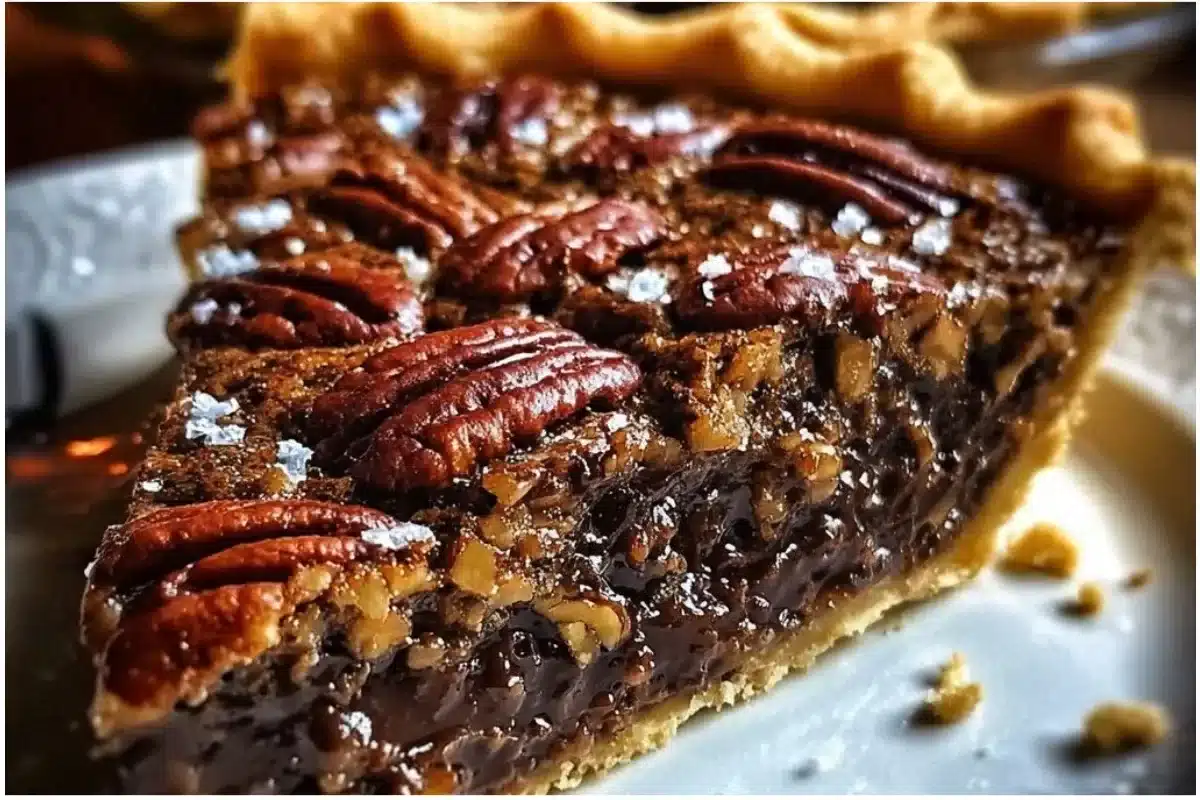
If you love a classic pecan pie but crave something bolder, meet Texas Chocolate Pecan Pie – Meatydelights: a reliably rich, toasted-nut-forward take on an American favorite that balances caramelized sugar, deep chocolate, and a flaky buttery crust. This recipe gives you clear, chef-level technique—how to toast pecans, temper chocolate into the filling, avoid weeping or weeping-free cracks, and get the perfect slice every time.
Craving chocolate-forward desserts? For another chocolate-pecan-inspired treat with a different texture and finish, check out this Chocolate Peppermint Mousse Pie for contrast and seasonal ideas: Chocolate Peppermint Mousse Pie.
In this guide you’ll find:
- A concise recipe card you can print or pin
- A breakdown of every ingredient and why it matters
- Step-by-step method with real kitchen insights and fail-safes
- Pro tips, common mistakes, and fixes
- Variations, swaps, storage and reheating instructions
- Nutrition notes and an FAQ section to answer the questions bakers actually ask
Why this article? Because online recipes often skip the “why”—the chemical and mechanical reasoning behind textures, and the exact adjustments you need for high altitude, weak ovens, or nutty substitutions. This Texas Chocolate Pecan Pie – Meatydelights covers those gaps so your pie performs consistently.
What is Texas Chocolate Pecan Pie?
Texas-style pecan pie raises the stakes by emphasizing toasted, large pecans, robust dark chocolate, and often a slightly denser, more caramelized filling than its Southern counterparts. The “Texas” label implies generosity—bigger pecans, bolder flavors, sometimes bourbon or coffee undertones, and a heartier crust.
Key characteristics:
- Heavy pecan presence (both whole on top and chopped inside)
- Chocolate integrated into the filling, not merely drizzled
- Deep, glossy, slightly chewy filling (not runny)
- Golden-brown, well-baked edges; no soggy bottom
The interplay of fat (butter, egg yolks), sugar (corn syrup + brown sugar), and nuts creates a custard-like set that isn’t fragile but retains a pleasant chew. When you fold high-quality chocolate into the mix, it stabilizes and deepens flavor.
Print
Texas Chocolate Pecan Pie
- Total Time: 80 minutes
- Yield: 8–10 servings 1x
- Diet: Vegetarian
Description
A rich and indulgent Texas Chocolate Pecan Pie that combines toasted pecans and deep chocolate in a flaky crust.
Ingredients
- 1 (9-inch) unbaked pie crust (homemade or store-bought), chilled
- 1 1/2 cups pecan halves (for topping)
- 1 cup chopped pecans (for filling)
- 4 oz bittersweet chocolate, finely chopped
- 1 cup light corn syrup (or 1/2 light + 1/2 dark)
- 1/2 cup packed dark brown sugar
- 3 large eggs, room temperature
- 2 tablespoons unsalted butter, melted and slightly cooled
- 1 teaspoon vanilla extract
- 1/4 teaspoon fine sea salt
- 1 tablespoon bourbon or 1 teaspoon instant espresso powder (optional)
Instructions
- Preheat oven to 350°F (175°C). Place rack in lower third of oven.
- Toast pecans on a sheet pan at 350°F for 8–10 minutes until fragrant. Cool.
- Partially blind-bake chilled pie crust for 12 minutes using pie weights or dried beans; remove weights, bake 5 minutes more until set but not fully browned. Lower oven to 325°F (160°C).
- Melt chocolate in a heatproof bowl over simmering water or in brief microwave bursts. Stir until smooth; set aside to cool slightly.
- In a mixing bowl, whisk eggs, corn syrup, brown sugar, melted butter, vanilla, salt, and bourbon/espresso if using. Stir in melted chocolate until homogeneous. Fold in chopped pecans gently.
- Pour filling into par-baked crust. Arrange pecan halves on top in concentric circles.
- Bake at 325°F for 45–55 minutes until filling jiggles slightly in center but isn’t liquid. The internal temp should be 200–205°F (93–96°C) for ideal set.
- Cool at room temperature for 2 hours, then chill 2+ hours for neat slicing. Serve at room temp or slightly chilled.
Notes
For a slightly gooier interior, remove at 198°F (92°C); for firmer, target 205°F (96°C). Store covered in the fridge for up to 4–5 days.
- Prep Time: 25 minutes
- Cook Time: 55 minutes
- Category: Dessert
- Method: Baking
- Cuisine: American
Nutrition
- Serving Size: 1 slice
- Calories: 560
- Sugar: 36g
- Sodium: 300mg
- Fat: 40g
- Saturated Fat: 10g
- Unsaturated Fat: 20g
- Trans Fat: 0g
- Carbohydrates: 48g
- Fiber: 3g
- Protein: 6g
- Cholesterol: 70mg
Keywords: Texas Chocolate Pecan Pie, dessert, pecan pie, chocolate pie, holiday baking
Ingredient breakdown — science, selection, and benefits
Understanding what each ingredient does allows you to tweak the pie based on equipment, climate, or dietary needs.
Pecans (2–3 cups total, halves + chopped)
- Role: texture, fat, visual appeal, and a nutty flavor that caramelizes when toasted.
- Science: Pecans are high in oils; toasting drives off moisture and concentrates aromatics. Toasting also creates Maillard reactions that boost savory-sweet notes.
- Selection tip: Use fresh (not rancid) pecans. Smell before using—rancid nuts smell painty.
Chocolate (4–6 oz, bittersweet or semisweet)
- Role: depth, structure, and tempering for a glossy, chocolate-laced custard.
- Science: Cocoa solids and cocoa butter integrate with the sugary custard. Chocolate helps thicken slightly due to cocoa solids and emulsifiers.
- Selection tip: Use 60–70% cocoa for balance. Avoid chocolate chips with stabilizers if you need a smooth melt—couverture or bar chocolate melts cleaner.
Corn syrup (light or dark) or a syrup blend (1 cup)
- Role: stabilizes the custard, prevents recrystallization of sugars, yields glossy filling.
- Science: Corn syrup contains glucose which interferes with sucrose crystallization, keeping a smooth, chewable texture.
- Swap: For deeper flavor, half dark corn syrup and half light, or use a mix of maple syrup + a little cornstarch for granulation control (see variations).
Brown sugar (1/2–3/4 cup)
- Role: caramel notes and moisture.
- Science: Molasses in brown sugar adds acidity and flavor; it also contributes to browning.
Eggs (3 large) + optional extra yolk
- Role: coagulation and structure.
- Science: Eggs set the custard as proteins denature with heat. Too many eggs = cakey set; too few = runny. Three eggs is a good balance for a 9-inch pie.
Butter (2–3 tbsp melted)
- Role: silkiness and flavor.
- Science: Fat contributes to richness and mouthfeel; it also helps the surface set with a glossy sheen.
Vanilla extract and salt
- Role: flavor enhancers and balance.
- Science: Salt amplifies sweetness perception and butteriness. Vanilla rounds out chocolate notes.
Pie crust (single 9-inch — blind-baked or par-baked)
- Role: container and texture contrast.
- Selection tip: Butter crust for flavor; use chilling and docking for flakiness. For a sturdier base, partially blind-bake.
Optional bourbon, espresso, or instant coffee (1–2 tbsp)
- Role: depth and accentuation of chocolate and nuts.
- Science: Small amounts of alcohol or bitter flavors enhance chocolate perception without making the pie boozy.
Step-by-step method — chef insights and technical details
These steps include technique notes to avoid common pitfalls.
Preparing the crust
- Use a cold-butter crust and handle minimally to avoid overworking gluten. Chill the dough, roll on a floured surface, and transfer to the pan. Crimp edges and chill again for 15–30 minutes before baking. Chilled fat in the dough gives better flakiness.
- Par-bake (blind-bake) with pie weights at 375°F for 12 minutes, then remove weights and bake 5–8 minutes more. This prevents a soggy bottom from the high-moisture filling.
Toasting pecans
- Spread pecans on a rimmed sheet tray, bake at 350°F for 8–10 minutes, stirring once. Watch closely—nuts go from fragrant to burnt fast. Once toasted, cool fully; hot nuts release oils that can make filing greasy and alter filling temperature.
Melting chocolate
- Use a heatproof bowl over barely simmering water (double boiler) or microwave in 20–30 second bursts, stirring each interval. Avoid overheating: chocolate will seize if water droplets or steam get in.
- Let the melted chocolate cool slightly (~90°F) before mixing with eggs and other warm ingredients to avoid cooking egg proteins prematurely.
Mixing filling
- Whisk eggs lightly; we want them incorporated, not aerated (which can cause bubbles and peaks). Mix corn syrup and brown sugar into eggs, then add melted butter and vanilla.
- Fold in chopped pecans gently; too much stirring introduces air and can lead to cracking on top.
Assembling and baking
- Pour the filling into a room-temperature par-baked shell. Arrange toasted pecan halves on top—press slightly so they don’t float up.
- Bake at 325°F. If your oven runs hot, reduce to 300–315°F. Place the pie on a lower rack to ensure bottom crust bakes through.
- Don’t open the oven often. Once the edges are set and the center jiggles like gelatin (not liquid), you’re close. The pie continues to set as it cools (carryover cooking).
Cooling and slicing
- Cool at room temperature for 1–2 hours, then refrigerate 2 hours. For clean slices, use a sharp knife dipped in hot water and wiped between cuts.
Real-world insight: Many home bakers pull pecan pies out too early. Resist the temptation. The filling firms significantly during cooling. Slight jiggle = success.
Tips, pro advice, and mistakes to avoid
- Avoid over-beating eggs: aeration introduces bubbles that form unsightly fissures during cooling.
- Use quality chocolate: cheap chocolate can taste waxy and affect mouthfeel.
- Toast nuts but cool them fully: stuffing hot nuts into a hot filling can create oily pooling.
- Par-bake crust to prevent soggy bottom: this is non-negotiable for a reliably crisp base.
- Use a thermometer: the internal temperature method (200–205°F) removes guesswork.
- Prevent burning the crust: shield the edges with foil or a pie shield after 20–25 minutes if they brown too quickly.
- Adjust sugar for taste: if your pecans are very sweet (candied), reduce brown sugar by 1–2 tbsp.
- If your filling cracks: minor cracks are cosmetic. Major cracks often come from overcooking or too high oven temperatures. Reduce oven temp slightly next time.
- For cleaner slices: chill the pie enough to set the filling but allow to come closer to room temp before serving; this softens the filling for pleasant mouthfeel but retains neat slices.
Variations and swaps
These variations let you tailor the pie to flavor preferences or pantry constraints.
Bourbon Pecan Chocolate Pie
- Add 2 tablespoons of a good bourbon to the filling and reduce corn syrup by 1 tbsp to compensate. Bourbon lifts nutty flavors and harmonizes with chocolate.
Maple Chocolate Pecan Pie (sweeter, rounder)
- Replace 1/2 cup corn syrup with 1/3 cup pure maple syrup + 2 tbsp corn syrup. Maple complements pecans naturally.
Vegan swap (plant-based)
- Use flax egg replacer (3 tbsp ground flax + 9 tbsp water for 3 eggs), coconut oil (melted) for butter, and dairy-free chocolate. Use a vegan pie crust and expect a slightly different set—chill longer.
Gluten-free crust
- Use a high-quality gluten-free blend designed for pastry, maintain fat temperature, and par-bake as usual.
Pecan Pie Bark inspiration
- If you love the pecan + chocolate combo but want a quick candy, try making a pecan bark with toasted pecans and melted chocolate as an alternative treat; it’s great for gifting and uses similar ingredients: Pecan Pie Bark.
Peppermint-chocolate holiday twist
- For a festive note, add a teaspoon of peppermint extract (use sparingly) and top with crushed peppermint candy just before serving. If you want a smaller portion or a party bite inspired by this flavor profile, consider Chocolate Peppermint Cookie Cups: Chocolate Peppermint Cookie Cups.
When substituting, keep in mind the balance between sugar types, moisture content, and coagulation agents (eggs). Each swap influences set and texture.
Storage, reheating, and freezing
Proper storage keeps slices neat and flavors intact.
Refrigeration
- Store whole or sliced pie covered (plastic wrap or airtight container) in the refrigerator for up to 4–5 days. Because pecans can absorb moisture, a tight cover prevents the crust from softening too quickly.
Freezing
- To freeze, wrap whole pie twice (plastic, then foil) or freeze slices on a tray then transfer to airtight freezer bags. Freeze up to 2 months. Thaw overnight in the refrigerator before bringing to room temp to serve.
Reheating
- For a freshly-baked feel, reheat slices in a 325°F oven for 8–10 minutes (or until warm) from refrigerated state. If frozen, thaw overnight in fridge and reheat as above.
- Microwaving will warm but soften the crust—prefer oven reheating for texture.
Carry a portable tip for buffets: transport the pie chilled. If serving at room temp, let it sit for 30–45 minutes before serving so the filling softens slightly.
Small addition: If you plan to repurpose leftovers into other desserts like parfaits or bars, reduce chill time. For creative reuse ideas and smaller-format chocolate peppermint inspired desserts, check creative no-bake cookie cups that play with similar flavor junctions: Chocolate Peppermint Cookie Cups.
Nutrition insights
Pecan pies are indulgent—here’s an approximate breakdown per slice (1/8 of pie):
- Calories: ~520–600 kcal
- Fat: ~35–45 g (majority from pecans and butter)
- Saturated fat: 7–10 g
- Carbs: ~50–60 g (sugars ~30–40 g)
- Protein: ~6–8 g
- Fiber: ~2–3 g
Health notes:
- Pecans add monounsaturated fats and nutrients (vitamin E, magnesium). They are calorie-dense but provide beneficial fats and antioxidants.
- Use dark chocolate for higher polyphenol content and less sugar per ounce.
- To reduce calories and sugar: lower brown sugar by 2–3 tbsp, use a smaller amount of chocolate (2–3 oz), or make mini tarts for portion control.
- For diabetics or low-sugar diets: consider a recipe re-formulated with sugar alcohols or erythritol—but be cautious as sugar substitutes affect texture and browning.
This pie is a celebratory dessert; enjoy in moderation and consider portion control strategies like slicing thinner pieces or serving with a dollop of unsweetened whipped cream to curb sweetness impact.
Equipment checklist and sourcing tips
- 9-inch pie pan (metal conducts heat faster; ceramic retains heat longer)
- Rolling pin and chilled pastry dough (or store-bought)
- Rimmed baking sheet (for toasting nuts and catching spills)
- Pie weights or dried beans for blind-baking
- Heatproof bowl for chocolate (stainless steel or glass)
- Instant-read thermometer (for accurate filling temp)
- Sharp knife for slicing; warm it between cuts if you want clean edges
Sourcing:
- Buy pecans in-season or well-packaged; store in freezer if not using soon.
- Choose high-quality chocolate (couverture if possible).
- Corn syrup quality varies—dark corn syrup adds molasses notes; light keeps flavor neutral.
Frequently Asked Questions (FAQ) — schema-ready
Q: What makes Texas Chocolate Pecan Pie different from a regular pecan pie?
A: Texas versions emphasize toasted large pecans, more pronounced chocolate presence in the filling, and sometimes bourbon or espresso for depth. The filling is often slightly denser and more caramelized.
Q: Can I make this pie ahead of time?
A: Yes. Bake and cool the pie, then refrigerate for up to 4–5 days. For cleaner slices, chill at least 2 hours before serving. The pie can also be frozen for up to 2 months.
Q: Why did my pie sink in the center?
A: Common causes include undercooking (too low internal temp), over-mixing (too much air), or sudden cooling. Use an instant-read thermometer and avoid vigorous whisking.
Q: Can I use pecan halves only and skip chopped nuts in the filling?
A: You can, but chopped pecans inside the filling distribute texture more evenly. Using halves only changes mouthfeel and may create pockets with less nut texture.
Q: How do I prevent a soggy bottom crust?
A: Par-bake the crust (blind-bake) before filling, use a lower rack during baking, and consider brushing the crust with a thin egg wash or melted chocolate to create a barrier.
Q: What’s the best chocolate to use?
A: 60–70% cocoa bittersweet chocolate is ideal—balanced richness without excessive bitterness. Avoid chocolate chips labeled for baking that contain stabilizers; bars melt more smoothly.
Q: My pecans taste bitter—are they bad?
A: Yes. Pecans go rancid when their oils oxidize. If they smell painty or metallic, discard them.
Q: How do I achieve a glossy top?
A: Proper sugar balance (corn syrup), melted butter, and not overbaking. A light egg wash is optional for crust only; for the filling, the gloss comes from sugars and fat.
Final plating, serving ideas, and pairing
- Serve with lightly whipped cream (unsweetened or lightly sweetened) to cut richness. Vanilla ice cream or coffee-flavored gelato also pairs beautifully.
- Garnish with a sprinkle of flaky sea salt or a dusting of cocoa powder for drama.
- Pair with a bold coffee, tawny port, or a nutty bourbon cocktail to complement pecan and chocolate notes.
Conclusion — time to bake
Texas Chocolate Pecan Pie – Meatydelights delivers the best of both worlds: the buttery, caramel chew of pecan pie with deep chocolate complexity. Follow the techniques above—toast the pecans, par-bake the crust, temper the chocolate, and watch the internal temperature—and you’ll consistently produce a pie that slices clean, tastes layered, and impresses guests.
Save this recipe, pin it to your holiday board, and share a photo when you make it. You’ll soon have a new must-bake for family gatherings.
Happy baking—and enjoy every decadent, nutty, chocolatey bite.