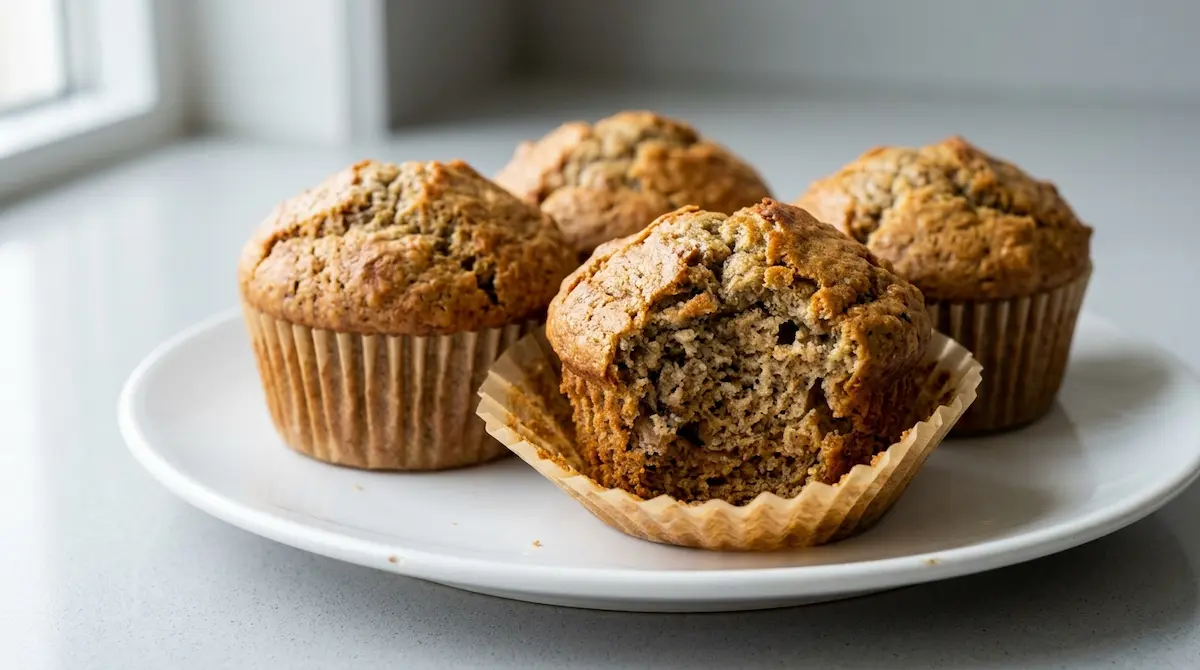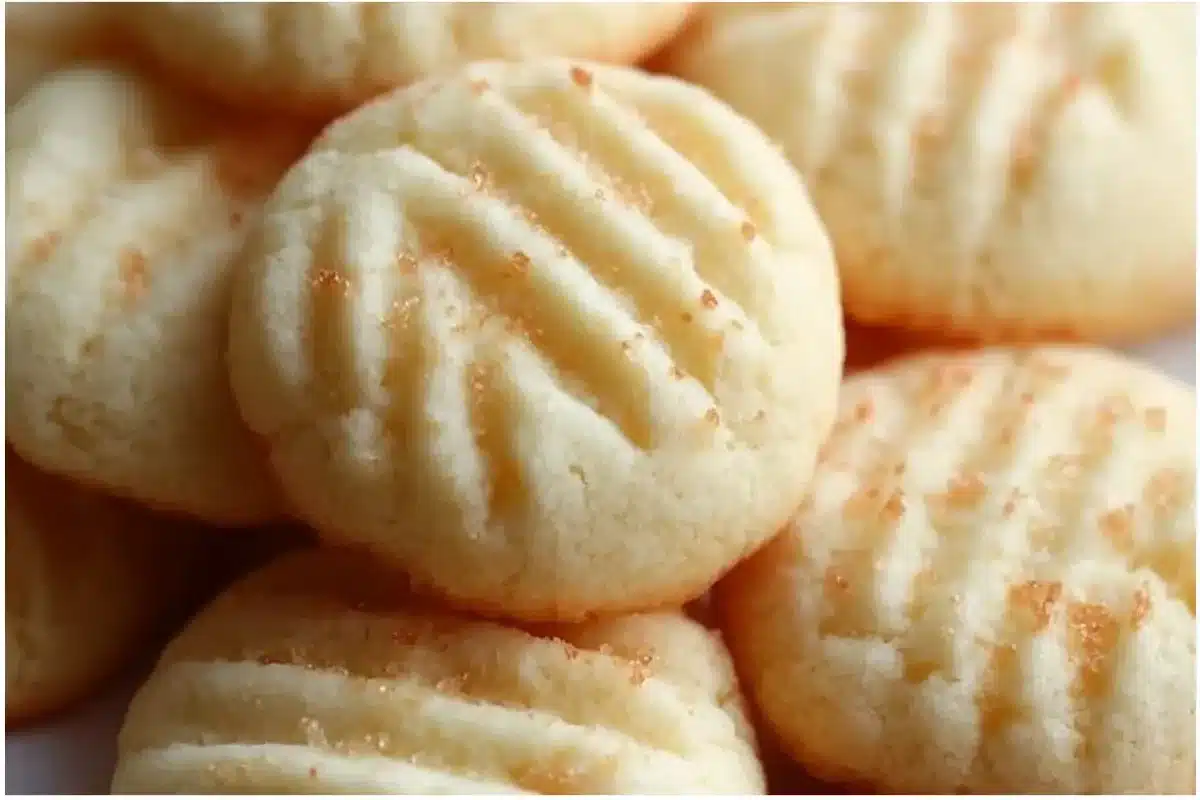
There’s shortbread, and then there’s Melt-in-Your-Mouth Whipped Shortbread — a lighter, cloud-like take on a classic that keeps the buttery flavor but transforms the texture. If you’ve ever had shortbread that felt dense, greasy, or crumbly in the wrong way, this recipe is designed to solve that: airy, tender, and reliably sliceable while still dissolving on your tongue. Read on for the culinary science behind whipped shortbread, a fail-proof recipe card, professional tips, variations, storage guidance, nutrition notes, and answers to the common questions home bakers ask.
If you love classic cookie techniques, you may also enjoy a deeper look at classic shortbread variations here: Shortbread Classics and Troubleshooting.
Why this recipe matters
- It fixes the common pain points of shortbread: dryness, spread, and grainy texture.
- It uses a straightforward method — no special equipment beyond a mixer and a baking pan — but applies technique to control texture and flavor.
- The result is a versatile base that can be flavored or dressed up for holidays, gifts, or afternoon tea.
What is whipped shortbread?
Whipped shortbread uses additional aeration and a slightly different fat-to-flour balance than traditional shortbread. Creaming the butter and sugar for longer incorporates more air, and the partial use of a finer, sometimes cornstarch-enriched flour mix yields a melt-in-the-mouth crumb. The goal is not a cakey cookie but a fragile, tender structure that holds its shape and flakes lightly.
Recipe overview — what you’ll learn here
- Ingredient breakdown with the “why” behind each component
- Step-by-step method with chef’s tactics
- Troubleshooting, professional tips, and common mistakes
- Variations and swaps (gluten-free, chocolate, citrus, spiced)
- Storage and reheating directions
- Nutrition insights and FAQs

Melt-in-Your-Mouth Whipped Shortbread
- Total Time: 50 minutes
- Yield: 24 servings 1x
- Diet: Vegetarian
Description
A lighter, cloud-like take on classic shortbread that melts in your mouth with every bite.
Ingredients
- 1 cup (226 g) unsalted butter, room temperature
- 3/4 cup (90 g) powdered sugar, sifted
- 1 tablespoon granulated sugar (optional, for aeration)
- 1 teaspoon pure vanilla extract
- 2 cups (240 g) all-purpose flour
- 1/4 cup (30 g) cornstarch or rice flour
- 1/2 teaspoon fine sea salt
- Extra powdered sugar for dusting (optional)
- Melted chocolate for drizzling (optional)
- Finely grated lemon zest (optional)
Instructions
- Preheat oven to 325°F (165°C). Line a 9×9 or 8×8 baking pan with parchment; leave an overhang.
- In a stand mixer bowl, beat the butter on medium speed until smooth and slightly pale, about 1-2 minutes.
- Add powdered sugar and granulated sugar (if using). Start on low and increase to medium-high, beating for 3-5 minutes until the mixture is pale, voluminous, and light.
- Add vanilla and salt, mixing on low speed just to combine.
- Sift together flour and cornstarch. With the mixer on low, add the flour mixture in two additions, scraping the bowl between additions. Mix just until combined.
- Press the dough into the prepared pan evenly. Dock the surface with a fork or score lines with a knife.
- Chill for 20-30 minutes if the butter is very soft.
- Bake for 20-30 minutes until edges are slightly golden and the top is just set.
- Let cool in the pan for 10-15 minutes, then lift out using the parchment overhang. Cut while warm into squares or wedges.
- Dust with powdered sugar or finish as desired.
Notes
Ensure the butter is at room temperature but not overly soft. Chill the dough if it seems too greasy.
- Prep Time: 20 minutes
- Cook Time: 30 minutes
- Category: Dessert
- Method: Baking
- Cuisine: American
Nutrition
- Serving Size: 1 piece
- Calories: 135
- Sugar: 6g
- Sodium: 50mg
- Fat: 10g
- Saturated Fat: 6g
- Unsaturated Fat: 3g
- Trans Fat: 0g
- Carbohydrates: 12g
- Fiber: 0g
- Protein: 1g
- Cholesterol: 30mg
Keywords: whipped shortbread, cookies, dessert, easy baking, holiday treats
Ingredient breakdown: the science and benefits
Understanding ingredients elevates results. Below I explain why each ingredient matters in whipped shortbread.
Unsalted butter (room temperature)
- Role: primary fat for flavor, structure, and mouthfeel.
- Science: Butter melts at body temperature, which is why shortbread “melts” on the tongue. Using unsalted lets you control seasoning.
- Pro tip: Use high-quality European-style butter (higher fat percentage) for the best flavor and richness.
Powdered (confectioners’) sugar vs. granulated sugar
- Role: sweetness and texture.
- Science: Powdered sugar contains a small amount of cornstarch and has a much finer particle size than granulated sugar. In whipped shortbread many bakers use powdered sugar to create a silkier, less gritty mouthfeel. A mix (mostly powdered with a touch of granulated) can increase aeration when creamed.
- Benefit: Powdered sugar reduces the chance of graininess.
All-purpose flour
- Role: structure.
- Science: Flour proteins (gluten) provide strength. Shortbread needs low gluten development: too much results in chewiness. We’ll use minimal mixing and a combination of flour and cornstarch (or rice flour) to lower protein strength.
Cornstarch (or rice flour)
- Role: tenderizing.
- Science: Adding cornstarch decreases overall protein and yields a softer, crumbly texture similar to pastry flour. Many shortbread recipes use 1–2 tablespoons per cup of flour.
- Benefit: Adds that “melt-in-mouth” quality.
Salt
- Role: balances and enhances flavor.
- Science: Salt strengthens flavor perception and controls sweetness.
Vanilla extract (or other flavoring)
- Role: flavor depth.
- Alternatives: citrus zest, lemon balm infusion, almond extract, or matcha.
Optional: powdered milk or a pinch of cream of tartar
- Role: subtle texture tweaks
- Science: Powdered milk can add tenderness and a softer crumb; cream of tartar acidifies the batter slightly to keep colors and improve tenderness.
Ingredient swaps and dietary notes
- Vegan: Use a high-quality plant-based butter stick with similar water content; chilling and handling are slightly different.
- Gluten-free: Replace all-purpose flour with a 1:1 gluten-free flour blend that contains xanthan gum or add 1/4 teaspoon xanthan gum per cup for structure.
- Lower sugar: Reduce sugar by 10–20% but note texture will change slightly.
Recipe Card — Melt-in-Your-Mouth Whipped Shortbread
Yield: about 24 small squares (or one 9×13 pan)
Active time: 20 minutes
Chill time: 30 minutes (optional)
Bake time: 20–30 minutes (depending on pan and thickness)
Ingredients:
- 1 cup (226 g) unsalted butter, room temperature
- 3/4 cup (90 g) powdered sugar, sifted
- 1 tablespoon granulated sugar (optional, for aeration)
- 1 teaspoon pure vanilla extract
- 2 cups (240 g) all-purpose flour
- 1/4 cup (30 g) cornstarch or rice flour
- 1/2 teaspoon fine sea salt
Optional finish:
- Extra powdered sugar for dusting
- Melted chocolate for drizzling
- Finely grated lemon zest
Method:
- Preheat oven to 325°F (165°C). Line a 9×9 or 8×8 baking pan with parchment; leave an overhang.
- In the bowl of a stand mixer fitted with the paddle attachment (or with a handheld mixer), beat butter on medium speed until smooth and slightly pale, about 1–2 minutes.
- Add powdered sugar and granulated sugar (if using). Start on low and increase to medium-high. Beat for 3–5 minutes until the mixture is pale, voluminous, and light — this is the whipping step that gives the cookie its lift.
- Mix in vanilla and salt on low speed just to combine.
- Sift together flour and cornstarch. With the mixer on low, add the flour mixture in two additions, scraping the bowl between additions. Mix just until combined — don’t overwork. The dough should be soft and a little tacky.
- Press the dough into the prepared pan evenly, using an offset spatula or the bottom of a measuring cup. Dock the surface with a fork or make shallow score lines with a knife for pieces.
- Chill 20–30 minutes if your butter is very soft. This prevents too much spreading.
- Bake for 20–30 minutes until edges are slightly golden and the top is just set. Shortbread shouldn’t brown deeply.
- Let cool in the pan for 10–15 minutes, then lift out using the parchment overhang. If scored, cut while warm into squares or wedges. Transfer to a wire rack to cool completely.
- Dust with powdered sugar or finish as desired.
Notes:
- Use room-temperature butter but not so soft that it’s greasy.
- The key texture is achieved in the creaming/whipping step: allow adequate time for air incorporation.
- If you want crisp edges, bake on the lower oven rack for more even bottom browning.
Step-by-step method with real cooking insights
The single most decisive step is the whipping. Unlike traditional pressed shortbread, whipped shortbread aims for aeration.
Step 1 — Temperature and equipment
- Butter: Too cold won’t whip; too warm gets greasy. Aim for soft but still structured — pressable with your finger and springy.
- Mixing bowl: A metal or glass bowl is cooler than plastic.
- Paddle attachment is preferred. Whipping on the whisk can over-aerate and collapse structure.
Chef’s insight:
- Scrape the bowl twice during the whipping step. Uneven creaming yields pockets of density.
Step 2 — Sugar choice and timing
- Powdered sugar should be sifted to avoid lumps. The small amount of granulated sugar helps with aeration and gives a tiny bit of bite.
- Beat longer than you would for cookie dough: 3–5 minutes at medium-high typically. You want volume and pale color.
Step 3 — Flour mixing
- Overmixing is the enemy. Add flour in two steps and stop once the streaks disappear. Use a spatula to finish if necessary.
- If the dough seems crumbly, the butter may be too cold; warm slightly in short bursts.
Step 4 — Pan technique and docking
- Press evenly for uniform thickness, which yields consistent baking.
- Docking (fork holes) allows steam to escape and prevents bubbling; score lines create clean break points that help when the shortbread is still warm.
Step 5 — Baking and cooling
- Bake at a lower temp (325°F/165°C) for more even baking without browning.
- Allow a brief cool in pan to firm up; cut warm to avoid crumbling, but cool fully before moving to storage.
Pro tips, chef tricks, and mistakes to avoid
- Don’t skip the whipping step. It’s the defining technique separating whipped shortbread from denser varieties.
- Avoid powdered sugar with cornstarch if you plan to dust heavily — it can create a dull surface. Use a fine dust only briefly before serving.
- If you want perfect squares, score deeply before baking and cut while slightly warm. If you cut after fully cooled, the cookie will crumble.
- Prevent spread: chill briefly if your kitchen is warm, and press firmly into pan. If the surface seems greasy or wet, the butter was too soft.
- For a perfectly sharp edge, use a metal bench scraper to press dough into the pan; parchment reduces adhesion and allows clean removal.
- Use a light hand mixing the flour in — treat the dough like pastry.
- If you want crisp edges and a tender center, try baking on the center rack for 18–22 minutes and then move to the lower rack for 3–5 minutes to finish the bottom.
- Salt balance matters: too little and the cookie tastes flat; too much rounds as savory. Fine sea salt, 1/2 teaspoon per recipe, is usually ideal.
Common mistakes and fixes
- Greasy, flat cookie: butter too warm. Chill dough 20 minutes and rebake on the hotter rack for a crust finish.
- Too crumbly (falls apart when cut): undermixed? Or pastry flour substitution wrong. Try adding 1 tablespoon of cream or milk to bind next time.
- Gritty texture: sugar not fully dissolved; use powdered sugar, or beat longer to dissolve granulated particles.
Variations + swaps
Whipped shortbread is a blank canvas. Here are tested variations that preserve texture.
Flavoring
- Lemon zest + 1 teaspoon lemon extract — brightens the butter.
- Matcha (1½–2 teaspoons) — replace 1 tablespoon flour with matcha for color and flavor.
- Almond extract (¼ tsp) + chopped toasted almonds folded in before pressing.
- Espresso: 1 teaspoon instant espresso dissolved in 1 tsp hot water to mix with the butter.
Add-ins
- Chocolate chips: use mini chips to preserve texture.
- Crushed pistachios: press into the top pre-bake for color and crunch.
- Jam drop: after pressing, make indentations and fill with 1/2 teaspoon jam for thumbprint shortbread.
Coatings & finishes
- Dip half in tempered chocolate for an elegant finish.
- Sprinkle flaky sea salt on top before baking for a salted-butter contrast.
- Dust with powdered sugar or roll edges in finely chopped nuts after cooling.
Special diets
- Gluten-free: swap for a 1:1 GF blend that includes starches. Add 1/8–1/4 tsp xanthan gum if the blend lacks it.
- Vegan: use a block vegan butter that behaves like butter (not tub spreads). Chill longer and reduce oven time slightly.
Seasonal ideas
- For winter holidays, blend in 1 teaspoon ground cardamom or ½ teaspoon ground ginger.
- For spring, use lemon balm or a light lemon balm syrup infusion (see our Lemon Balm Drink recipe for inspiration on flavor pairing).
If you want other shortbread shapes and classic techniques, compare this whipped method with traditional pressed shortbread in our shortbread guide: Classic Shortbread Techniques.
Storage, gifting, and reheating
Storage
- Room temperature: Keep in an airtight container layered with parchment for up to 5 days.
- Refrigeration: Not recommended for long-term storage — moisture uptake will dull texture. If you must refrigerate, bring to room temperature before serving.
- Freezing: Freeze unbaked dough pressed into the pan or baked cookies in a single layer with parchment between layers. Wrap tightly in plastic and foil. Unbaked, thaw in pan and bake as directed; baked cookies freeze well for up to 3 months. Thaw at room temp.
Reheating
- Shortbread is best at room temperature. For warm servings: heat a single slice for 6–10 seconds in a microwave (careful — they can get chewy) or 3–5 minutes in a 300°F oven to refresh crispness.
Gifting
- Package in parchment paper and a tight tin to keep them from breaking.
- Add a small packet of powdered sugar and a note: “Dust before serving” — keeping them separate helps avoid sogginess.
Nutrition insights
Shortbread is a butter-forward cookie. Here’s an approximate per-piece (one of 24 squares) nutritional snapshot. Values will vary by ingredient.
Approximate per piece:
- Calories: 120–150 kcal
- Fat: 9–11 g (mostly saturated from butter)
- Carbohydrates: 9–12 g
- Protein: 1–2 g
- Sodium: 40–80 mg (depending on salt in butter and added salt)
Health notes
- Shortbread isn’t a low-fat food; it’s an indulgent treat. To reduce calories, you can make smaller portions or explore butter substitutes, though flavor and texture will change substantially.
- For a slightly higher-protein twist, serve shortbread with a Greek-yogurt based dip or cream and fresh fruit — for pairing ideas, check our Greek yogurt nutrition guide and recipes.
FAQs (schema-ready style)
Q: What’s the difference between whipped shortbread and regular shortbread?
A: Whipped shortbread incorporates more air during creaming and often uses powdered sugar plus cornstarch to reduce gluten development, producing a lighter, more delicate texture compared with denser, pressed shortbread.
Q: Can I make this recipe without a mixer?
A: You can, but it’s challenging. Creaming by hand requires a wooden spoon and effort to fully aerate the butter and sugar. Use chilled dough if you struggle to whip enough air.
Q: Why did my whipped shortbread spread too much?
A: Likely reasons include butter that was too warm, insufficient chilling before baking, or too thinly spread dough. Next time chill the dough or slightly reduce oven temperature.
Q: Can I bake this as drop cookies instead of in a pan?
A: Yes, but bake at 350°F for 12–14 minutes and expect slightly less uniform edges. Press down gently before baking for even thickness.
Q: How do I prevent shortbread from becoming greasy?
A: Use properly tempered butter (room temperature, not overly soft), don’t overmix after adding flour, and avoid excess handling.
Q: Is powdered sugar required?
A: Powdered sugar improves texture by reducing grittiness. Using only granulated sugar will give a different mouthfeel and requires longer beating to dissolve the sugar.
Troubleshooting quick guide
- Dough too crumbly: Add 1 tablespoon milk or cream and knead gently; allow to rest 10 minutes then press into pan.
- Dough too soft and greasy: Chill for 30 minutes, then re-press and reduce bake time slightly.
- Overly browned top: Lower oven temp by 10–15°F or move to a lower rack next time.
- Uneven bake: Ensure even thickness and preheat the oven fully.
Serving suggestions and pairings
- Tea time: Pair with Earl Grey or Darjeeling. The buttery cookie balances the tannin.
- Dessert plate: Serve with macerated berries and a dollop of lightly sweetened whipped cream.
- Gift box: Layer with wax paper, include a small jar of chutney or jam.
- Coffee pairing: A dense espresso cut through the richness; try the Blueberry Cloud coffee recipes from our site for a specialty pairing.
If you enjoy combining classic desserts with citrus or fruit accents, try pairing these shortbread squares with an apple crisp or jam drops for a contrasting texture and flavor profile (see our jam drop and apple crisp recipes for ideas).
Final inspiration
Shortbread is one of the most forgiving and rewarding cookies to bake once you understand the role of aeration and fat. Melt-in-Your-Mouth Whipped Shortbread takes a simple ingredient list and, with the right technique, produces an elevated texture worth repeating.
Conclusion
Baking Melt-in-Your-Mouth Whipped Shortbread gives you an elegant, versatile cookie that works for everyday tea time, holiday gifting, or as a base for layered desserts. For more whipped shortbread variations and holiday-inspired recipes, see this Whipped Shortbread Cookies (Christmas Cookies) guide for classic shaping and finishing ideas from Greedy Eats and another excellent home-baker’s take on Melt-In-Your-Mouth Shortbread Cookies at Claudia’s Cookbook. These resources offer complementary techniques and flavor ideas to expand on the method above:
If you enjoyed this recipe and the technique, save it, share it, and try one variation each week — start with lemon zest, then pistachio, then a chocolate-dipped version. Happy baking.