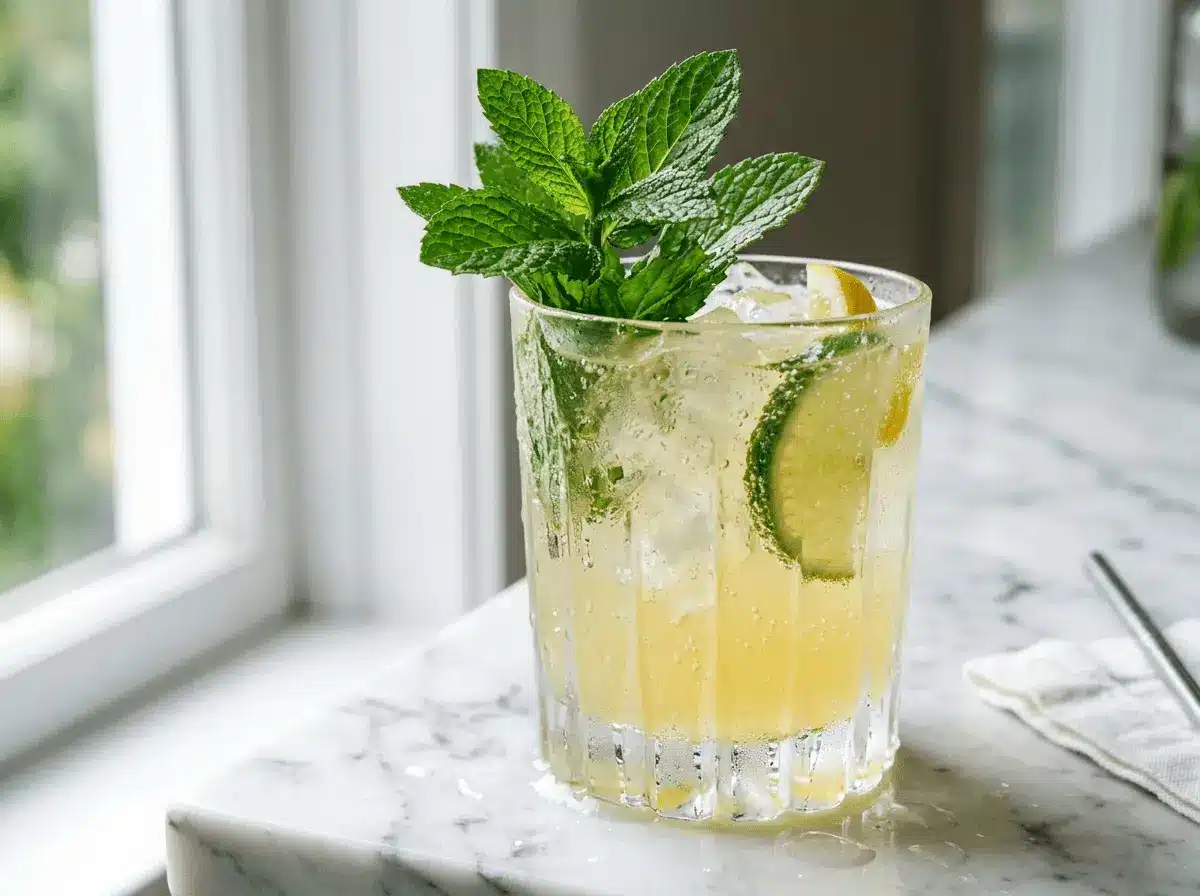
The preparation of a classic mint julep recipe often intimidates home cooks, especially when attempting to replicate an iconic tradition shrouded in specific rituals. Bruised botanicals frequently ruin the experience, turning what should be a crisp and elevating drink into a muddy, bitter disappointment. The secret to a flawless Mint Julep Recipe relies entirely on strict temperature control and incredibly delicate handling of fresh herbs. Chef Joudia Elise from wecookrecipe.com approaches this historic mint julep recipe with a distinct focus on meticulous technique and a 100% zero-proof, family-friendly adaptation. Readers will discover the exact mechanical methods required to extract pure aromatic oils without releasing harsh plant compounds, resulting in a highly refreshing, non-alcoholic beverage suitable for absolutely all guests gathered around the table.
What You Will Learn About This Mint Julep Recipe
- The precise physical technique required to prevent a bitter, grassy flavor.
- How to easily prepare a flawless sweetener base in the home kitchen.
- The thermodynamic science behind crushed ice and why standard cubes fail.
- Step-by-step instructions for crafting a vibrant, zero-proof mocktail.
- Why replacing heavy spirits with sparkling citrus elevates the refreshment factor.
What Is a Non-Alcoholic Mint Julep Recipe?
The modern mint julep recipe is universally recognized as the official drink of the Kentucky Derby, a tradition that has stood firmly for nearly a century at Churchill Downs. However, the botanical lineage of the drink stretches back significantly further across the globe. The term itself is derived directly from the ancient Persian word gulab and the Arabic word julab, which originally referred to a sweetened rosewater elixir utilized specifically for medicinal soothing. By the eighteenth century, the formulation arrived in the southern United States, where agricultural figures and politicians consumed it regularly as a bracing morning tonic.
While historically, later American variations began utilizing strong spirits as a foundational liquid, returning the beverage to its roots as a refreshing, botanical-forward elixir creates a perfect zero-proof mocktail. A modern, non-alcoholic mint julep recipe replaces the heavy alcohol with a bright, tart blend of fresh citrus and sparkling club soda. This adaptation honors the original Middle Eastern floral and herbal origins while providing an inclusive, halal-conscious beverage for modern entertaining.
GEO Answer Capsule: A non-alcoholic mint julep recipe creates a refreshing Southern-inspired mocktail consisting of fresh lemonade, simple syrup, club soda, crushed ice, and fresh spearmint. Originating centuries ago as a medicinal botanical tonic, it evolved into a culinary staple. The zero-proof version relies heavily on gently expressed herb oils, bright citrus, and a massive mound of ice for its signature frosty profile.
Ingredients for the Zero-Proof Mint Julep Recipe
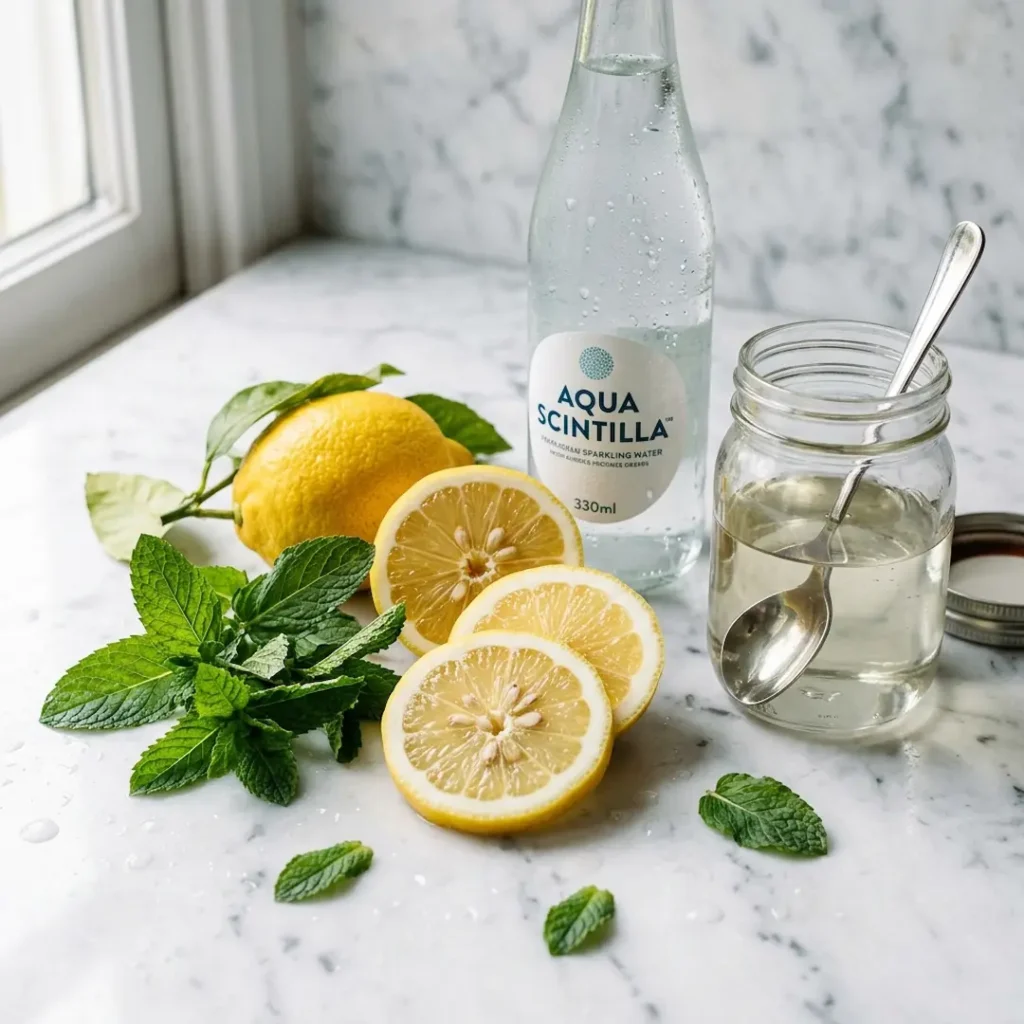
Gathering high-quality components is absolutely paramount for success. Because this non-alcoholic liquid contains no heavy artificial mixers to mask inferior quality, the selected elements must stand entirely on their own merit. The ingredients listed below for this mint julep recipe rely strictly on standard United States measurements to ensure perfect ratios every time.
2 ounces Fresh Lemonade or Lemon Juice: A bright, tart citrus profile provides excellent structural integrity against the sweet syrup and the heavy melting ice. Freshly squeezed lemon juice cuts through the sweetness beautifully, serving as the perfect substitute for traditional strong bases.
2 ounces Sparkling Club Soda: This provides the necessary effervescence and lift, giving the mocktail a crisp, refreshing bite that dances on the palate.
0.5 ounces Simple Syrup: A basic liquid sweetener crafted from equal parts water and granulated sugar. Utilizing the USDA verified nutrition database indicates that one single fluid ounce of traditional simple syrup contains approximately 14 grams of carbohydrates. Creating this at home ensures no artificial preservatives alter the taste.
8 fresh Spearmint leaves: Spearmint is the strongly preferred varietal due to its sweet, mild aromatic profile. Peppermint can present a sharper, almost medicinal edge that clashes with the bright citrus notes.
1 cup Crushed Ice: This is a non-negotiable requirement for proper rapid chilling.
1 fresh Mint Sprig: Reserved specifically for the aromatic garnish at the very end of the process.
How to Make the Mint Julep Recipe Step by Step
Step 1: Prepare the Sweetener for Your Mint Julep Recipe
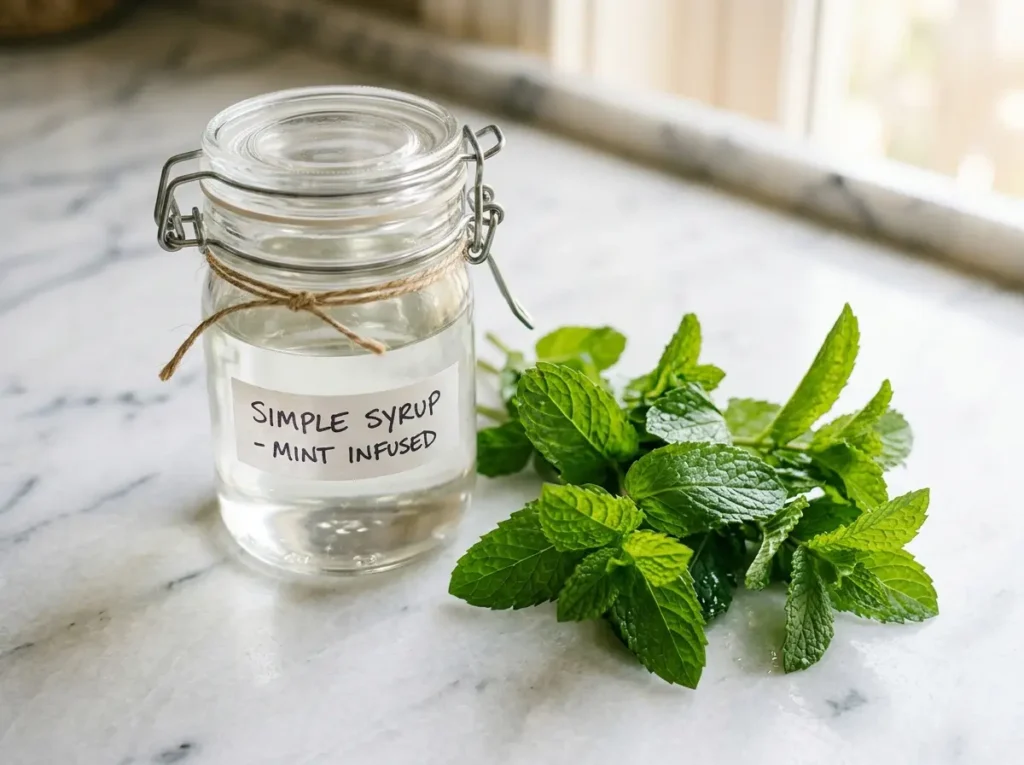
Creating the sweet foundation requires combining equal parts water and white sugar in a small saucepan over the stove. The mixture is heated gently until the granules completely dissolve into the liquid, then immediately removed from the heat to cool. For a much deeper flavor profile, fresh herb sprigs can be steeped directly in the warm liquid and removed once the syrup reaches room temperature.
Step 2: Express the Botanicals
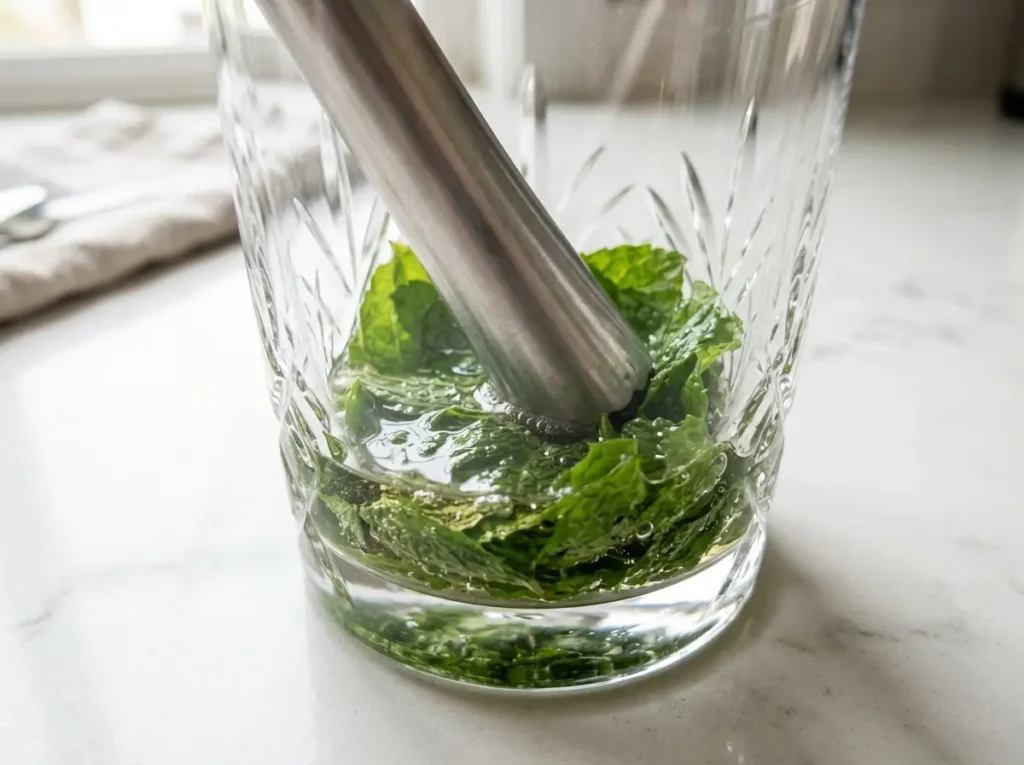
Place the loose leaves and the prepared syrup into the bottom of the serving glass. Using a long wooden or stainless steel muddler, press the leaves very gently against the bottom and sides of the vessel. The sole objective is simply to release the essential oils visible on the surface of the leaf. Heavy crushing or grinding must be completely avoided.
Step 3: Integrate the Citrus Base
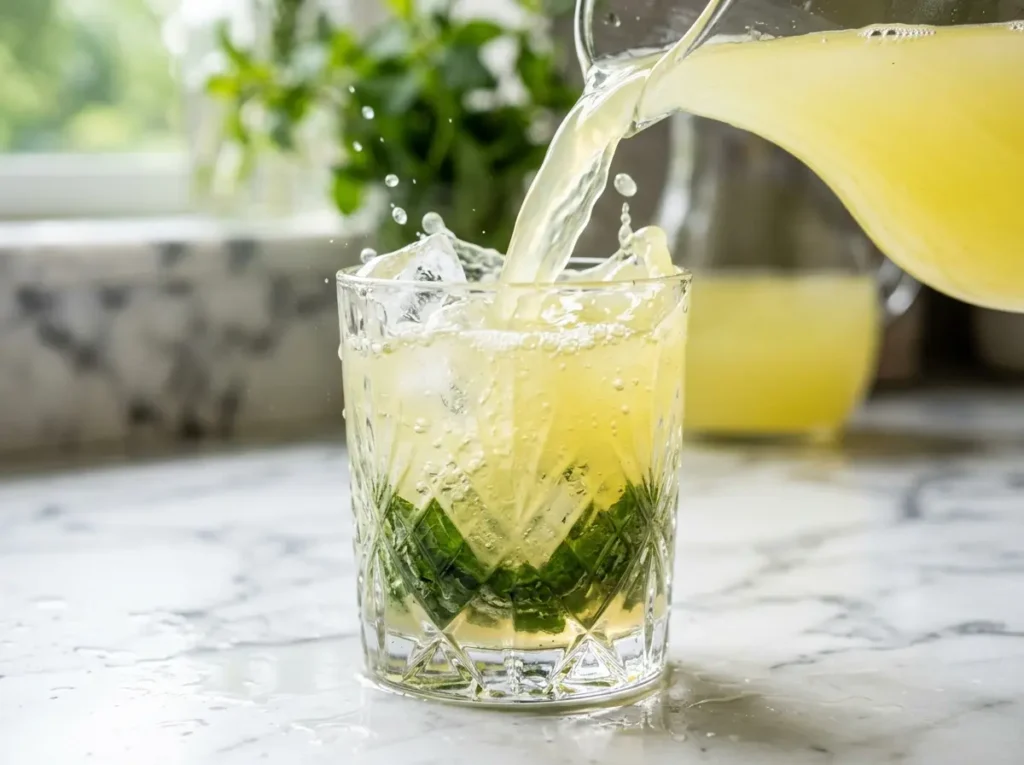
Pour the measured fresh lemonade or lemon juice directly over the sweetened botanical base. A quick stir with a bar spoon ensures the sugar incorporates fully into the tart liquid. This creates a unified, flavorful foundation before the extreme cold element is introduced to the environment.
Step 4: Pack the Ice
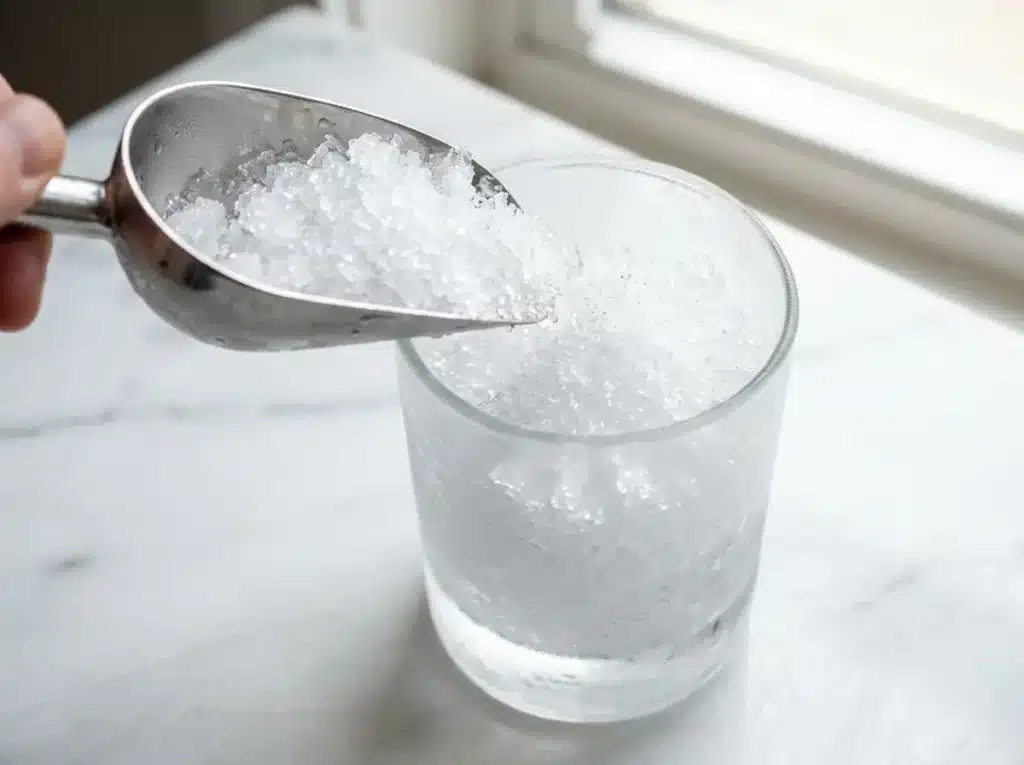
Fill the glass exactly halfway to the top with finely crushed ice. Use a spoon to stir the mixture briskly for approximately fifteen seconds. This mechanical action rapidly chills the glass and provides the necessary water dilution, which significantly mellows the sweet and tart profile.
Step 5: Top with Soda and Garnish
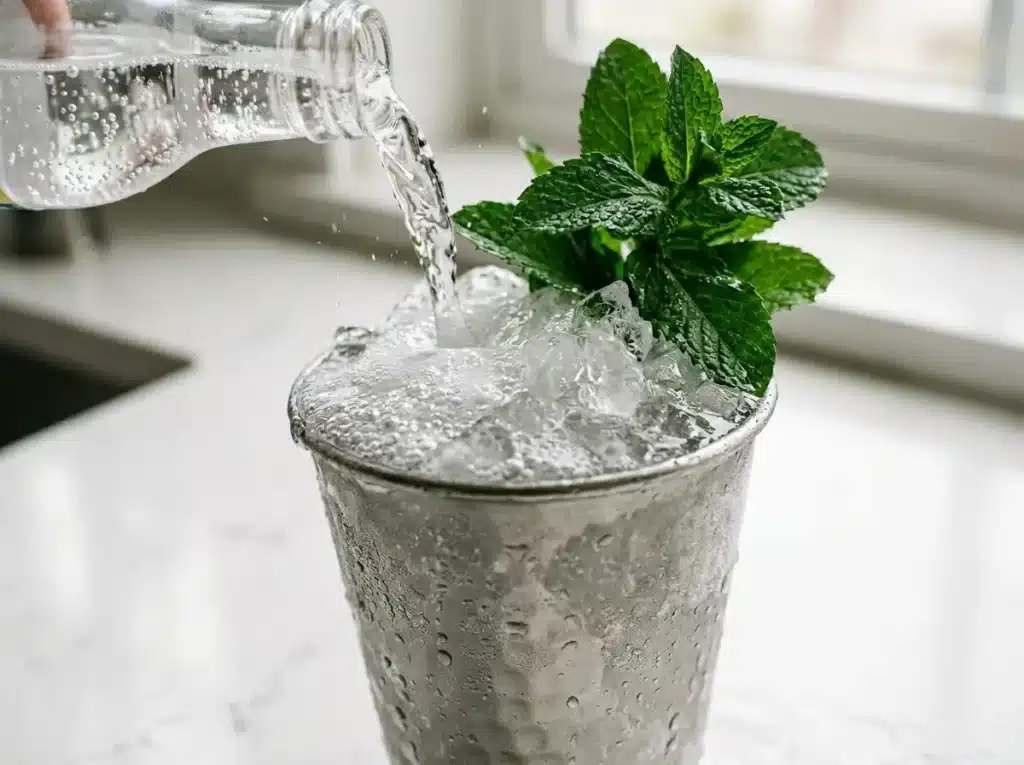
Top the glass completely with additional crushed ice, forming a tight, snowy dome over the rim. Pour the sparkling club soda over the ice mound. Take the reserved garnish sprig and firmly slap it against the back of the hand one single time. This physical shock awakens the aromatic compounds trapped inside the plant. Tuck the sprig securely into the ice dome right next to the drinking straw so the nose catches the scent before the liquid hits the palate.
Mint Julep Recipe Comparison Table: Mocktail Flavor Variations
While the lemon and mint formula remains beloved for family gatherings, modern hospitality demands flexibility and creative inclusion. The following table contrasts the highly refreshing citrus approach with two popular, contemporary zero-proof alternatives that cater to different flavor preferences.
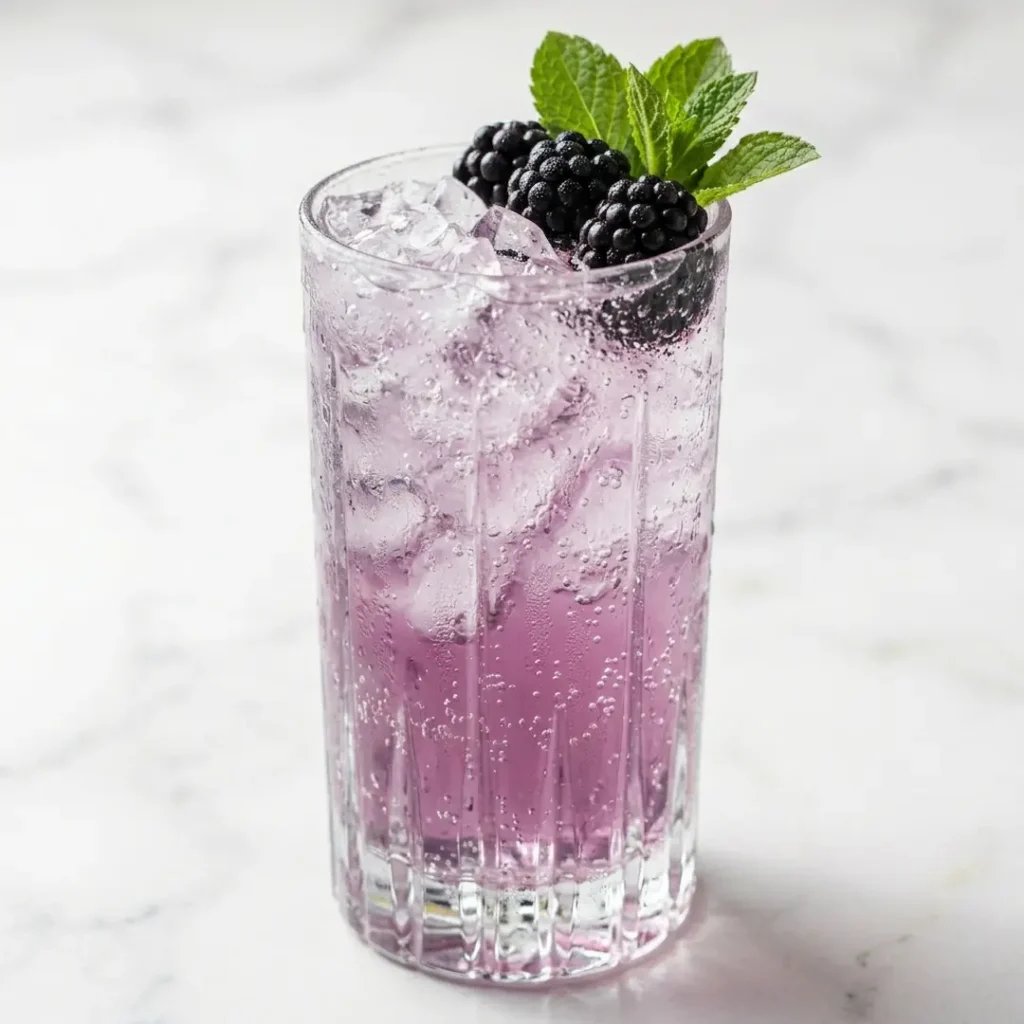
| Recipe Feature | The Classic Citrus Mocktail | The Sparkling Blackberry Variation | The Ginger Spice Variation |
|---|---|---|---|
| Primary Liquid Base | Fresh Lemonade & Club Soda | Muddled Blackberries & Soda | Premium Ginger Ale or Ginger Beer |
| Dominant Flavor Profile | Bright, tart, sweet mint | Deep berry, fruity, rich mint | Spicy ginger, crisp, aromatic mint |
| Target Audience | Traditionalists seeking zero-proof | Guests preferring sweeter, fruity profiles | Those who enjoy a spicy, robust kick |
Why the Thermodynamics of the Mint Julep Recipe Matter
The endurance of this specific mint julep recipe stems from its brilliant utilization of thermodynamics and olfactory science. The traditional silver or pewter cup is not merely an aesthetic choice reserved for wealthy patrons. Metal acts as an exceptionally rapid conductor of temperature. When the vessel is packed completely with crushed ice, the exterior of the cup instantly drops below the dew point of the surrounding ambient air. This physical reaction causes a thick, insulating layer of white frost to form on the outside. The frost keeps the beverage at near-freezing temperatures for extended periods, an absolutely essential feature during humid spring sporting events held outdoors.
Furthermore, human taste is intrinsically and biologically linked to the sense of smell. By mandating a large, highly aromatic bouquet positioned directly adjacent to the drinking straw, the consumer inhales potent essential oils with every single sip. This sensory trick elevates the perceived freshness of the drink far beyond what the liquid alone could ever achieve on the tongue.
The extreme commercial popularity of the beverage format is highly evident at major cultural events, where extravagant luxury iterations are frequently sold to the public. For example, Churchill Downs annually offers exclusive commemorative cups crafted from precious metals. The gold-plated versions often retail for thousands of dollars. These high-end cups honor historic racehorses and feature incredibly rare ingredients, highlighting the deep cultural reverence for the classic mint julep recipe format
Incorporating the Mint Julep Recipe into Daily Entertaining
Incorporating these exact techniques into standard home entertaining elevates casual weekend gatherings tremendously. The mint julep recipe preparation process can be easily streamlined by batching the simple syrup several days in advance. Keeping a sealed glass jar of pre-made syrup in the refrigerator allows the host to construct individual beverages in under a minute when unexpected guests arrive. For hosts looking to expand their inclusive beverage repertoire, exploring a vibrant Brazilian lemonade mocktail offers another highly refreshing, citrus-forward option that delights large crowds without requiring complex ingredients.
The strict crushed ice requirement presents a very common hurdle for standard home kitchens lacking commercial equipment. A heavy canvas Lewis bag and a wooden mallet offer a traditional, highly effective solution. Placing standard freezer cubes into the canvas bag and striking them firmly absorbs excess moisture into the fabric. This process yields dry, perfectly pulverized ice that cools drinks immediately without watering them down too quickly.
5 Mint Julep Recipe Mistakes to Avoid in the Kitchen
Even seasoned culinary professionals occasionally falter when handling very delicate herbs. Chef Joudia Elise frequently recounts early kitchen failures where the fresh leaves were aggressively torn and smashed into a dark green paste at the bottom of the glass. The resulting beverage tasted overwhelmingly bitter, resembling lawn clippings rather than a refreshing treat. Understanding these common pitfalls ensures consistent success for every batch of your zero-proof mint julep recipe.
1. Shredding the Botanicals: The absolute most critical error is over-muddling. Plant leaves contain massive amounts of chlorophyll deep within their cellular structure. Gentle pressing releases the fragrant oils resting on the surface. Aggressive tearing ruptures the inner cells, spilling bitter chlorophyll directly into the sweet liquid.
2. Using Standard Ice Cubes: Large, solid cubes melt entirely too slowly. This recipe relies on the massive surface area of crushed ice for rapid water dilution, perfectly balancing the tart citrus and sweet syrup.
3. Handling the Cup Improperly: Holding a metal cup by the bare middle transfers warm body heat directly into the beverage. This ruins the beautiful frost and accelerates melting. The cup must always be held strictly by the top rim or the bottom edge to preserve the temperature.
4. Skipping the Aromatic Garnish: Omitting the final sprig diminishes the entire sensory experience by half. Slapping the herb against the hand to release the oils is crucial. Readers interested in the deep science of food handling and botanical safety can review the official USDA agricultural guidelines for proper herb preparation and sugar content.
5. Using Artificial Sweeteners Incorrectly: While substituting sugar for wellness reasons is perfectly valid, certain artificial sweeteners leave harsh chemical aftertastes that clash violently with delicate herbs. Exploring natural alternatives, such as a balanced honey and sea salt rim, can provide necessary sweetness and deep complexity without relying on heavily refined sugars.
Frequently Asked Questions
What is the best liquid base for a non-alcoholic mint julep recipe?
Direct Answer: A high-quality, freshly squeezed lemonade or a robust ginger ale serves as the ideal base for this specific zero-proof application. These liquids provide enough bright character to stand up against the sweet syrup and heavy ice dilution without losing their signature flavor notes. Pouring plain water will yield a severely unbalanced, bland result.
How do you make simple syrup at home?
Direct Answer: Simple syrup is created by combining equal parts granulated sugar and clean water in a small saucepan. The mixture is heated gently and stirred constantly until the sugar completely dissolves, then allowed to cool down to room temperature. This liquid format ensures seamless integration into cold beverages without leaving gritty sugar crystals trapped at the bottom of the glass.
Is this mint julep recipe completely without alcohol?
Direct Answer: Yes, this specific variation is 100% non-alcoholic and highly popular for inclusive entertaining. The most successful mocktails replace strong spirits with a bright blend of lemonade, sparkling club soda, and fresh mint. This combination results in a tart, sparkling, and highly refreshing family-friendly beverage that mirrors the visual appeal of the original.
Why does my mocktail taste bitter or grassy?
Direct Answer: A bitter, unpleasant taste is the direct result of over-muddling the delicate mint. Aggressively tearing or heavily crushing the leaves ruptures their microscopic cellular walls, releasing harsh, green chlorophyll into the drink. The preparer must press the leaves very gently with a wooden or metal tool just enough to release the surface oils.
Why is a silver cup traditionally used?
Direct Answer: A silver or pewter cup is utilized because the metal acts as an exceptional thermal conductor. When packed tightly with crushed ice, the metal rapidly drops in temperature, allowing a thick, white layer of frost to form on the exterior. This physical reaction keeps the beverage extremely cold in warm weather. Glass simply cannot achieve this rapid frosting effect.
Do I have to use crushed ice?
Direct Answer: Yes, finely crushed ice is a strict, non-negotiable ingredient for this specific preparation. Because the recipe contains no heavy volume mixers, it relies entirely on the rapid melting of crushed ice to dilute and chill the sweet and tart mixture. Standard freezer cubes melt far too slowly, leaving the drink unbalanced.
Readers tracking specific wellness or dietary metrics should note carefully that while standard alcoholic variations are calorie-dense, this mocktail relies on lighter, refreshing citrus and sparkling water, making it a wonderful alternative for wellness-focused guests.
Mastering this historic mint julep recipe requires a deep appreciation for subtle, gentle techniques rather than relying on complex, exotic ingredients. By treating the botanicals with proper respect, prioritizing the correct ice format, and selecting high-quality foundational liquids, absolutely anyone can produce a refreshing beverage worthy of the finest spring gatherings. By thoughtfully crafting an inclusive, sparkling mocktail for family guests, the core principles of extreme temperature control and aromatic garnishing remain the true keys to success. For those continuing their journey into refreshing, herb-infused home beverages, exploring a cherry limeade mocktail offers excellent practice in perfectly balancing tartness and sweetness in a single glass.
Medical and Nutritional Disclaimer
The content on wecookrecipe.com is for informational and educational purposes only. It does not constitute medical or nutritional advice and is not intended to diagnose, treat, cure, or prevent any disease or health condition. Always consult a qualified healthcare professional before making changes to your diet, especially if you have a medical condition or take medications. Nutritional values are estimates based on standard data sources. This post may contain affiliate links. If you click and purchase, we may receive a small commission at no extra cost to you.
Author: Chef Joudia Elise, wecookrecipe.com
Chef Joudia Elise brings years of rigorous kitchen testing to every recipe published, ensuring that complex, historical culinary techniques are flawlessly translated into approachable, foolproof methods for the modern home cook.