If you have ever sipped a warm, toasty tea that tasted almost like roasted nuts or caramel rather than fresh grass, you may already have met hojicha without knowing its name. In simple terms, what is hojicha? Hojicha is a Japanese roasted green tea made by slowly roasting green tea leaves, stems, or twigs over high heat until they turn a reddish brown color and develop a mellow, nutty flavor with very low bitterness and relatively low caffeine, which makes it a soothing base for any evening hojicha recipe you want to try.
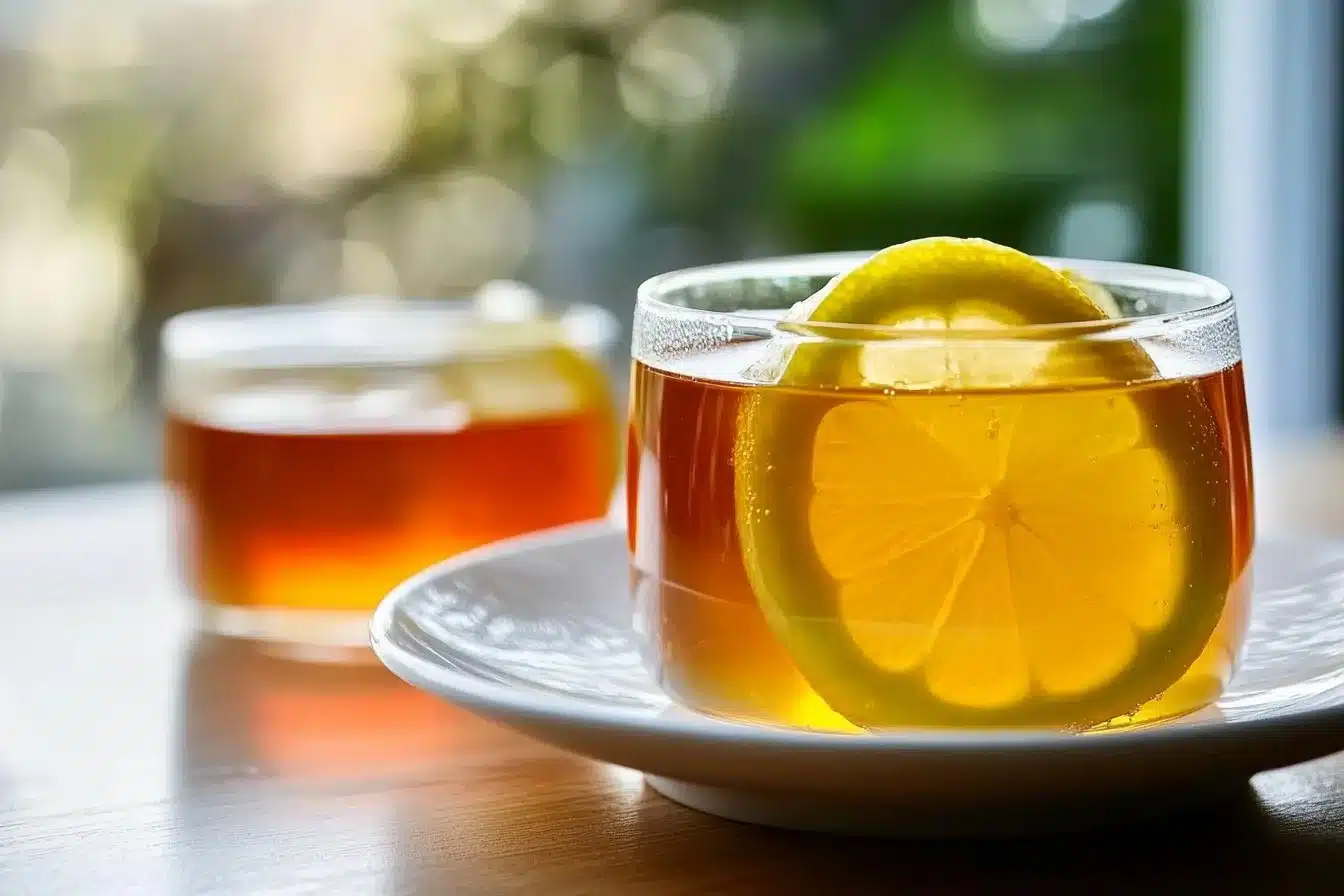
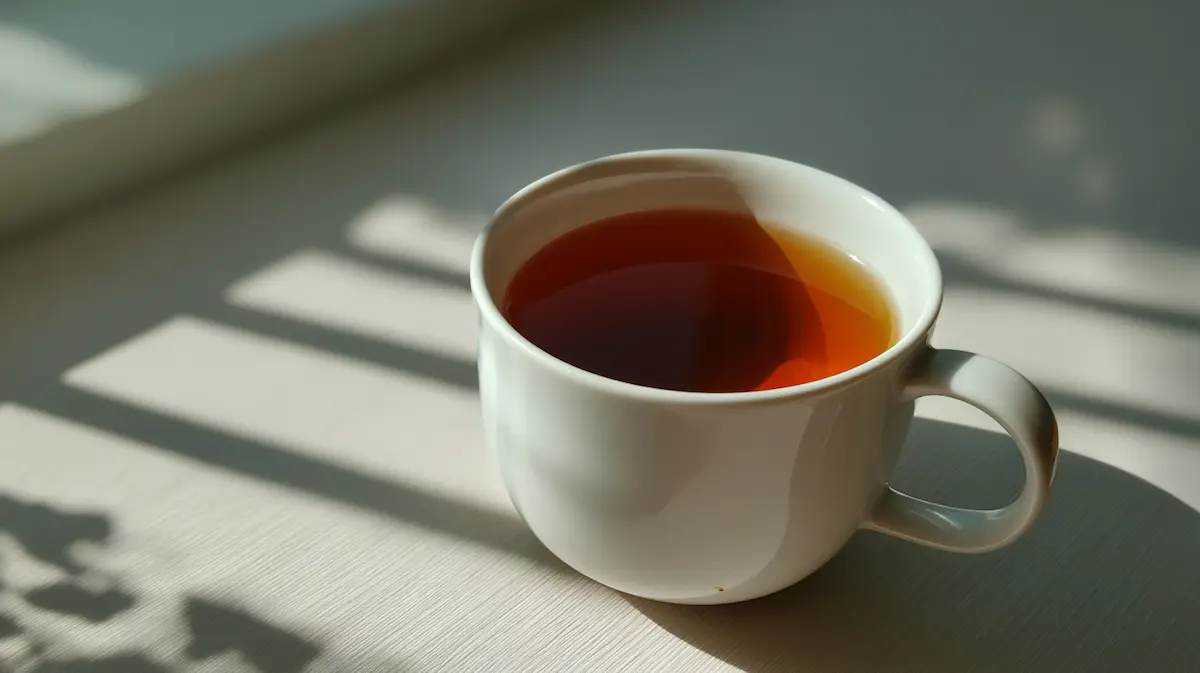
Unlike many bright green Japanese teas, hojicha brews into an amber to deep brown liquor that smells cozy and slightly smoky instead of vegetal. It is popular in Japan as an everyday evening tea, in cafés as a hojicha latte, and around the world as a gentle alternative to stronger green and black teas, especially when you build a simple hojicha recipe around it with milk or your favorite non dairy milk.
Quick answer what is hojicha
Hojicha is a roasted Japanese green tea made from bancha, sencha, or kukicha that is roasted until the leaves turn brown, giving the tea a toasty, nutty flavor and lower caffeine than most regular green teas. It is enjoyed plain, as a hojicha latte with milk, or as a powdered tea in desserts and drinks, and almost every modern hojicha recipe you see online starts from this basic definition.
What is hojicha made from
Hojicha starts with regular Japanese green tea leaves from the Camellia sinensis plant, usually bancha (mature late season leaves), sencha (common steamed green tea), or kukicha (twig and stem tea). These base teas are steamed and dried like typical Japanese green teas, then roasted to transform their color and flavor, which is why any hojicha recipe begins by specifying the type of leaf used.
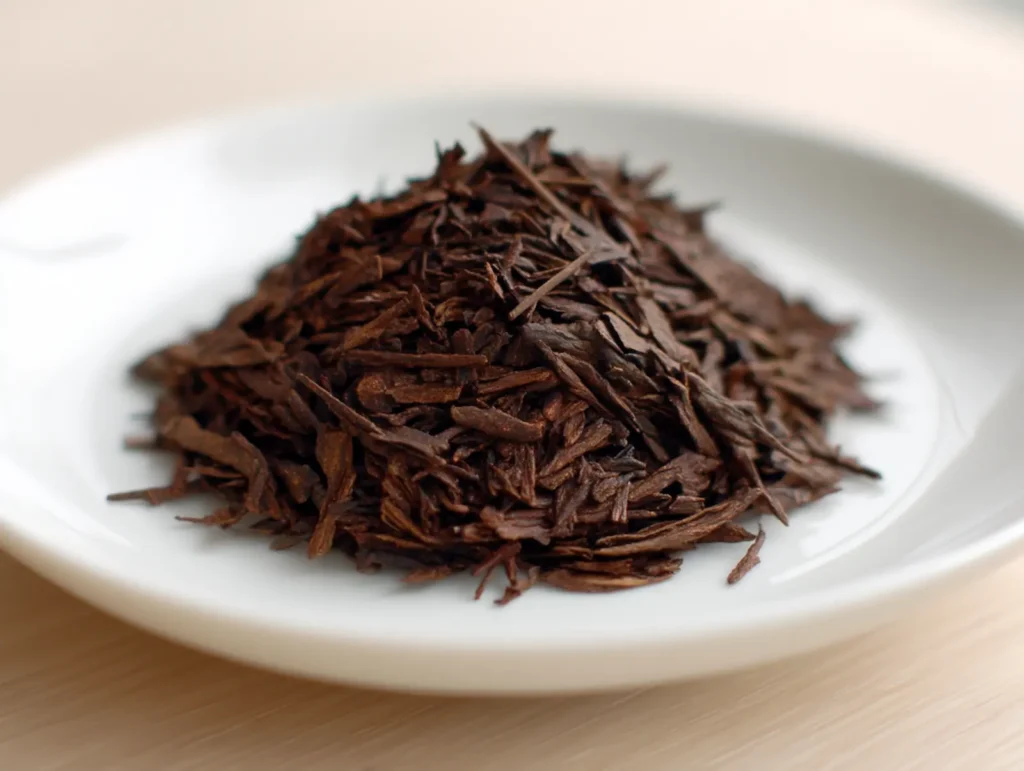
The choice of base leaf changes the final character. Hojicha made from bancha tends to be light and easy drinking for daily cups, while hojicha from kukicha highlights roasted twigs and stems for a more woody, nutty profile. Premium versions may use higher grade sencha, giving a smoother mouthfeel and slightly more layered aroma, and these differences are important when you are choosing which hojicha recipe to follow at home.
If you already enjoy exploring other Japanese teas, you can think of hojicha as a cozy cousin to brighter options like sencha and matcha. After reading this guide, you might also want to explore your existing green tea routine, such as the brewing tips in our internal guide on how to brew green tea, to better understand how roasting changes the cup and how that affects your favorite hojicha recipe ideas.
How hojicha is roasted and processed
Hojicha developed in Kyoto in the 1920s, when tea makers began roasting leftover or lower grade green tea leaves over charcoal to create a new style of drink instead of wasting the leaves. The roasting step is what sets hojicha apart from other Japanese green teas and gives any traditional hojicha recipe its signature golden brown color and aroma.
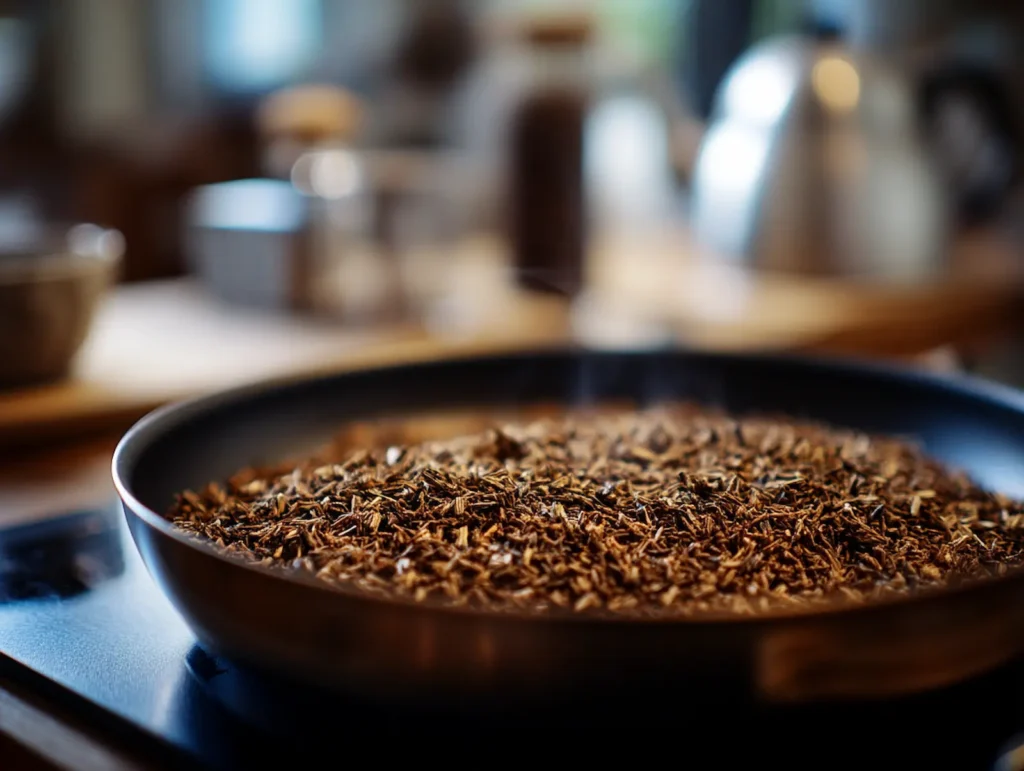
Today, producers typically roast steamed and dried green tea in large rotating drums or pans at temperatures around 150 to 200 degrees Celsius. The heat transforms the bright green leaves into reddish brown pieces and drives off some of the grassy, astringent notes, replacing them with mild smoky, nutty, and caramel like aromas. The roasting also reduces some of the caffeine content and alters the balance of catechins and other compounds, which is why a well made hojicha recipe often feels gentler on the stomach than many other teas.
Because hojicha is roasted after the usual steaming step used for Japanese teas, it is still officially classified as a type of green tea in Japan even though the leaves look brown in the cup. The key difference is that oxidation is stopped early during steaming, and the later roasting changes color and flavor without turning it into black tea, giving you a hojicha recipe that is technically green tea but with a roasted personality.
What does hojicha taste like
The first thing most people notice is that hojicha does not taste like typical grassy or seaweed like green tea at all. Instead, it has a distinctly toasty, roasted, and nutty flavor with notes that remind many drinkers of roasted barley, toasted nuts, cocoa, or light caramel. The roast removes much of the bitterness and sharp green edge, leaving a smooth, cozy cup that forms the heart of any comforting hojicha recipe.
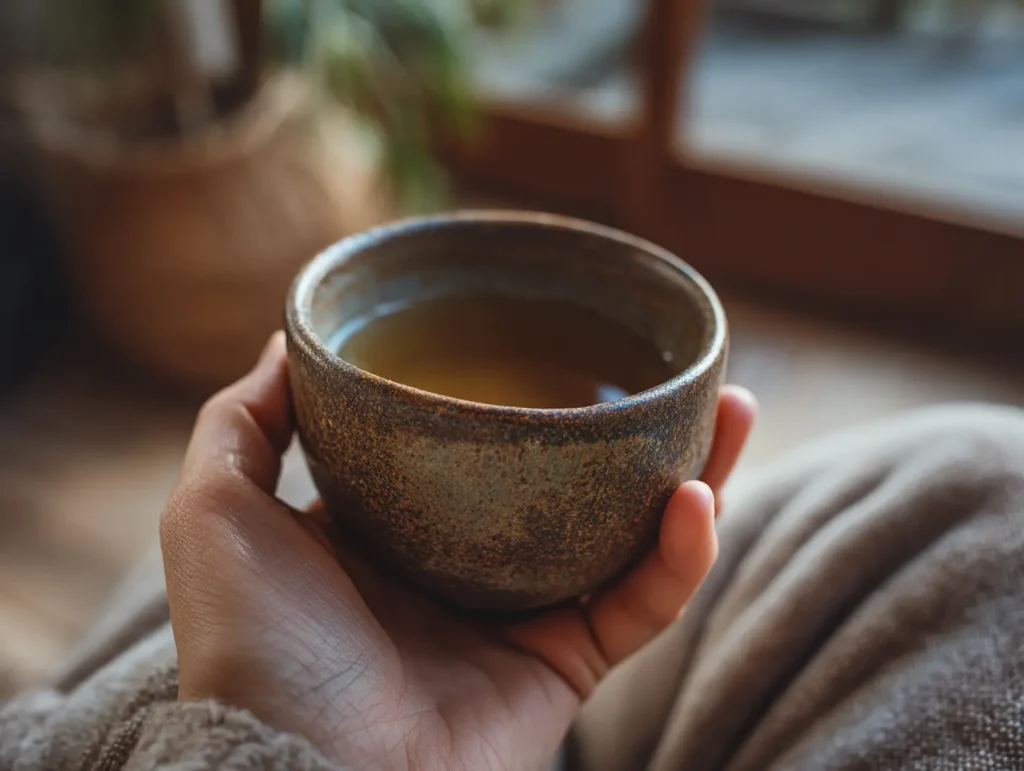
Different hojicha styles can lean lighter or deeper depending on roast level and base tea. Lightly roasted versions are gentle and slightly sweet, while darker roasts can show more smoky, coffee like, or cocoa tones. Many people who find normal green tea too bitter or vegetal are pleasantly surprised by hojicha’s softness and comfort, especially when they taste it for the first time in a café style hojicha recipe such as a latte or iced drink.
If you enjoy other warm, aromatic drink rituals like sparkling tea blends, herbal drinks, or gentle night drinks you may also enjoy browsing flavor centric articles such as our visual teas guide or sparkling tea health to see how a favorite hojicha recipe might sit alongside those in your routine.
Hojicha caffeine content
One big reason hojicha has become popular outside Japan is its reputation as a low caffeine tea compared with many other green and black teas. Roasting the leaves drives off some of the caffeine and can also change how easily it extracts into water, which is why a simple hojicha recipe is often recommended as an evening drink.
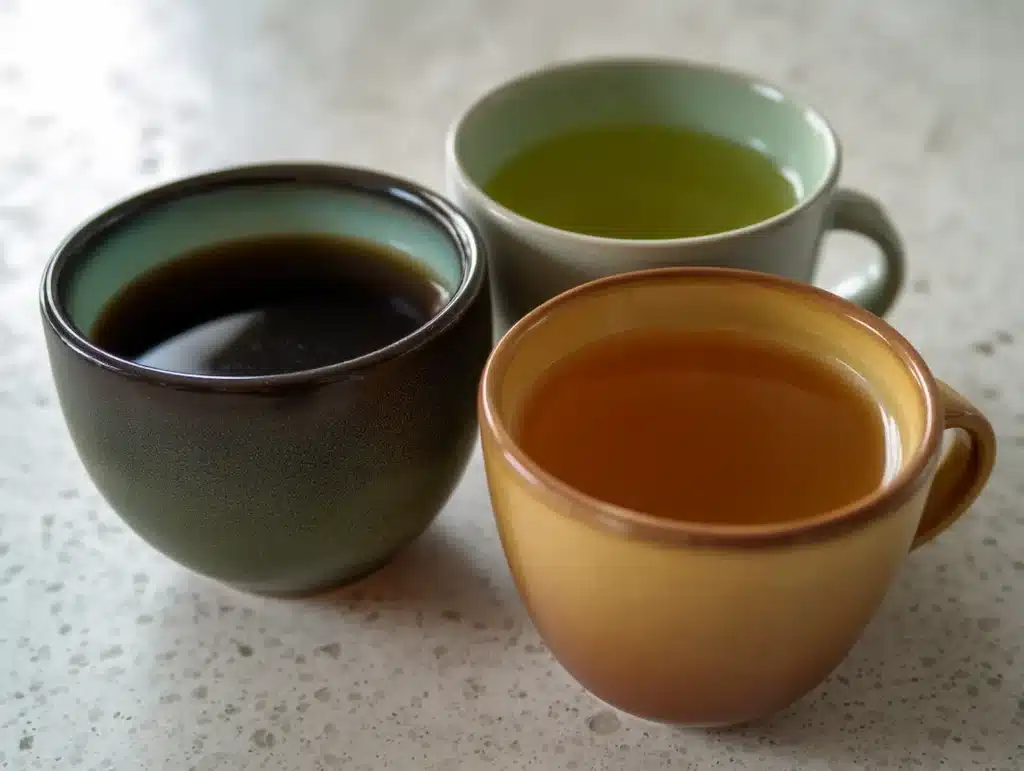
Exact caffeine content depends on the base leaf, amount of tea used, water temperature, and steep time, but many sources estimate that a typical cup of hojicha contains significantly less caffeine than a cup of sencha or matcha. General tea caffeine comparisons suggest that an average 8 ounce cup of green tea might contain roughly 20 to 40 milligrams of caffeine, while black tea often ranges from about 30 to 50 milligrams and brewed coffee averages around 95 milligrams per cup,
which you can see reflected in official resources such as the FDA’s guidance in “Spilling the Beans: How Much Caffeine is Too Much?”. This makes a mindful hojicha recipe a useful option when you want to cut back on caffeine without skipping tea completely.
Because hojicha is made from roasted bancha or kukicha, which already tend to be lower in caffeine, and is often brewed with cooler water, it usually falls on the lower end of the green tea caffeine range. That makes hojicha a popular evening drink for people who are sensitive to caffeine but still want something warm and comforting, although people with strict caffeine limits should still consult official guidance like the U.S. Food and Drug Administration’s recommendation to stay under 400 milligrams of caffeine per day for most healthy adults before adding any hojicha recipe to a nightly routine.
Hojicha health benefits
Because hojicha is a form of green tea, it shares many of the same broad categories of potential health benefits studied for green tea more generally, such as antioxidant support, heart health, and possible roles in metabolic and brain health. Green tea catechins and related compounds have been studied for cardiovascular, anti inflammatory, and neuroprotective effects in research reviews such as this literature review of green tea benefits, and those background findings also inform how we talk about a daily hojicha recipe.
Roasting does change the catechin profile of hojicha compared with unroasted green tea, but it still contains polyphenols and L theanine, an amino acid associated with calm alertness and reduced stress response in many tea studies. Some Japanese and commercial sources highlight potential benefits of hojicha as a soothing, lower caffeine option that may support relaxation in the evening and offer gentle antioxidant intake without overstimulation, especially when you enjoy a plain hojicha recipe without sugar or heavy creamers.
Human research on hojicha specifically is still limited, and most results are extrapolated from green tea more broadly. Large reviews and observational studies on tea and health suggest that unsweetened tea can be part of a healthy dietary pattern and may be linked with modest reductions in cardiovascular risk when consumed regularly as part of an overall balanced lifestyle. Authoritative guides such as the Dietary Guidelines for Americans beverages chapter classify unsweetened coffee and tea as reasonable beverage choices, especially when used in place of sugary drinks, and that guidance fits well with enjoying a balanced hojicha recipe in your day.
Hojicha vs matcha vs other green tea
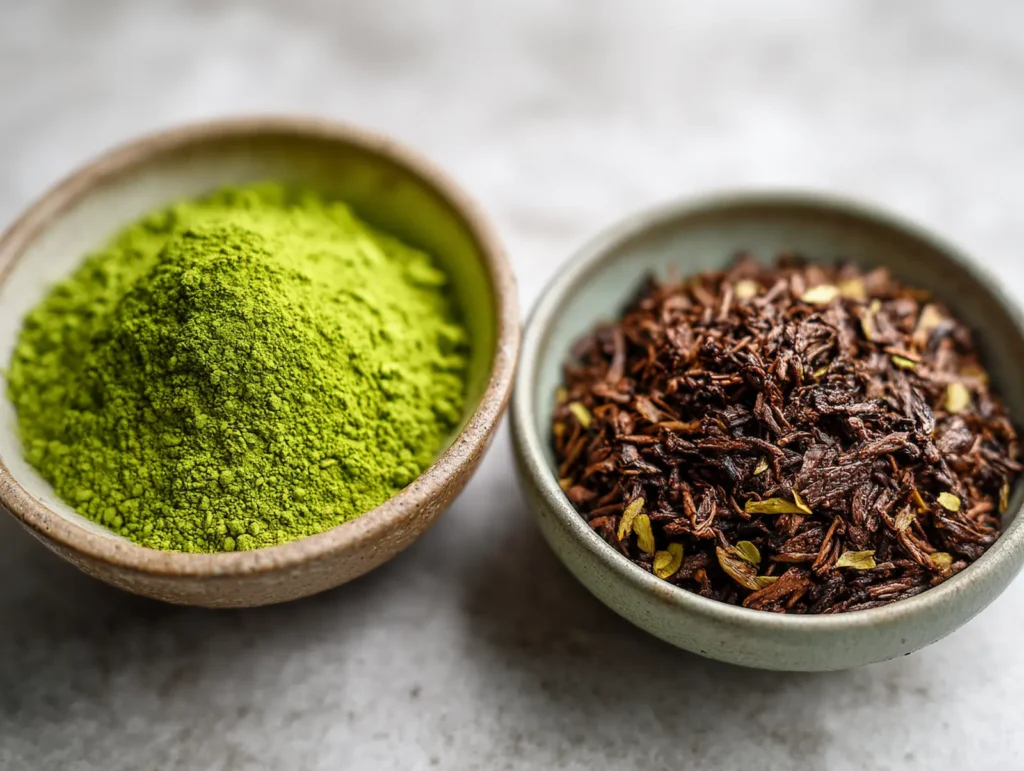
Because hojicha, matcha, and sencha are all Japanese green teas, people often wonder how they differ. The main differences show up in leaf form, color, caffeine content, and how you prepare and drink them, which is why a hojicha recipe will look very different from a matcha drink or sencha brewing guide even though the plants are related.
| Tea type | Leaf form & processing | Color & flavor | Typical caffeine level | Common uses |
|---|---|---|---|---|
| Hojicha | Roasted bancha, sencha, or kukicha leaves and stems | Brown liquor, toasty, nutty, very low bitterness | Generally lower than most green teas, suitable for evening for many drinkers | Plain brew, hojicha latte, hojicha powder desserts and hojicha recipe drinks |
| Matcha | Stone ground powder from shaded tencha leaves, whisked into water | Vivid green, grassy, umami rich, slightly bitter | Often higher than regular green tea because you consume whole leaf powder | Traditional tea ceremony, matcha latte, baking, smoothies |
| Sencha | Steamed and rolled whole green tea leaves | Bright yellow green liquor, grassy, seaweed like, slightly astringent | Moderate green tea caffeine range | Everyday hot tea, basic Japanese green tea brew |
If you already enjoy creamy matcha recipes, you can imagine hojicha as a roasted alternative in a similar family of drinks. Our own matcha tea recipe article offers a good contrast point for how powdered teas work in lattes and desserts, and you can use that structure to build your own powdered hojicha recipe for lattes and baking.
How to brew hojicha at home
You can brew hojicha as loose leaf tea, in teabags, or as a fine powder depending on the product you buy. The basic loose leaf method is simple and forgiving, which is part of why hojicha feels so approachable for beginners compared with more delicate green teas and why any straightforward hojicha recipe is easy to master.
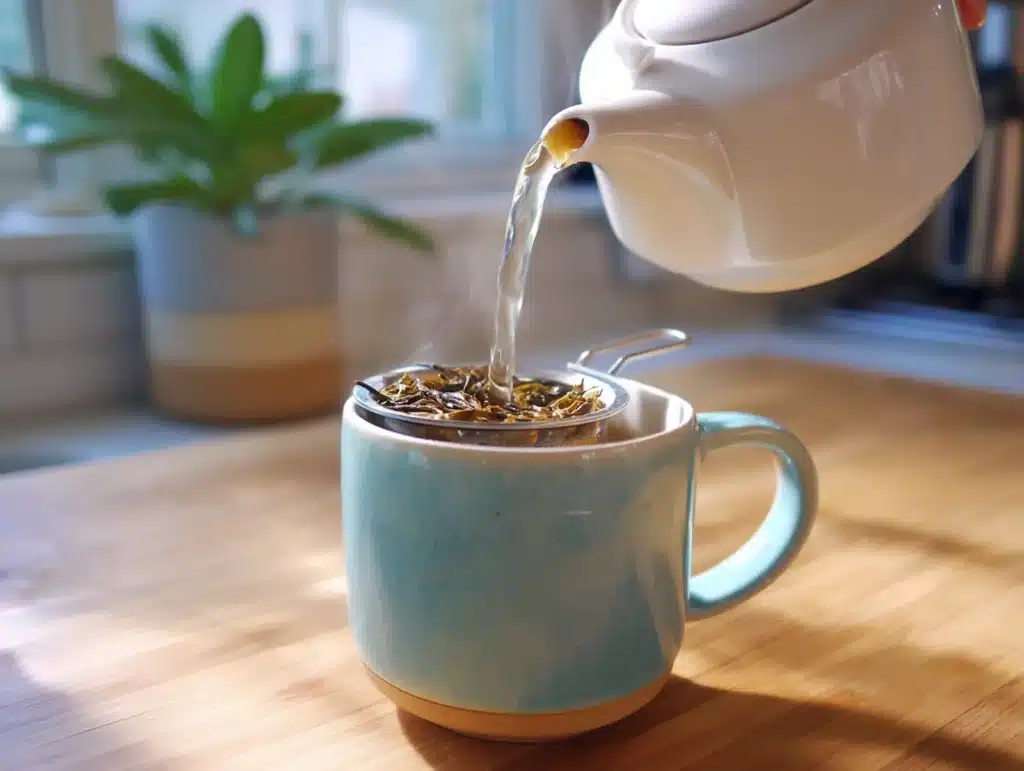
Loose leaf hojicha brewing basics:
- Use about 1 to 2 teaspoons (2 to 4 grams) of hojicha per 8 ounces of water when following a standard loose leaf hojicha recipe.
- Heat water to around 80 to 90 degrees Celsius (176 to 194 Fahrenheit), slightly cooler than boiling, to avoid scalding the leaves in your hojicha recipe.
- Steep for about 30 seconds to 1.5 minutes for a lighter cup, or up to 3 minutes for a stronger roast flavor, tasting your hojicha recipe as you go.
- Strain the leaves and enjoy plain or with a splash of milk if you like, or build a simple hojicha latte recipe by topping with steamed milk.
Because hojicha is less bitter than many other teas, you have some flexibility with steeping time without ruining the cup. Some people also brew hojicha cold by steeping the leaves in cool water in the refrigerator overnight for a smoother, slightly sweet iced tea, which is another refreshing hojicha recipe to keep in mind for warmer weather.
If you want step by step practice with green tea brewing technique before trying roasted teas, you can review our teaching article on how to brew green tea, then apply similar steeping discipline with slight adjustments for hojicha’s lower bitterness and toasty aroma so every hojicha recipe you make at home tastes consistent.
Print
What Is Hojicha: Japan’s Roasted Green Tea Explained
- Total Time: 10 minutes
- Yield: 1 cup 1x
Description
This easy hojicha recipe shows you how to brew Japan’s roasted green tea at home, plus a cozy hojicha latte option. With its toasty, nutty flavor and naturally lower caffeine, hojicha tea is perfect for calm mornings or relaxing evenings.
Ingredients
2 teaspoons loose leaf hojicha tea (or 1 hojicha tea bag)
8 ounces (240 ml) hot water, about 80–90°C / 176–194°F
Optional for hojicha latte: 1/2 cup (120 ml) warm milk or milk alternative
Optional for hojicha latte: 1–2 teaspoons sweetener of choice (honey, sugar, or syrup)
Instructions
1. Heat the water until it reaches about 80–90°C (176–194°F), just below a full boil. If you do not have a thermometer, bring water to a boil, then let it sit for 1–2 minutes.
2. Add the loose leaf hojicha (or hojicha tea bag) to a mug or teapot. Pour the hot water over the tea.
3. Let the hojicha steep for 30 seconds to 1 1/2 minutes for a lighter cup, or up to 3 minutes for a deeper roasted flavor. Taste and adjust steeping time to your preference.
4. Strain out the tea leaves or remove the tea bag. Enjoy the hojicha tea plain, or move on to the hojicha latte variation.
5. For a hojicha latte: Warm the milk or milk alternative until steaming but not boiling. Froth if desired, then pour it over the brewed hojicha.
6. Stir in your preferred sweetener to taste. Sip your hojicha latte hot, or cool and pour over ice for an iced hojicha latte.
Notes
Tea strength: For a stronger hojicha recipe, use up to 3 teaspoons of loose leaf tea per 8 ounces (240 ml) water and steep toward the longer end of the time range.
Iced hojicha: Brew the hojicha slightly stronger, let it cool, then pour over plenty of ice. Add cold milk and sweetener for an iced hojicha latte.
Caffeine note: Hojicha is generally lower in caffeine than many other green teas, but sensitivity is individual. Enjoy earlier in the day if you are very sensitive to caffeine.
Serving ideas: Pair this hojicha recipe with light desserts, Japanese sweets, or enjoy it as a calm evening drink on its own.
- Prep Time: 5 minutes
- Cook Time: 5 minutes
- Category: Drinks
- Method: Stovetop
- Cuisine: Japanese
Nutrition
- Serving Size: 1 cup
- Calories: 2
- Sugar: 0
- Sodium: 0
- Fat: 0
- Saturated Fat: 0
- Unsaturated Fat: 0
- Trans Fat: 0
- Carbohydrates: 0
- Fiber: 0
- Protein: 0
- Cholesterol: 0
Keywords: what is hojicha, hojicha tea, hojicha recipe, roasted green tea, hojicha latte, low caffeine tea, Japanese tea, hojicha latte recipe
How to use hojicha in recipes
Hojicha is not just for plain cups of tea. Many cafés and home cooks now use hojicha in drinks and desserts the same way they use matcha, especially when they want a roasted, caramel like flavor without heavy sweetness, which opens the door to many creative hojicha recipe variations.
Common hojicha recipe ideas include:
- Hojicha latte: Brew strong hojicha or whisk hojicha powder with hot water, then top with steamed milk or your favorite non dairy milk. Sweeten lightly with honey or syrup if you like, and this basic hojicha latte becomes an easy everyday hojicha recipe.
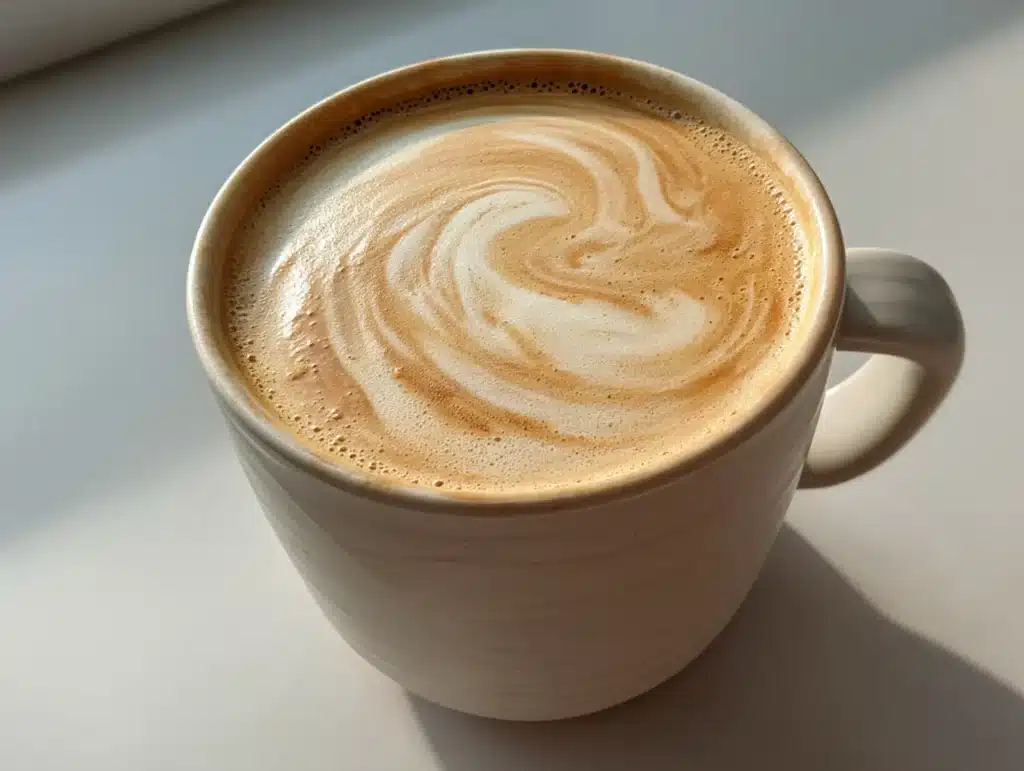
- Hojicha iced latte: Shake brewed and chilled hojicha with cold milk and ice for a refreshing summer drink, a cold hojicha recipe that is especially nice on hot afternoons.
- Hojicha desserts: Use hojicha powder in ice cream bases, puddings, yogurts, cookies, or cakes for a roasted tea flavor, similar to recipes that use matcha powder but with gentler, toasted notes, and label each one as your favorite hojicha recipe for guests.
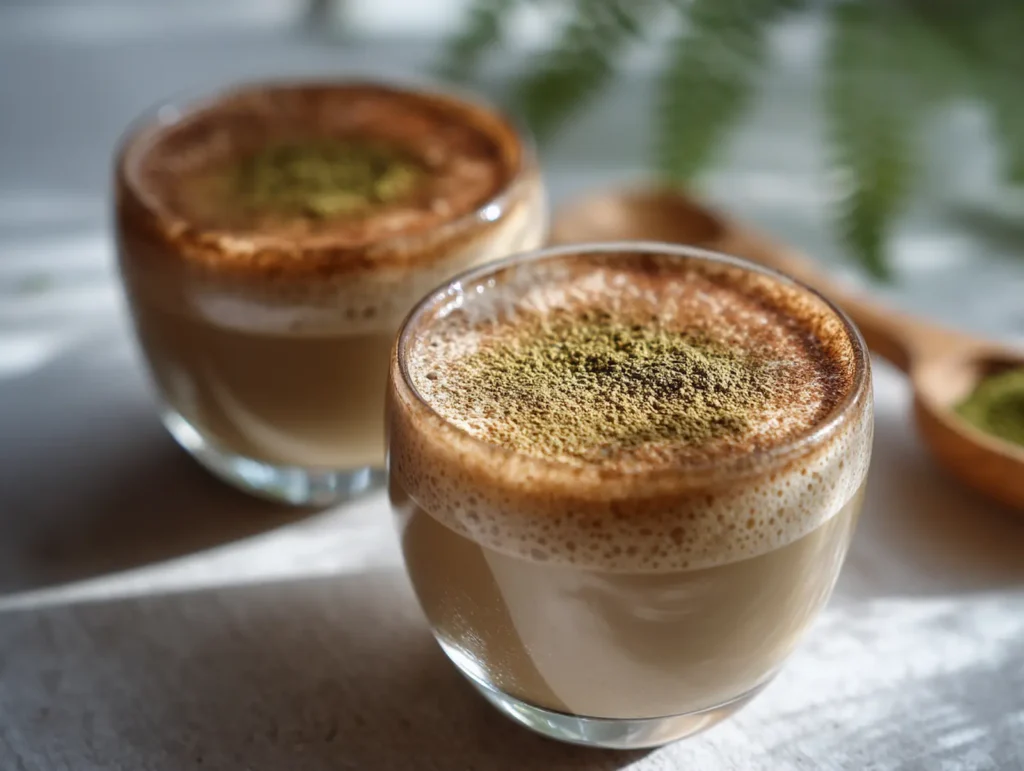
- Hojicha smoothies: Blend cooled hojicha with banana, yogurt, and a bit of sweetener for a roasted tea smoothie, another simple hojicha recipe that works well at breakfast or snack time.
If you are already experimenting with other drink trends like natural tonic drinks or yerba mate, hojicha can become another option in your rotation for days when you want calm, low bitterness, and comforting flavor more than a strong caffeine lift, and you can easily plug a new hojicha recipe into those routines.
Where to buy hojicha
Hojicha is now widely available in Japanese grocery stores, specialty tea shops, and online. You can buy it as loose leaf, in teabags, or as a powder specifically labeled for hojicha lattes and baking. Many Japanese tea companies and newer global brands now offer clear labels explaining whether their hojicha is made from bancha, sencha, or kukicha, and whether it uses charcoal or drum roasting, so you can choose the best type for your next hojicha recipe.
If you are choosing hojicha with health and quality in mind, pay attention to whether the product lists origin (for example, Kyoto, Shizuoka, or other Japanese tea regions) and whether it is unsweetened. For the best alignment with official dietary advice, use unsweetened hojicha and avoid heavily sweetened bottled versions, following broader guidance from programs like the Dietary Guidelines for Americans that emphasize low sugar drinks such as plain water and unsweetened tea and can help you decide how often to include any hojicha recipe in your day.
Frequently asked questions about hojicha
What is hojicha tea
Hojicha tea is a Japanese roasted green tea made by roasting steamed green tea leaves, stems, or twigs at high temperature until they turn brown and develop a toasty, nutty flavor. Even though the leaves look brown, it is still classified as a green tea because it is roasted after the initial green tea processing rather than being fully oxidized like black tea. This makes a simple hojicha recipe a comforting choice for many tea drinkers.
What does hojicha taste like
Hojicha tastes warm, toasty, and mildly sweet, with flavors that remind people of roasted nuts, caramel, light cocoa, or toasted grains rather than fresh grass. It has very low bitterness compared with many other green teas, which makes it easy to drink plain without sugar. Lighter roasts are gentle and slightly sweet, while darker roasts can carry deeper smoky or coffee like notes, and every hojicha recipe builds on this cozy flavor profile.
Is hojicha high in caffeine
No, hojicha is generally considered a lower caffeine tea. Because it is often made from bancha or kukicha (which are naturally lower in caffeine than some other teas) and then roasted, a typical cup of hojicha usually contains less caffeine than many other green teas and much less than coffee. Estimates for green tea in general suggest about 20 to 40 milligrams of caffeine per 6 to 8 ounce serving, compared with roughly 95 milligrams in an average cup of coffee, and hojicha tends to sit on the low end of that tea range, which is why people often choose a hojicha recipe at night instead of coffee.
Is hojicha good for you
Hojicha can be a good choice for many people as part of an overall healthy diet, especially when enjoyed unsweetened. Like other green teas, it contains polyphenols and L theanine, and research on green tea more broadly has linked tea drinking with potential benefits for heart health, oxidative stress, and brain function, though most studies look at unroasted green tea rather than hojicha specifically. Health organizations and large reviews generally consider unsweetened tea a safe, hydrating beverage that can fit into a balanced pattern when caffeine intake stays within recommended limits, especially when you keep your hojicha recipe free from heavy sugars and creamers.
Can you drink hojicha before bed
Many people enjoy hojicha in the evening because its caffeine content is lower than that of most green and black teas, and the roasted flavor feels soothing. For some tea drinkers, a small cup of hojicha a few hours before bed does not disturb sleep, especially compared with coffee or strong black tea. However, sensitivity to caffeine is individual, and health agencies like the FDA still recommend that people who are sensitive to caffeine or have certain medical conditions monitor their overall daily intake from all sources, even when their nightly drink is a gentle hojicha recipe.
What is hojicha powder used for
Hojicha powder is finely ground roasted green tea, similar in texture to matcha but brown instead of green. It dissolves easily into hot water or milk, making it ideal for hojicha lattes, iced hojicha drinks, and baking. Many cafés use hojicha powder in ice cream, puddings, cheesecakes, cookies, and other desserts to add a roasted tea flavor without overwhelming sweetness. At home, you can treat it much like you would matcha powder in recipes, adjusting quantities to taste, and experimenting with every new hojicha recipe you dream up.
Conclusion
Hojicha is a gentle, roasted answer to the question many tea drinkers ask when they are tired of bitter cups of green tea or want something cozy at night: what is hojicha, and is there a green tea that feels more like a hug than a jolt? As a roasted Japanese green tea with warm nutty flavors and modest caffeine, hojicha offers a welcoming middle ground between herbal blends and stronger caffeinated teas, especially when you turn it into a simple hojicha recipe you can repeat every evening.
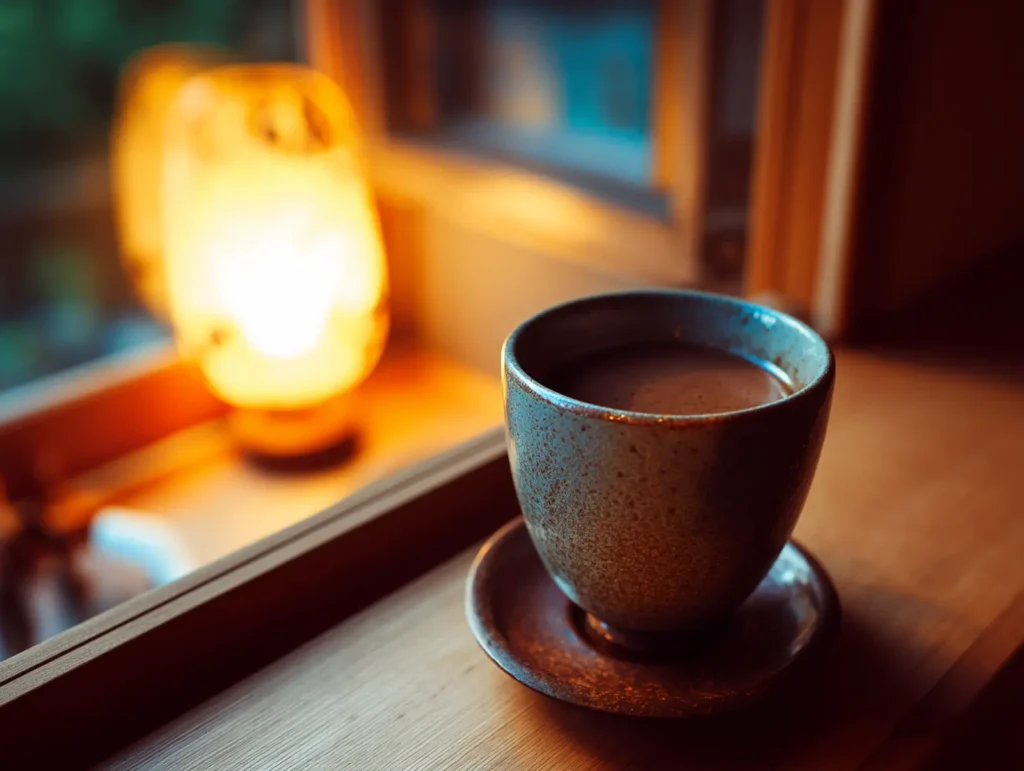
By understanding how hojicha is made, how it tastes, and how it compares with matcha and other teas, you can decide where it might fit into your own daily rituals. You might sip it plain after dinner, steam it into a hojicha latte, or whisk the powder into desserts and drinks alongside recipes you already love, like our matcha tea recipe or creative drinks in our sparkling tea recipes collection, and use each one as inspiration for your next hojicha recipe experiment.
If you would like to align your tea habits with broader health guidance, remember that official nutrition recommendations generally favor unsweetened tea and coffee as better choices than sugary beverages. Using hojicha without added sugar lets you enjoy its toasty character while staying close to those recommendations, summarized in resources such as the Dietary Guidelines for Americans beverages chapter, so it can become a quiet, comforting part of your long term routine and any hojicha recipe you share with friends and family.