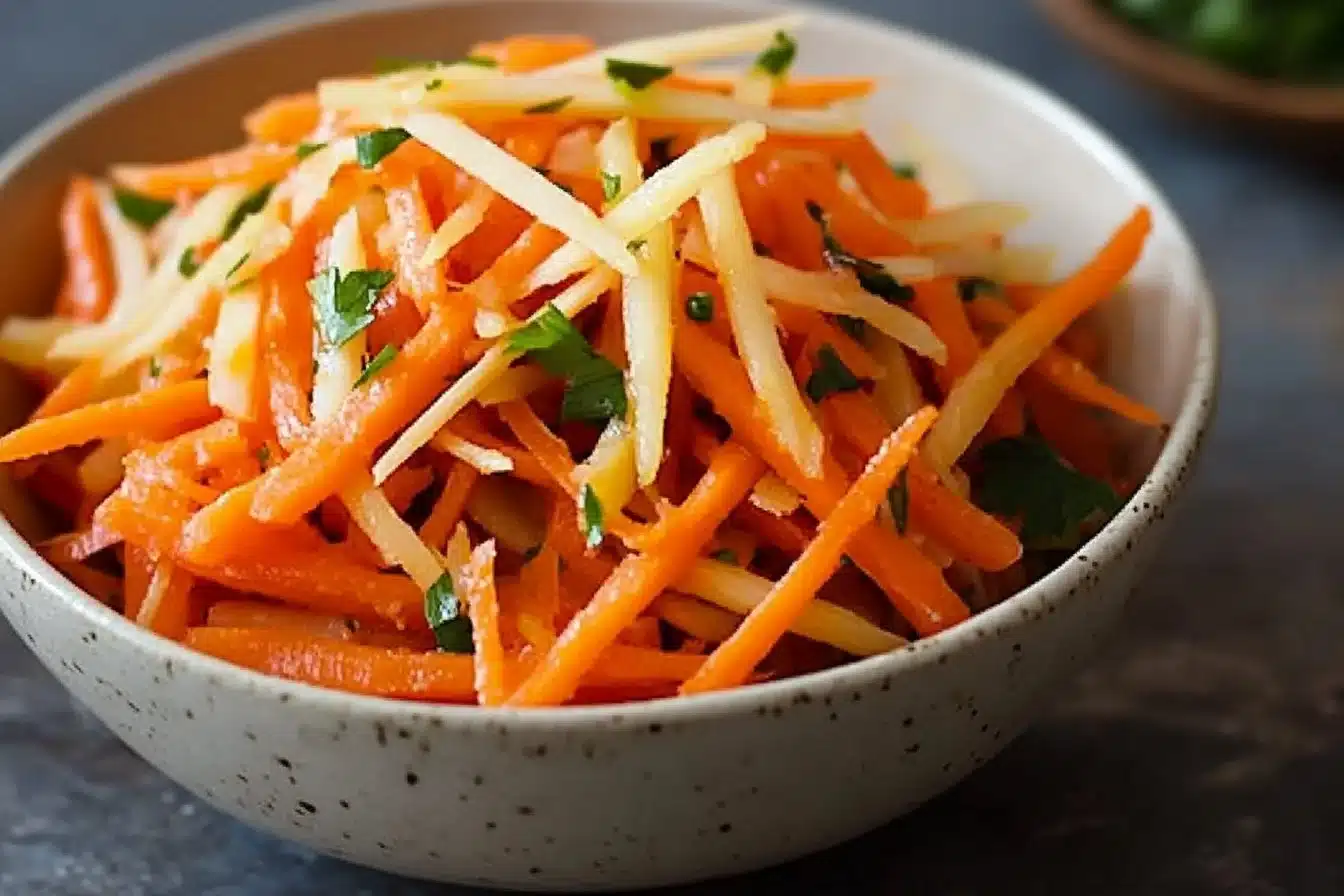
On a rainy Saturday morning I shredded carrots at my kitchen counter while my youngest hummed a tune and the house smelled of warm spices. The scent of fresh ginger filled the air and I thought of how a simple bowl of Foolproof Fermented Carrot Ginger Salad could turn an ordinary meal into a family ritual. I often set it beside other favorite salads like Big Mac Salad to make a colorful table where everyone reaches, tastes, and remembers.
Why This Foolproof Fermented Carrot Ginger Salad Means So Much
There is a small magic in the sound of glass jars clinking as they settle on the shelf. For me that sound means patience, a little experiment, and a gift for later. This salad started because I wanted a bright side that felt alive, something tangy and sweet to wake up the dinner plate. The first time I made this recipe my children peered over the counter and decided that carrots could be crunchy and tangy at the same time. They named it our happy orange salad and asked for it every week.
This salad belongs to those moments that stitch a week together. I keep a jar in the fridge for school lunches and another in the pantry for lazy weekend boards. It is simple enough for a beginner and forgiving enough that more experienced cooks can play with spice and texture. Every spoonful brings a little crunch, a ginger bite, and that round fermented tang that grows deeper day by day.
I love how fermentation asks you to slow down. It invites you into a small routine of tasting and tending. When a friend told me she was nervous about trying it, I showed her how predictable and steady the process can be. That is why I call this Foolproof Fermented Carrot Ginger Salad. It feels like home and it teaches you to trust your senses.
How to Make Foolproof Fermented Carrot Ginger Salad
“Every time I stir this pot, it smells just like Sunday at home.”
The rhythm of this salad is gentle. You shred, you salt, you press, and you wait. The bowl becomes a stage where orange ribbons curl and tiny beads of brine gather at the bottom. When you press the carrots, they sigh and give up a glossy liquid. That is your first reward.
As the ginger mixes in, a warm jolt moves through the bowl. It smells bright and a little wild. On the counter you will hear the gentle drip of juices, see the vegetables sink into their own small sea, and feel the weight of the glass jar in your hands when you pack it down. Each day you open the jar for a taste you will notice new smells, new notes, and a deeper sweetness.
If you love small kitchen experiments, I find a little note of curiosity helps. Try grating the ginger differently one week to taste the change. Or mix in a small handful of seeds for crunch. Even though this is foolproof, there is room for playful tweaks. If you enjoy texture ideas, I sometimes think of the way a checkerboard salad plays with contrast and I borrow that thought to keep the textures balanced here.
Ingredients You’ll Need
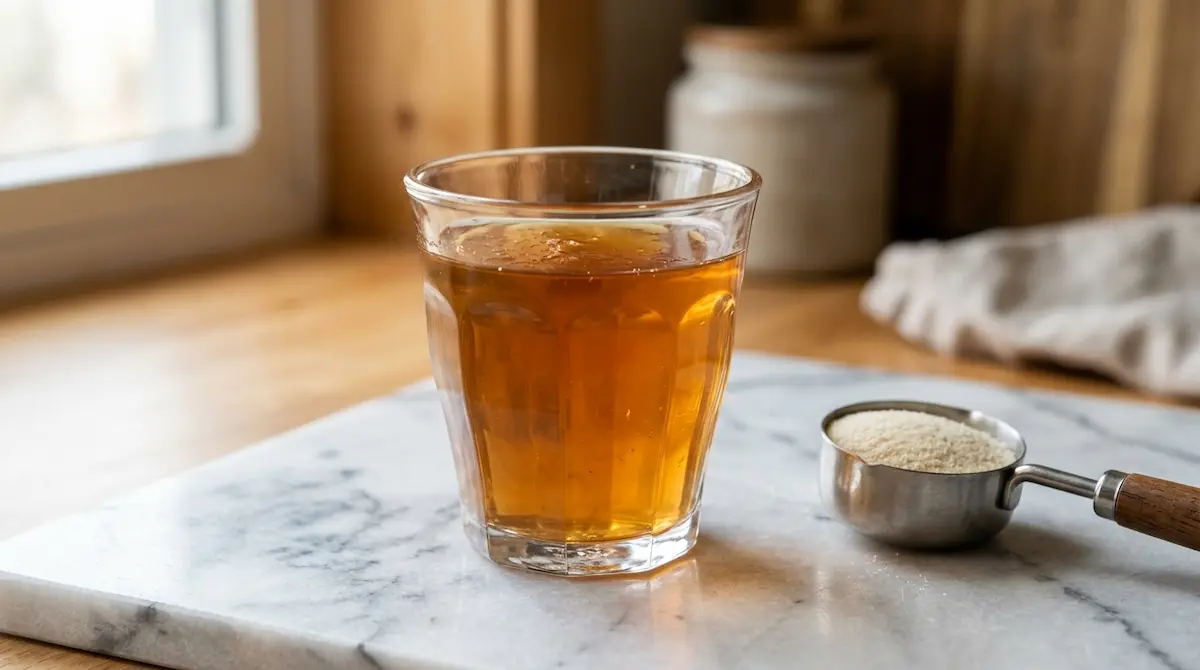
4 cups shredded carrots ((about 1 pound or 450 grams)) 1 Tbsp shredded ginger by weight Kosher salt 1 Tbsp unpasteurized sauerkraut brine or whey (from plain yogurt (optional live-culture starter))
Warm side notes: a little raw honey if you like a touch of mellow sweetness, a sprinkle of toasted sesame seeds for earthiness, or a few thin slices of crisp apple if you want playful crunch. If you love a cozy aroma, add a small pinch of ground cinnamon to the carrots while you shred. These are gentle nudges, not rules.
I keep my ingredients simple because fermentation does the heavy lifting. Choose crisp, fresh carrots. If they are a bit woody, peel and trim the tips. Fresh ginger should feel firm and fragrant when you scrape the skin. The salt must be kosher or sea salt without iodine so the brine stays clear and the bacteria do their job. The sauerkraut brine or whey is optional, but it gives a healthy head start to the fermentation if you have it on hand. If not, plain salted brine works beautifully on its own.
Step-by-Step Directions
Step 1: Prepare Your Equipment. Wash and dry two wide-mouth jars with lids. Place a small clean plate or fermentation weight that fits inside the jar on your counter. Have a grater, a mixing bowl, and a measuring spoon ready. Keep a clean towel nearby to wipe spills. The kitchen should feel calm and ready.
Step 2: Weigh Vegetables and Calculate Salt. Weigh the shredded carrots to confirm you have about 4 cups or 450 grams. Measure salt by weight if you can; a good rule is about 1.5 to 2 percent salt by weight. If you prefer simple kitchen measures, use about 1 teaspoon kosher salt per cup. Sprinkle the salt over the bowl of shredded carrots. Toss and knead the carrots until they release glossy liquid. You will see the bowl glisten and the carrots soften.
Step 3: Create the Natural Brine. Once the carrots look glossy and there is a pool of liquid at the bottom, add the shredded ginger and the optional starter: 1 tablespoon of unpasteurized sauerkraut brine or a spoon of whey. Stir gently to combine so the ginger is evenly distributed. Breathe in the bright ginger scent and notice the way it warms the room.
Step 4: Pack the Fermentation Jars. Spoon the carrot mixture into the jars, pressing down firmly to remove air pockets. Use a tamper or the back of a spoon to push the carrots below the liquid line. If needed, top with a small weight or a folded piece of cabbage leaf to keep everything submerged. Leave about an inch of headspace for gases. Seal the jars loosely or use fermentation lids to let gas escape.
Step 5: Ferment at Room Temperature. Place the jars on a plate to catch any overflow and leave them at room temperature away from direct sun. Ferment for 3 to 7 days depending on your taste and the temperature of your kitchen. In warmer kitchens the flavor will mature faster. Peek at the jar each day, listening for tiny pops and checking that the carrots stay under the brine.
Step 6: Taste and Monitor for Doneness. After day three, begin to taste. Use a clean spoon and note the balance of tang, sweetness, and ginger heat. The texture should be pleasantly crunchy with a lively tang. When it reaches your preferred brightness, tighten the lids and move the jars to the refrigerator. The slower cold will calm the fermentation.
Step 7: Refrigerate to Store. Place the sealed jars in the refrigerator to slow the fermentation and keep the salad fresh. It will continue to change slowly, gaining depth and mellowing. Enjoy within a few months for the best texture and flavor. Share a spoonful with friends and note how the flavors deepen with time.

Tips for Success and Gentle Troubleshooting
Fermentation is a patient craft. If your jar develops a white film, it may be kahm yeast which is harmless; skim it off and continue. If you ever see fuzzy mold that is green or black, discard the batch with kindness and start again. Always use clean hands and utensils to reduce contamination.
If the carrots do not release enough liquid, add a little filtered water mixed with a pinch of salt to help submerge them. A ratio of about 1 cup water to 1 teaspoon salt will usually do the trick. Keep everything below the brine to minimize contact with oxygen. If your kitchen is cold, ferment a little longer and be patient with the change.
Taste as your guide. Fermentation timelines are suggestions. Younger ferments are bright and crunchy. Older ferments grow tangier and softer. Decide what you like and remember that the process responds to your preference. If you like a strong ginger note, add a bit more freshly grated ginger on day one. If you want it milder, start with a half tablespoon and adjust next batch.
Equipment Alternatives
You do not need fancy gear to make this salad. Wide-mouth mason jars work wonderfully. A small clean glass or ceramic weight helps keep vegetables submerged. If you prefer, use a simple crock or a large jar with a cloth lid for short ferments. I once used a heavy ceramic bowl and a plate as a weight when jars were in the dishwasher. The carrots still tasted wonderful.
If you have a fermentation lid, it makes gas release easy. If you do not, loosen the metal lids daily to let gas escape. Wipe any overflow to keep the jars clean. Keep the jars on a plate to avoid sticky counter spots. The point is gentle care, not perfection.
Flavor Variations to Make It Your Own
There are small shifts that change the character of this salad. Add a teaspoon of toasted cumin seeds for a warming note. Fold in a handful of chopped cilantro or parsley for a fresh herbal lift. A few thin rings of chili pepper add a friendly heat if your family likes spice. For a sweeter profile, a tablespoon of grated apple or pear blends beautifully with the carrot.
If you want to play with textures, mix in toasted sesame seeds after fermentation for an immediate crunch. Add slivered almonds or chopped pistachios to the top when serving for a crunchy finish. If you adore a smoky edge, a small pinch of smoked paprika stirred into the carrots before packing makes a subtle change that feels grown up.
For families with small children, I sometimes leave the ginger milder and let older kids add more at the table. It keeps meals fun and gives everyone a little control. These tiny choices make the salad feel personal and bring everyone into the ritual.
Serving Foolproof Fermented Carrot Ginger Salad With Family Warmth
We treat this salad like a little bright friend on the table. For weeknight dinners I serve it beside roasted chicken, a bowl of rice, and steamed greens. It adds a lively contrast that wakes up simple dishes. When guests come over I scoop it into a shallow bowl and top with sesame seeds and a sprinkle of lemon zest.
For weekend brunch, I place the jar in the center of a board with cheeses, olives, and warm bread. The tang slices through creamy cheeses and balances salty bites. If we are doing a picnic, I tuck a small jar into the basket with sandwiches and a thermos. It travels well and keeps its crunch.
When we eat it with salads like a Classic Greek Salad, the contrast of flavors is joyful. The carrots bring a lively brightness that pairs well with feta and olives. At home we have a tiny ritual: whoever reaches for the jar first gets to name the next salad on the menu.
Plating and Pairings
Spoon the salad into a shallow dish so the orange color can shine. Scatter a few toasted seeds on top for a homey touch. If you have fresh herbs, a sprig of cilantro or dill adds color and scent. Serve with a small spoon so people can add a little to their plates.
This salad pairs beautifully with grilled fish, roasted pork, or a simple bowl of lentils. It cuts through rich flavors and lifts creamy textures. For a picnic board, place it next to soft cheeses and charred vegetables for a bright counterpoint.
How We Enjoy Foolproof Fermented Carrot Ginger Salad at Home
On slow Sunday afternoons I open a jar and let the aroma float through the house. Sometimes we eat it straight from the jar with a fork and a laugh. Other times I stir a little into grain bowls for a tangy crunch. The children sneak spoonfuls from the fridge and tell me how it makes their sandwiches sing.
I remember a summer when I brought this salad to a neighbor who just had a new baby. She closed her eyes after one bite and said it tasted like hope. That moment reminded me that food can be comfort and surprise, both at the same time. This salad has become my neighbor note, my lunchbox helper, and my shallow jar on the shelf for quiet weeknight dinners.
Storing Foolproof Fermented Carrot Ginger Salad for Tomorrow
Once you move the jars to the refrigerator the fermentation slows and the flavors settle. Keep the salad sealed and it will stay bright for weeks. The texture will soften slowly but the tang will deepen into a mellow, richer taste. I like to label jars with the date so I can remember when I started the jar and how the flavor changes with time.
If you find the flavor becomes too strong, mix a small portion with fresh shredded carrots to brighten it. You can also fold it into plain yogurt or cottage cheese to make a lively spread. When I have leftovers I sometimes stir the salad into warm grains to add moisture and a punch of flavor.
For meal planning, a jar is a convenient anchor. I will often plan two meals around one batch: a grain bowl and a family-style roast. If you need ideas, think of hearty salads like simple chicken salad that welcome a bright condiment. The salad adds lift and keeps lunches exciting.
Freezing, Shelf Life, and Best Uses
Freezing fermented carrots is possible but it mellows the texture. I prefer to enjoy them refrigerated. Stored well, the salad keeps for several months and remains safe to eat. The flavors just change and if you enjoy that change, you will find new ways to use it.
If you want to conserve a batch for longer, pack small jars and freeze them for short periods. Thaw in the refrigerator and note that the texture will be softer. Use thawed portions in cooked dishes or mixed bowls rather than as a crisp side.
Why I Trust This Method
I make this salad often because it is forgiving and honest. The ingredients are simple and the process is hands-on without being fussy. I have taught friends and family to make it, from teenagers to grandparents, and we all get the same basic result: bright flavor, good texture, and food that feels like a small celebration.
Fermentation is an old kitchen practice that rewards gentle attention. Salt, time, and a clean jar are the main tools. I like that this salad encourages you to notice the small changes: the way the brine grows, the scent of ginger, the snap of a carrot. Those moments connect you to the food and to the people you share it with.
Final Family Notes and Serving Ideas
If you are new to fermentation, start with a small jar and give it a try. Keep your first batch modest and taste often. Invite a friend to taste with you and make the kitchen a place of curiosity. I promise the process will teach you something about patience and the joy of small rituals.
Pair this salad with warm bowls, grilled plates, and picnic boards. Let it be the bright companion that makes weeknights feel interesting. If someone in your house prefers milder flavors, keep some plain shredded carrots and let them mix at the table. This way everyone gets exactly what they love.
A Little About Safety and Confidence
Trust your senses. A pleasant tang, a bright smell, and crisp texture are signs of a happy ferment. If something smells sharp and off in a way you do not recognize, or you see mold that is colorful and fuzzy, it is best to discard and start again. Food safety matters, but most small home ferments are robust and forgiving if you keep things clean.
If you ever want to learn more tricks for working with fresh ginger, I rely on a helpful method that keeps the ginger lively and fragrant. You can read a quick note about that technique in my favorite kitchen tip, the ginger trick recipe which I turn to when I want a perfect grate every time.
I hope this gives you the courage to try your own jar. Fermentation is a quiet practice that rewards curiosity. Make a batch, taste often, and share it with someone you love.
Print
Foolproof Fermented Carrot Ginger Salad
- Total Time: 15 minutes
- Yield: 4 servings 1x
- Diet: Vegetarian
Description
A vibrant and tangy fermented salad that brings crunch and flavor to your meals, perfect for any occasion.
Ingredients
- 4 cups shredded carrots (about 1 pound or 450 grams)
- 1 Tbsp shredded ginger
- Kosher salt
- 1 Tbsp unpasteurized sauerkraut brine or whey (optional)
- Raw honey (optional, to taste)
- Toasted sesame seeds (optional)
- Crisp apple slices (optional)
- Ground cinnamon (optional)
Instructions
- Prepare your equipment. Wash and dry two wide-mouth jars with lids and have a small plate or fermentation weight ready.
- Weigh the shredded carrots to confirm you have about 4 cups or 450 grams, then sprinkle with kosher salt and knead until glossy liquid is released.
- Create the natural brine by adding shredded ginger and optional sauerkraut brine or whey to the glossy carrots, stirring gently.
- Pack the carrot mixture into jars, pressing firmly to remove air pockets and keeping everything submerged under the brine.
- Ferment at room temperature for 3 to 7 days, checking daily for taste and making sure the carrots remain submerged.
- Taste the salad after 3 days to monitor for doneness, then move to the refrigerator once it reaches preferred tanginess.
- Refrigerate the sealed jars to slow fermentation and enjoy the salad within a few months for the best flavor.
Notes
Fermentation is a patient craft. Always use clean hands and utensils and taste often to gauge fermentation progress.
- Prep Time: 15 minutes
- Cook Time: 0 minutes
- Category: Side Dish
- Method: Fermentation
- Cuisine: Various
Nutrition
- Serving Size: 1 serving
- Calories: 100
- Sugar: 5g
- Sodium: 320mg
- Fat: 1g
- Saturated Fat: 0g
- Unsaturated Fat: 1g
- Trans Fat: 0g
- Carbohydrates: 23g
- Fiber: 3g
- Protein: 2g
- Cholesterol: 0mg
Keywords: fermented salad, carrot salad, ginger salad, healthy side dish, vegetarian recipes