I used to avoid making traditional Middle Eastern desserts because they felt entirely too complicated. The first time I tried this specific confection, I got it completely wrong. I burned the sugar syrup, panicked, and ended up with a hard brick of sesame paste.
My kids absolutely refused to eat that first batch, and I honestly did not blame them. That frustrating afternoon taught me a valuable lesson about temperature control in the kitchen. I realized that executing a perfect halva recipe does not require culinary school training or expensive bakery equipment.
It simply requires a bit of patience and the exact ratio of high-quality tahini to sugar. I am Chef Joudia Elise. Here at wecookrecipe.com, we focus on warm family recipes that bring everyone together around the table. I have made this exact halva recipe 20 times, and here is what I learned through trial and error.
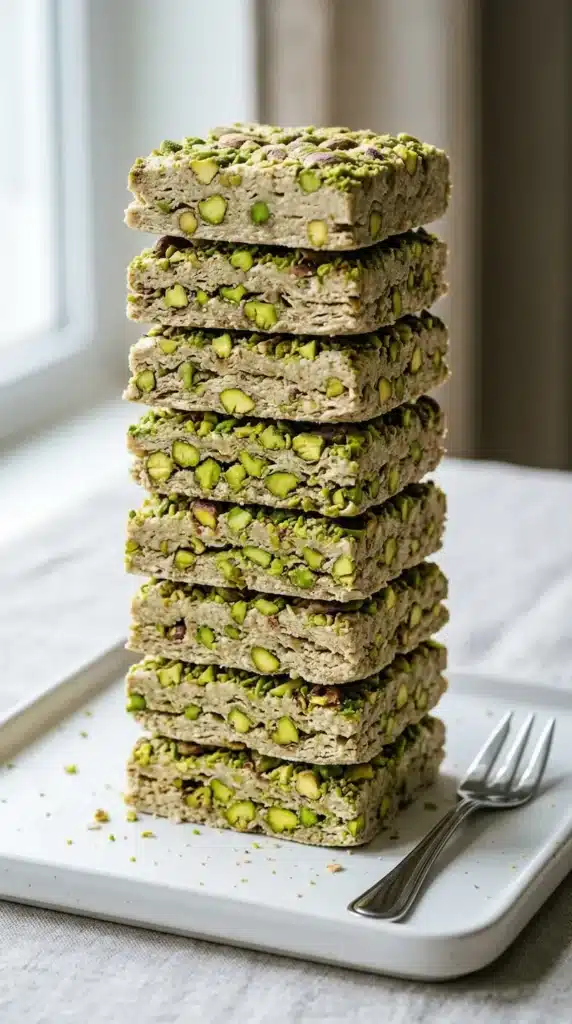
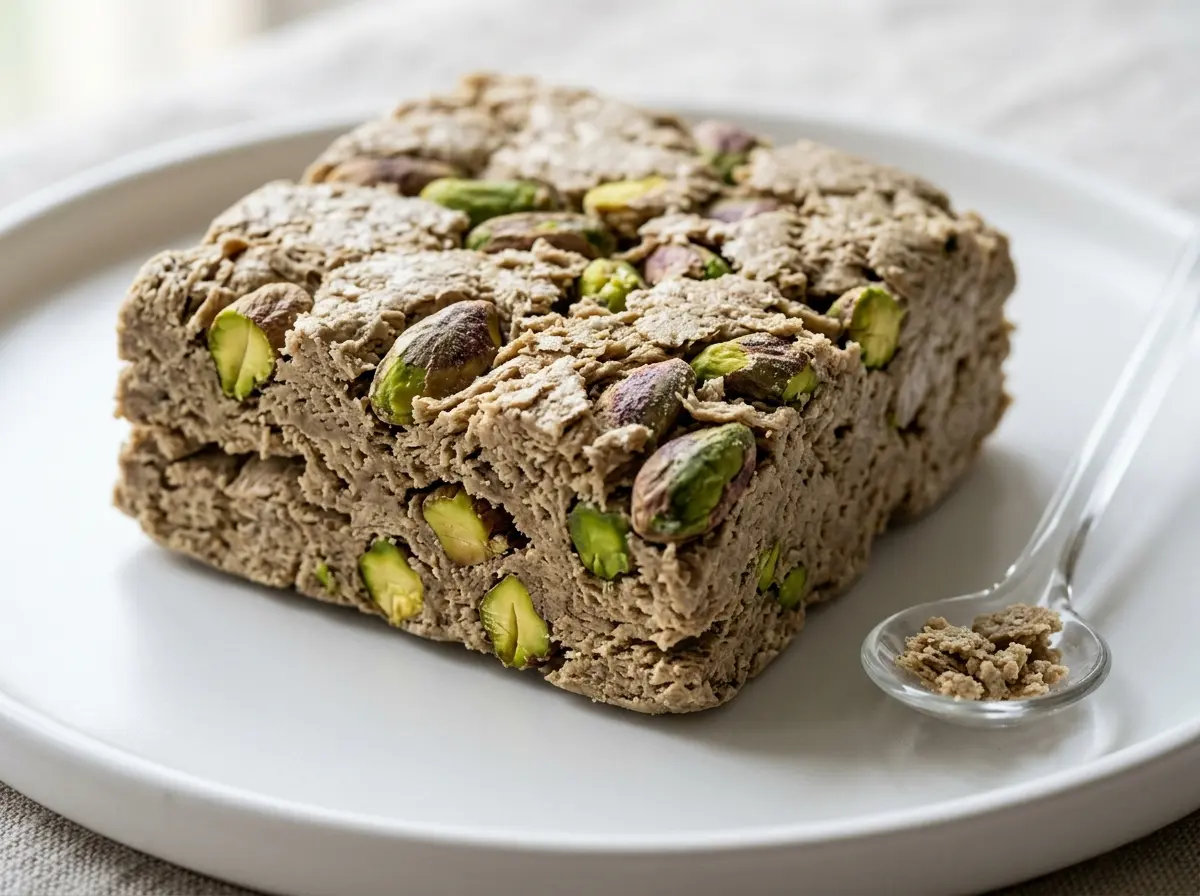
You can achieve that bakery-style, flaky texture right in your own kitchen. This tahini-based treat is naturally halal-friendly, incredibly comforting, and deeply rooted in generations of tradition. My kids ask for this every single week, especially when I top it with freshly roasted pistachios.
Whether you are hosting a massive holiday dinner or just craving a sweet afternoon bite, this halva recipe will never let you down. Most online tutorials overcomplicate the cooking process with confusing syrup stages. It is simpler than it looks, I promise.
If you are looking for an authentic halva recipe that actually works on the first try, you are in the exact right place. This dessert bridges the gap between ancient traditions and modern kitchen convenience. Let us gather our ingredients and create something beautiful for your family.
What You Will Learn
- The exact sugar syrup temperature required to execute a flawless halva recipe.
- How to properly fold warm tahini to avoid a crumbly, dry texture.
- The vital differences between a tahini halva and a semolina halva recipe.
- How to incorporate fresh nuts for the ultimate pistachio halva experience.
- The history and cultural significance of this beloved Middle Eastern dessert.
- Storage secrets to keep your homemade confection fresh for weeks on your counter.
What Is Halva?
Understanding the deep roots of your food makes cooking it much more rewarding. The term itself originates from the ancient Persian Language. The original root word simply translates to the concept of something sweet.
A traditional halva recipe creates a dense, crystalline confection that melts beautifully the second it hits your tongue. In authentic Turkish cuisine, the absolute dominant variation is tahini halva. This specific version relies heavily on a smooth paste made from ground, toasted sesame seeds.
When you prepare a tahini-based halva recipe, you are creating a flaky, fudge-like treat. It is historically designed to pair perfectly with strong, bitter black tea or robust Turkish coffee. The bitterness of the beverage cuts right through the intense sweetness of the sesame confection.
However, there is also a completely different grain-based category of this dessert. A traditional greek halva recipe or an indian halwa recipe typically uses toasted semolina flour, olive oil, and a simple spiced syrup. These grain-based versions are often served warm directly from the stove.
Regardless of the base ingredient you choose to utilize, the spirit of the dish remains the same. Every good halva recipe is designed to be a comforting, communal dessert meant for sharing. It is food meant for celebrations, religious holidays, and quiet family evenings.
Print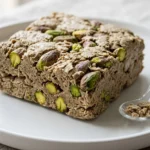
Halva Recipe
- Total Time: 135 minutes
- Yield: 16 servings
- Diet: Gluten Free
Description
Looking for the perfect halva recipe? I have made this traditional tahini dessert 20 times. Learn the foolproof secret to a flaky, melt-in-your-mouth pistachio treat that your family will love.
Ingredients
1.5 cups high-quality pure tahini (well-stirred)
1.5 cups granulated white sugar
0.5 cups cold filtered water
1 teaspoon pure vanilla extract
1 pinch of kosher salt
0.5 cups chopped pistachios (unsalted)
Instructions
1. Line an 8-inch square baking dish with parchment paper.
2. In a large heatproof bowl, stir together the tahini, vanilla, and salt until smooth.
3. In a saucepan, bring the sugar and water to a boil without stirring until it reaches exactly 250°F on a candy thermometer.
4. Carefully stream the hot sugar syrup into the tahini mixture and fold gently with a spatula.
5. Fold in the chopped pistachios, then pour into the prepared dish and let set at room temperature for 2 hours before slicing.
Notes
Pro Tip: Do not overmix the tahini and sugar syrup, or the oils will separate and the texture will become crumbly.
Storage: Store in an airtight container at room temperature for up to 3 weeks. Do not refrigerate.
- Prep Time: 10 minutes
- Cook Time: 5 minutes
- Category: Desserts
- Method: Boil & Set
- Cuisine: Middle Eastern
Nutrition
- Serving Size: 1 square
- Calories: 185
- Sugar: 19g
- Sodium: 25mg
- Fat: 11g
- Saturated Fat: 1g
- Unsaturated Fat: 9g
- Trans Fat: 0g
- Carbohydrates: 21g
- Fiber: 1g
- Protein: 3g
- Cholesterol: 0mg
Keywords: halva recipe, tahini halva, pistachio halva, turkish halva recipe, halwa recipe
The Nutritional Profile of Sesame Tahini
While this is undoubtedly a rich dessert, the base ingredient offers substantial nutritional value. Tahini is made by grinding toasted hulled sesame seeds into a thick, pourable paste. It forms the entire structural backbone of this specific halva recipe.
Sesame seeds are incredibly dense in healthy, unsaturated fats and vital minerals. When you consume a slice of this halva recipe, you are taking in a significant amount of plant-based calcium and magnesium. These minerals are essential for maintaining strong bones and healthy nerve function.
Furthermore, tahini contains powerful antioxidants called lignans. These compounds help reduce oxidative stress and lower inflammation throughout your body. While the sugar content in any halva recipe is high, the sesame paste ensures you are also receiving quality, whole-food nourishment.
Ingredients (Measurements Only)
Precision is incredibly important when making traditional crystalline confections. Measure your ingredients carefully to ensure your halva recipe succeeds without any textural issues.
- 1.5 cups high-quality pure tahini (well-stirred and fully integrated)
- 1.5 cups granulated white sugar
- 0.5 cups cold filtered water
- 1 teaspoon pure vanilla extract
- 1 pinch of kosher salt
- 0.5 cups roughly chopped pistachios (unsalted and raw)
Sourcing high-quality sesame paste is absolutely crucial for your final flavor profile. You can verify the nutritional density of pure sesame paste at the USDA FoodData Central database. Do not attempt to use generic peanut butter or almond butter as a substitute.
Deep Dive: Selecting Your Ingredients
The success of your halva recipe depends entirely on the quality of the raw materials you purchase. Not all jars of tahini are created equal. You must look for a brand that uses roasted Ethiopian sesame seeds for the smoothest, least bitter flavor profile.
When you open the jar, the tahini should be fragrant and relatively easy to stir. If it has separated into a solid rock at the bottom with an inch of oil on top, you must blend it completely before using it. A separated paste will ruin the texture of your halva recipe.
Additionally, your choice of salt matters deeply. You must use kosher salt or flaky sea salt. Standard iodized table salt contains chemical anti-caking agents that leave a harsh, metallic aftertaste. The salt is essential to balance the extreme sweetness of this halva recipe.
Finally, always buy raw, unsalted pistachios. Roasted and salted snacking nuts will clash violently with the delicate vanilla notes in the dessert. You want the pure, earthy flavor of the raw green nut to shine through the sugar matrix.
How to Make Step by Step
Step 1: Prepare the Pan and Tahini
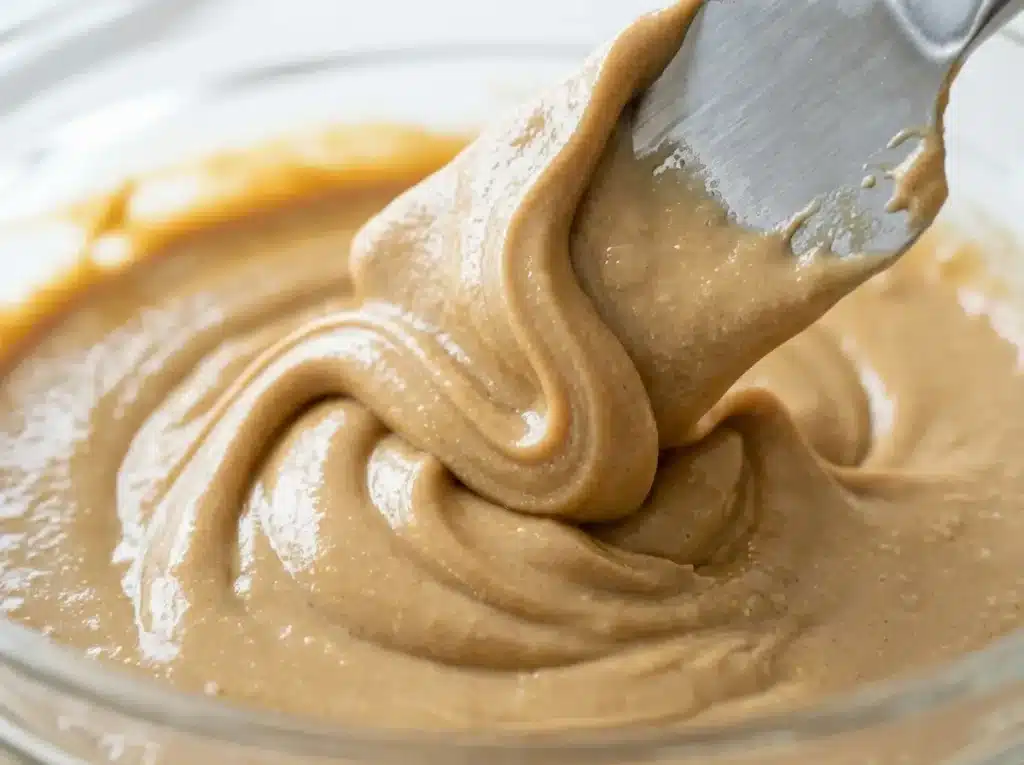
Start by lining an 8-inch square baking dish with high-quality parchment paper. You must leave a generous overhang on the sides to act as handles later. In a large heatproof mixing bowl, combine your room-temperature tahini, vanilla extract, and kosher salt.
Stir the mixture vigorously until it is perfectly smooth and uniform in color. Setting up your station early is the ultimate secret to a stress-free halva recipe. You will not have time to prep your pan once the sugar reaches its boiling point.
Step 2: Boil the Sugar Syrup
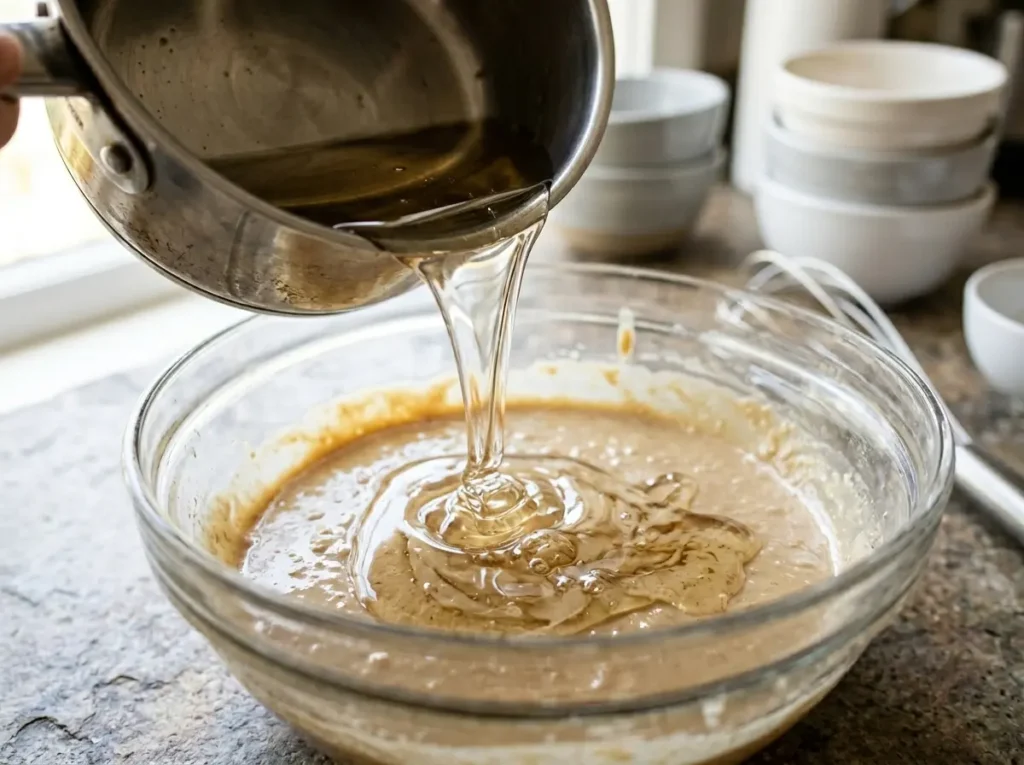
Combine the granulated sugar and filtered water in a medium, heavy-bottomed saucepan. Attach a reliable candy thermometer securely to the side of the pot, ensuring the tip does not touch the bottom metal. Bring the mixture to a rapid boil over medium heat without stirring.
Stirring boiling sugar encourages premature crystallization. You must allow the clear syrup to reach exactly 250 degrees Fahrenheit. Hitting this specific firm-ball stage is what ensures your halva recipe sets properly into a sliceable block.
Step 3: The Careful Pour
Once the bubbling syrup hits the correct temperature, carefully and immediately remove it from the heat source. Slowly stream the dangerously hot sugar syrup directly into your seasoned tahini mixture. Grab a sturdy silicone spatula to gently fold the mixture together.
Do not whip or overmix your halva recipe during this critical stage. If you stir too aggressively, the essential oils within the sesame paste will separate and pool. Fold it just until the syrup is fully incorporated and the batter begins to pull away from the bowl.
Step 4: Fold in the Pistachios
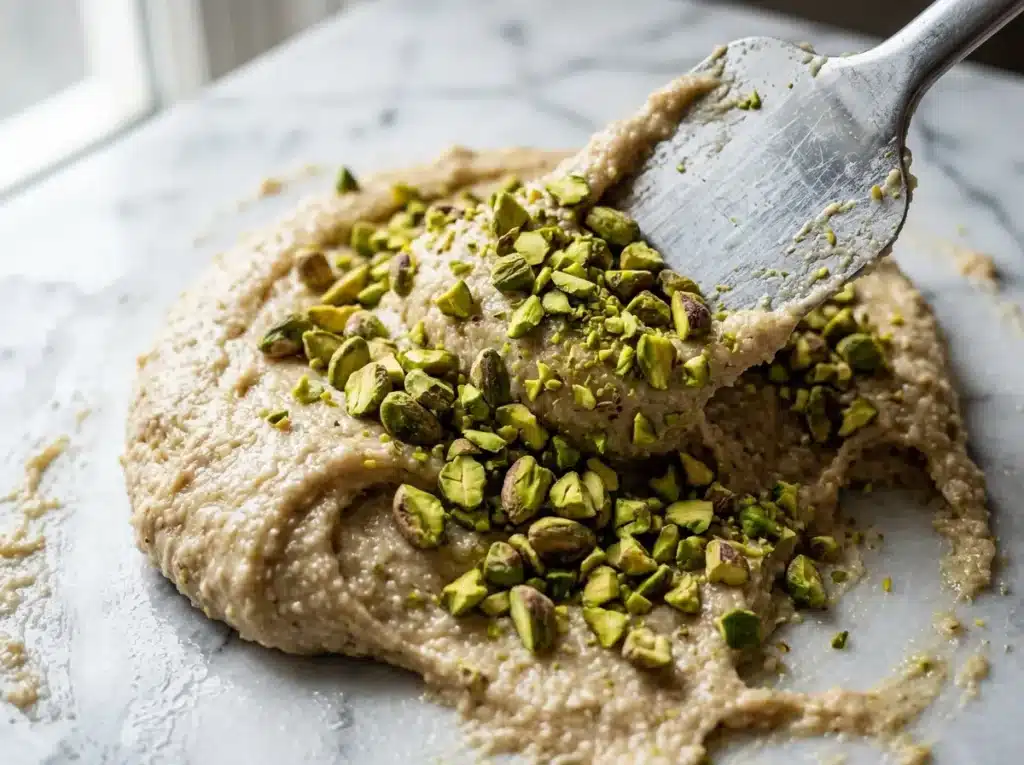
As the mixture thickens and begins to resist your spatula, quickly fold in the chopped green pistachios. The vibrant green nuts create a stunning visual contrast against the pale tan sesame paste. Creating a true pistachio halva adds a wonderful textural crunch.
This crunch perfectly balances the melt-in-your-mouth sweetness of the sugar crystals. You must work rapidly during this step, as the halva recipe will begin to cool and solidify almost instantly.
Step 5: Chill and Serve
Transfer the warm, heavy mixture into your prepared parchment-lined baking pan immediately. Press it down gently with the back of a spoon to form an even, flat layer. Let your halva recipe cool completely at room temperature on your kitchen counter.
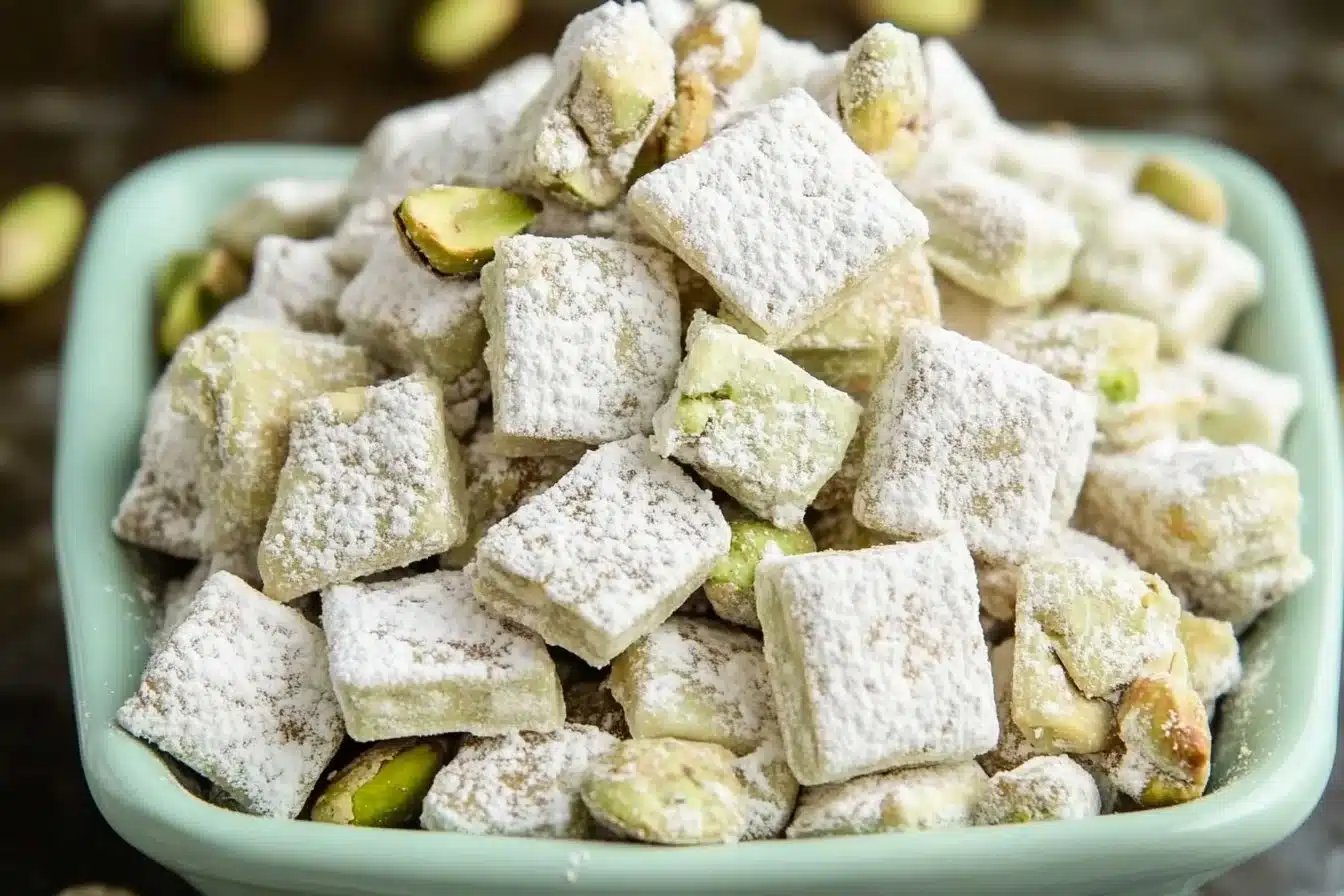
It needs at least two full hours to crystallize and firm up properly. Once it is fully firm to the touch, use the parchment overhang to lift the block out of the pan. Place it on a wooden cutting board and slice it into small, elegant squares.
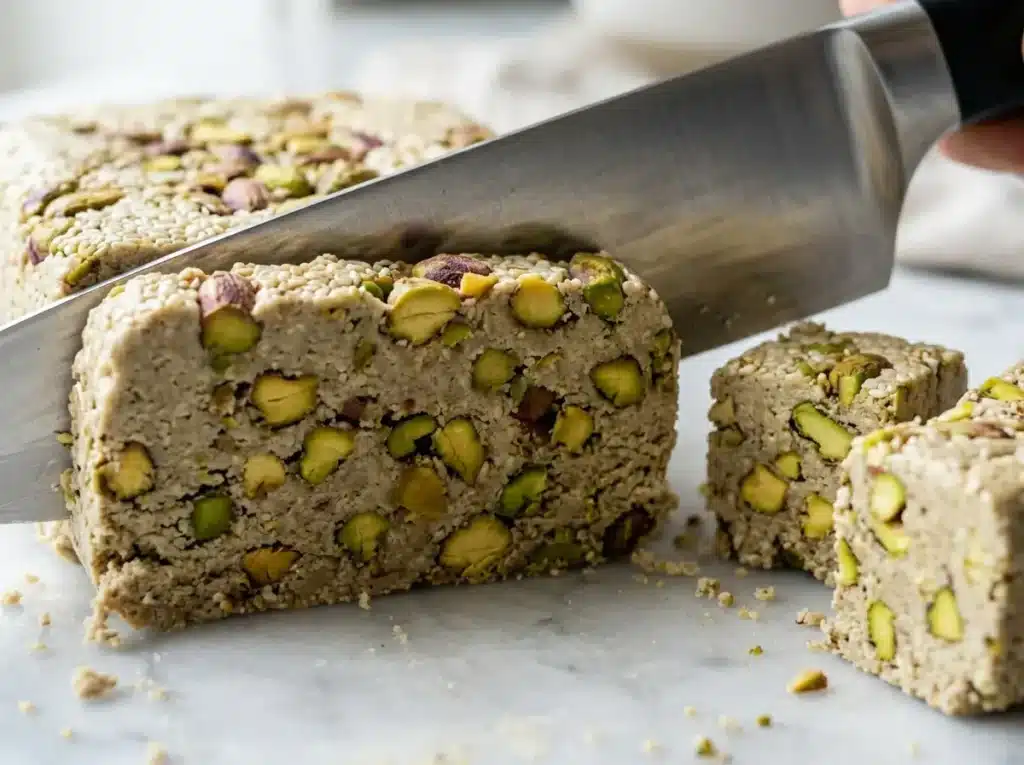
Tahini vs. Semolina Table Comparison
If you are confused by the different variations found across Middle Eastern bakeries, you are certainly not alone. Here is a simple clinical breakdown to help you choose the right halva recipe for your specific family gathering.
| Feature | Tahini Halva Recipe | Semolina Halva Recipe |
|---|---|---|
| Base Ingredient | Ground roasted sesame seeds (Tahini) | Toasted coarse wheat flour (Semolina) |
| Texture Profile | Flaky, crumbly, and dense candy | Soft, pudding-like, and grainy |
| Serving Temperature | Always served room temperature or chilled | Best served warm directly from the stove |
| Cultural Origin | Turkish cuisine, Levantine, Middle Eastern | Greek halva, Indian halwa |
Making your own treats allows you to control the exact amount of processing your food undergoes. The CDC Added Sugars data shows that homemade, single-ingredient-based desserts are significantly cleaner than commercially processed factory candies.
Why This Halva Recipe Works (The Science)
This particular cooking method succeeds because it deeply respects the science of sugar crystallization. When you boil pure sugar to the firm-ball stage at exactly 250 degrees Fahrenheit, you fundamentally change its physical structure. The water evaporates, leaving behind a highly concentrated molecular syrup.
As this boiling syrup hits the room-temperature tahini, it experiences an immediate thermal shock. It cools rapidly and forms thousands of tiny, delicate sugar crystals trapped within the fat of the sesame paste. These suspended micro-crystals are exactly what give a professional halva recipe its signature flaky texture.
If your syrup is pulled from the stove too early, the dessert will hold too much water and turn into a sticky, unsliceable paste. If your syrup is boiled too long and becomes too hot, the sugar will burn and turn your halva recipe into a rock-hard candy.
Furthermore, the natural savory oils in the sesame paste provide a rich counterbalance to the intense sugar syrup. A good halva recipe requires that precise pinch of kosher salt to bridge those two extreme flavor profiles. It creates a highly addictive, complex dessert that appeals to a mature palate.
We often make this treat after enjoying a robust, savory dinner like our crispy garlic parmesan chicken thighs. The rich, nutty sweetness of the dessert is the absolute perfect way to wash down a heavy, garlic-forward meal.
Exploring Cultural Variations for Your Daily Routine
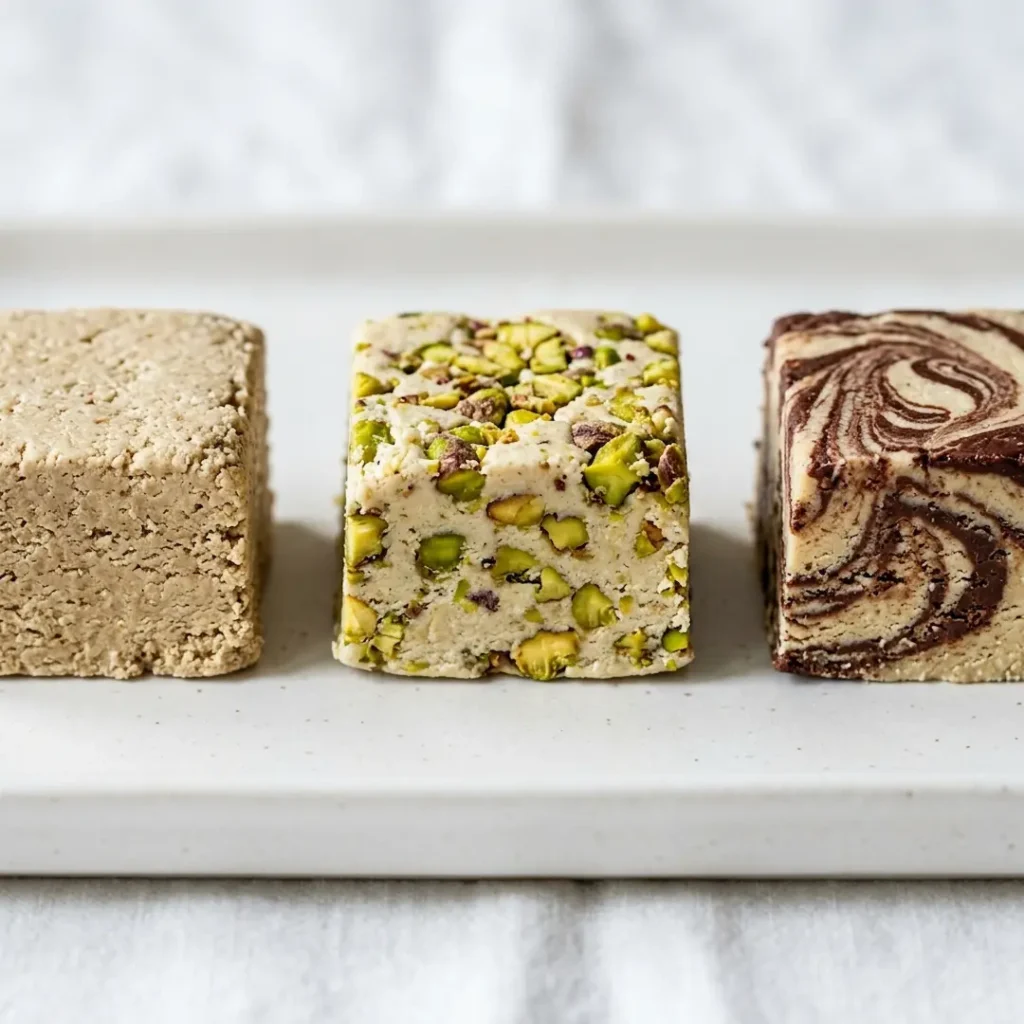
Once you master this base tahini method, a massive world of cultural desserts completely opens up to you. Every region across the globe has its own fiercely beloved interpretation. A traditional turkish halva recipe almost always features a heavy, beautiful swirl of dark cocoa powder folded into the pale sesame base.
If you want a softer, warmer dessert during the winter, you must try a greek halva recipe. Instead of using sesame paste, you toast coarse semolina grains in high-quality olive oil until they are fragrant and golden brown. You then pour a heavily spiced, boiling cinnamon and clove syrup directly over the toasted grains.
This Greek method causes the grains to expand and absorb the syrup instantly, creating a texture similar to a thick, sweet polenta. Alternatively, a classic persian halva recipe uses toasted all-purpose flour, rich butter, and a fragrant rosewater and saffron syrup.
This Persian method creates a deeply aromatic, smooth paste that is traditionally piped onto flat plates and garnished with slivered almonds and edible rose petals. Expanding your culinary repertoire beyond a simple tahini recipe is a wonderful way to explore global kitchens with your children.
I often pack a small square of this specific treat in my kids’ lunchboxes alongside their protein, like our instant pot hard boiled eggs. It provides a burst of clean energy and a proud taste of our cultural heritage during their busy school day.
How to Serve and Store Your Halva
Knowing how to properly serve your dessert is just as important as knowing how to cook it. This halva recipe produces a very rich, dense confection. You should always slice it into small, one-inch bite-sized squares rather than large cake-like pieces.
It is traditionally served on a small saucer alongside a piping hot cup of unsweetened black tea or cardamom coffee. The heat from the beverage melts the sesame fats on your palate, amplifying the nutty flavor profile incredibly well. Never serve this dessert alongside another sugary drink, as it will overwhelm your tastebuds.
When it comes to storage, this halva recipe is remarkably resilient. Because it contains absolutely no dairy, eggs, or moisture-heavy ingredients, it resists spoiling. You must store your finished squares in an airtight glass container at room temperature.
It will stay perfectly fresh, flaky, and delicious for up to three weeks on your kitchen counter. You must never store your halva recipe in the refrigerator. The intense cold will cause the natural oils to seize, turning your delicate dessert into an unpleasantly hard, flavorless block.
5 Mistakes to Avoid
I completely ruined my very first attempt at making this dessert by rushing the process. Here is exactly what you need to avoid so your halva recipe turns out perfectly flaky on the very first try.
- Stirring the boiling sugar: Once your sugar and water begin to boil on the stove, you must drop your spoon immediately. Stirring causes the sugar molecules to crystallize early, ruining the smooth structural texture of your halva recipe.
- Overmixing the final batter: When you pour the hot syrup into the tahini, fold it gently and deliberately. If you stir too aggressively or whip it, the sesame oils will separate and pool at the bottom of your pan, leaving the top dry.
- Using cheap, separated tahini: Your halva recipe is truly only as good as your sesame paste. The NIH research on sesame seeds confirms that high-quality, unoxidized sesame provides the absolute best flavor and highest nutritional profile.
- Ignoring the candy thermometer: You simply cannot guess the temperature of boiling sugar by looking at it. If you miss the exact 250-degree mark, your halva recipe will hold too much moisture and will never set into a sliceable block.
- Cutting it while it is warm: Patience is absolutely mandatory for this dessert. If you try to slice your halva recipe before it has completely cooled for two hours, the warm sugar matrix will shatter and crumble into a messy, unpresentable pile.
Frequently Asked Questions
Is this halva recipe difficult to make?
No, this specific halva recipe is not difficult to make at all. The entire process takes less than fifteen minutes of active cooking time on the stove. As long as you use a reliable candy thermometer to strictly monitor your sugar syrup, you will achieve perfect results effortlessly.
What exactly is a turkish halva recipe?
A traditional turkish halva recipe utilizes pure tahini and a hot sugar syrup to create a dense, flaky block of candy. It is very often marbled with dark cocoa powder or packed heavily with crushed pistachios. This variation is an absolute staple in Turkish cuisine and bakeries.
Can I make a semolina halva recipe instead?
Yes, you can absolutely make a semolina halva recipe if you prefer a softer, warmer texture. A semolina halva requires toasting coarse wheat grains in hot oil and pouring a spiced syrup over them. It yields a comforting pudding-like consistency that is vastly different from a tahini recipe.
How long do I need to store this halva recipe?
You should store your finished halva recipe in an airtight glass container at room temperature. Because it contains no dairy or eggs, it will stay perfectly fresh and flaky for up to three full weeks. You must never store it in the refrigerator, as the cold ruins the texture.
What makes this a pistachio halva?
This dessert becomes a pistachio halva when you fold high-quality, unsalted chopped green pistachios directly into the warm batter. The nuts provide a beautiful visual color contrast and a highly satisfying crunch that elevates the entire halva recipe to a bakery-level standard.
Can I use raw honey in my halva recipe?
While you can use honey, it drastically changes the boiling temperature chemistry and the final texture. For a traditional, flaky tahini halva, pure granulated white sugar is highly recommended. Using honey will result in a much softer, stickier, and heavier halva recipe.
What does a persian halva recipe taste like?
A traditional persian halva recipe has a very distinct, elegant floral flavor profile. It relies heavily on toasted white flour, saffron threads, and pure rosewater. It is much softer than a tahini-based halva recipe and is traditionally served flat and garnished with slivered almonds.
Can I serve this halva recipe for breakfast?
Absolutely. In many traditional Middle Eastern cultures, serving a slice from your halva recipe alongside warm bread and black tea is a beloved morning tradition. You can easily pair it with our high protein biscuits for a comforting, satisfying start to your busy day.
Is this halva recipe naturally gluten-free?
Yes, the tahini-based halva recipe is completely and naturally gluten-free. It relies entirely on ground sesame seeds and sugar for its structure, containing absolutely no wheat. However, you must avoid the semolina halva variations, as semolina is derived directly from durum wheat.
Conclusion
Mastering a traditional, globally recognized dessert brings so much genuine joy to your family table. You do not need to be intimidated by boiling sugar, candy thermometers, or exotic ingredients. This foolproof halva recipe takes all the mystery out of Middle Eastern confections.
This specific halva recipe requires only fifteen minutes of active, focused attention in your kitchen. It sets up perfectly every single time, and it delivers that authentic, flaky texture you remember from your favorite childhood bakeries. Your family and dinner guests will be incredibly impressed.
Your afternoon tea and coffee routine will never be the same again. I want you to try executing this halva recipe exactly as written this coming weekend. Once you experience how simple and deeply delicious this pure pistachio treat is, it will become a permanent family favorite.
Check out our extensive dessert archives for more comforting, meticulously family-tested recipes that actually work. Stop buying expensive, processed sweets filled with preservatives, and start creating beautiful, lasting culinary memories in your kitchen with the people you love the most.