apple cider vinegar benefits are one of those things you keep hearing about from friends, podcasts, and that one wellness cousin who swears it changed their life. I get it, it can feel confusing because some people treat it like magic, and others say it is all hype. I am a food blogger, not your doctor, but I do cook a lot and I have tested apple cider vinegar in my own kitchen habits. I like it because it is simple, cheap, and it actually has a few evidence backed perks when you use it the right way.
Let me walk you through the real world upsides, the nutrition basics, and how I personally drink it without regretting it five minutes later. 
1. Key Health Benefits Supported by Science
First, a quick reality check: apple cider vinegar is not a cure. But there are a handful of apple cider vinegar benefits that keep popping up in research and in practical day to day use, especially when it replaces less helpful habits like sugary drinks or mindless snacking.
Benefit 1: Helps with blood sugar spikes after meals
This is the benefit I hear about the most, and it is also one of the more studied ones. Taking a small amount of diluted vinegar with a meal that has carbs may help reduce the blood sugar rise right after eating for some people. It does not mean you can eat anything you want, but it can be a helpful little support alongside balanced meals.
Benefit 2: May support weight management by helping you feel full
Some people feel a bit more satisfied after having diluted vinegar before a meal. In plain terms, it might help with appetite for certain folks. I notice it most on those afternoons when I would normally wander into the kitchen and start “taste testing” everything in sight.
Benefit 3: Supports heart health markers in a small way
There is limited but interesting research looking at cholesterol and triglycerides. I would not hang my whole health plan on vinegar alone, but it can be part of a bigger routine that includes fiber, movement, and less ultra processed food.
Benefit 4: Antimicrobial properties (aka it is tough on some germs)
Vinegar has a long history in food safety and food prep. No, it is not a replacement for proper cooking or sanitizing, but it is one reason vinegar based dressings and quick pickles have been a kitchen staple for ages.
Benefit 5: A gentle nudge for digestion for some people
Some folks find diluted apple cider vinegar feels like it helps digestion, especially with heavier meals. This is very individual, though. If it bothers your stomach, that is your answer.
Quick kitchen side note: if you love tangy flavors, you might also like a salty, punchy seasoning situation. I make this sometimes for snacks and wings, and it scratches that vinegar craving in a totally different way: how to make salt and vinegar seasoning.
“I started using a teaspoon of apple cider vinegar in water before dinner a few nights a week, and the biggest change for me was fewer late night snack cravings. Nothing dramatic, just a small steady shift that felt doable.”

2. Nutritional Composition of Apple Cider Vinegar
Let us keep this simple. Apple cider vinegar is basically fermented apple juice. The main active piece is acetic acid, which gives it that sharp smell and sour bite. Calorie wise, it is very low, and it is not a vitamin powerhouse like fruits or veggies. So when people talk about apple cider vinegar benefits, they are mostly talking about how acetic acid behaves in the body and how vinegar fits into better habits.
Here is what you are typically getting:
- Acetic acid: the main compound linked with many studied effects
- Trace amounts of minerals like potassium (usually small)
- “The mother” in some unfiltered bottles, which is a mix of beneficial bacteria and proteins formed during fermentation
And because I know someone will ask: yes, you can use it in food too. I love it in dressings, quick pickles, and marinades. When I am in a cozy baking mood, I lean into apple flavors instead, like this sweet slice that smells like fall: apple cider donut bread.
Also, here is a quick comparison table that keeps it grounded and practical.

3. Risks and Considerations of Consumption
This part matters, because the same acidity that makes vinegar useful is also what can cause issues if you go too hard.
Things to keep in mind before chasing apple cider vinegar benefits:
It can irritate your throat and stomach if you take it straight. Please do not do shots of it. Dilute it.
It can affect tooth enamel over time because it is acidic. I use a straw when I drink it, and I rinse my mouth with plain water after. I do not brush immediately because brushing right after acidic drinks can be rough on enamel.
It may interact with medications like insulin or diuretics, and it may not be a good idea for certain health conditions. If you have diabetes, kidney issues, reflux, or ulcers, check with a clinician first.
More is not better. If your stomach is burning, your body is not “detoxing.” It is irritated.
If you are someone who already struggles with heartburn, you might do better getting the “tang” from foods instead of a drink. I will sometimes make vinegar forward recipes where the acid is spread out across a meal. And if you want a bold vinegar vibe for dinner, these are fun and super snacky: salt and vinegar chicken wings.
4. Recommended Dosage and Consumption Methods
If you are doing this at home, the goal is “small and consistent,” not “brave and dramatic.” Most people who tolerate it well stick to 1 to 2 tablespoons per day total, diluted, often split into smaller servings. If you are new, start with 1 teaspoon and see how you feel.
Here are my go to, realistic methods that do not feel like a punishment:
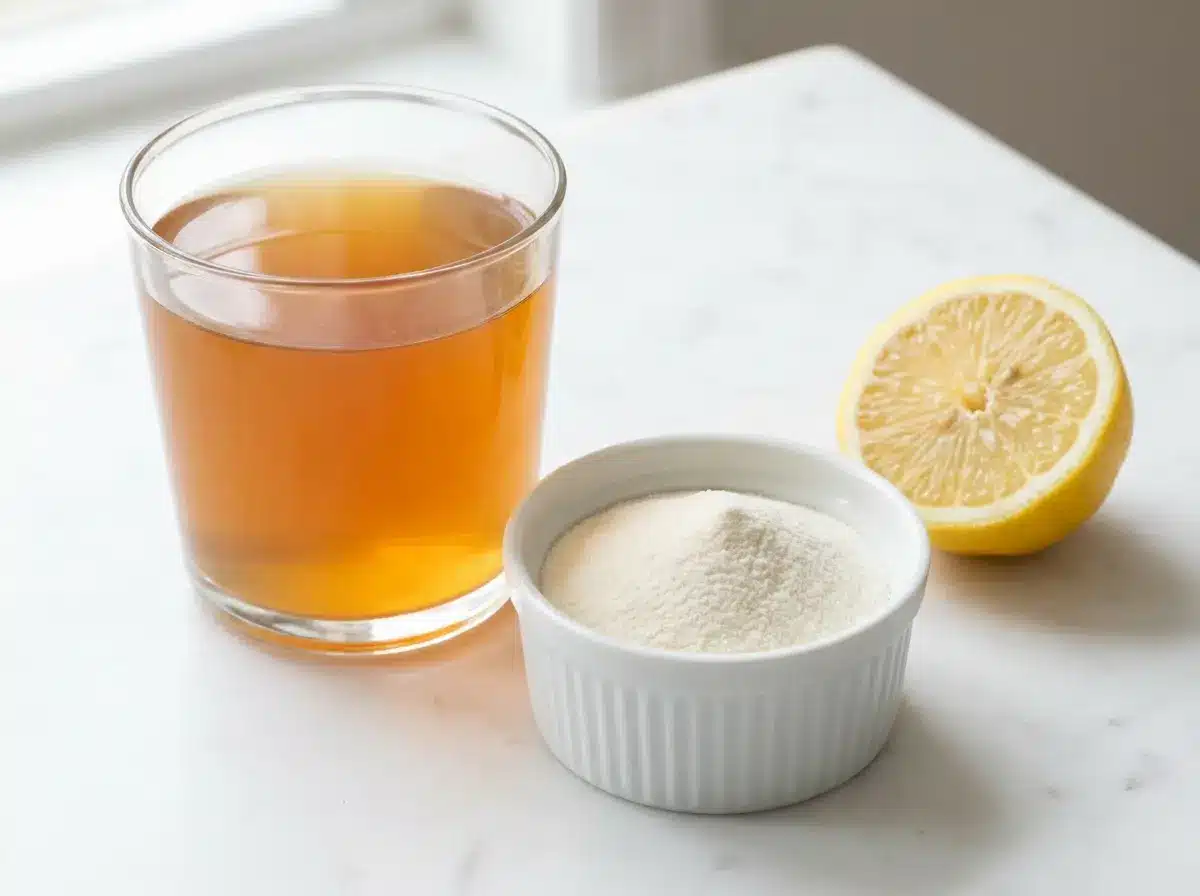
- Simple diluted drink: 1 teaspoon to 1 tablespoon apple cider vinegar in a big glass of water. Optional: a squeeze of lemon or a little honey.
- Before meals: I prefer having it 10 to 20 minutes before a carb heavy meal, if I am using it for that purpose.
- In salad dressing: Mix with olive oil, mustard, salt, and pepper. Easiest way to make it part of dinner.
- In quick pickles: Slice cucumbers, add vinegar, water, salt, and a pinch of sugar. Chill and snack.
My personal “tonic” tip: keep it boring at first. Just vinegar and water. If you add too many spicy extras and drink it on an empty stomach, you might blame the vinegar when it was really the combo.
If you like the idea of a DIY drink, you might enjoy this recipe style approach too: vinegar tonic DIY.
5. Alternative Sources of Benefits
I am a big fan of not putting all your hopes in one bottle. Even if you love apple cider vinegar benefits, you can get similar upsides from other foods and habits that are honestly more enjoyable for a lot of people.
Here are some practical alternatives, depending on what you are aiming for:
For blood sugar steadiness: more protein at breakfast, fiber rich carbs, walking after meals, and swapping soda for unsweetened drinks.
For feeling full: add beans, lentils, oats, chia, and veggies. These work better than relying on acidity.
For gut friendly foods: yogurt, kefir, sauerkraut, kimchi, and other fermented foods if you tolerate them.
For that “bright” flavor kick: lemon juice, other vinegars like red wine vinegar, or pickled veggies in meals.
And hey, if you are just here because you like sipping something fun that is not sugary, sparkling drinks can be a nice swap. I have been into lighter, bubbly options lately, and this one is a good read: benefits of sparkling tea.

Common Questions
Is it better to take apple cider vinegar in the morning or at night?
Whatever time you can stick with and that feels good in your stomach. Some people like it before meals, and some prefer earlier in the day to avoid reflux at night.
Can I drink it every day?
Many people do fine with a small diluted amount daily, but start slow. If you notice irritation, take a break or use it in food instead.
Should I buy the one with “the mother”?
If you like it, go for it. The “mother” is not required for all apple cider vinegar benefits, but many people prefer unfiltered bottles because they feel more traditional and less processed.
Can apple cider vinegar replace medication for blood sugar or cholesterol?
No. Think of it as an optional add on, not a replacement. If you are on medication or managing a condition, talk to your healthcare professional first.
How do I protect my teeth?
Dilute it well, use a straw if you can, and rinse with water after. Try not to sip it slowly for a long time.
A cozy final take from my kitchen
For me, the best apple cider vinegar benefits show up when I treat it like a small tool, not a miracle. Use a little, dilute it, and pair it with basics like real meals, fiber, and movement. If you want to dig deeper into what is proven and what is overhyped, these are worth reading: 6 Benefits of Apple Cider Vinegar – Healthline, What Apple Cider Vinegar Can (and Can’t) Do for You, What are the health benefits of apple cider vinegar?, Is Apple Cider Vinegar Good for You? Here’s What to Know – GoodRx, and Debunking the health benefits of apple cider vinegar. If you decide to try it, start with the gentlest version,
keep it consistent for a couple weeks, and treat it like a simple kitchen habit you can actually enjoy.