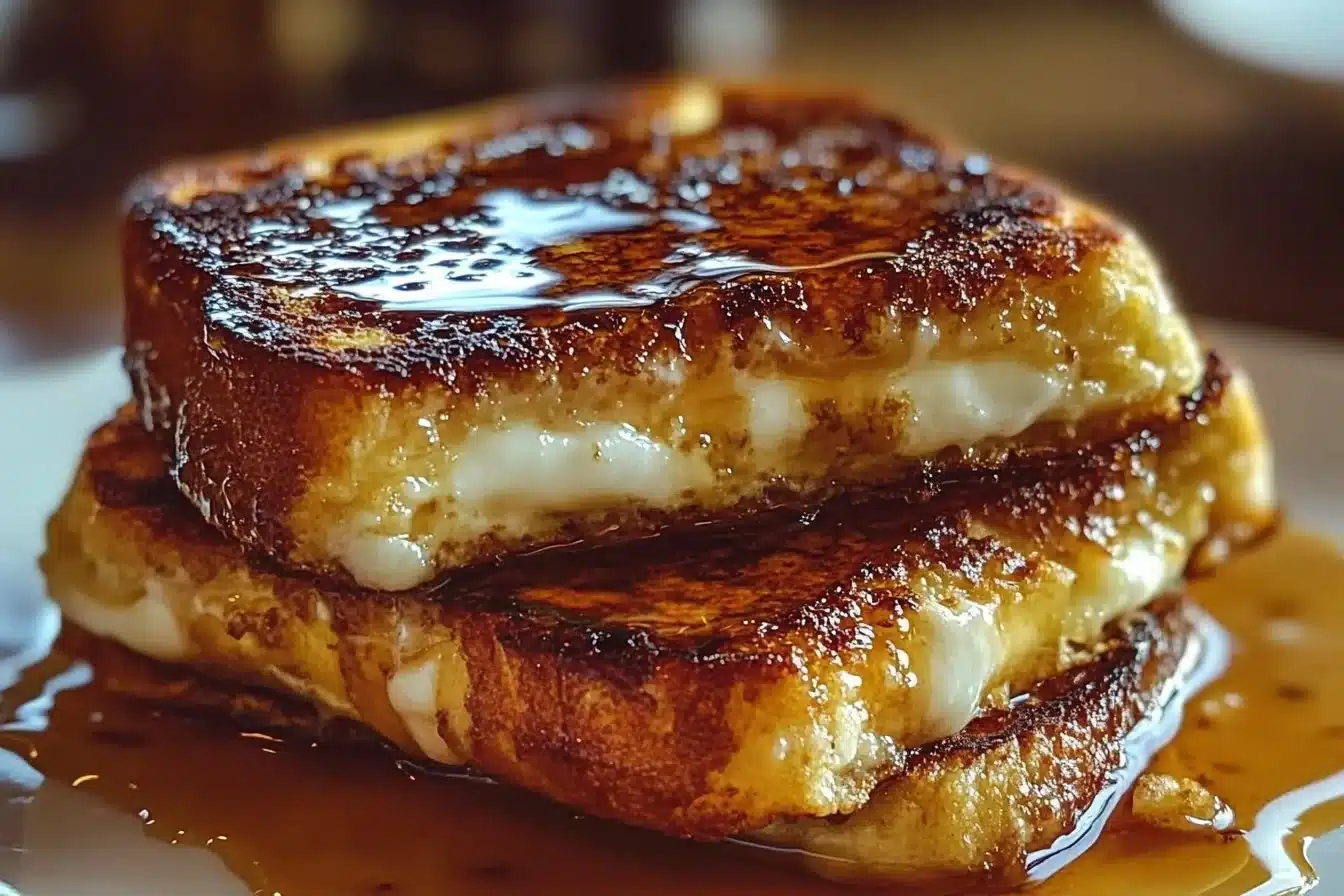
The smell of caramel and warm bread used to pull my whole house to the kitchen on slow mornings, and that first time I torched the top of a custardy French toast until it sang with a thin, crackly caramel, I knew I had found something small and true. Burnt Cream French Toast brings that same hush to the table, the kind that makes people stand closer and breathe deeper before anyone says a word. If you fall for dishes that feel like a hug, you might also enjoy my take on banana French toast, which plays with similar creamy textures and cozy spices.
Why This Burnt Cream French Toast Means So Much
This version lives in our home because it mixes two simple pleasures. One is the soft, soaked bread that gives in under your fork. The other is the thin, brittle glaze of caramel on top that snaps and spills a warm sweetness across your mouth.
I made this first for a slow Sunday when the kids were small and sticky fingers seemed to be part of every recipe. We ate standing at the counter, plates balanced in one hand and coffee in the other, and the kitchen felt like the best room in the house. That memory still steers how I cook: simple, a bit messy, and full of feeling.
When my husband tastes it now, he always closes his eyes for a moment. He says it reminds him of special things he ate as a child, and I like that the dish holds room for other people’s memories too. Food that makes space for new memories while echoing old ones is the kind I return to again and again.
This recipe is gentle enough for a first timer but interesting enough to keep you cooking it for years. The technique is forgiving, and the result feels like more than the sum of its parts. That is the heart of what I want my kitchen to be: welcoming, confident, and full of good smells.
How to Make Burnt Cream French Toast
“Every time I stir this pot, it smells just like Sunday at home.”
There is a quiet rhythm to making this. You start with a custard that smells of vanilla, move through a slow soak where bread softens like a warm pillow, and finish by giving it a thin, crackly crown of caramel. The sounds are small but honest: a whisk in a bowl, the soft slide of bread into a dish, the faint hiss of sugar when it turns on a torch.
Watch the colors as you go. The custard will be pale and glossy, the bread will bloom as it drinks the liquid, and the top will go from pale to a golden tan before you caramelize it to amber. The caramel stage is the one that feels like magic. When the sugar melts and begins to smoke, you will smell a deep, toffee note that makes the kitchen feel like a small bakery.
If you are new to torching, take it slow. Use short passes and keep the torch moving. The sugar should melt and darken without burning the custard underneath. If you do not have a torch, a broiler can do the job, though the control is different. I will share both ways so you feel safe and sure in the kitchen.
This dish asks for a little patience, but not polish. It asks you to pay attention, to breathe in the aroma, and to invite others to help. Kids can place bread slices in the dish and pour the custard under supervision. A friend can stand by with the torch while you plate. That ease and small togetherness is part of what makes this recipe feel like home.
Ingredients You’ll Need
1 loaf of French bread
4 large eggs
1 cup heavy cream
1 cup milk
1/2 cup sugar
1 teaspoon vanilla extract
1/4 teaspoon salt
1/4 cup additional sugar for caramelizing
Fresh berries for garnish (optional)
A little extra vanilla if you love a cozy aroma.
Fresh butter gives this its richness and warmth.
I like to keep the ingredient list honest and small. Each item has a job. The eggs and creams make the custard silky. The bread holds the custard and gives structure. The sugar caramelizes into that thin, crisp top you will break with a spoon.
If you love small sweet bites, you might also enjoy making treats like our French toast cookies for a snack or party. They carry the same flavor family and make a nice follow-up to a morning when you want to keep the spirit of the toast going into the afternoon.
Step-by-Step Directions
Slice the French bread into thick pieces.
Take a sharp knife and cut the loaf into slices about an inch to an inch and a half thick. You want pieces that soak but still hold their shape, and you will notice the crust gives a gentle chew when they bake.In a mixing bowl, whisk together eggs, heavy cream, milk, sugar, vanilla extract, and salt until well combined.
Whisk until the mixture looks glossy and the sugar starts to melt into the liquids. You should smell the vanilla rise up and the mix will feel smooth and slightly thick against your whisk.Arrange the bread slices in a baking dish and pour the egg mixture over the top, ensuring the bread is well soaked.
Press the slices down gently to make sure edges soak through, and tilt the dish so each piece gets an even share. The bread will swell a little and look juicy when it has taken on the custard.Cover and refrigerate for at least 1 hour, or overnight for best results.
The longer the bread rests, the deeper the custard will sink in and the richer the texture will be. Overnight gives you a creamier center and makes the flavors settle into a gentle, steady sweetness.Preheat the oven to 350°F (175°C).
Let the oven come all the way up so the baking is even, and place a rack in the middle. A steady oven helps the custard set without drying the top too quickly.Bake the French toast for 30-35 minutes, until golden and set.
Watch for the edges to turn golden and the center to feel softly set when you press it. The top will give a faint crackle and the smell will be warm and toasty like bread pudding.Remove from the oven and let cool slightly.
Let it rest for a few minutes so the custard settles and the slices keep their shape. You will see steam rise and the sugar on top will quiet down as the heat moves out.Sprinkle sugar on top and use a kitchen torch to caramelize until golden and crispy.
Move the torch in small circles and watch the sugar melt and turn amber. The top will bubble and then harden into a thin, crisp crust that snaps under your spoon.Serve warm, garnished with fresh berries if desired.
Place slices on warm plates and add berries or a pat of butter if you like. Breathe in the deep caramel notes, and enjoy the contrast of crisp top and soft custard beneath.

Bringing Burnt Cream French Toast Together
Once you finish torching the sugar and the top is crackled, the aroma hits like a small celebration. The caramel sends out deep caramel notes and the custard under it will be soft, almost spoonable. That contrast is the joy of the dish.
I like to serve it on wide plates so the top can be cracked with a spoon and a child can lift a corner to see the custard pull back. We often add a handful of berries for color and a tart edge. A smear of butter across a warm slice will melt into the cracks and add a satin richness.
Sometimes we keep it simple and eat with our hands when the family is being casual. Other days I set out little spoons and a bowl of syrup for guests to dip if they want more sweetness. The dish is content either way, and that is part of its charm.
This French toast feels special, but it does not need silverware or a long table. It asks only that people sit close, talk low, and take a moment before the first bite. Those small habits make weekday meals feel like something you would look forward to on a slow morning.
Serving Burnt Cream French Toast With Family Warmth
Set the table with simple plates and a small vase of flowers if you have them. Warm plates help keep the slices soft and the top crisp. I sometimes put out a dish of softened butter and a pitcher of warm syrup so people can choose their own level of sweetness.
I like to slice the toast in dinner-plate wedges and pass them around. The top cracks, and someone always lifts a piece to show the custard inside. That little show-and-tell moment always makes someone laugh or sigh and brings a gentle hush.
We have a small tradition of offering one tiny spoon for the first serving, the spoon you use to break the top. Whoever gets that spoon gets to make a small wish or tell a quick memory. It sounds silly, but those tiny rituals make a meal feel like a map of small joys.
If you want to pair this with savory things, try a side of crisp bacon or a bright salad for contrast. For a larger spread, I have served it alongside grilled veggies and light cheeses. For a fun twist, pair this sweet dish with simple, savory bites like the ones in our recipe for French dip tortilla roll-ups, which bring a salty counterpoint to the caramel.
Storing Burnt Cream French Toast for Tomorrow
If you have leftovers, let them cool to room temperature and then cover the dish tightly. The custard will firm up a bit in the fridge and the flavor will mellow into something softer and sweeter. I like to put slices in a single layer on a plate and cover with plastic or a tight lid.
To reheat, place slices in a warm oven at 325°F for 8 to 12 minutes, or until the center feels soft and the top is just warm. If you want to bring back the crisp top, sprinkle a bit more sugar and use the torch for a quick pass or run the dish under a very hot broiler for no more than a minute while watching closely.
Leftover slices can also be warmed in a skillet over low heat with a little butter. The pan will help restore a mild crisp to the edges and give a gentle toasty note. The texture will change a little, but the custard keeps its comforting flavor.
For longer storage, you can freeze individual slices wrapped tightly in foil and then placed in a freezer bag. Thaw in the fridge overnight and reheat in a low oven. The sugar top will not stay crisp in the freezer, but the custard will remain creamy and full of flavor.
Tips, Tricks, and Gentle Know-How
Choose a day-old loaf if you can. Slightly stale bread soaks and holds the custard better than bread that is very soft. That does not mean you cannot use fresh bread, just press it a little more and let it soak for a bit longer.
If you want a richer custard, use slightly more heavy cream and a little less milk. The custard will feel fuller and silkier. If you prefer a lighter texture, use more milk and fewer egg yolks, but keep an eye on the set so it does not become too loose.
Add a pinch of cinnamon or a little orange zest to the custard for a subtle lift. These small flavors layer in without taking over and give a brightness that cuts through the sugar. I often add a little lemon zest when I have guests who like a sharp note.
When you torch, keep the flame moving and stay about three to four inches away from the sugar. The sugar should melt into a glossy pool and then darken. If you hold the flame in one spot, it will burn quickly. Short passes keep the heat even and the custard safe.
A broiler works if you do not have a torch. Move the rack close to the heat, turn the broiler on high, and watch like a hawk. It can go from golden to burnt in seconds. Use an oven mitt and a steady hand to move the dish in and out.
If the sugar melts and runs over the sides while torching, wipe the excess carefully with a wet cloth once it cools a bit. The caramel can be sticky, and a clean edge on the dish makes the presentation feel tidy.
To make individual portions, cut your bread into smaller slices and bake in ramekins. The same soak and bake method works, and guests love the personal touch of an individual dish. You can torch each ramekin or use the broiler for a shared caramelizing step.
For a crowd, bake multiple pans and torch them one at a time. Keep finished pans warm in an oven set to low so the custard stays soft and the sugar does not soften. Serve from warm pans for an easy family-style meal.
Small Ways to Make It Your Own
Try swapping the vanilla for a splash of almond extract if you want a nutty note. Use a single, careful drop because almond extract is strong and can overwhelm the custard if you add too much.
Top with a spoon of thick yogurt or crème fraîche for a tangy counterpoint. The creamy tang pairs beautifully with the caramel top and brightens each bite. A dusting of toasted nuts brings texture and a warm, nutty flavor.
If you like things with more texture, fold tiny raisins or chopped dried apricots into the custard before you soak the bread. They plump in the custard as it rests and give sweet pockets of flavor.
For a citrus twist, fold in a teaspoon of orange marmalade into the custard. It adds a subtle fruit note and a little shine. I do this when I want a lighter, sunlit version of the dish for spring mornings.
Make it into a dinner dessert by serving small slices with a scoop of vanilla ice cream and a drizzle of leftover caramel from the torching step. The contrast of warm crust and melting ice cream is a simple and very kind way to end a meal.
Confidence in the Kitchen
If you feel shy about the torch, practice on a small piece of sugar on a baking sheet first. Watch how it melts and changes. Practicing gives you a sense of the flame and how quickly sugar moves from clear to gold to dark.
Do not worry about perfection. The best Burnt Cream French Toast tends to look a little rustic. A patchy caramel top, a slightly uneven crack, a berry lounging on the plate—those are signs of a dish made in a real kitchen. That realness is what people remember and what feeds warmth and connection.
Teach someone else to make it. I like to have a child or guest whisk while I lay the bread. It makes the process feel shared and helps pass the small skills forward. The recipe is a gentle way to invite someone into the kitchen and into a memory.
A Note on Safety
Keep a small bowl of water nearby when torching for quick safety, and never leave a flame unattended. If you are using a broiler, keep the oven door open a crack and watch closely. These steps will help you stay calm and in control.
If you have pets or small children in the kitchen, set a clear boundary while you torch or use the broiler. A simple chair or a tape line on the floor works as a small rule that keeps everyone safe while you finish the top.
Gas torches are common and safe when used as directed. Keep flammable materials away and always point the flame away from your face. A steady hand and a calm mind make the caramel stage smooth and stress free.
Why Your Home Will Keep Coming Back
This Burnt Cream French Toast is about small luxuries that feel like family. It is an easy way to make a morning feel special, and it asks for people to come near. The steps are not hard, but they are honest. They teach patience and reward you with a dish that tastes both familiar and a little fancy.
I love how this recipe fits into different times of day. It is at home at a slow weekend breakfast, a bright brunch with friends, or a gentle dessert served with tea. It keeps the house warm and the table full. That is what I cook for: moments where people meet, talk, and remember.
If you try it, carve out a little time to soak and then to finish with care. The small patience you give this dish will return to you in the form of soft, custardy slices and a caramel top that cracks like a small promise. Feed it to people you love, and notice the way they pause and smile.
Thank you for letting me share this recipe from my kitchen. I hope it brings your family the same kind of warmth and quiet celebration it brings to mine.
Print
Burnt Cream French Toast
- Total Time: 95 minutes
- Yield: 4 servings 1x
- Diet: Vegetarian
Description
A cozy and indulgent French toast topped with a thin layer of crackly caramel, bringing warmth and sweetness to your mornings.
Ingredients
- 1 loaf of French bread
- 4 large eggs
- 1 cup heavy cream
- 1 cup milk
- 1/2 cup sugar
- 1 teaspoon vanilla extract
- 1/4 teaspoon salt
- 1/4 cup additional sugar for caramelizing
- Fresh berries for garnish (optional)
- Fresh butter (optional)
Instructions
- Slice the French bread into thick pieces.
- In a mixing bowl, whisk together eggs, heavy cream, milk, sugar, vanilla extract, and salt until well combined.
- Arrange the bread slices in a baking dish and pour the egg mixture over the top, ensuring the bread is well soaked.
- Cover and refrigerate for at least 1 hour, or overnight for best results.
- Preheat the oven to 350°F (175°C).
- Bake the French toast for 30-35 minutes, until golden and set.
- Remove from the oven and let cool slightly.
- Sprinkle sugar on top and use a kitchen torch to caramelize until golden and crispy.
- Serve warm, garnished with fresh berries if desired.
Notes
For a richer custard, use slightly more heavy cream and a little less milk. If you prefer a lighter texture, use more milk and fewer egg yolks. You can also experiment with adding a pinch of cinnamon or orange zest for extra flavor.
- Prep Time: 60 minutes
- Cook Time: 35 minutes
- Category: Breakfast
- Method: Baking
- Cuisine: French
Nutrition
- Serving Size: 1 slice
- Calories: 400
- Sugar: 18g
- Sodium: 300mg
- Fat: 24g
- Saturated Fat: 12g
- Unsaturated Fat: 10g
- Trans Fat: 0g
- Carbohydrates: 36g
- Fiber: 2g
- Protein: 10g
- Cholesterol: 250mg
Keywords: French toast, breakfast, dessert, caramel, indulgent, family recipe