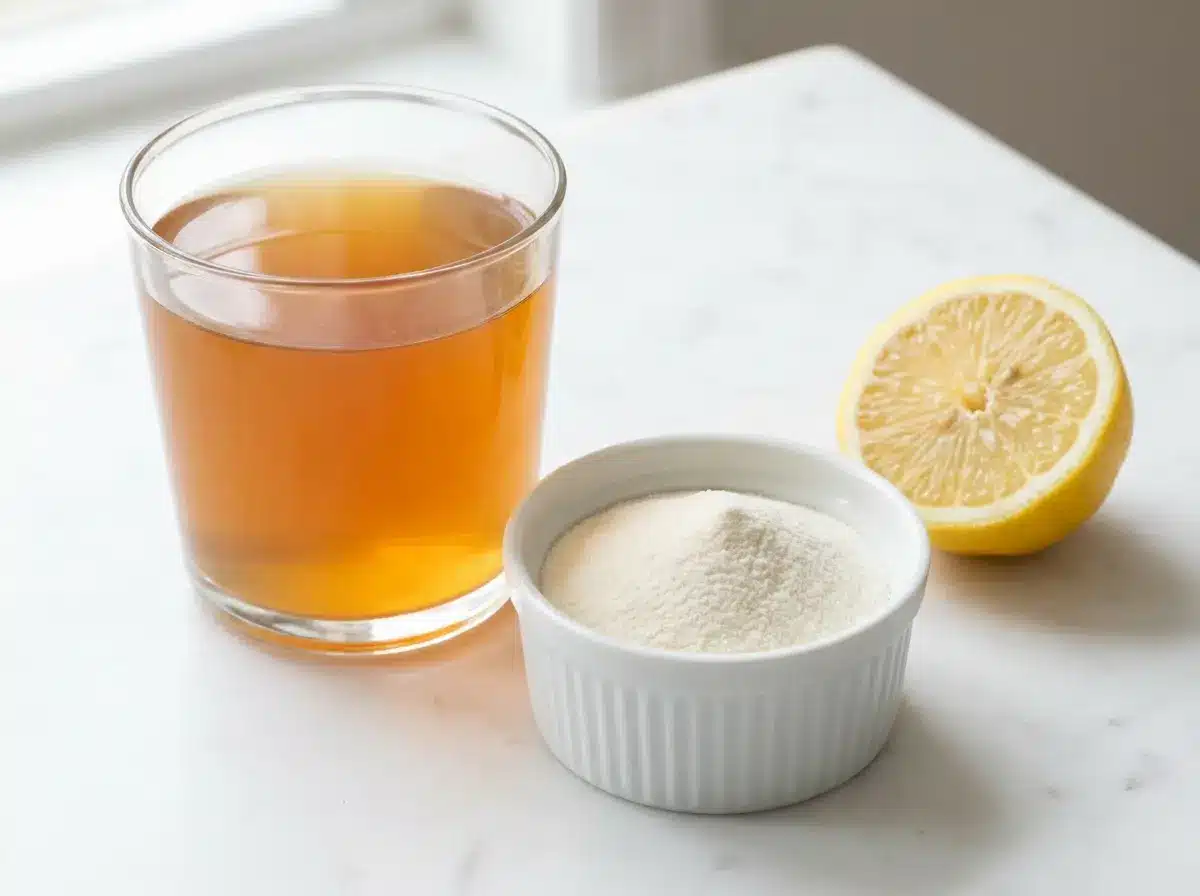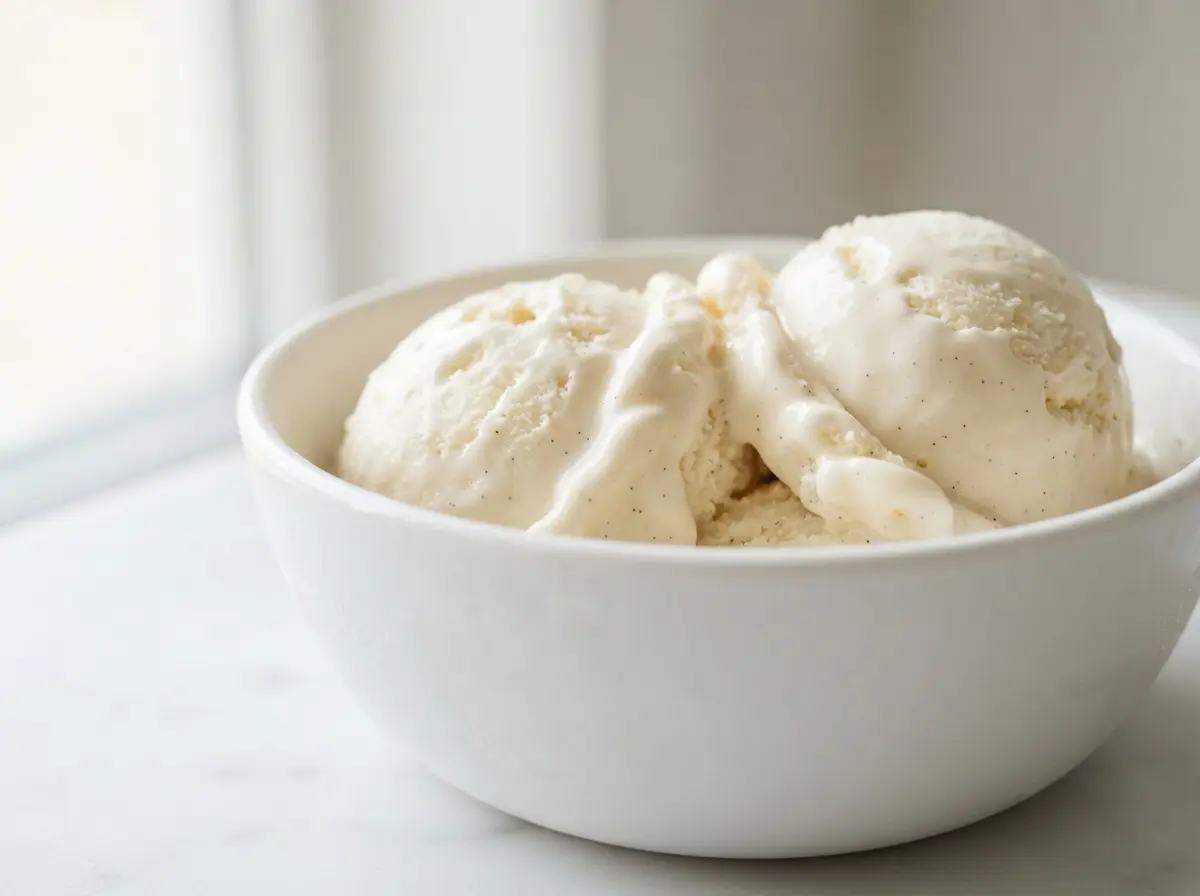
Quick Answer: Homemade ice cream is a rich, creamy frozen dessert you can make with simple ingredients like cream, milk, sugar, and vanilla, or with an easy no-churn method using whipped cream and sweetened condensed milk. It is one of the best summer desserts because it is customizable, fresher than store-bought, and surprisingly simple once you know the basic formula.
If you have been searching for the best homemade ice cream recipe, an easy homemade ice cream method, or a no churn ice cream recipe that actually turns out creamy, this guide covers everything in one place. It is designed for readers who want a dependable homemade ice cream base, practical tips, flavor ideas, and clear step-by-step instructions without overcomplicating the process.
Homemade ice cream has a special kind of appeal because it feels classic, comforting, and a little more personal than a store-bought tub. You can control the flavor, sweetness, texture, and mix-ins, which makes it ideal for family desserts, summer gatherings, birthday treats, and easy make-ahead recipes.
Many modern recipes now focus on two main approaches: a traditional churned version made from a dairy base and a no-churn homemade ice cream version that skips the machine and still produces a creamy texture. Both methods are useful, and both deserve a place in a well-rounded homemade ice cream article because readers often want to compare them before choosing which one to make.
For dessert readers who also enjoy frozen treats with simple ingredients, you can later connect this article to no churn matcha ice cream recipe and 2 ingredient cottage cheese ice cream.
Why Homemade Ice Cream Is Worth Making
Homemade ice cream is worth making because the flavor is cleaner, the texture can be richer, and the ingredient list is usually shorter than many packaged options. You also get full control over what goes into the base, which means you can keep it classic with vanilla, turn it into chocolate, or build your own combinations with fruit, cookie pieces, caramel, or nuts.
It also gives you flexibility in method. If you own an ice cream maker, you can churn a traditional base for a more classic scoop-shop texture. If you do not have one, an easy no churn ice cream recipe still gives you a smooth and satisfying result with much less effort.
Another reason readers love homemade ice cream is that it feels impressive without requiring advanced baking skills. Once you understand how the base works, it becomes one of the easiest desserts to customize for holidays, cookouts, dinner parties, and family nights at home.
Recipes from sources like Love and Lemons and Allrecipes also show how a small list of ingredients can produce a creamy vanilla base at home, whether you prefer a simple no-churn or churned style.
Homemade Ice Cream Ingredients
The best homemade ice cream starts with a balanced base. In most versions, that means dairy for richness, sugar for sweetness and texture, and vanilla for flavor. Some recipes include eggs for a custard-style base, while others avoid eggs and use a simpler mixture that still freezes beautifully.
For a classic homemade vanilla ice cream base:
2 cups heavy cream.
1 cup whole milk.
3/4 cup granulated sugar.
1 tablespoon vanilla extract.
Pinch of salt.
For easy no churn homemade ice cream:
2 cups cold heavy whipping cream.
1 can sweetened condensed milk.
1 to 2 teaspoons vanilla extract.
Pinch of salt, optional.
The classic version gives you a more traditional homemade ice cream flavor and texture, especially if you use an ice cream machine. The no-churn version is faster and usually easier for beginners, which is why it ranks so well for easy homemade ice cream and no machine ice cream searches.
If you want a broader dessert cluster on your site, this section can later link naturally to 3 ingredient fudge and biscoff rice krispies treats.
How to Make Homemade Ice Cream
If you are making churned homemade ice cream, start by whisking together the cream, milk, sugar, vanilla, and salt until the sugar dissolves well. Chill the mixture thoroughly before churning, because a cold base freezes faster and tends to form a smoother texture. Then churn according to your machine instructions until the mixture reaches a soft-serve consistency.
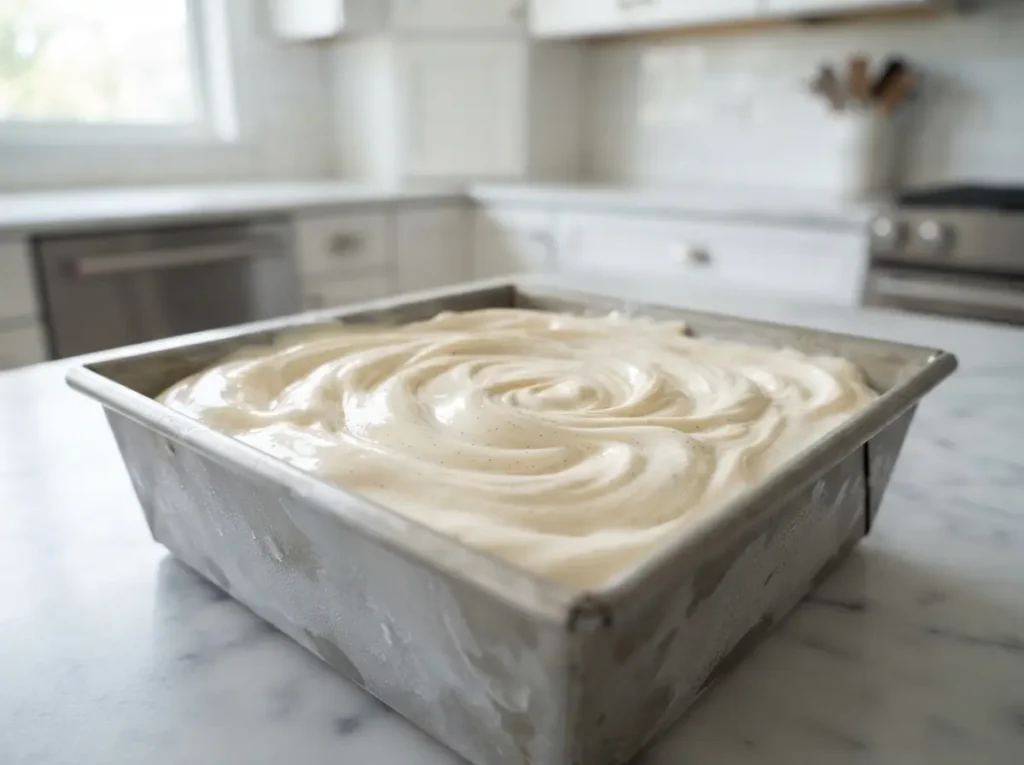
After churning, transfer the ice cream to a freezer-safe container and freeze it for a few more hours until firm enough to scoop. This final freeze is what gives homemade vanilla ice cream that classic shape and body. If you scoop it too early, it may taste good but remain softer than expected.
For no-churn homemade ice cream, whip the cold heavy cream until stiff peaks form. In a separate bowl, stir together the sweetened condensed milk, vanilla, and salt, then gently fold in the whipped cream until the mixture is smooth and airy. Pour it into a loaf pan or container, cover, and freeze until firm.
This easy homemade ice cream method is especially useful for readers who want a recipe without eggs, without cooking, and without an ice cream maker. It is also one of the most practical summer desserts because the prep is quick and the ingredient list is short.
For a similar beginner-friendly technique, Allrecipes outlines a simple vanilla method with milk, cream, sugar, and vanilla, while no-churn versions like the one highlighted by Eat This, Not That rely on whipped cream and sweetened condensed milk.
No Churn Ice Cream vs Traditional Homemade Ice Cream
One of the biggest questions readers have is whether no-churn ice cream is as good as traditional homemade ice cream. The answer depends on what you value most. If you want speed and simplicity, no-churn wins easily. If you want the most classic texture, churned ice cream usually has the edge.
No-churn homemade ice cream is made to be convenient. It has a creamy, rich texture and works extremely well for vanilla, chocolate, cookie, berry, and swirled dessert versions. Traditional homemade vanilla ice cream often has a slightly smoother and more scoop-shop-style finish because the machine incorporates air while freezing the mixture evenly.
For SEO and reader value, it helps to explain both. Many people searching homemade ice cream are not sure whether they need a machine. Including both methods allows the article to rank for easy homemade ice cream, no churn ice cream, homemade vanilla ice cream, and how to make ice cream at home.
Best Tips for Creamy Homemade Ice Cream
The secret to great homemade ice cream is not only the ingredients but also the process. A few small choices can make the difference between a creamy scoop and an icy one. That is why the best homemade ice cream recipe always includes technique notes, not just measurements.
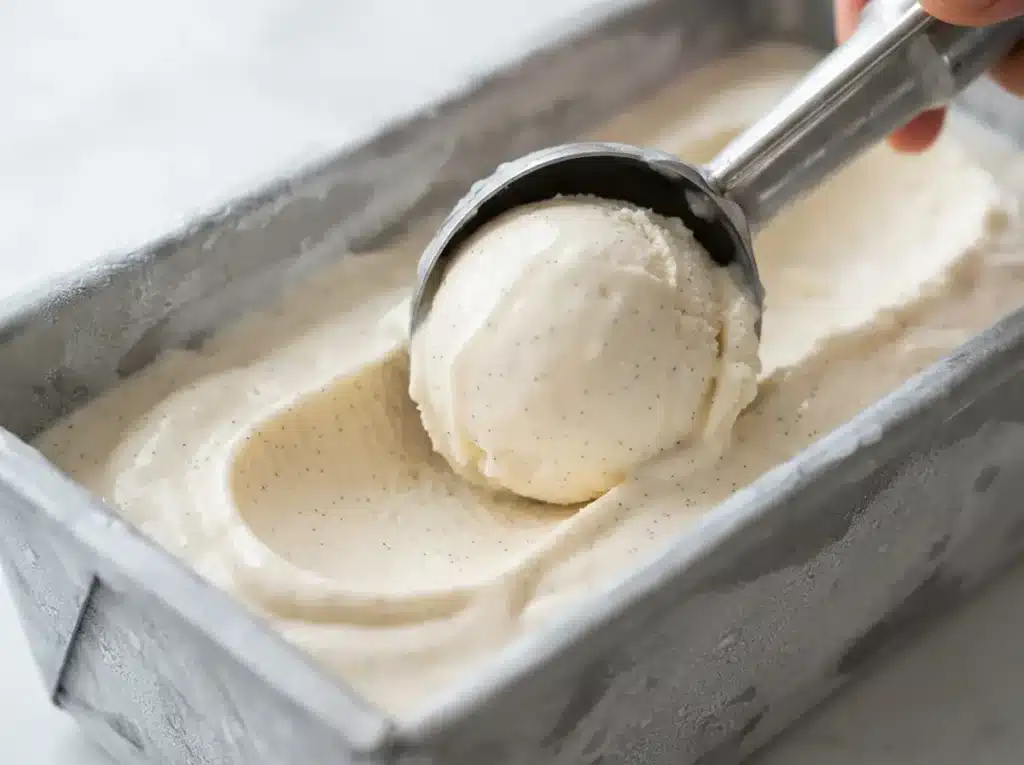
First, keep everything cold when possible, especially for no-churn recipes. Cold cream whips better, and a cold base freezes more evenly. Second, do not rush the freezing time. Homemade ice cream often needs several hours to set properly, even if it already looks thick when you first pour it into the container.
Third, store it in a shallow, airtight container and press a layer of wrap or parchment close to the surface if you want to reduce ice crystals. Fourth, let the ice cream sit at room temperature for a few minutes before scooping. Homemade versions are often firmer straight from the freezer than many store-bought ones.
Some classic methods also benefit from chilling the base overnight before churning. A detailed custard-style vanilla recipe from Vice emphasizes resting the base overnight to improve texture and flavor, which is a useful tip for readers who want a more traditional homemade vanilla ice cream result.
Best Flavors for Homemade Ice Cream
Once you have a solid base, you can turn homemade ice cream into dozens of different desserts. Vanilla is the most useful foundation because it pairs well with almost everything and gives readers the easiest starting point. After that, the best flavors usually fall into a few familiar categories.
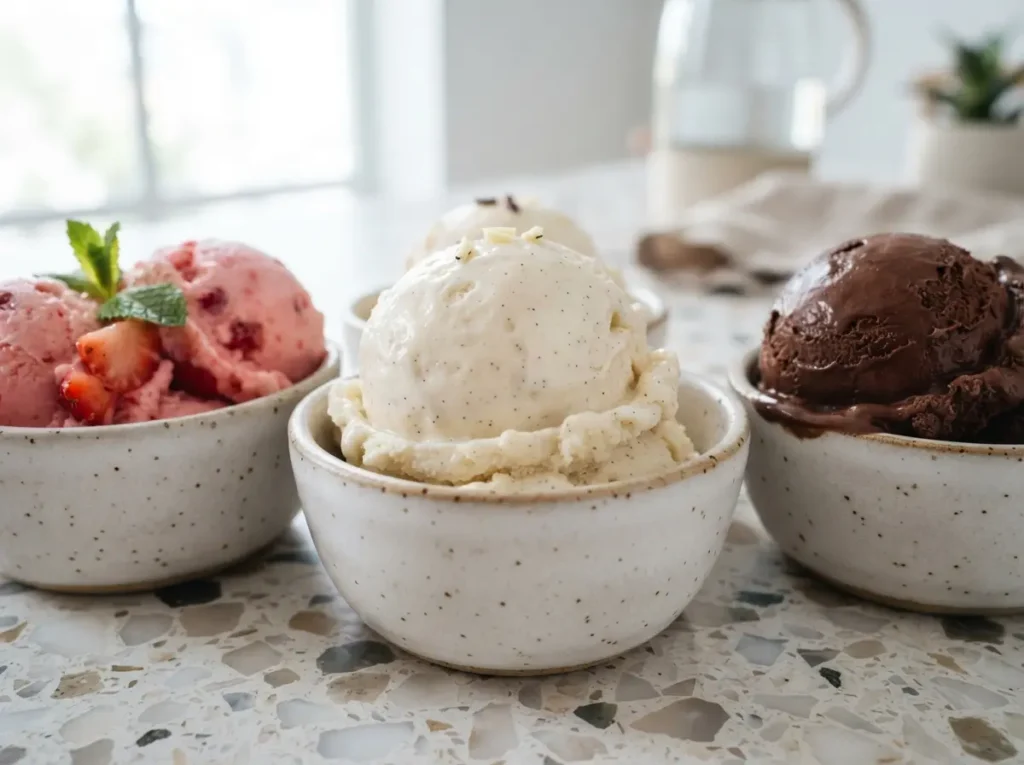
Chocolate homemade ice cream: Add cocoa powder, melted chocolate, or chocolate syrup for a richer, deeper dessert.
Strawberry homemade ice cream: Fold in cooked or mashed strawberries for a fresh fruit flavor that feels especially summery.
Cookies and cream ice cream: Stir crushed sandwich cookies into the base near the end for crunch and contrast.
Salted caramel ice cream: Add caramel sauce and a small pinch of salt for a sweet-salty finish.
Coffee or mocha ice cream: Mix in espresso powder, chilled coffee concentrate, or both for a bolder flavor.
These flavor ideas help the article rank for related searches while giving readers a reason to stay longer on the page. They also create easy opportunities for future internal linking if you decide to publish separate versions later.
If you want to cluster related frozen desserts on your site, this section can support links to keto ice cream sandwiches and no churn matcha ice cream recipe.
How Long Homemade Ice Cream Takes
The actual hands-on time for homemade ice cream is usually short, but the freezing time matters. A no-churn recipe often takes about 10 to 15 minutes to mix, then several hours to freeze. A churned version may need time to chill the base first, then 20 to 30 minutes in the machine, followed by extra time in the freezer.
That is important for readers because many people search homemade ice cream expecting it to be instant. It is simple, but it still needs time to set. Being clear about that improves trust and helps the recipe feel more realistic and dependable.
If you are writing this for summer traffic, timing details are also useful for people planning ahead for parties, birthdays, barbecues, and holidays. In that sense, homemade ice cream is an easy dessert, but it is usually a make-ahead dessert rather than a last-minute one.
Common Homemade Ice Cream Mistakes
One common mistake is not chilling the ingredients enough. Warm dairy or under-whipped cream can lead to a less stable texture, especially in no-churn recipes. Another mistake is overmixing after the whipped cream is folded in, because that can deflate the mixture and make the finished ice cream denser than intended.
A third mistake is expecting homemade ice cream to behave exactly like store-bought ice cream. Commercial products often contain stabilizers and emulsifiers that affect texture and scoopability. Homemade versions are more natural in structure, which is part of their appeal, but they may need a few minutes on the counter before scooping.
Using too many watery mix-ins is another issue. Fresh fruit can be delicious, but too much liquid may create icy patches. If you want the smoothest homemade vanilla ice cream or berry variation, keep the mix-ins balanced and avoid flooding the base.
What to Serve with Homemade Ice Cream
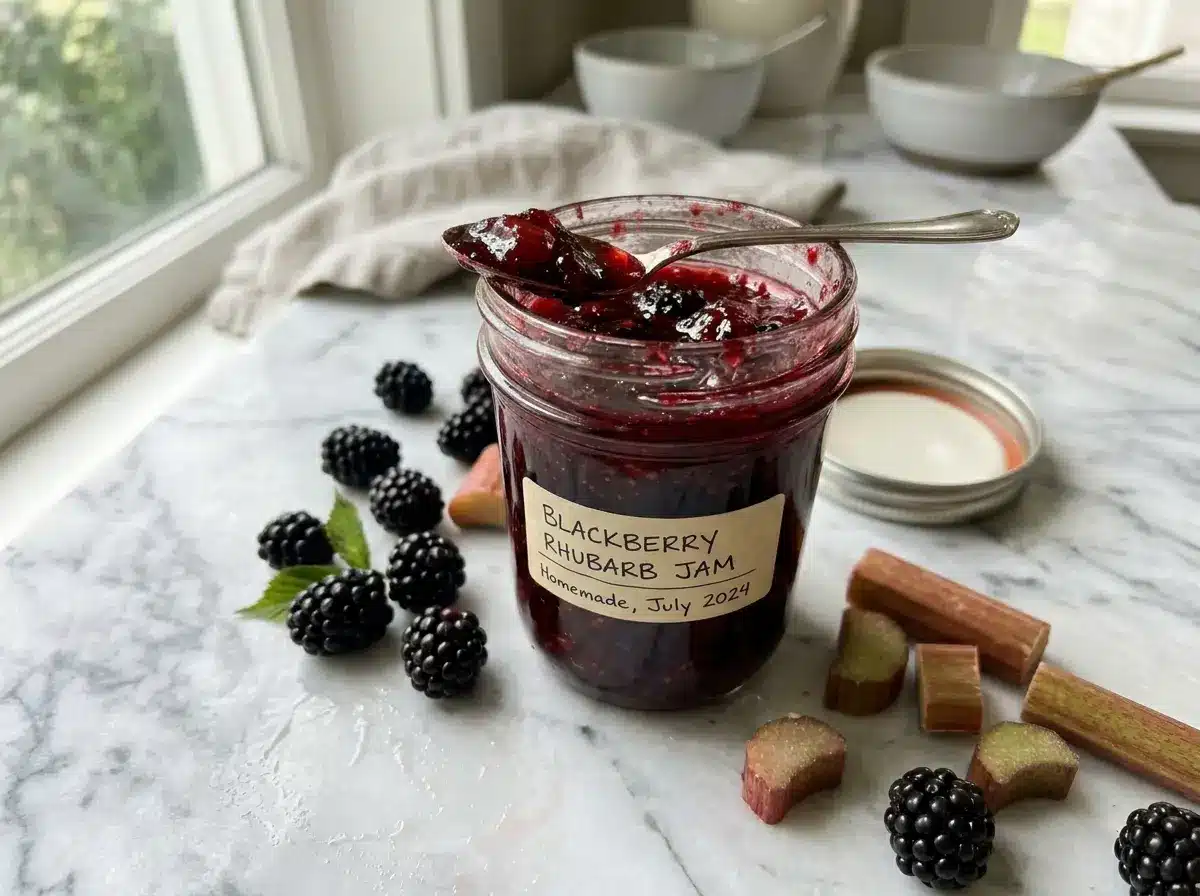
Homemade ice cream is easy to serve on its own, but it also pairs well with warm baked desserts and simple toppings. Try it with brownies, fruit crisps, cookies, waffles, pancakes, or slices of cake. Even a spoonful of jam, caramel, chocolate sauce, or crushed cookies can turn one base recipe into several completely different desserts.
Vanilla homemade ice cream is especially versatile because it fits both fruit-based and chocolate-based desserts. That makes it one of the most useful freezer desserts to keep on hand for guests or family nights. A single batch can stretch into sundaes, sandwiches, milkshakes, or simple scoop bowls.
For internal dessert pairing ideas, you can connect this part of the article to apple crisp recipe with oats, boston cream pie, and 3 ingredient banana oatmeal cookies.
How to Store Homemade Ice Cream
Store homemade ice cream in an airtight freezer-safe container. A shallow container usually works better than a very deep one because it freezes more evenly and is easier to scoop from later. If possible, press wrap or parchment directly over the surface before sealing the lid.
Homemade ice cream is usually best within the first week or two, when the texture is freshest. It can last longer in the freezer, but the longer it sits, the more likely it is to form ice crystals or lose some of its smoothness. This is especially true for recipes without stabilizers.
When serving, let it sit at room temperature for 5 to 10 minutes first. That small step often makes homemade vanilla ice cream much easier to scoop and improves the texture on the spoon.
Homemade Ice Cream Variations Readers Love
If you want this article to be more useful and more rankable, include a few quick variations that readers can try with the same base. These variations make the page feel more complete and allow you to cover broader intent around homemade ice cream recipes.
Vanilla bean version: Use vanilla bean paste for a richer, more classic vanilla flavor.
Berry swirl version: Fold in a ribbon of strawberry or raspberry sauce for color and fruit flavor.
Chocolate chip version: Add mini chocolate chips or chopped chocolate just before freezing.
Cookie butter version: Swirl in cookie butter for a deeper caramel-spice profile.
Peach or mango version: Blend soft fruit into a purée, chill it well, and fold in a moderate amount for a fresh seasonal dessert.
Readers who like easy summer desserts often appreciate seeing how one homemade ice cream recipe can create many results. It saves them from leaving the page to look for another base and gives the article more practical value.
Frequently Asked Questions
How do you make homemade ice cream without a machine?
You can make homemade ice cream without a machine by whipping cold heavy cream, folding it with sweetened condensed milk and vanilla, then freezing the mixture until firm.
What is the best homemade ice cream recipe for beginners?
The best homemade ice cream recipe for beginners is usually a no-churn vanilla version because it uses very few ingredients and does not require cooking or special equipment.
Why is my homemade ice cream icy instead of creamy?
Homemade ice cream can turn icy if the base is too watery, the ingredients were not cold enough, or the mixture did not freeze in a well-sealed container.
How long does homemade ice cream need to freeze?
Most homemade ice cream recipes need at least 4 to 6 hours to freeze properly, and some are even better after an overnight freeze.
Can I add mix-ins to homemade vanilla ice cream?
Yes, you can add mix-ins like cookies, chocolate chips, berries, caramel, or nuts as long as you do not overload the base with too much moisture.
Is no-churn ice cream the same as traditional homemade ice cream?
No-churn ice cream is easier and faster, while traditional homemade ice cream often has a slightly more classic texture because it is frozen while churning in a machine.
Final Thoughts
Homemade ice cream is one of the easiest ways to turn a few basic ingredients into a dessert that feels special, nostalgic, and highly customizable. Whether you use a machine or make a simple no-churn version, the result can be rich, creamy, and far more personal than a standard store-bought carton.
Because this article covers methods, ingredients, texture tips, storage, mistakes, and flavor variations, it answers a wider range of reader questions than a short basic recipe post. That makes it more useful for readers and stronger for search visibility around homemade ice cream, easy homemade ice cream, homemade vanilla ice cream, and no churn ice cream.
For more dessert inspiration on your site, end the article with internal links to no churn matcha ice cream recipe, 2 ingredient cottage cheese ice cream, and apple crisp recipe with oats.