

Pink salt sole water is a saturated solution of Himalayan pink salt and water, promoted for benefits like hydration and mineral replenishment. According to medical experts at the Mayo Clinic, while wellness trends praise pink salt sole water as a morning ritual, medical experts caution that claims are largely unproven and highlight the potential health risks associated with its high sodium content. This comprehensive guide examines what pink salt sole water really is, evaluates scientific evidence behind popular claims, and provides safe preparation methods for those who still wish to try this trending wellness tonic.
Growing up, my grandmother swore by a daily teaspoon of cloudy, pink-tinged water. She called it her “secret” to boundless energy. That “secret,” pink salt sole water, has since exploded into a wellness phenomenon embraced by health influencers, fitness enthusiasts, and alternative medicine practitioners worldwide. But does the science support the hype? In this evidence-based article, we’ll separate fact from fiction regarding pink salt sole water and help you make an informed decision about whether this mineral-rich beverage deserves a place in your daily routine.

What Is Pink Salt Sole Water?
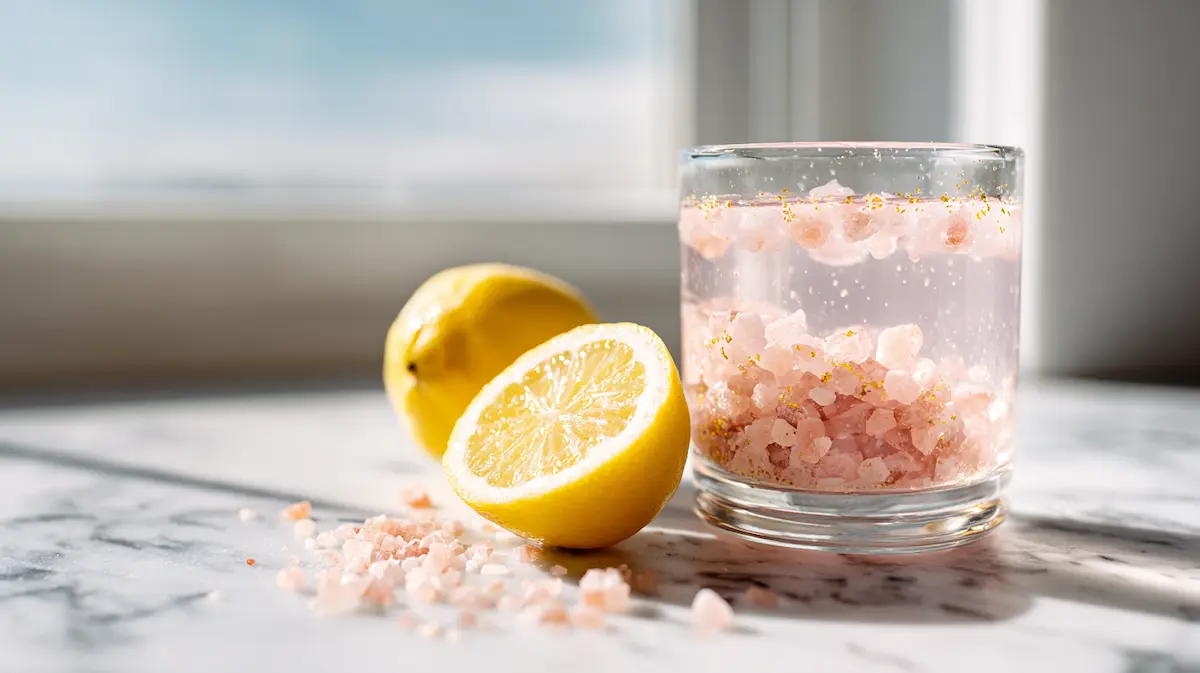
Sole (pronounced “so-lay”) water is water that has been fully saturated with Himalayan pink salt. The process involves leaving salt crystals in water until they no longer dissolve, creating a concentrated mineral solution. Proponents claim that drinking a small amount of this solution diluted in water helps the body absorb 84 trace minerals.
Pink salt sole water has its roots in traditional Ayurvedic medicine and holistic wellness practices. The term “sole” comes from the Latin word “sol,” meaning sun, reflecting the belief that this preparation captures the sun’s energy through the crystallized salt. Unlike regular table salt, Himalayan pink salt contains trace elements including calcium, magnesium, potassium, copper, and iron, which give it its distinctive rosy hue.
The saturation process is key to creating authentic pink salt sole water. When water can no longer dissolve any more salt a state called supersaturation it becomes a 26% saline solution. This highly concentrated mixture is never consumed directly but is instead diluted at a ratio of approximately 1 teaspoon to 8 ounces of water, creating what advocates call a “mineralized elixir.”
Claimed Benefits vs. The Scientific Evidence
Sole water enthusiasts promote a long list of health benefits. Let’s examine the most popular claims and what science says about them.
Claim 1: Improves Hydration & Electrolyte Balance
The Claim: The electrolytes in pink salt sole water hydrate you more effectively than plain water.
The Evidence: While it’s true that electrolytes like sodium, potassium, and magnesium play a role in hydration, the quantities present in diluted pink salt sole water are minimal. For most people engaging in normal daily activities, plain water provides adequate hydration. The American College of Sports Medicine notes that electrolyte replacement becomes important primarily during prolonged, intense exercise lasting more than an hour. Unless you’re an endurance athlete or experiencing significant fluid loss through sweating, illness, or other means, the trace electrolytes in pink salt sole water are unlikely to provide measurable hydration benefits beyond what plain water offers. In fact, the high sodium content could actually work against hydration in some individuals, particularly those with certain health conditions.
Claim 2: Supports Weight Loss
The Claim: Sole water boosts metabolism and reduces cravings.
The Evidence: There is no scientific evidence that pink salt sole water directly causes weight loss. While severe mineral deficiencies can slow metabolism, the trace amounts in pink salt are unlikely to have a significant effect. Any weight loss is more likely due to better hydration or a placebo effect.
That said, some individuals report feeling less bloated when drinking pink salt sole water in the morning. This temporary effect is not weight loss but rather water weight redistribution. True weight management requires a combination of balanced nutrition, regular physical activity, and sustainable lifestyle changes not a daily teaspoon of salt water. If you’re looking for natural metabolism support and sustainable weight loss methods, explore our 7-day smoothie weight loss diet plan, focus on getting adequate sleep, managing stress, and eating whole foods rich in vitamins and minerals rather than relying on pink salt sole water as a weight loss solution.
Claim 3: Improves Sleep & Reduces Stress
The Claim: The mineral content, especially magnesium, promotes restful sleep.
The Evidence: Magnesium does play a role in sleep quality, but pink salt sole water contains negligible amounts of this mineral. To get meaningful magnesium supplementation, you would need to consume dangerous quantities of sodium. A more effective approach to improving sleep through nutrition is to eat magnesium-rich foods like leafy greens, nuts, seeds, and whole grains, magnesium-rich fruits and foods, or take a dedicated magnesium supplement if recommended by your healthcare provider. The relaxation some people experience after drinking pink salt sole water before bed is more likely related to the ritual itself or a placebo effect rather than the minimal mineral content in the solution.
The Expert Opinion: What Doctors Are Saying
“You’d have to consume incredibly high amounts of sole water to get any significant amount of minerals other than sodium. And at that point, the sodium content would be well over a healthy intake.”
Gillian Culbertson, RD, LD, via Cleveland Clinic
Potential Risks and Who Should Avoid Sole Water
- High Blood Pressure: Excess sodium is a well-known contributor to hypertension.
- Kidney Disease: High salt intake can strain the kidneys.
- Heart Disease & Stroke: A high-sodium diet increases the risk of cardiovascular events.
- Water Retention: Contrary to hydration claims, too much salt can cause bloating and water retention.
You should avoid sole water if you have:
- High blood pressure
- Kidney disease
- Heart conditions
- Or if you are on a low-sodium diet.
How to Make Pink Salt Sole Water (Safely)
If you decide to try sole water despite the risks, it is critical to prepare and consume it correctly. This recipe is for educational purposes only; always consult a healthcare provider first.
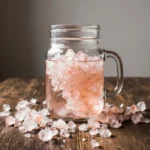
Pink Salt Sole Water

Equipment
- glass jar with non-metal lid
- wooden or plastic spoon
- fine-mesh strainer (optional)
Ingredients
- 1 cup Himalayan pink salt crystals (coarse, high quality)
- 3 cups filtered or spring water (avoid tap water)
Instructions
- Fill a clean glass jar 1/4 full with Himalayan pink salt crystals.

- Add filtered water until the jar is nearly full, leaving 1–2 inches at the top. Stir gently with a wooden or plastic spoon.
- Cover with a non-metal lid and let sit for 24 hours. Check if salt crystals remain at the bottom — this indicates saturation.
- If no crystals remain, add more salt until some stay undissolved. This ensures the solution is fully saturated.
- The sole water concentrate is ready when the liquid is slightly cloudy and crystals remain at the bottom. Store at room temperature away from sunlight.
- To use: dilute 1 teaspoon of sole concentrate in 8 oz of filtered water and drink on an empty stomach each morning.
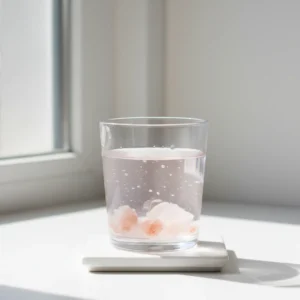
Notes
Ingredients & Equipment
- 1 glass jar with a non-metal lid
- Coarse Himalayan pink salt
- Filtered water
- A non-metal spoon
Step-by-Step Instructions
- Fill the jar about 1/4 full with pink salt crystals.
- Fill the rest of the jar with filtered water, leaving an inch of space at the top.
- Cover with the non-metal lid, shake gently, and let it sit for 12-24 hours.
- If all the salt has dissolved, add more salt until some crystals remain at the bottom. This means the water is fully saturated. Your sole concentrate is now ready.
How to Drink It
DO NOT DRINK THE CONCENTRATE STRAIGHT. It is dangerously high in sodium.
Stir 1/2 to 1 teaspoon of the pink salt sole water concentrate into a full 8-ounce (240 ml) glass of fresh water and drink it once per day. Most advocates recommend consuming pink salt sole water first thing in the morning on an empty stomach, believing this timing maximizes mineral absorption and energy benefits. However, there’s no scientific evidence supporting any particular time as more effective than another.
Frequently Asked Questions
Is pink salt sole water actually good for you?
There is little scientific evidence to support the health claims. Medical experts warn that the high sodium content poses significant risks, such as high blood pressure and kidney strain, that likely outweigh any potential benefits from trace minerals.
Can pink salt sole water help with weight loss?
No, there is no scientific proof that sole water causes weight loss. Its effects are often misattributed to proper hydration or a placebo effect.
How much sodium is in sole water?
A single teaspoon of sole concentrate can contain 400 mg of sodium or more. This is nearly 20% of the recommended daily limit for an adult.
What’s better than sole water for hydration?
Plain water is sufficient for hydration for most people. If you are an endurance athlete or sweating excessively, a balanced electrolyte drink with sodium, potassium, and magnesium is a better and safer choice.
How long does pink salt sole water last?
Pink salt sole water has an indefinite shelf life when stored properly. Because the solution is saturated with salt, it creates an environment where bacteria and mold cannot grow. Keep your pink salt sole water in a glass jar with a non-metal lid at room temperature, away from direct sunlight. There’s no need to refrigerate it, and it won’t spoil or lose its potency over time.
Can I use regular table salt instead of Himalayan pink salt?
While you can technically use regular table salt to make sole water, the entire premise of pink salt sole water is based on the trace minerals found in Himalayan pink salt. Regular table salt is heavily processed, stripped of minerals, and often contains anti-caking agents and additives. If you use table salt, you’re essentially making salt water without the purported (though largely unproven) mineral benefits that pink salt sole water advocates claim. For consistency with wellness trends and recipes, stick with authentic Himalayan pink salt if you decide to try this remedy.
Does pink salt sole water detox the body?
No, pink salt sole water does not detox your body. The human body already has highly effective detoxification systems your liver, kidneys, and digestive system that naturally remove toxins without needing salt water. The “detox” claims associated with pink salt sole water are not supported by scientific research. While staying hydrated is important for optimal organ function, plain water accomplishes this without the potential health risks of added sodium. If you’re concerned about toxin exposure, focus on eating a nutrient-dense diet, staying hydrated with regular water, limiting alcohol consumption, and avoiding environmental toxins. For evidence-based detox support, consider our detox smoothies for liver health rather than relying on pink salt sole water as a detox remedy.
Conclusion: The Final Verdict
Pink salt sole water has surged in popularity as a wellness trend, but the scientific evidence simply doesn’t support the bold health claims made by its advocates. While the idea of a mineral-rich morning tonic is appealing, the reality is that you would need to consume dangerously high amounts of pink salt sole water to obtain meaningful quantities of trace minerals and at that point, the sodium content would far exceed safe levels recommended by medical organizations.
For better health, focus on proven methods: drink plenty of plain water, eat a balanced diet rich in whole foods to get your minerals, and manage your sodium intake. Instead of relying on pink salt sole water or other trendy salt-saturated elixirs, let these foundational habits be the secret to your vitality.
If you’re seeking better hydration, plain water is sufficient for most people. If you’re an athlete or someone with specific electrolyte needs, consult with a healthcare provider or registered dietitian about evidence-based electrolyte supplementation rather than experimenting with pink salt sole water.
The wellness industry is filled with products and practices that promise quick fixes and miracle cures. Pink salt sole water is just one example of how traditional practices can be repackaged and marketed with exaggerated claims. While there’s nothing inherently harmful about drinking small amounts of diluted pink salt sole water if you’re healthy and not at risk for sodium-related health issues, there’s also little reason to believe it will deliver the transformative benefits its proponents promise.
Ultimately, sustainable wellness comes from consistent, evidence-based practices: adequate sleep, stress management, regular physical activity, proper hydration with water, and a nutrient-dense diet. These time-tested foundations of health don’t require expensive specialty salts or elaborate morning rituals. If you do choose to try pink salt sole water, approach it with realistic expectations, consult your healthcare provider first, and never use it as a substitute for medical treatment or professional nutritional advice.





4 thoughts on “Pink Salt Sole Water: Science-Based Benefits, Risks & Easy Recipe (2025 Trend)”